Click & Collect or 24hr Dispatch*

15% Off Sitewide & Clearance*

EOFY15
Teething Toys & Baby Teethers For Every Stage Of Teething

Teething Toys

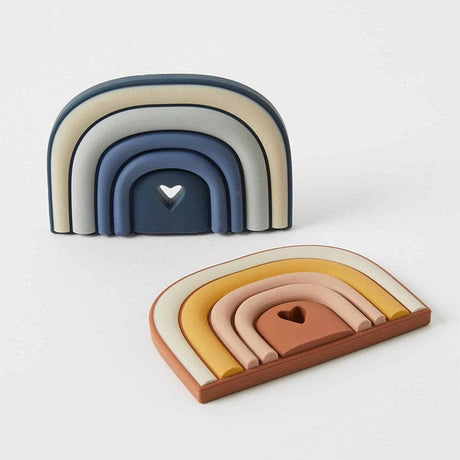
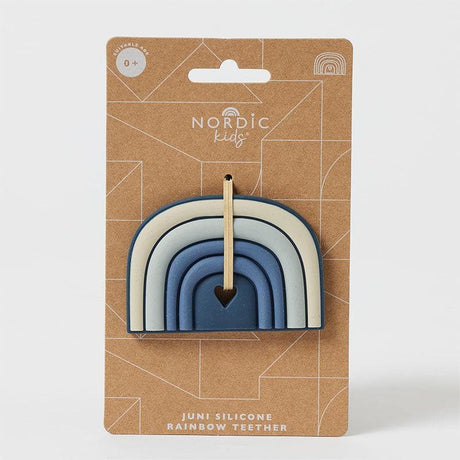
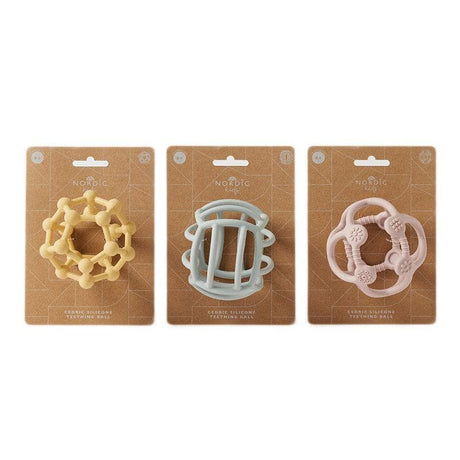
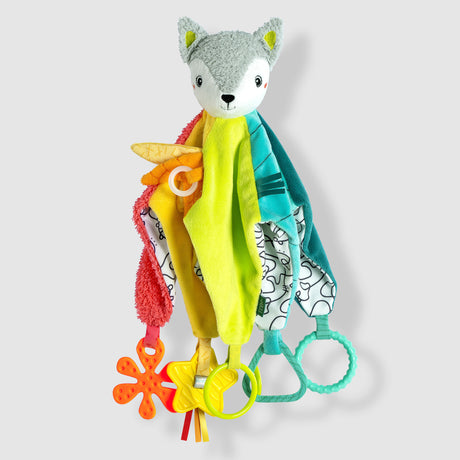
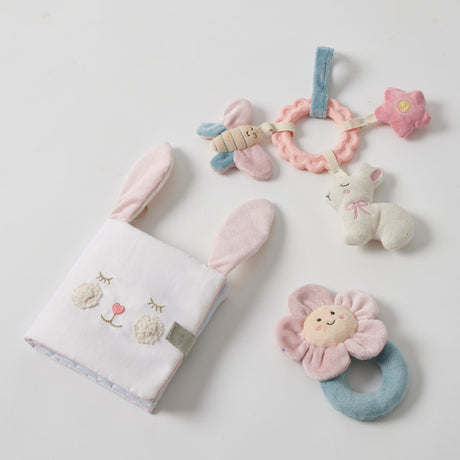
When babies start chewing on fingers, toys, clothing and anything else within reach, they're often telling us something important. Teething toys help babies explore oral sensations, soothe tender gums and satisfy the natural urge to chew safely. Whether you're searching for a first teether, a teething ring, a silicone teether or a solution for a baby cutting new teeth, choosing the right teething toy can make this stage more comfortable for both children and parents.


Not All Teething Toys Solve The Same Problem

Many parents start searching for teething toys when their baby suddenly begins chewing everything in sight. The challenge is that teething behaviour changes quickly. A newborn exploring with their mouth has different needs from a baby cutting their first teeth or a toddler working through molars. The best baby teethers are designed to match how children grip, chew and explore at each stage. Whether you're looking for baby teething toys, teething rings or infant teethers, understanding how your child is using the teether often matters more than age alone.

Easy To Hold Safe To Chew Stage Appropriate Built For Daily Use

Babies Learn Through Their Mouth

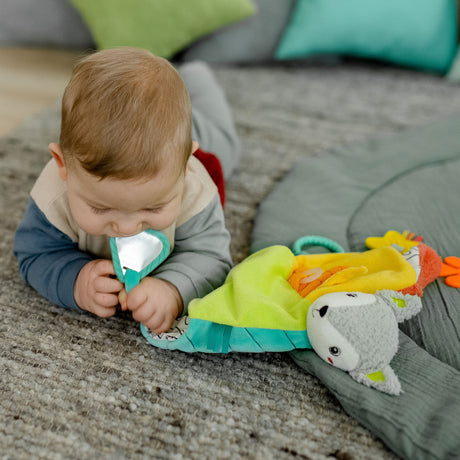
Long before teeth appear, babies explore the world through mouthing, chewing and oral sensory discovery. Teething toys provide a safe outlet for this important stage while helping children practise grasping, coordination and self-directed exploration.

The Right Shape Matters

Some babies prefer lightweight teethers they can easily grip and move independently, while others seek textured surfaces that provide more sensory feedback against sore gums. Different designs suit different stages of teething.

Good Teethers Stay Relevant Longer

The most useful baby teethers often remain part of play routines long after the first tooth arrives. Babies frequently return to favourite teethers throughout multiple teething stages as new teeth emerge and chewing preferences evolve.

What To Look For In A Baby Teether

Focus on how easily your baby can grip, lift and position the teether independently. Consider material, texture, cleaning requirements and whether the design suits your child's current stage of chewing. The most successful teethers tend to be those babies can use confidently without constant help from an adult.

Not The Right Choice If...

If your primary goal is encouraging sensory exploration, grasping skills or early cause-and-effect play, a rattle or sensory toy may be more appropriate. Teething toys are designed specifically for chewing, oral exploration and supporting babies through different stages of teething.

Choosing The Right Teether

Pay Attention To How Your Baby Is Chewing

The best teething toy isn't determined by age alone. Watching how your baby grips, chews and explores often reveals which type of teether will be most useful.

Choose Simple Teethers If Your Baby

  • Is new to mouthing toys Drops toys frequently Prefers lightweight objects Is beginning oral exploration Needs easy-to-grip shapes Is working on hand-to-mouth coordination

Choose Textured Or Multi-Surface Teethers If Your Baby

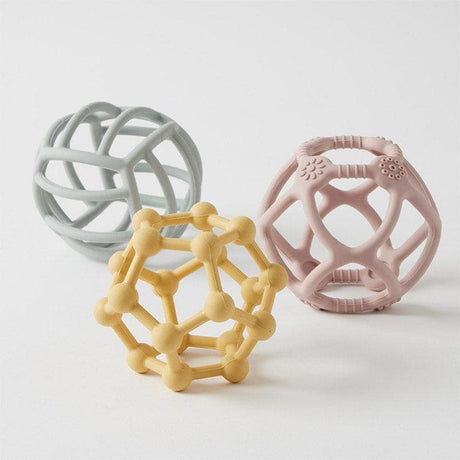
  • Chews intensely Seeks firm chewing feedback Is cutting multiple teeth Targets specific gum areas Enjoys different textures Has moved beyond beginner teethers
Many babies develop strong preferences during teething. Finding a teether that matches how your child naturally explores often leads to longer engagement and more consistent use.

Why Families Choose Our Quality Teething Toys

Suitable across multiple teething stages

Easy to clean and maintain

Durable enough for daily chewing

What To Look For In A Baby Teether

Focus on how easily your baby can grip, lift and position the teether independently. Consider material, texture, cleaning requirements and whether the design suits your child's current stage of chewing. The most successful teethers tend to be those babies can use confidently without constant help from an adult.

Not The Right Choice If...

If your primary goal is encouraging sensory exploration, grasping skills or early cause-and-effect play, a rattle or sensory toy may be more appropriate. Teething toys are designed specifically for chewing, oral exploration and supporting babies through different stages of teething.

Every Baby Experiences Teething Differently
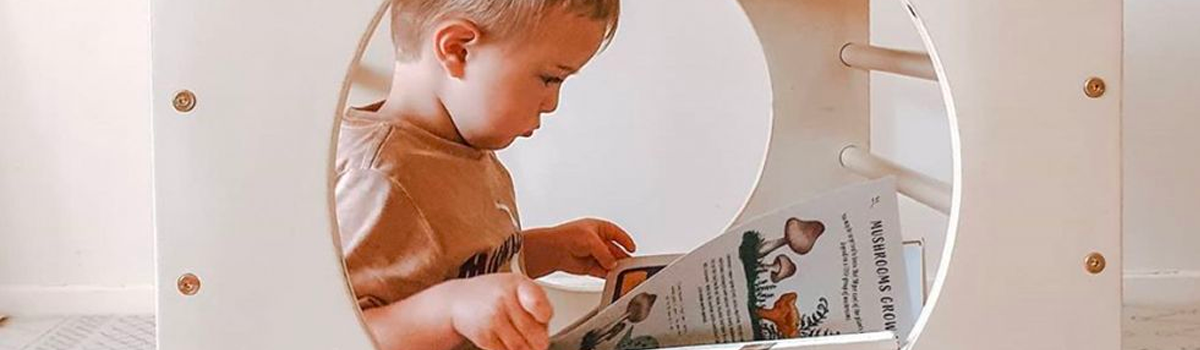
Some babies chew constantly, while others move through teething with little obvious discomfort. The goal isn't finding the perfect teether for every child. It's finding the teether that suits how your child naturally explores, chews and comforts themselves during this important stage of development.

Frequently asked questions
How many baby teethers do most families need?

Many parents discover that babies develop strong preferences when it comes to teethers. A design that works perfectly one month may be ignored the next as chewing patterns change. For this reason, most families benefit from having more than one type of teether available.

Keeping a small selection allows parents to respond to different stages of teething, different environments and changing preferences. One teether may be ideal for travel, another for independent play and another for more active chewing periods. Variety helps ensure there is always an appropriate option available without creating unnecessary clutter.

Which teething toys are best for molars and back teeth?

As babies move into later stages of teething, chewing patterns often become stronger and more targeted. Molars sit further back in the mouth, making them harder to reach with some beginner teethers. This is why many parents seek specialised molar teethers or designs that provide larger chewing surfaces.

Teethers intended for later-stage chewing often feature multiple textures, flexible materials and shapes that encourage babies to reach different parts of the mouth comfortably. The goal is not simply stronger chewing but giving children options that match changing teething behaviours as additional teeth emerge.

What is a teething mitten and when is it useful?

A teething mitten is designed for babies who want to chew but struggle to consistently hold and position traditional teethers. Worn on the hand, the mitten allows babies to bring a textured chewing surface to their mouth without relying on advanced grasping skills.

Teething mittens are particularly useful for younger babies who constantly chew on their hands but become frustrated when attempting to hold conventional teethers. While they are not necessary for every child, they can provide a helpful transition during the period when oral exploration is increasing faster than fine motor control.

How can parents tell when it's time to move beyond a first teether?

Babies often provide clear clues through their behaviour. A child who previously enjoyed a simple teether may begin chewing more intensely, targeting specific gum areas or showing increased interest in textured surfaces. Some babies repeatedly chew on harder household objects or seem less interested in lightweight beginner designs.

These behaviours often suggest that a more advanced teether with varied textures, larger chewing zones or different gripping options may better match the current stage of teething. Progression isn't based on age alone. Instead, it's about observing how your baby interacts with their existing teether and whether it still satisfies their chewing needs.

Do freezer teethers actually help sore gums?

Many babies enjoy the cooling sensation provided by chilled teethers, particularly when gums feel tender during active teething periods. Cooler surfaces may temporarily provide comfort and help some babies settle during periods of increased chewing behaviour.

However, it is important to distinguish between chilled and frozen products. Excessively hard or frozen surfaces can become uncomfortable for delicate gums. Most families find that gently cooled teethers provide sufficient comfort while remaining pleasant for babies to use. Individual preferences vary considerably, which is why many parents keep several different types of teethers available as their baby's needs change.

Why do some babies chew constantly even before they are teething?

Chewing is not always a sign that teeth are about to appear. Babies learn about the world through their mouth long before teething becomes a significant factor. Mouthing, chewing and sucking provide sensory information that helps babies understand texture, pressure and movement while developing coordination.

This is why many babies chew on hands, toys, clothing and other safe objects months before visible teeth emerge. Oral exploration is a normal developmental behaviour rather than a problem that needs to be stopped. Appropriate teethers simply provide a safer and more practical outlet for these natural instincts while helping babies satisfy their curiosity and sensory needs.

Are silicone teethers safe for babies?

High-quality silicone teethers are among the most popular choices for modern families because they are durable, easy to clean and comfortable for babies to chew. Food-grade silicone provides a flexible chewing surface that many children find satisfying during different stages of teething.

Parents often choose silicone teethers because they can withstand repeated daily use without splintering, cracking or becoming difficult to clean. However, as with any baby product, quality matters. Look for teethers designed specifically for infant use and always follow manufacturer cleaning and safety instructions. A well-made silicone teether can remain useful across multiple stages of teething while maintaining its shape and functionality.

What are the best teething toys for newborns and young infants?

When choosing teething toys for newborns and young infants, simplicity often works best. At this stage, babies are still learning how to grasp, lift and bring objects to their mouth. Heavy or complicated designs can become frustrating because babies lack the coordination needed to use them effectively.

The best newborn teethers are typically lightweight, easy to grip and comfortable to explore. Rather than focusing on strong gum pressure, many young babies use teethers to practise hand-to-mouth coordination and sensory discovery. As chewing becomes more purposeful and teething progresses, babies often transition towards more textured or specialised teething toys. Starting with simple designs helps build confidence while supporting safe exploration.

What's the difference between a teether, a teething toy and a teething ring?

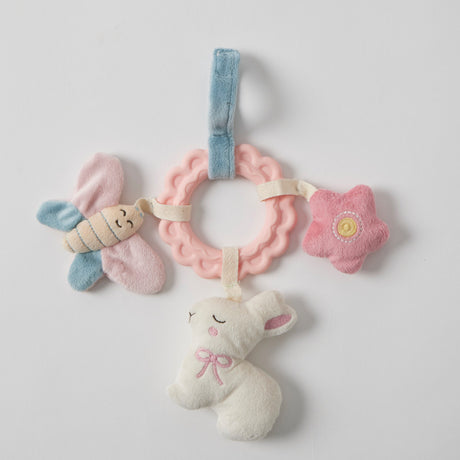
Parents often encounter all three terms while shopping, and the distinction can feel confusing. In reality, there is significant overlap. A teether is any product designed for babies to chew safely. A teething toy is a broader term that may include different shapes, textures and sensory elements intended for oral exploration. A teething ring refers to a specific style of teether, typically featuring a circular design that is easy for babies to grip independently.

The more useful question is not what the product is called but how it suits your baby's chewing behaviour. Some babies prefer simple rings they can easily manipulate, while others enjoy textured surfaces, multiple chewing zones or sensory features. The best choice depends on how your child interacts with the teether rather than the label used by the manufacturer.

When should babies start using teething toys?

Many parents associate teething toys with visible teeth, but babies often begin mouthing, chewing and exploring objects long before their first tooth emerges. Around three to four months of age, many babies become increasingly interested in bringing objects to their mouth as part of normal sensory exploration. This doesn't always mean they are actively teething. Instead, it reflects an important developmental stage where babies learn about texture, shape and movement through oral exploration.

Introducing a suitable teether during this period gives babies a safe object to chew, grip and investigate independently. Some babies use teethers primarily for exploration at first, while others quickly begin seeking gum pressure as teething progresses. The key is choosing a teether that is easy to hold, lightweight and appropriate for your baby's current stage rather than focusing solely on age.