Click & Collect or 24hr Dispatch*

Find The Movement Your Child Is Looking For

Movement, Balance & Vestibular Sensory Play

You probably know the child this collection is for - the one who's rarely completely still. They climb onto the couch instead of sitting on it, spin while waiting for breakfast, balance along the edge of the garden bed instead of walking beside it, rock backwards on the dining chair without realising. If that sounds familiar, you're not alone. It might sound odd coming from somewhere that sells movement toys, but one of the biggest things we've learnt is that some children simply experience the world through movement - it isn't something they do after learning, it's one of the ways they learn. Once you stop seeing movement as the problem, a more useful question takes its place: what kind of movement is my child actually looking for?

Start here

Different children seek different movement. Some are drawn to spinning and rotation, some to balancing and climbing, some to active seating that lets them move while they focus, and some to gentle, rhythmic rocking. Use the cards above to find the pattern that fits your child, and follow it to the collection made for that kind of mover.

If your child regulates more through touching, squeezing and exploring textures than through spinning, climbing or rocking, the Tactile collection is often the better starting point.

View as

Which Kind Of Movement Is Your Child Looking For?

Every child needs movement, but not every child seeks the same movement. It's easy to assume a child who moves constantly just has endless energy, but watch closely and you'll notice something more specific: some children are always climbing, some are forever spinning, some gently rock while listening to a story, and others can't keep their feet still at the table. They're all moving, but they're not looking for the same experience. Movement is a little like language - every child speaks it, but some are more fluent in one type than another. Understanding that changes everything, because it stops you hunting for one perfect movement toy and starts you looking for the kind of movement that makes sense for your child. We curate and organise our whole movement range around exactly that - the different ways children seek movement - so you can start from your child rather than from a product.

Spinning & Rotation Balance & Climbing Active Seating Gentle Rhythmic Movement
Constant Spinning

“They spin, twirl, and rotate constantly.”

Some children naturally seek rotational movement through spinning themselves, turning in circles, twisting in chairs, or constantly moving their body in circular motion. Spinning movement toys provide more purposeful ways to explore vestibular sensory input while helping children engage with movement in a safer and more controlled way indoors.

Spinning Chairs
Can’t Sit Still

“They wobble, tip chairs, and move constantly while seated.”

Children who bounce their legs, lean back on chairs, rock while sitting, or struggle to stay physically still during meals, homework, or learning often seek movement even during seated activities. Active seating and wobble chairs provide gentle movement input while helping children remain engaged in table-based routines.

Wobble Chairs
Needs Calmer Movement

“They settle best with slower rhythmic movement.”

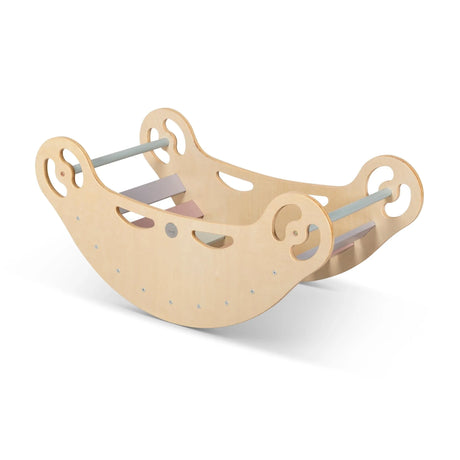
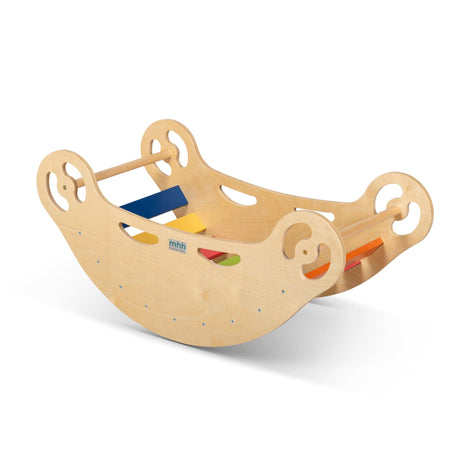
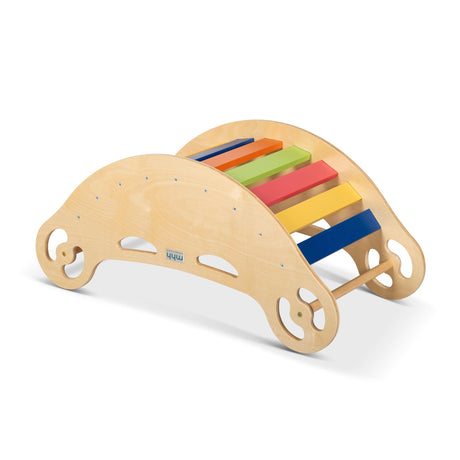
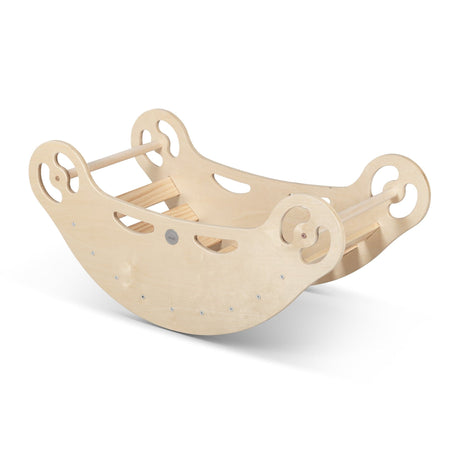
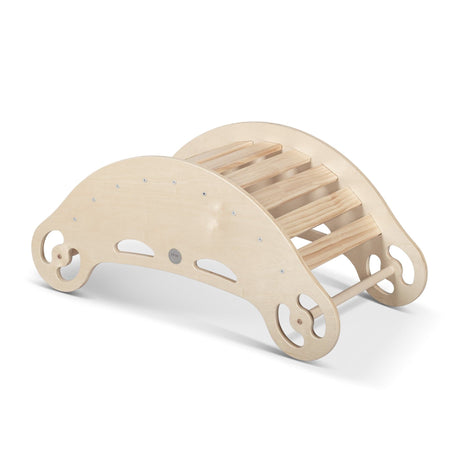
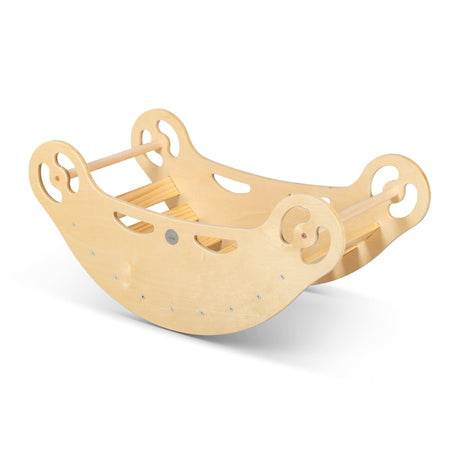
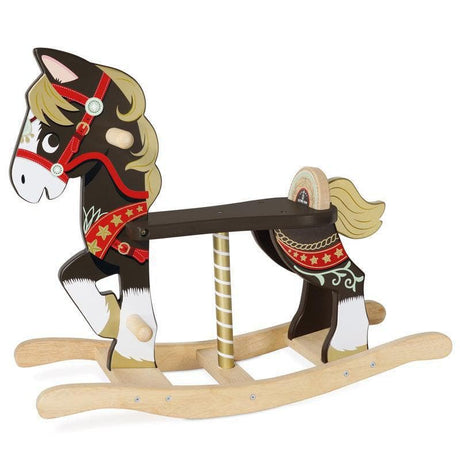
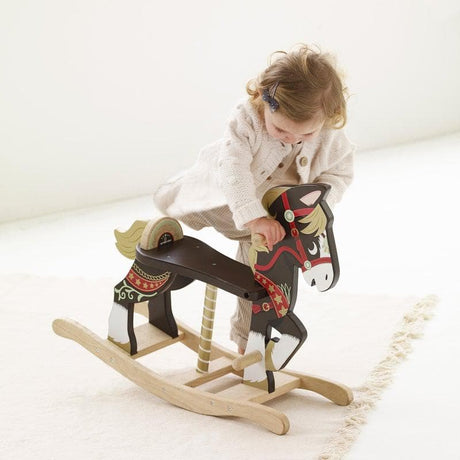
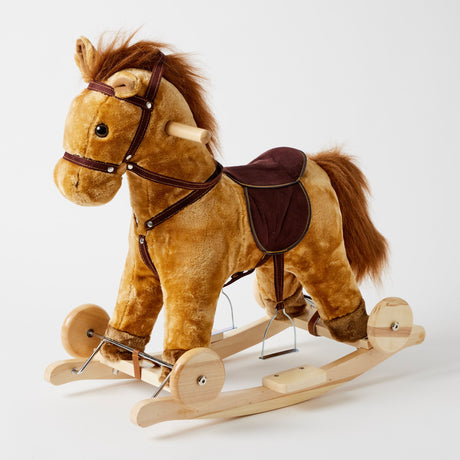
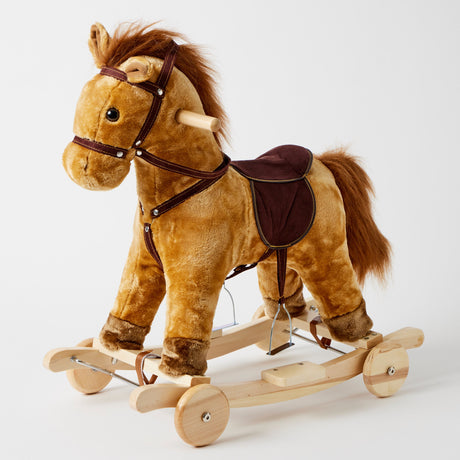
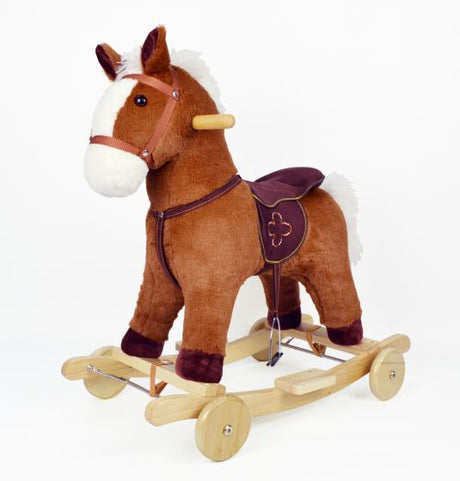
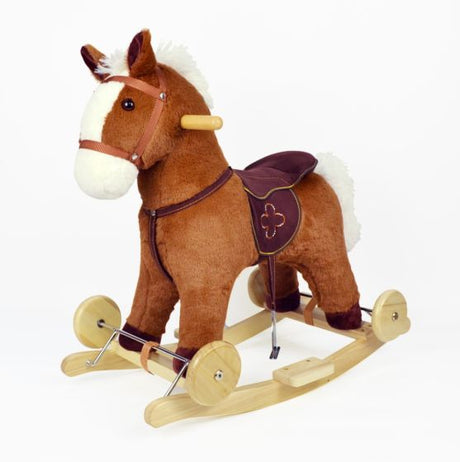
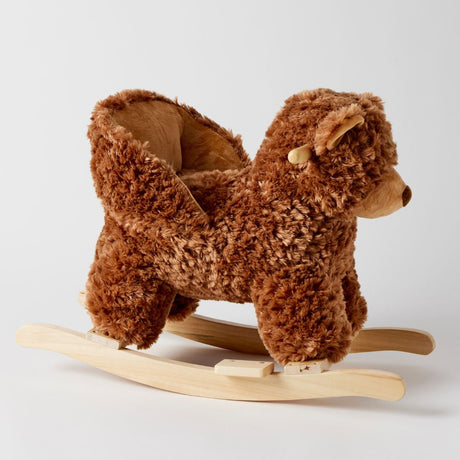
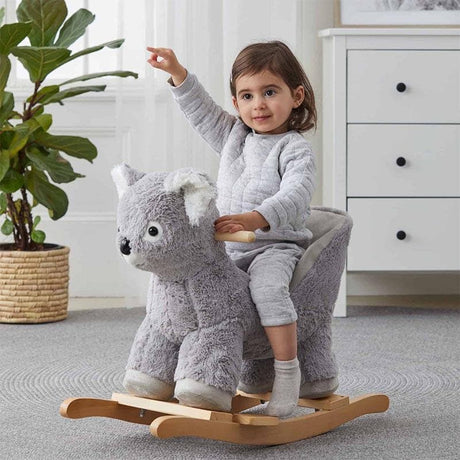
Some children naturally regulate through repetitive rocking, swaying, or slower back-and-forth movement patterns that feel calming and predictable. Rocking toys can help support quieter vestibular sensory play while creating movement experiences that feel less intense or overstimulating.

Rocking Toys
Always Moving

“They need active movement to get energy out.”


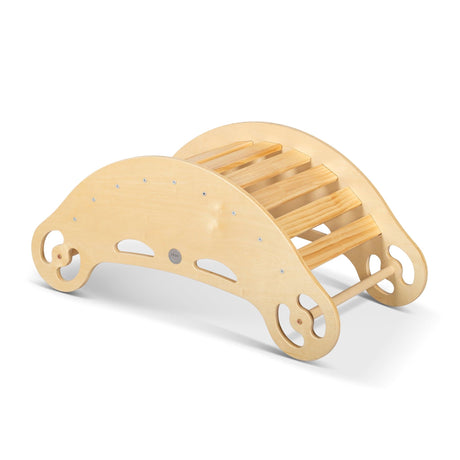
Some children constantly jump between furniture, create obstacle games, pace indoors, or seek active physical movement throughout the day. Whole-body movement toys help channel that energy into more purposeful indoor movement play that supports coordination, body awareness, and sensory regulation.


Movement Toys
Movement Isn't The Only Sensory Need

Some Children Seek Touch More Than Movement

Not every child regulates through movement. Some are constantly looking for different textures to squeeze, rub, stretch or explore with their hands, and seem calmer after tactile play than active play. If that sounds more like your child, our tactile sensory toys may be a better place to begin. Understanding how your child seeks sensory input - through movement or through touch - is far more helpful than choosing by a label.

Start With The Child, Not The Product

If you take one thing from this page, let it be this: start with how your child already moves, and the right collection becomes clear. The child who turns office chairs into merry-go-rounds and spins for the joy of it is drawn to rotation - our spinning chairs are made for them. The child who isn't trying to leave the table but can't quite sit still, who rocks and shuffles to stay comfortable, often settles with a wobble chair. The child who treats every curb as a balance beam and climbs everything is asking for balance boards. The child who quietly rocks while reading or telling stories is drawn to gentle, rhythmic movement, where rocking toys become somewhere imagination and movement happen together. And the child who simply needs to move in lots of different ways is best served by the broader movement toys collection, which gives them choice rather than expecting one product to do everything. In our experience the child gives you the best clues, and the collection we'd recommend is simply the one that matches how they already move.

Frequently asked questions

Questions parents often ask

Where should I start if I don't know what my child needs?

This is one of the most common questions, especially for families exploring sensory needs or on an NDIS journey - and the simplest answer is to ignore the products for a moment and watch the child. Where do they naturally go? Do they spin, climb, rock, balance, or fidget while sitting? The answers are usually there well before you start searching for equipment. Begin with the kind of movement your child already seeks, and the right collection follows from there.

Should I be concerned if my child is always moving?

In most cases, no - constant movement often simply reflects a child's sensory preferences and developmental stage rather than a problem. The goal isn't to stop the movement but to understand and support it. That said, every child is different, and if you have specific concerns about your child's development it's always worth speaking with your GP, paediatrician or an occupational therapist, who can give advice tailored to your child.

Why can't my child sit still at the table?

A child who constantly shifts, rocks and stands up at the table usually isn't trying to leave - they're trying to find enough movement to stay comfortable while they're there. For these children, movement and concentration often work together rather than against each other. Active seating like a wobble chair gives them small movement in place, so they can stay seated and stay with the activity.

Why does my child spin in circles so much?

Spinning gives strong vestibular input, and some children are simply drawn to rotation - it feels enjoyable and, for many, organising or settling. It's a very common form of movement seeking and usually nothing to worry about. If your child loves to spin, a spinning chair gives them that rotational movement in a safe, contained way they control themselves.

How do I know which kind of mover my child is?

Watch where your child naturally goes. A child who spins in circles and turns chairs into merry-go-rounds is seeking rotation. A child who can't sit still and rocks at the table is seeking small movement while staying put. A child who climbs and balances on everything is seeking that challenge. A child who quietly rocks while reading is seeking gentle rhythm. The pattern your child shows is the best guide to where to start.

What does 'vestibular' actually mean?

The vestibular sense is your body's sense of movement and balance - it tells you when you're spinning, tilting, rocking or upside down. Children who seek vestibular input are the ones drawn to spinning, swinging, rocking, balancing and being in constant motion. Vestibular play simply means movement experiences that feed that sense, helping a child understand where their body is and how it moves through space.

Why does my child constantly seek movement?

Many children seek movement as part of how they experience and make sense of the world. Movement gives the brain information about where the body is and how it's moving, and for some children that feedback feels especially important - it helps them feel organised, focused or calm. Constant movement usually isn't a sign something is wrong; more often it reflects a child's individual sensory preferences. The useful step isn't stopping the movement, it's noticing what kind of movement your child naturally seeks.