
Click & Collect or 24hr Dispatch*

Building Writing Confidence Through Play

Early Writing Tools

Early writing tools help little ones develop the control, confidence and coordination needed for writing. From tracing activities and mark-making resources to pencil control exercises and handwriting readiness tools, these engaging learning resources support children as they progress from drawing and scribbling to forming letters, names and early words.


No products found

Pre Writing Activities For Preschoolers Learning Pencil Control

Why Early Writing Tools Matter

Learning to write is about far more than forming neat letters on a page. Before children can confidently write words, they first need to develop hand strength, pencil control, coordination and the ability to create purposeful marks. Early writing tools provide opportunities to practise these foundational skills through engaging, age-appropriate activities that feel achievable and rewarding.

Many children become interested in writing after recognising letters or seeing older siblings and adults write. However, writing places complex demands on developing muscles and coordination. Tracing boards, pencil control activities and mark-making experiences help children gradually build the physical skills required for writing while maintaining confidence and enjoyment.

When children are given opportunities to practise writing skills through play, they often develop stronger independence, greater persistence and increased enthusiasm for literacy activities.

Pencil Control Hand Strength Writing Readiness Fine Motor Confidence

Builds The Physical Skills Needed For Writing

Writing requires strength, control and coordination. Early writing tools help children practise these skills in manageable and enjoyable ways.

Creates Confidence Before Formal Handwriting

Children often approach writing more positively when they have already experienced success with tracing, drawing and mark-making activities.

Supports Literacy Through Action

Rather than simply recognising letters, children begin learning how to physically create them, helping bridge the gap between literacy awareness and written communication.

Choosing The Right Writing Activity

Match The Writing Tool To Your Child's Current Stage

Writing development happens gradually. The best early writing tool is the one that matches your child's current level of confidence, control and interest rather than pushing them into handwriting too soon.

Choose Pre Writing Activities If

  • Your child enjoys drawing and scribbling Pencil control is still developing They struggle to stay within lines Hand strength is still emerging They are not yet interested in letters Confidence building is the main goal

Choose Early Handwriting Activities If

  • Your child can control a pencil comfortably They enjoy tracing shapes and patterns They recognise many letters already They are attempting to write their name School readiness is becoming important They want to create letters independently
Children develop writing skills more successfully when activities feel achievable. Building confidence first often leads to stronger long-term writing outcomes than rushing into formal handwriting too early.

Supporting Confident Writers From The Very Beginning

Supports pencil control, coordination and hand strength development

Supports school readiness without unnecessary pressure

Designed to build confidence before formal handwriting begins

What Should Parents Look For In Early Writing Tools?

The best early writing tools help children develop the physical foundations needed for writing rather than focusing solely on neat handwriting. Young children first need opportunities to strengthen hand muscles, improve coordination and gain confidence controlling writing tools before they can comfortably form letters and words.

Parents should look for resources that encourage repeated practice through engaging activities rather than repetitive drills. Tracing paths, following patterns, drawing shapes and mark-making exercises all contribute to the development of writing readiness skills. These activities help children refine movement, build endurance and learn how to control pressure and direction when using pencils, crayons and markers.

It is also important to choose writing activities that match a child's current stage. Children who are still developing basic control often benefit more from pre-writing activities than formal handwriting exercises. Matching the activity to the child helps maintain confidence and encourages continued engagement.

When Early Writing Tools May Not Be The Right Choice

Not every child who is interested in literacy is ready for writing activities. Some children are still developing letter recognition and may benefit more from alphabet toys that introduce letter shapes and names. Others may recognise letters confidently but be more interested in reading and word recognition than physically writing.

Writing activities can become frustrating when children are pushed into skills that exceed their current level of coordination or hand strength. If a child struggles to control drawing tools, avoids mark making or becomes easily frustrated by tracing activities, it can be helpful to focus on fine motor play and confidence-building experiences first.

The goal is not perfect handwriting. The goal is helping children develop the control and confidence that make writing feel achievable and enjoyable.

Helping Little Ones Build Writing Confidence Through Play
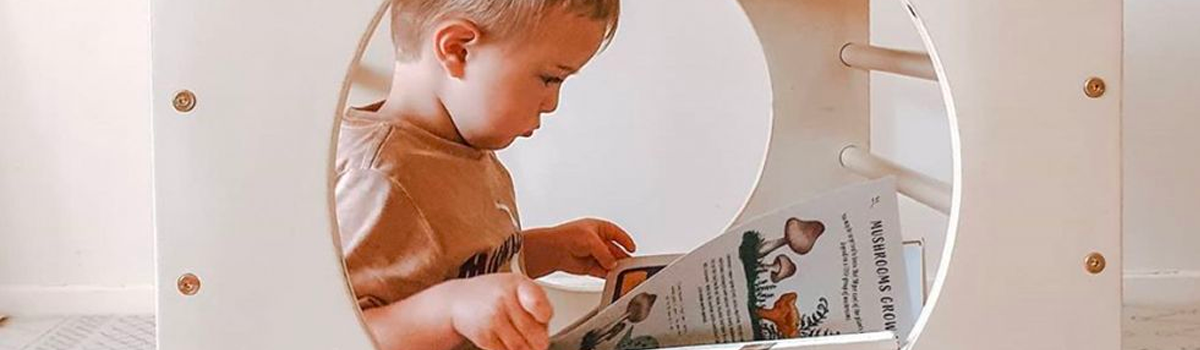
Writing is a complex skill that develops gradually over time. Before children can comfortably write letters, words and sentences, they first need opportunities to strengthen muscles, improve coordination and gain confidence using writing tools. Early writing activities provide valuable practice in a way that feels achievable, engaging and rewarding.

Whether your child is drawing their first shapes, learning to control a pencil or beginning to write their name, the right writing tools can help make the journey more enjoyable. By focusing on confidence, control and progression rather than perfection, children often develop stronger foundations that support future handwriting and literacy success.

Frequently asked questions
What makes premium writing resources different from worksheets and printables?

Premium writing resources are often designed to encourage hands-on interaction, repetition and independent exploration rather than simply completing a task once. While worksheets can have value, they are typically consumed quickly and may not provide the same level of engagement or durability as reusable writing tools.

High-quality writing resources often allow children to revisit activities repeatedly, practise at their own pace and build skills gradually over time. They are also more likely to support different stages of writing development, making them useful for longer periods.

Parents frequently find that reusable tracing boards, writing activities and hands-on resources encourage more meaningful engagement because children view them as activities rather than assignments. This shift in mindset often leads to stronger participation and more positive attitudes toward writing development.

Why is learning to write often harder than learning letter recognition?

Letter recognition primarily involves visual learning, while writing requires children to coordinate multiple physical and cognitive skills simultaneously. To write successfully, children must control movements, remember shapes, maintain focus and coordinate hand and eye movements at the same time.

Because of these additional demands, children often recognise letters long before they can write them confidently. This difference is completely normal and should not be viewed as a problem. Recognition and writing are related skills, but they develop along different timelines.

Early writing tools help bridge this gap by providing opportunities to practise movement and control without expecting immediate handwriting mastery. As confidence grows, writing becomes easier and more enjoyable.

How often should preschoolers practise writing activities?

Short, regular practice sessions are usually more effective than long periods of concentrated work. Many preschoolers benefit from a few minutes of writing readiness activities several times each week rather than lengthy sessions that lead to fatigue or frustration.

Young children are still developing the strength and endurance needed for writing tasks. Keeping activities enjoyable and manageable helps maintain interest while allowing skills to develop naturally over time. Parents should pay attention to signs of tiredness and stop before writing becomes stressful.

Writing development is built through consistency rather than intensity. Small opportunities to trace, draw, colour and experiment with writing tools often provide more lasting benefits than occasional structured lessons.

Are early writing activities suitable for children who struggle with fine motor skills?

Early writing activities can be particularly beneficial for children who find fine motor tasks challenging because they provide opportunities to practise movement, coordination and control in meaningful ways. However, activities should be carefully matched to the child's ability level to avoid unnecessary frustration.

Children who struggle with fine motor skills often benefit from larger tracing paths, thicker writing tools and activities that focus on simple movements before progressing to more detailed work. Success builds confidence, while overly difficult tasks can reduce motivation and engagement.

The purpose of early writing activities is not to produce perfect results. It is to help children gradually develop the skills needed for future writing while creating positive experiences around learning and participation.

Can writing readiness activities improve pencil grip naturally?

In many cases, yes. Writing readiness activities help strengthen the muscles used during writing and encourage children to spend more time manipulating pencils, crayons and markers. As children gain experience, they often develop more efficient and comfortable ways of holding writing tools without requiring constant correction.

Activities that involve tracing, drawing, colouring and controlled mark making provide valuable opportunities to practise grip, pressure control and movement. Over time, repeated exposure helps children refine their technique and develop greater confidence when using writing tools.

Parents should remember that pencil grip develops gradually. The goal is not achieving a perfect grip immediately but supporting comfortable, functional control that allows children to participate successfully in writing activities.

What should parents look for in a high-quality tracing board?

A high-quality tracing board should encourage smooth, controlled movement while remaining engaging and accessible for young children. The best tracing resources offer clear pathways, age-appropriate challenges and opportunities for repeated practice without becoming frustrating. Children should feel successful when using the board rather than overwhelmed.

Durability is also important because tracing activities are often repeated many times. Well-made tracing boards provide consistent opportunities for practice while supporting developing fine motor skills and hand-eye coordination. Materials should be safe, comfortable to use and designed to withstand regular handling.

Parents should also consider progression. Some tracing boards focus on simple lines and curves, while others introduce more complex patterns and pathways. Choosing a resource that matches a child's current ability helps maintain confidence and encourages continued engagement with writing readiness activities.

How do early writing tools help children prepare for school?

Many school activities require children to use pencils, crayons and markers with increasing control. Early writing tools help children develop the physical readiness needed for these tasks before they enter formal classroom environments. By practising pencil control, tracing, mark making and pattern formation, children build familiarity with the movements required for writing.

Writing readiness activities also help children develop concentration, persistence and confidence. Children learn that creating marks on paper requires practice and effort, while still experiencing success through age-appropriate activities. These positive experiences can reduce anxiety when more structured writing expectations are introduced at school.

Importantly, school readiness is not about teaching children to write perfectly before they start school. It is about helping them develop the confidence, coordination and willingness to engage with writing opportunities when they arise.

Why do some children resist writing activities even when they enjoy drawing?

Drawing and writing may appear similar, but they place different demands on developing skills. Drawing allows children greater freedom, while writing requires controlled movement, precision and repeated patterns. Some children enjoy creative drawing but become frustrated when writing activities introduce expectations they are not yet ready to manage.

Resistance can also occur when writing activities are too advanced for a child's current level of coordination. If a child struggles with hand strength, pencil control or visual tracking, writing may feel difficult rather than rewarding. In these situations, returning to simpler pre-writing activities often helps rebuild confidence.

Parents should focus on creating positive experiences rather than pushing outcomes. Activities that involve tracing paths, copying shapes, drawing patterns and experimenting with different writing tools can help children develop the skills needed for writing while maintaining enjoyment and motivation.

What's the difference between pre-writing activities and handwriting practice?

Pre-writing activities focus on developing the physical skills required for writing, while handwriting practice focuses on forming letters correctly. Before children can write letters comfortably, they need strength, coordination, pencil control and the ability to create purposeful marks. Pre-writing activities help build these foundations through tracing, drawing, line work, pattern creation and controlled movement exercises.

Handwriting practice typically begins once children have developed enough control to form letters intentionally. At this stage, the focus shifts toward creating recognisable shapes, forming letters correctly and developing consistency.

Many parents rush straight into handwriting because they see writing as the ultimate goal. However, children who spend time building strong pre-writing foundations often experience less frustration and greater confidence when formal handwriting begins. Pre-writing activities help make the transition to letter formation smoother and more enjoyable.

How can parents tell if their child is ready for early writing activities?

Many children show signs they are ready for early writing activities long before they can write letters or words. A child may begin drawing shapes intentionally, showing interest in colouring, tracing lines with their finger, attempting to copy symbols or asking to write their name. These behaviours often indicate that writing readiness skills are beginning to develop.

Parents should remember that readiness is not determined by age alone. Some children become interested in mark making at three years old, while others may not show strong interest until closer to school age. The most important factor is whether the child can engage with writing activities comfortably and confidently.

Early writing tools provide opportunities to practise control, coordination and hand strength without requiring formal handwriting. Activities such as tracing paths, drawing shapes and following simple patterns often create the foundations that support later writing success. When children enjoy these experiences and feel successful, they are usually ready to continue developing more advanced writing skills.