
Click & Collect or 24hr Dispatch*

Oral Motor Toys for Sensory Support, Chewing & Oral Exploration

Oral Motor Toy


Oral motor toys are designed for children who seek oral sensory input through chewing, mouthing or oral exploration during play, learning and everyday routines. These oral sensory tools can help support regulation, mouth awareness, focus and calmer sensory experiences while giving children a more appropriate outlet for oral sensory needs.


No products found

Oral sensory toys for children who chew clothing or pencils

Why families use oral motor toys

Some children naturally seek oral sensory input throughout the day by chewing clothing, pencils, fingers or other objects. Oral motor toys provide safer and more appropriate sensory outlets while supporting oral awareness, sensory regulation and calmer engagement during play, learning and everyday routines. Many families explore oral sensory toys for children needing additional sensory support, oral input or calming sensory tools.

Supports oral sensory regulation Designed for sensory seekers Calmer sensory support options Appropriate alternatives for chewing

Supports oral sensory needs safely


Oral motor toys give children more appropriate ways to explore oral sensory input rather than chewing unsafe household or classroom items.

Can support calmer regulation


Many children seek oral sensory input during stress, concentration or sensory overwhelm. Oral sensory tools can help support more regulated and calming sensory experiences.

Encourages sensory exploration


Different textures, resistances and shapes help children explore sensory feedback in ways that feel engaging without becoming overly chaotic or overstimulating.

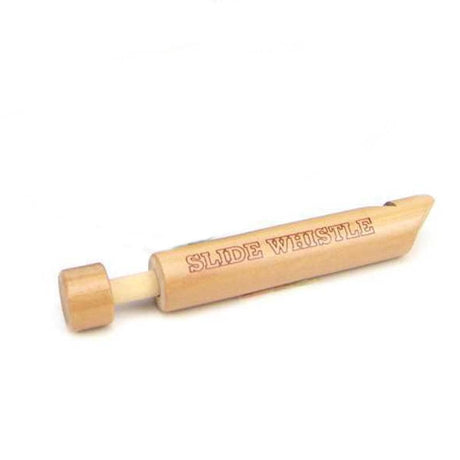
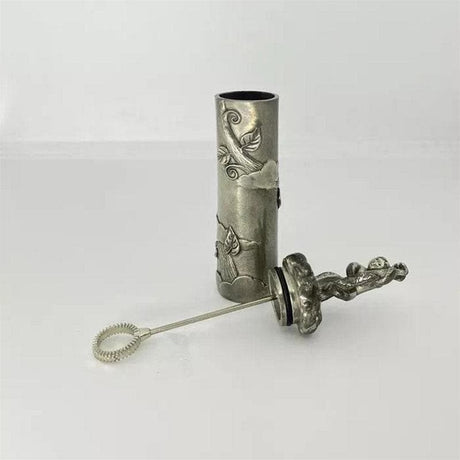
Wooden Slide Whistle

Oral sensory toys for children who chew clothing or pencils


Some children seek oral sensory input by chewing sleeves, collars, pencils or fingers throughout the day. Oral motor toys provide safer sensory alternatives that can help redirect chewing behaviours more appropriately.

Calming oral motor toys for sensory regulation


Children who seek oral sensory input during stressful, busy or overwhelming moments may benefit from calming oral sensory toys that support regulation while still feeling engaging and comforting.

Start here

Which oral motor toy should you choose?

The best oral sensory toy usually depends on how your child seeks oral input and when those sensory needs appear most often.

Choose lighter oral sensory tools if your child:

  • seeks occasional oral input prefers softer textures mainly chews during focus tasks is new to oral sensory supports
  • chews frequently or strongly seeks sensory input throughout the day damages clothing or pencils regularly prefers stronger sensory feedback
If your child mainly seeks oral sensory input during school or homework tasks, sensory pencil toppers may also be a helpful option to explore.

Why families trust My Happy Helpers for oral sensory support

Carefully selected oral sensory tools for different sensory preferences

Designed to support calmer sensory regulation and oral exploration

Thoughtful options for home, school and everyday routines

What to consider when choosing oral motor toys


Consider how often your child seeks oral sensory input, what textures they prefer and whether sensory needs mainly appear during learning, calming or transitions. Some children prefer softer sensory tools while others seek firmer resistance and stronger sensory feedback.

When another sensory support may work better

Children seeking mainly movement, tactile or fidget-based sensory input may respond better to broader sensory toys, movement toys or calming sensory supports rather than oral motor toys specifically.

Thoughtful oral sensory support for everyday regulation


Oral motor toys can help children feel more regulated, supported and comfortable throughout the day by providing safer and more appropriate oral sensory input. Whether your child seeks oral sensory feedback during play, learning or calming routines, these tools are designed to support sensory needs in a practical and thoughtful way.

Frequently asked questions
Can oral motor toys replace chewing unsafe objects?


Many families use oral sensory toys to help redirect chewing away from unsafe household objects, clothing, pencils or fingers by providing more suitable sensory alternatives.

How do I choose the best oral motor toy?

The best oral motor toy depends on your child’s sensory preferences, chewing habits and regulation needs. Some children prefer softer textures while others seek stronger resistance or more varied oral sensory feedback.

Are oral sensory toys good for ADHD?


Some children with ADHD benefit from oral sensory input during learning and focus tasks. Oral motor toys may help provide sensory feedback that supports concentration and engagement during everyday routines.

What is the difference between oral motor toys and chew necklaces?


Chew necklaces are wearable oral sensory supports designed for portable everyday use, while oral motor toys is a broader category that includes chew tools, oral sensory exploration toys and calming oral sensory supports.

Can oral motor toys help with calming?

Some children find oral sensory input calming during stressful, overwhelming or busy moments. Oral sensory toys can help support more regulated sensory experiences and calmer transitions throughout the day.

Why does my child chew clothing or pencils?

Children may chew clothing, pencils or fingers for sensory regulation, oral sensory seeking, concentration or comfort. Oral motor toys provide more appropriate sensory alternatives designed specifically for oral sensory input.

Are oral motor toys good for autism?

Many autistic children seek oral sensory input during learning, stress or sensory overwhelm. Oral motor toys can provide safer and more appropriate oral sensory support while helping children regulate sensory needs more comfortably.

What are oral motor toys used for?

Oral motor toys are designed to support oral sensory exploration, chewing needs, mouth awareness and sensory regulation. Many children use oral sensory toys to help manage sensory seeking behaviours, concentration or calming needs throughout the day.