Click & Collect or 24hr Dispatch*

The First Seat They Climb Into Themselves

Toddler Dining Chairs

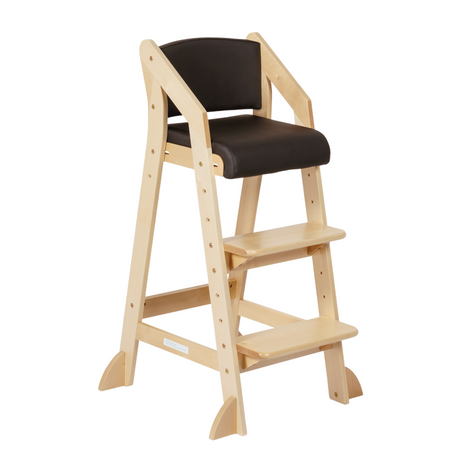
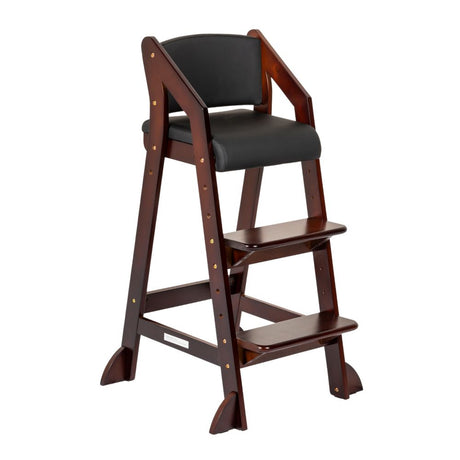
A toddler dining chair is usually the next step when a high chair stops working - and in our experience the move out of the high chair is about much more than a chair. Almost every conversation starts the same way: "my toddler suddenly hates their high chair." One week everything's fine; the next they're climbing out, refusing to sit, or insisting they sit where everyone else sits. That's not your child rejecting support - it's one of the biggest transitions of the early years, the moment they start wanting independence. A toddler dining chair gives them a seat they can climb into themselves and a real place at the family table.


Why Toddlers Want Out Of The High Chair

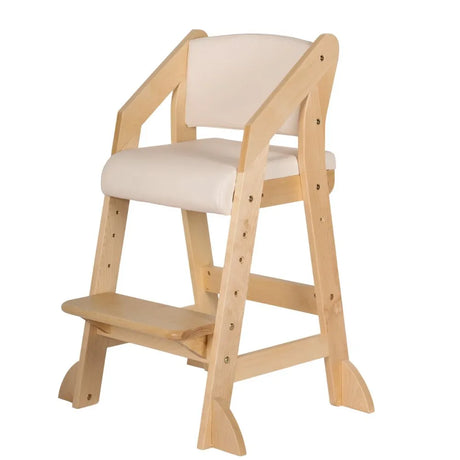
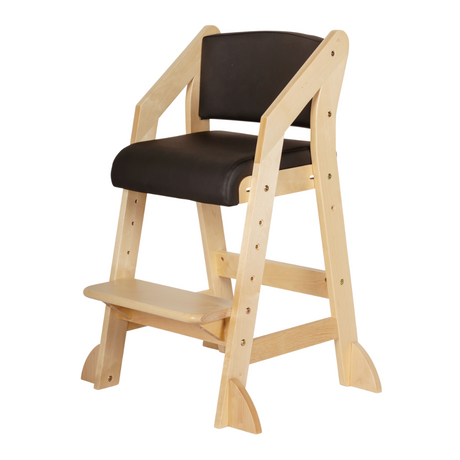
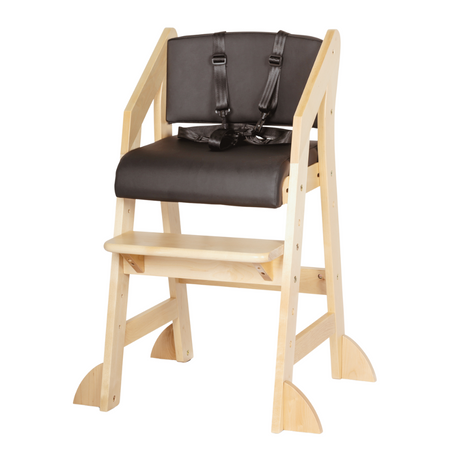
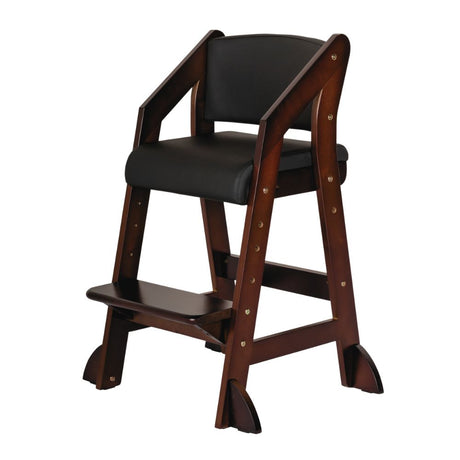
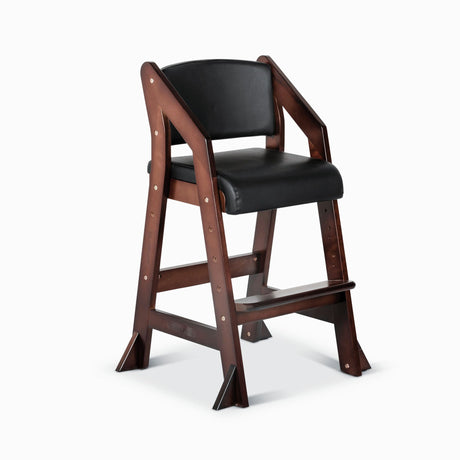
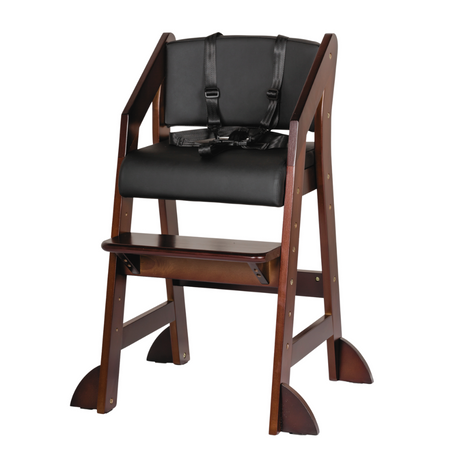
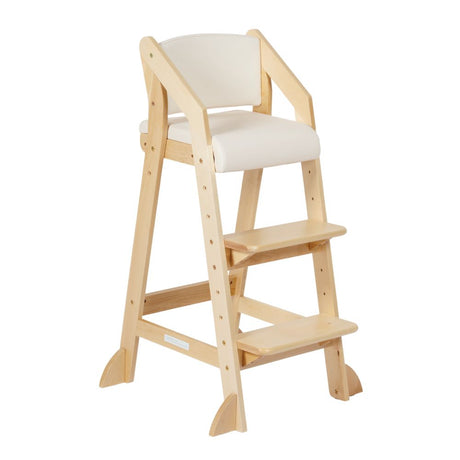
Wanting to leave the high chair is rarely about the chair - it usually arrives at the same time as "I'll do it," "I can climb," "my turn." Toddlers watch older siblings climb onto chairs and Mum and Dad pull out a seat and sit down, and naturally they want to do the same. A toddler dining chair lets them: they pull out the chair, climb up, sit down, and feel proud before dinner has even started. We stock timber toddler dining chairs built around that independence - sturdy enough for a child to climb into confidently without being lifted in every time, and sized so they sit comfortably at the family table. If you've been looking at a strap-on booster seat for the table, a toddler dining chair is the alternative many families find works better and lasts longer.

Climb In Themselves Solid Timber A Place At The Table Better Than A Booster

A Toddler Dining Chair Is About Independence, Not Eating

We notice the move to a toddler dining chair tends to arrive at the same time as a whole new vocabulary: "I'll do it," "I can climb," "my turn." Children start insisting on doing everything themselves, and sitting at the table is no different. They watch older brothers and sisters climb onto chairs, they watch Mum and Dad pull out a seat and sit down, and naturally they want to do exactly the same. Wanting to leave the high chair is rarely about the chair at all - it's another way toddlers practise becoming independent, and being lifted into a high chair starts to feel like being treated as the baby. A good toddler dining chair supports that instinct rather than fighting it: a seat low and steady enough that a child manages it on their own, so every meal begins with a small win rather than a battle over the high chair straps. Those small wins, repeated several times a day, are a surprisingly big part of why the right chair settles mealtimes down.

When Mealtimes Suddenly Become Hard Work

Parents often tell us mealtimes changed almost overnight. A child who happily sat in their high chair six months ago now wants to stand, climb, wriggle or swap seats every few minutes, and dinner becomes a negotiation. That's frustrating in the moment, and it makes a lot of parents quietly wonder whether they're doing something wrong. In our experience it's almost always the opposite - it's a sign your child is growing, not that anything has gone wrong. They're testing new skills, working out where they fit at the family table, and discovering they have opinions about where they sit and how they get there. All of that is completely normal, and it tends to peak right around the time the high chair starts feeling too much like the baby's seat. A toddler dining chair that lets them join the table on their own terms, climbing in and out themselves, often settles those battles - not by adding more rules, but by giving the independence they're actually asking for. It's a small shift that changes the whole mood of a meal.

The Right Toddler Chair Makes Independence Easier

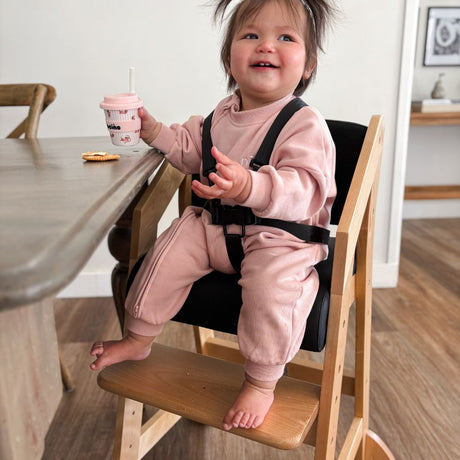
One thing we've learnt over the years is that toddlers love being able to climb into their own chair. It might only save you a few seconds each meal, but to a child it's a genuine achievement: they pull out the chair, they climb up, they sit down, and they're proud of themselves before dinner has even started. Those little moments of independence happen over and over, several times a day, every day - and they add up to a child who feels they belong at the table rather than one who's placed there. That's why we like a toddler dining chair a child can use confidently without an adult lifting them in every single time. A chair that's stable and the right height turns climbing in from something risky into something they're allowed to be proud of, and it quietly takes one more lift-and-strap job off a busy parent's plate at every meal.

A Toddler Dining Chair That Grows With Your Child

It's easy to buy a toddler dining chair for the stage you're in today; we think it's far more helpful to picture where your child will be in another year. Will they still fit comfortably? Will their feet still be supported? Will they still enjoy sitting at the table with the family? A chair that adjusts as children grow almost always gets used much longer than parents originally expected. And it isn't only used for meals: a toddler dining chair gets pulled up to the table for breakfast, morning tea, lunch, afternoon tea and dinner, and then for drawing, play dough, baking and craft in between. It's genuinely one of the hardest-working pieces of furniture in the house, in use many times a day. Buying for the child you'll have in a year, rather than only the one in front of you today, is what turns a dining chair from a short-lived purchase into one that earns its place well into the early school years.

Why Stability Matters In A Toddler Dining Chair

Toddlers aren't gentle with furniture. They climb onto chairs sideways, they lean back, they use the footrest to push themselves in and out, and they wriggle, bounce and fidget their way through dinner. That's exactly what we'd expect, and it's why stability is one of the most important things to look for in a toddler dining chair. A good one should feel solid every single time your child climbs into it. Parents rarely notice great stability - they absolutely notice poor stability, the wobble that makes both of you nervous. This is also where a sturdy timber toddler dining chair has a real edge over a lightweight strap-on booster seat: a booster sits on top of an adult chair and can shift, tip or slide under a wriggling toddler, while a proper dining chair stays planted on the floor. If you've been weighing up a booster seat for the dining table, this is the practical difference - one is an add-on balanced on another chair, the other is a chair built from the ground up for a child to use.

Why Families Choose Our Toddler Dining Chairs

Sturdy Enough To Climb Into Alone

Solid Timber, Steady Every Time

A Real Seat At The Family Table

What To Look For In A Toddler Dining Chair

A few things separate a toddler dining chair a child loves from one that causes daily battles. Stability comes first - toddlers climb, lean and push against a chair constantly, so it needs to feel solid every time, which is where solid timber beats a lightweight strap-on booster seat that shifts on the adult chair beneath it. Comfort and fit are next: a chair that's too high leaves little feet dangling, too low makes the table hard to reach, so look for the right height and supported feet. Independence matters too - a toddler dining chair low and steady enough for a child to climb into themselves turns mealtimes from a lift-in battle into a small daily win. And longevity: a chair that adjusts as your child grows keeps being used for meals, drawing and craft long after the toddler stage.

The One Thing We'd Never Compromise On

If we could give one piece of advice about a toddler dining chair, it's to make sure your child can sit comfortably at the table - a chair that's too high leaves little feet dangling, too low makes it hard to reach the table. When children feel secure and supported, mealtimes are far more enjoyable for everyone. It's a detail that doesn't seem exciting when you're shopping and one you'll appreciate every single day afterwards. We don't really think a toddler dining chair is another piece of baby equipment; it's one of the first pieces of children's furniture that helps a child feel they genuinely belong at the family table - climbing into their own seat, joining the conversation, feeling like one of the big kids. That's the milestone parents remember long after the high chair is packed away.

A Toddler Dining Chair They'll Climb Into With Pride
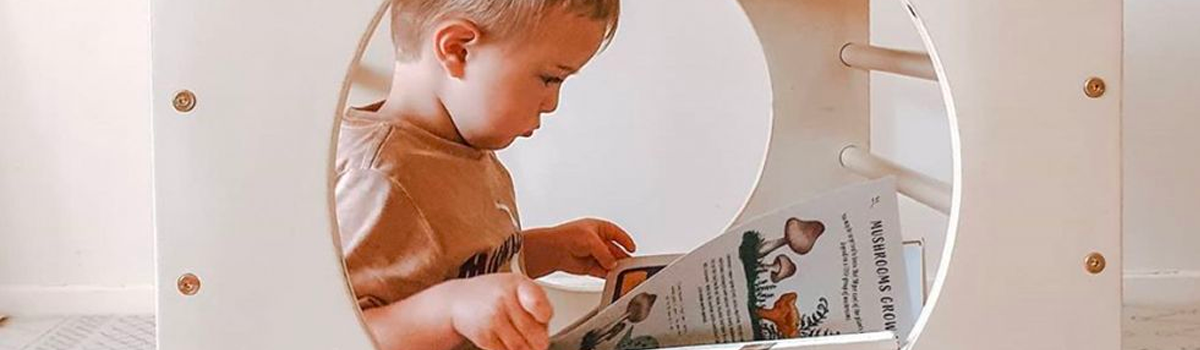
A toddler dining chair marks a lovely milestone: your child is no longer waiting to be lifted into a high chair - they're climbing into their own seat at the family table, joining the conversation and feeling like one of the big kids. Choose a sturdy timber chair the right height for your table, steady enough to climb into alone, with feet supported and room to grow, and it becomes a seat they're proud of for years rather than another piece of baby equipment outgrown in a season. It's a better, longer-lasting alternative to a strap-on booster, and it earns its place at every meal and every bit of drawing, baking and craft in between. Explore the range above, see our high chairs for the stage before, or our tables and chairs to complete the set.

Frequently asked questions
Can a toddler dining chair be used for more than meals?

Yes, and that's part of the value. The same chair that's used for breakfast, every snack, lunch and dinner also becomes the seat for drawing, play dough, baking and craft. A sturdy, well-sized toddler dining chair earns its place at the table all day, which is why we'd encourage choosing one built to last rather than a single-purpose feeding accessory that's outgrown quickly.

How do I stop my toddler climbing out of their chair?

Often the answer is giving them a chair they're meant to climb into. Much of the climbing and wriggling is a bid for independence - the high chair feels like the baby's seat, and they want to do what the big kids do. A toddler dining chair they can climb into and out of themselves channels that instead of fighting it, which tends to reduce the standing and escaping. Pair it with the right height and supported feet so they're comfortable enough to stay.

What age is a toddler dining chair for?

Toddler dining chairs suit children from around the time they want out of the high chair through the early childhood years. Choose one that adjusts or is sized so feet stay supported as they grow, and it keeps being used far longer than parents expect - well past toddlerhood, for meals and then for all the drawing, baking and craft that happens at the table. Picture your child a year from now when you choose, not just today.

Are timber toddler dining chairs worth it?

A toddler dining chair gets used many times a day - breakfast, every snack, lunch, dinner, then drawing, play dough and craft. We've found quality timber handles years of that family life remarkably well, and the little marks that appear over time tell the story of a chair that's been loved rather than one ready to replace. A solid timber chair is also steadier under a climbing, leaning toddler than a lightweight alternative, which is why we prefer it.

Why is my toddler suddenly fighting mealtimes?

It often feels like it changed overnight - a child who happily sat six months ago now wants to stand, climb, wriggle and swap seats. In our experience that's usually growth, not anything going wrong: they're testing new skills and working out where they fit at the table, and discovering they have opinions about where they sit. A toddler dining chair that lets them join the table on their own terms, climbing in themselves, often settles those battles by giving the independence they're asking for.

What height should a toddler dining chair be?

The right height is the one where your child's feet are supported and they can reach the table comfortably - too high leaves little feet dangling, too low makes the table hard to reach. Comfort is the thing we'd never compromise on, because a secure, supported child stays at the table and mealtimes are easier for everyone. Look for a chair sized to your table, ideally one that adjusts as your child grows so it keeps fitting.

Is a toddler dining chair better than a booster seat?

For most families at the table, yes. A strap-on booster seat sits on an adult chair and can shift under a wriggling toddler, while a sturdy timber toddler dining chair stays solid every time your child climbs in. A dining chair is also a proper seat a child climbs into themselves - supporting the independence they're after - and it lasts well beyond the booster stage. If you've been searching for a booster seat for the dining table, a toddler dining chair is the alternative many parents find works better and longer.

When should a toddler move from a high chair to a dining chair?

There's no fixed age - the sign is usually behaviour, not a birthday. When a toddler starts climbing out of the high chair, refusing to sit, or insisting on sitting where everyone else does, they're ready for a toddler dining chair. It's rarely about the chair itself; it's about wanting the independence to climb into their own seat like the big kids. Most families make the move somewhere in the toddler years when that independence kicks in.