Click & Collect or 24hr Dispatch*


Choosing the Right Kids Table

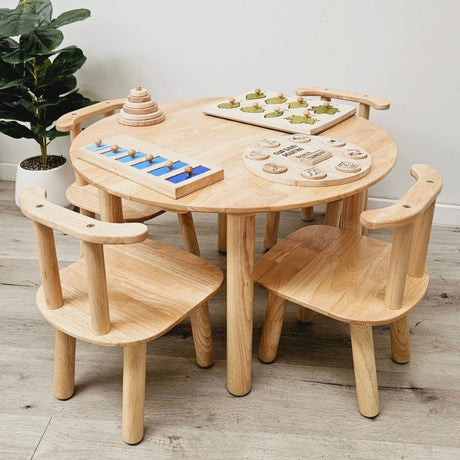
Most families start looking for a kids table once everyday activities begin taking over the dining table, kitchen bench or living-room floor — drawing supplies, craft materials, puzzles and toys all need somewhere to live. A table scaled to your child solves that, giving them a surface at the right height where they can sit comfortably and get absorbed, rather than perching at adult furniture. The height is what matters most: a child should sit with feet flat and forearms resting easily on the tabletop.

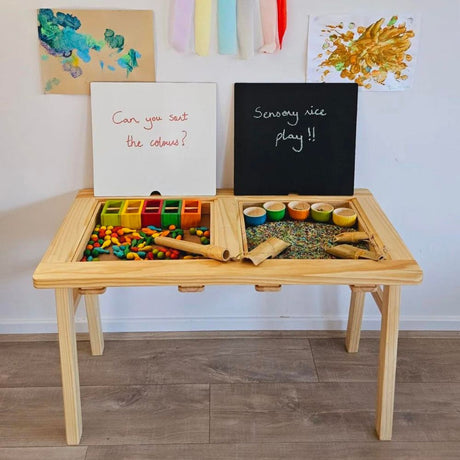
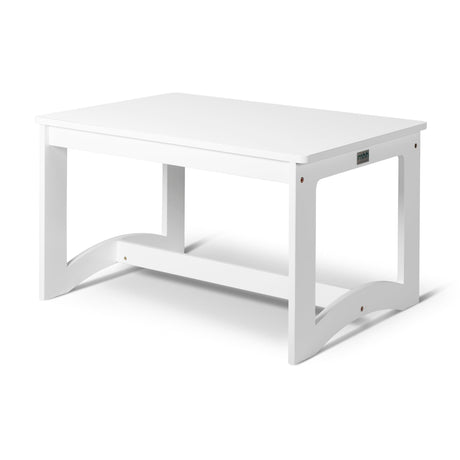
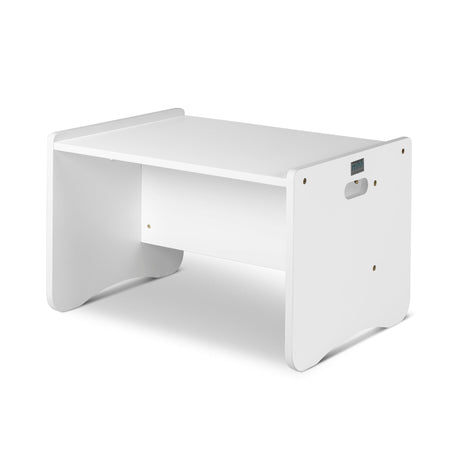
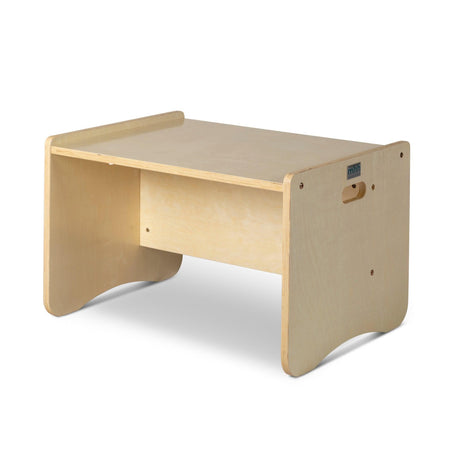
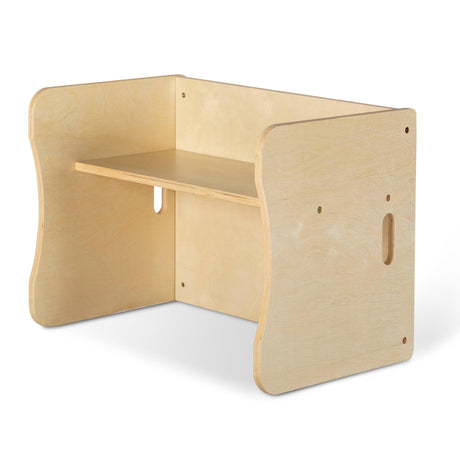
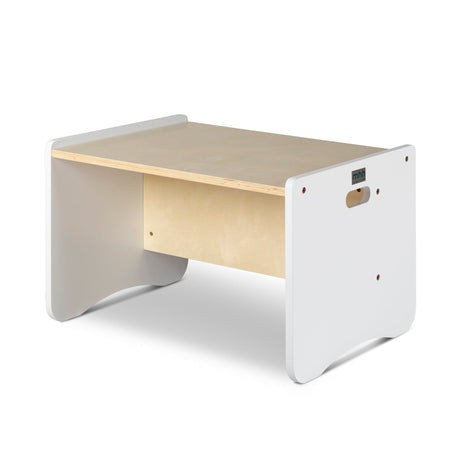
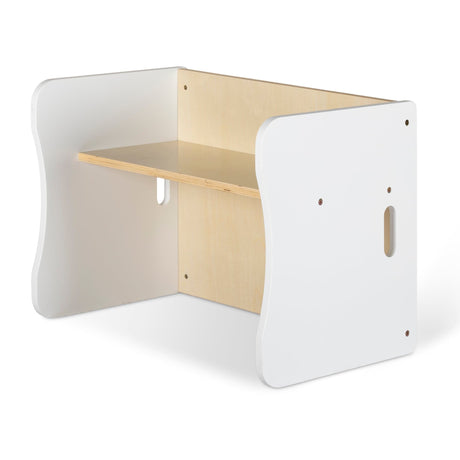
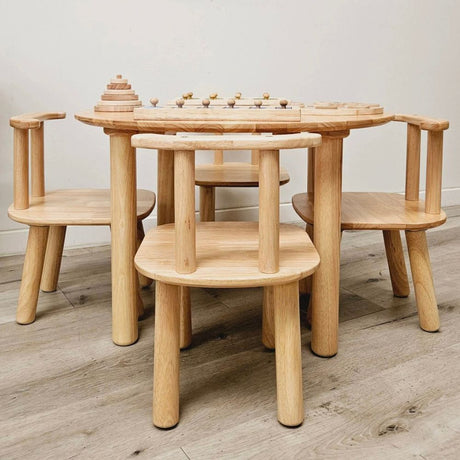
From there it's about how it'll be used. A plain wooden kids table is endlessly flexible for drawing, building and meals; an activity table often adds features like built-in storage to keep supplies tidy and within reach. We stock a number of kids tables with storage for exactly that reason — it's one of the most common things families ask for. If you need seating too, pair a table with kids chairs or choose a matched table and chair set. Our sizing guide helps you get the height right.

Wooden Kids Tables Activity Tables Tables with Storage Sized for Little Ones

Kids Tables for Drawing, Crafts and Everyday Play

The reason a kids table earns its place is how much gets done at it. It becomes the home for the activities that would otherwise spread across the house — colouring and drawing, craft and playdough, puzzles and building, snacks and quiet focused play. Having a dedicated surface at the right height means a child can sit down and start without help, and because it's theirs, they're far more likely to settle in and stay with an activity. That sense of a space of their own is a big part of what makes a kids table so well used.

An activity table takes that further for younger children, often combining a play surface with features that suit toddler play — and many include built-in storage so paper, pens and craft bits stay close and tidy rather than scattered. For drawing and craft specifically, a wipeable, sturdy surface that can take a bit of mess matters; for building and small-world play, a generous flat top is ideal. Whatever the use, a wooden table stands up to the daily wear that children put furniture through.

Kids Tables with Storage: Keeping Supplies Close

One of the most practical things you can choose in a kids table is built-in storage. A table with a drawer, shelf or compartments keeps the things a child reaches for — paper, pencils, craft supplies, a current puzzle — within arm's reach and off the floor, which makes independent play far easier to sustain. When everything has a place at the table itself, a child can get started and pack away themselves, and the space stays usable rather than becoming a dumping ground.

We stock a number of wooden kids tables with storage for this reason, because it's one of the features families ask about most. Storage tables suit craft- and drawing-heavy households especially well, where supplies otherwise migrate across the home. If keeping the wider space organised is the goal, it's worth pairing a storage table with low, child-height shelving from our playroom furniture range so everything has a home your child can manage themselves.

Helps Keep Family Spaces Organised


One of the biggest reasons parents invest in a kids activity table is practicality. Creating a dedicated zone for creative play helps contain materials, reduce clutter and make daily transitions easier. Instead of activities spreading throughout the home, children have a space that naturally supports the way they like to learn, build and create.

Activity Tables For Crafts, Drawing & Creative Projects

Many children naturally return to activities that allow them to create something of their own. Whether it's drawing, colouring, painting, cutting, sticking or building, creative projects often require more space and organisation than parents initially expect. A dedicated activity table for crafts provides children with a place where projects can remain set up, materials stay accessible and ideas can develop over time.

This is particularly valuable for children who enjoy revisiting unfinished work. Rather than constantly packing activities away or moving between rooms, a dedicated workspace encourages deeper engagement and allows children to return to projects independently. Families looking for an activity table for drawing or creative play often find that children spend longer periods immersed in activities simply because the environment feels easier to use and more inviting.

How Activity Tables Help Children Engage In Independent Play

One of the biggest challenges parents face is creating opportunities for independent play that don't require constant setup and supervision. Children are far more likely to engage independently when activities are visible, accessible and connected to a familiar space within the home.

A dedicated play and learning table helps establish this routine. Whether children are completing puzzles, building with blocks, exploring sensory materials or working on simple learning activities, having a dedicated area creates a sense of purpose and ownership. Many families searching for an activity table for independent play discover that the table itself becomes a cue for engagement, helping children transition more easily into focused, self-directed activities throughout the day.

Choosing The Right Activity Table

Which Type Of Activity Space Suits Your Family Best?

The best activity table depends less on your child's age and more on how the space will be used. Some families need a dedicated area for crafts and creative projects, while others are looking for a practical place for learning activities, sensory play or everyday independent play. Understanding your child's habits and your family's routines will usually make the right choice obvious.

An Activity Table May Be Right For You If

Your child regularly enjoys drawing, crafts or creative projects
Activities often take over the dining table or kitchen bench
You want a dedicated space for puzzles, construction toys or sensory play
Your child enjoys returning to activities throughout the day
Organisation and storage are important considerations
You want a flexible space that supports multiple activities

You May Want To Explore Other Options If

You primarily need seating rather than a dedicated workspace
You are looking for a simple children's table for meals and general use
You need a complete table and chair solution
Your child rarely engages in table-based activities
Space is extremely limited
You are furnishing a formal study or desk area
For many families, an activity table becomes one of the most frequently used pieces of furniture in the home. It creates a dedicated place where creativity, learning, sensory exploration and independent play can happen naturally every day.

Why Families Choose Our Wooden Kids Tables

Wooden kids tables & activity tables — sized at the right height for little ones

Some with built-in storage to keep craft supplies close and tidy

Sturdy enough for daily drawing, craft, building and meals

Free metro shipping & Afterpay — dispatched from Melbourne, NDIS registered

What Size Kids Table Does My Child Need?

The right size kids table is one where your child can sit with feet flat on the floor and forearms resting comfortably on the tabletop — that's the position that lets them settle and stay focused. Table height is the key measurement, and it works hand in hand with chair height: aim for roughly 20-30cm between the seat and the underside of the tabletop so there's room for legs and a comfortable arm position. A table that's too tall has a child reaching up awkwardly; too low and they're hunched over.

Because children grow, choosing a table sized for now with a little room to grow gives the most years of use, and many kids tables suit a wide age range as a result. If you're buying a table and chairs separately, get the pair working together using our sizing guide. And since tables get climbed on and leaned against daily, stability and safety matter too — look for a steady base, sound construction and a child-safe finish.

When A Standard Kids Table May Be A Better Fit

Not every family needs a dedicated activity table. If you're primarily looking for a simple surface for meals, occasional colouring or general everyday use, a standard kids table may be all that's required. Similarly, families seeking a complete furniture solution may find a kids table and chair set better suited to their needs.

Activity tables are most valuable when children regularly engage in creative, educational or sensory-based activities that benefit from having a dedicated workspace. They are particularly useful for families who want to create a defined area for projects, materials and independent play.

The goal isn't simply to buy another table. It's to create a space that genuinely supports the way your child likes to learn, build, create and explore. If those activities already form part of your family's daily routine, an activity table often becomes one of the most heavily used pieces of furniture in the home.

Kids Tables Built for the Way Children Play
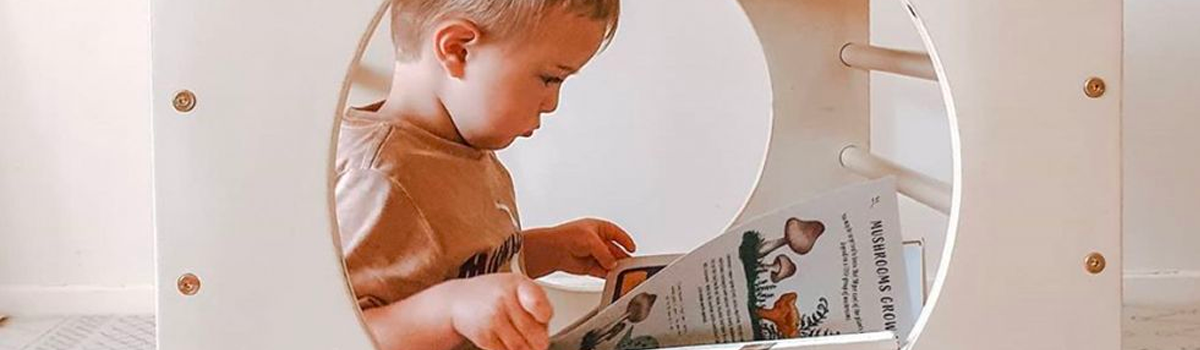
The best kids table is the one that fits your child and your home — the right height to sit comfortably, sturdy enough for years of drawing and play, and ideally with storage to keep supplies close. Get those right and a wooden table becomes one of the most-used pieces in the house.

Browse the wooden kids tables and activity tables above, add kids chairs or choose a table and chair set, or explore the full tables and chairs range. Setting up a whole space? See our playroom furniture and the complete kids furniture collection.

Frequently asked questions
Should I buy a table on its own or with chairs?

It depends on what you already have. A table on its own is ideal if you have seating that works, or want to choose chairs separately. If you're setting up from scratch, a matched table and chair set, or a table plus the chairs you like, makes more sense. Our broader tables and chairs range walks through choosing between a set and separates so you can decide what suits your space.

Are wooden kids tables sturdy enough for daily use?

Yes — it's why we stock wooden tables. Wood is sturdy and stable, standing up to the daily drawing, building, leaning and the occasional climb that children put a table through, and it lasts far longer than lighter alternatives. A good wooden kids table stays steady in use and takes years of wear. As with all children's furniture, look for a steady base, sound construction and a child-safe finish.

What age is a kids table for?

Most wooden kids tables suit children from toddlerhood — around 18 months to 2 years, when they start sitting independently to draw and play — through the preschool and early school years. Sizing matters more than a strict age: the right height for your child's current size is what counts, and many tables suit a wide age range. A sensibly sized table, paired with chairs you can swap as they grow, gives years of use.

Do you have kids tables with storage?

Yes — we stock a number of wooden kids tables and activity tables with built-in storage, because it's one of the features families ask about most. A drawer, shelf or compartments keep paper, pencils and craft supplies within reach and off the floor, which makes independent play much easier to sustain and helps children pack away themselves. Storage tables suit craft- and drawing-heavy households especially well.

What's the difference between a kids table and an activity table?

They overlap, but the emphasis differs. A plain kids table is a flexible surface for drawing, craft, meals and play. An activity table is usually aimed at younger children and often adds features — most commonly built-in storage to keep supplies tidy, and sometimes play elements. If you mainly want a versatile surface, a kids table is ideal; if you want storage and toddler-focused features, look at activity tables. Both are in this range.

What size kids table does my child need?

Choose a table where your child sits with feet flat on the floor and forearms resting comfortably on top — table height is the key measurement, working together with chair height. Aim for about 20-30cm between the seat and the underside of the tabletop. Too tall and they reach up awkwardly; too low and they hunch. Because children grow, pick a size that fits now with a little room to grow. Our sizing guide gives heights by age.