
Click & Collect or 24hr Dispatch*

15% Off Sitewide & Clearance*

EOFY15
Creating Bedroom Spaces That Support Independence, Comfort And Everyday Routines

Bedroom Furniture

A child's bedroom is more than a place to sleep. It is often the first space they truly call their own. The furniture within that space can influence how children develop independence, manage routines, access their belongings and feel comfortable within their environment. This page helps parents understand the different bedroom furniture pathways so they can create spaces that support confidence, ownership and everyday family life.

Start here

The most important decision is not which furniture piece to buy first. It is understanding whether your child needs greater independence around sleep, easier access to their belongings or support with everyday bedroom routines.

Thoughtfully designed bedroom spaces often help children feel more capable, comfortable and confident as they grow.

View as

Children Often Thrive In Spaces Designed Around Their Needs

As children grow, their bedroom becomes more than a place for rest. It becomes a space where they begin developing routines, making choices and taking ownership of their environment. Furniture that aligns with a child's size, abilities and stage of development can help create opportunities for independence while making everyday tasks feel more accessible. Whether the goal is supporting bedtime routines, helping children manage their belongings or creating a sense of ownership over their space, bedroom furniture plays an important role in how children interact with their environment each day.

Growing Independence Everyday Routines Comfort & Confidence Ownership Of Space
Bedrooms Are Only One Part Of The Environment

Creating Organised Spaces Beyond The Bedroom

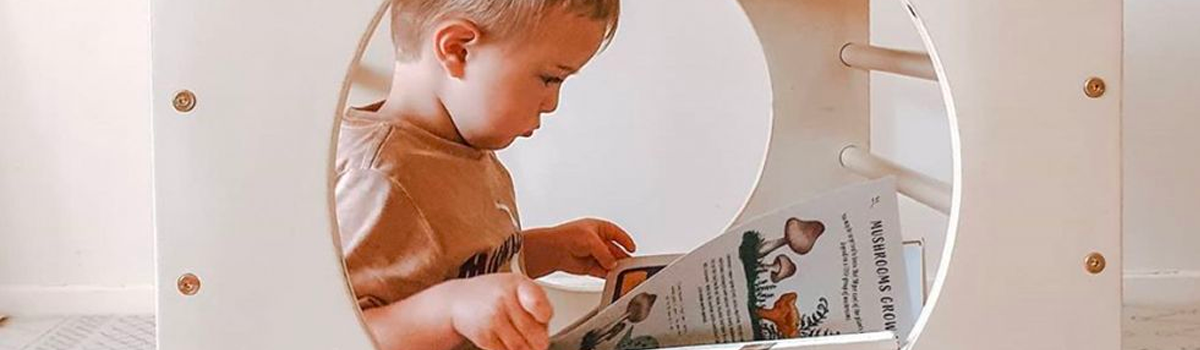
Many families who focus on bedroom independence also begin thinking about how children access books, toys and activities throughout the rest of the home. Organised play spaces can help extend that same sense of ownership and responsibility into everyday play.

Small Changes Can Encourage Growing Independence

Creating a supportive bedroom is not about filling a room with furniture. Often the most meaningful changes come from helping children access their environment more confidently and participate in everyday routines with less assistance. By focusing on your child's stage, abilities and needs, you can create a bedroom that feels comfortable, welcoming and supportive as they continue to grow.

Frequently asked questions

Questions parents often ask

Does a child's bedroom affect sleep and daily routines?

A child's bedroom can influence how they experience sleep, transitions and everyday routines. While furniture alone does not determine behaviour, the environment can either support or hinder a child's ability to participate comfortably in daily activities.

Bedrooms that feel organised, accessible and predictable often make routines easier to follow. Children may find it easier to prepare for bed, access belongings and participate in age-appropriate responsibilities when the environment supports those activities. Small improvements to accessibility and organisation can sometimes reduce frustration while helping routines feel more manageable.

The goal is not creating a perfectly styled room. It is creating a space that feels calm, functional and aligned with the child's stage of development. Bedrooms often serve multiple purposes throughout childhood, from sleep and dressing routines through to reading, quiet time and personal reflection.

When children feel comfortable within their environment, they are often better positioned to develop confidence, ownership and positive habits around everyday routines.

How do I create a Montessori-inspired bedroom?

A Montessori-inspired bedroom focuses on accessibility, independence and respect for the child's abilities. Rather than designing a room purely from an adult perspective, the environment is arranged so children can interact with it confidently and independently.

This often means considering how children access their belongings, navigate the room and participate in daily routines. Clothing, books and personal items may be arranged in ways that allow children to make choices and take responsibility for their environment. Furniture is typically selected with accessibility and practicality in mind rather than purely decorative considerations.

A Montessori-inspired bedroom does not need to follow a specific aesthetic or contain particular products. The underlying philosophy is more important than the appearance. The focus is on creating a space that supports independence while remaining calm, functional and easy for children to understand.

The most successful environments often encourage children to participate naturally in daily routines while developing confidence through meaningful, age-appropriate responsibility.

When should children start accessing their own clothes?

There is no universal age at which children should begin managing their own clothing. The right timing often depends on a child's developmental stage, confidence and interest in participating in daily routines.

Many children begin showing signs of readiness during the toddler and preschool years. They may want to choose their own outfits, help with dressing or take greater ownership of personal belongings. Creating accessible systems can support these emerging interests by making clothing easier to see, reach and manage independently.

The process does not need to be all or nothing. Some families start by making a small selection of clothing available, while others gradually increase access as their child demonstrates readiness and responsibility. The goal is not perfection. Children will often need guidance and support while learning these skills.

Providing opportunities for participation can help children build confidence while developing practical life skills. Over time, simple routines around clothing and personal belongings can become valuable opportunities for independence and responsibility.

How can bedroom furniture encourage independence?

Children often develop independence through everyday experiences rather than formal teaching. Bedroom furniture can support this process by helping children access their environment more easily and participate in routines without relying heavily on adults.

When furniture is designed around a child's size and abilities, tasks such as getting dressed, accessing personal belongings, preparing for bed and managing daily routines often become more achievable. These small moments of participation can gradually build confidence as children begin taking greater ownership of their environment.

Independence does not happen overnight. Instead, it develops through repeated opportunities to make choices, solve simple problems and complete everyday tasks. Bedroom furniture can help create these opportunities by removing unnecessary barriers and making the environment feel more accessible.

The goal is not for children to do everything alone. It is to help them feel capable and involved in the routines that shape daily life. Thoughtfully designed bedroom spaces can play an important role in supporting this journey.

What furniture does a child's bedroom actually need?

Many parents feel pressure to create a perfectly styled bedroom, but most children need far less than social media or design trends might suggest. The most important bedroom furniture is often the furniture that supports a child's daily routines, independence and sense of ownership over their space.

Rather than focusing on filling a room, it can be helpful to think about how children use their bedroom throughout the day. They may need a comfortable sleep environment, access to their belongings and simple furniture that supports age-appropriate independence. As children grow, their bedroom often becomes a place where they begin making choices, managing routines and developing responsibility for their environment.

The right furniture will vary between families and stages of development. Some children benefit from greater access to clothing, while others may be transitioning into more independent sleep arrangements or beginning to establish personal routines. The goal is not creating a perfect bedroom. It is creating a space that feels comfortable, functional and supportive of your child's growing confidence and capabilities.