Click & Collect or 24hr Dispatch*


What Parents Are Really Buying in Magnetic Blocks

After reading dozens of reviews, the real reason parents choose magnetic blocks becomes clear — and it isn't "magnets are cool." It's closer to "maybe this is the construction toy that won't end in tears." Traditional blocks fall; brick systems need strength and patience; magnetic blocks let a child succeed earlier, so the toy stops fighting them. One parent called them "blocks that finally do what my son imagined," and that emotional outcome comes up again and again. The magnets don't remove the challenge — they remove the unnecessary frustration, so a child can build taller, wider, stranger and more ambitious things than they could yesterday.

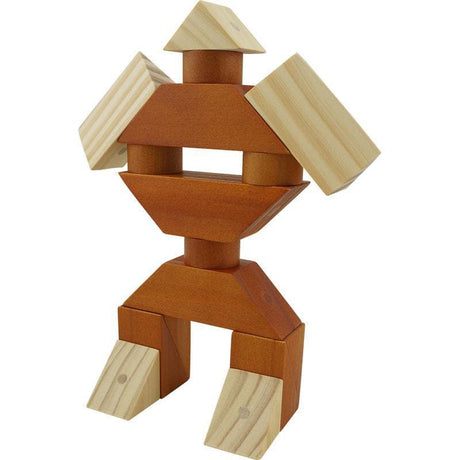
That's also what makes magnetic blocks different from magnetic tiles. Tiles naturally become buildings and environments; magnetic blocks (and magnetic cubes) naturally become things — dogs, dinosaurs, spaceships, trucks, robots, monsters. Children stop stacking and start inventing, modelling objects rather than spaces. As one parent put it, "he wasn't stacking anymore, he was inventing." If your child thinks in objects rather than cities, asks "what can this become?" more than "what should I build?", and would rather improve a creation than rebuild it, magnetic blocks tend to be the set that finally clicks.

Magnetic Blocks Magnetic Cubes Build Objects, Not Just Towers Low-Risk Experimenting

Magnetic Blocks That Build What Children Couldn't Yesterday

The clearest pattern parents describe is a child who loved building but kept getting defeated when towers collapsed. Magnetic blocks change that overnight: suddenly the child can build taller, wider, stranger and more ambitious things, because the magnets act like an extra pair of hands holding it all together. Crucially, this doesn't make building mindless — the magnets remove the unnecessary frustration, not the thinking. The challenge simply shifts from "how do I keep this from falling?" to "what do I actually want to make?", which is a far more creative question.

That shift shows up as bigger ideas. Children stop building towers and start building robots, animals, dragons, rockets, vehicles, machines and monsters — magnetic cubes naturally encourage sculptural thinking in a way flat blocks don't. And because changing something is so easy (remove a cube, add another, turn it, flip it), nothing feels permanent, so children experiment constantly: "what happens if…?" They become willing to try genuinely ridiculous ideas precisely because failure isn't expensive — if it falls apart, they add another block and try again. That low-risk freedom is where the real creativity lives.

Why Magnetic Blocks Build Objects, While Tiles Build Spaces

This is the distinction worth understanding before you choose. Magnetic tiles are flat and naturally become buildings, rooms and environments — spaces a child builds and plays around. Magnetic blocks and cubes are solid, and naturally become objects: dogs, dinosaurs, spaceships, trucks, robots, people, monsters. A child with tiles tends to build a castle; a child with magnetic blocks tends to build the dragon that lives in it. They're modelling things rather than places, which is a different kind of imagination — and it's why families who own both describe using them for completely different play rather than one replacing the other.

Magnetic blocks also nudge children toward functional, mechanical thinking. Where wooden blocks build "a house," magnetic blocks tend to become "something that does…" — machines, vehicles, robots, mechanical creatures. There's a lovely "one more cube" effect, too: because adding pieces feels safe, builds evolve gradually rather than being torn down and restarted, so a child continuously improves the same creation. Many children also start grouping by colour — the red robot, the blue truck, the green dinosaur — so colour becomes part of each object's identity rather than just decoration.

The Magnetic Blocks That Bridge Toddler Toys and Real Construction

One of the strongest themes from parents is that magnetic blocks sit in a genuinely valuable middle ground — complicated enough to stay interesting, simple enough to avoid frustration. They're often the toy between early toddler blocks and more advanced construction systems: the set that keeps a child building through the stage where collapsing towers might otherwise have put them off entirely. That bridging quality is a big part of why parents describe them becoming a long-term favourite rather than a novelty.

They also travel far better than parents expect. Because the pieces stay together, a car doesn't instantly fall apart and an animal survives the trip, so children keep modifying the same build in cafés, airports and waiting rooms rather than starting from scratch each time. And the independence is real: children who used to ask "can you hold this?" every thirty seconds simply build, because the magnets are the extra hands. Parents repeatedly describe the relief of no longer being needed every half-minute — and the quiet pride of watching a child bring an idea to life entirely on their own.

Start here

Choosing the Right Magnetic Blocks

Strong magnets and plenty of basic cubes matter more than novelty pieces — children invent the complicated parts themselves.

Magnetic blocks are the right choice if:

Your child gets frustrated when towers collapse
They think in objects — creatures, vehicles, machines
They'd rather improve a build than rebuild it

Consider magnetic tiles instead if:

Your child loves building rooms, houses and environments
They play around their builds more than with them
You want flat-panel building rather than solid cubes
Look for strong internal magnets, plenty of basic cubes, a few extra shapes, and robust construction from a reputable brand — that's what turns magnetic blocks from a novelty into a long-term favourite.

Why Families Choose Our Magnetic Blocks

Chosen for strong, securely enclosed magnets — so ideas hold together

Reputable brands built to meet Australian safety standards

Plenty of basic cubes + varied shapes — invent objects, not just towers

Dispatched from Melbourne — NDIS registered provider

What Makes a Great Magnetic Block Set?

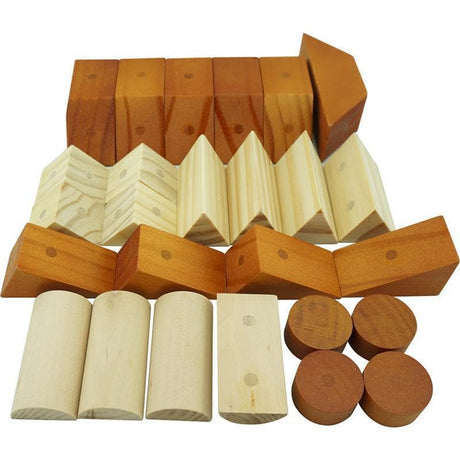
Parents are remarkably consistent on this. Strong internal magnets come first — weak magnets completely change the experience, because ideas collapse, children get frustrated, and creativity simply stops. Strong magnets don't make the toy easier; they make ideas possible. Next, plenty of basic cubes rather than novelty pieces: families repeatedly say children invent the complicated parts themselves, so a generous supply of simple cubes beats a handful of special shapes every time. A few extra shapes do help, though — rectangles, triangular prisms and cylinders dramatically expand what a child can invent.

High-quality construction matters more here than with almost any other toy, because of magnet safety. Parents buying magnetic blocks are increasingly aware of the importance of securely enclosed magnets, robust build quality and reputable brands — and several recalls of poorly manufactured magnetic toys have made this something families actively check. We treat all of this as our selection criteria, so the sets we stock are chosen for strong magnets, solid construction and brands made to meet Australian safety standards. As always, follow the age guidance and supervise younger children at play.

The 'Yes You Can' Construction Toy

Here's the insight we think hardly any retailer talks about. Different construction toys ask children different questions. Wooden blocks ask "can you balance this?" A marble run asks "can you improve this?" Magnetic blocks ask something quieter and more powerful: "what's in your head that you've never quite been able to build before?" They're the "yes you can" construction toy — the one that says a child's ambitious idea is achievable right now, not in two years when their fine motor skills catch up.

That's why we don't really think magnetic blocks compete with magnetic tiles — they compete with the gap between what a child can imagine and what their hands can currently build. Parents aren't impressed by the magnets; they're moved by watching their child's ideas suddenly become achievable. It's a genuinely different emotional purchase from tiles, and it's the reason families recommend magnetic blocks so passionately. For the full picture of the category, our magnetic building range brings tiles, blocks and Connetix together.

Magnetic Blocks: When Imagination Catches Up With Little Hands
Parents aren't really buying magnets. They're buying the moment their child's imagination finally catches up with their construction skills — the moment "I can't make this" becomes "I almost made it," and then simply "look what I made." That's the quiet magic of magnetic blocks, and it's a very different thing from any other building toy.

Explore the magnetic blocks and cubes above, and see how they sit alongside magnetic tiles, Connetix and the rest of our magnetic building range. For solid, world-building play, our wooden blocks make a lovely companion to magnetic ones.

Frequently asked questions
Why do children continue using magnetic blocks as they get older?

Many toys become less engaging once children have mastered the activity. Magnetic blocks remain relevant because the challenge continues evolving. As children's skills develop, they naturally begin creating larger structures, testing more complex ideas and exploring increasingly ambitious construction projects. This ability to grow alongside the child is one reason magnetic building blocks remain a favourite construction toy in many homes.

Should I choose magnetic blocks or magnetic tiles?

Both support open-ended construction play, but they create different building experiences. Magnetic blocks often appeal to children who enjoy stacking, balancing and three-dimensional construction. Magnetic tiles are often chosen for larger architectural structures, geometric designs and magnetic ball runs. The best choice depends on how your child enjoys building and creating.

Do magnetic blocks travel well?

Surprisingly well, and parents love them for it. Because the pieces stay magnetically connected, builds don't instantly fall apart — a car or an animal survives being carried, so children keep modifying the same creation in cafés, airports and waiting rooms instead of starting over. They're one of the better construction toys for travel and out-and-about play, though as always, keep an eye on small or strong-magnet pieces with younger children.

What makes a great magnetic block set?

Three things consistently. Strong internal magnets first — weak magnets cause builds to collapse and stop creativity, while strong ones make ambitious ideas possible. Plenty of basic cubes rather than novelty pieces, because children invent the complicated parts themselves. And a few extra shapes (rectangles, triangular prisms, cylinders) to expand what's buildable. On top of that, robust construction from a reputable brand is essential for magnet safety. These are exactly the criteria we use when choosing the magnetic blocks we stock.

Will my child outgrow magnetic blocks?

Most parents say no. Rather than being outgrown, the builds simply become more detailed and sophisticated — young children stack and connect, older children design objects, machines and creatures, and the complexity grows naturally with their skills. Because nothing feels permanent (a cube is easy to add, remove or turn), children keep improving and reinventing their creations, which is a big part of why magnetic blocks tend to stay in regular play for years rather than becoming a novelty.

Are magnetic blocks 'cheating' compared to regular blocks?

No — the challenge simply shifts rather than disappears. Instead of struggling to keep pieces from falling, children think more about design, shape, balance and creativity. The magnets remove the unnecessary frustration (collapsing towers) but not the thinking; in fact, because experimenting feels low-risk, children often attempt more ambitious and creative builds than they would with traditional blocks. They're a wonderful complement to wooden blocks, not a shortcut around them.

Are magnetic blocks safe? What about magnet safety?

Magnet safety is a genuine and important consideration, which is why we treat it as a key selection criterion. Loose magnets are a serious hazard — swallowing more than one can cause real internal injury — and there have been recalls of poorly made magnetic toys, so build quality and brand matter. We choose magnetic blocks with securely enclosed magnets and robust construction from reputable brands made to meet Australian safety standards. That said, no set replaces supervision: always follow the age guidance, supervise younger children, and keep strong-magnet sets away from babies and toddlers.

What age are magnetic blocks for?

Magnetic blocks suit a wide range and tend to grow with the child rather than being outgrown — young children stack and connect simple shapes, while older children design detailed objects and machines. Because magnet safety is important, always follow the recommended age on each set and supervise younger children: sets with small or strong magnets are not suitable for babies and toddlers who put things in their mouths. Check each product page for its specific age guidance.

What's the difference between magnetic blocks and magnetic tiles?

It's the difference between objects and spaces. Magnetic tiles are flat and naturally become buildings, rooms and environments — children build and play around them. Magnetic blocks and cubes are solid and naturally become things — dogs, dinosaurs, spaceships, robots, vehicles, monsters. A child with tiles builds the castle; a child with magnetic blocks builds the dragon. Many families own both, because they encourage genuinely different kinds of imagination and play rather than one replacing the other.

What are magnetic blocks?

Magnetic blocks are solid building cubes (and other shapes) with magnets inside, so pieces snap together and hold. Unlike traditional blocks that topple, magnetic blocks are forgiving — they let children build taller, wider and more ambitious things without the whole creation collapsing. The magnets act like an extra pair of hands, so a child can focus on their idea rather than on keeping it standing. They're sometimes called magnetic cubes or magnetic building blocks, and they're especially loved by children who think in objects rather than buildings.