
Click & Collect or 24hr Dispatch*

Solid Wood Book Shelves Built To Last

Kids Bookshelves & Bookcases

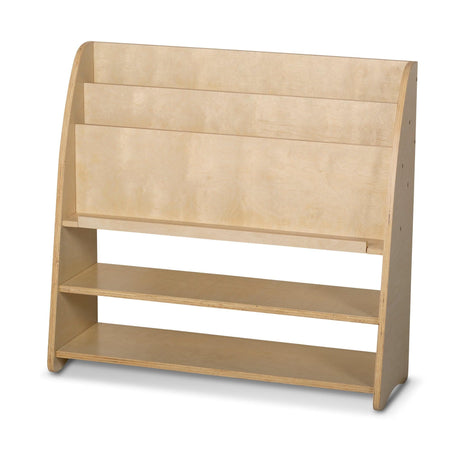
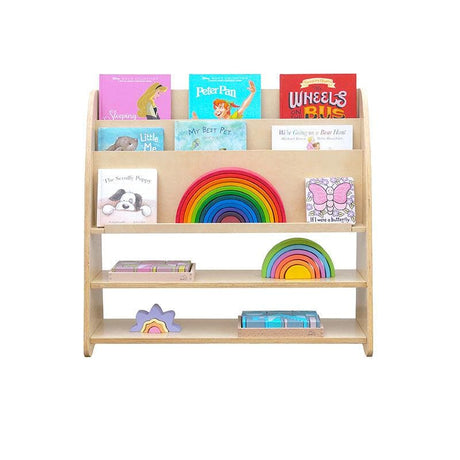
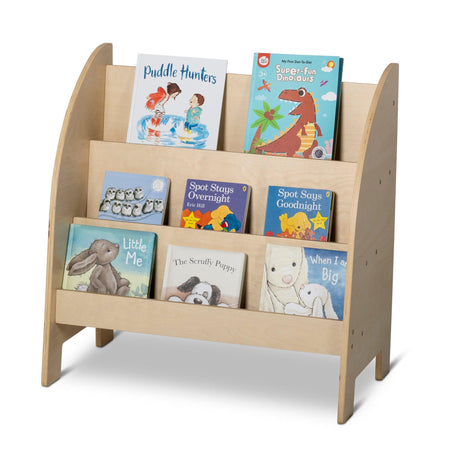
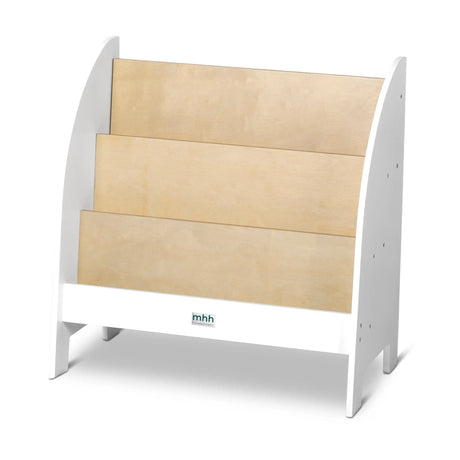
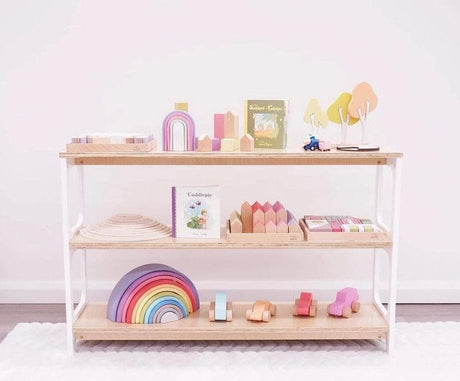
A kids bookshelf is the piece most families reach for once books have taken over every other surface - the coffee table, the bedside, under the couch, the shopping bags still waiting to be unpacked. It might sound strange from someone who sells them, but in our experience parents don't really buy a kids bookshelf because they need somewhere to put books. They buy one because they're tired of seeing books everywhere else. Our children's bookshelves are solid wood and built to last, the kind of bookshelf you buy once rather than replace as your child grows.


Kids Bookshelves, Book Shelves & Children's Bookcases

A good kids bookshelf does more than hold books - it gives a room back its floor and its calm. Children's books have a habit of multiplying, and at some point almost every family reaches the same conclusion: we need a proper book shelf. What they're really after isn't storage, it's the room feeling organised again. The families we hear back from rarely talk about the bookshelf itself afterwards; they talk about the room. "It finally feels organised." "It doesn't look cluttered anymore." "We've actually got floor space again." Our range of kids bookshelves, book shelves and children's bookcases is built around that - solid wood shelves sized for small hands, steady enough to lean on, and made to still look good after thousands of books have been pulled in and out. If you'd like to compare styles first, our guide to the best kids bookshelves walks through the options.

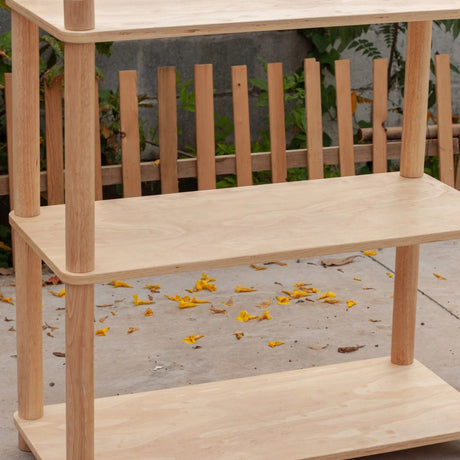
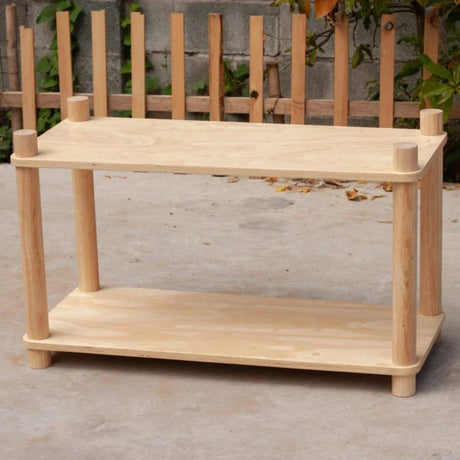
Solid Timber & Wood Sized For Small Hands Steady, No Wobble Buy Once, Not Twice

Why A Quality Kids Bookshelf Is Worth It

A question we're often asked is why a children's bookshelf can cost a few hundred dollars when cheaper options exist. It's a fair question, and in our experience the answer comes down to how long you expect the bookshelf to last. Some families just need a kids bookshelf for the next year or two, and that's completely okay. Others want a piece of furniture that will still be in their child's room when picture books have given way to chapter books - a very different purchase. A quality kids bookshelf isn't about storing books today; it's about buying something you won't feel the need to replace. Sometimes spending a little more at the start means buying once instead of buying twice, and for many families that's what makes the biggest difference.

A Kids Bookshelf Becomes Part Of The Room

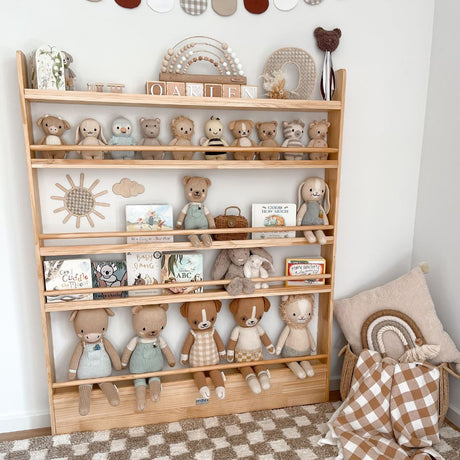
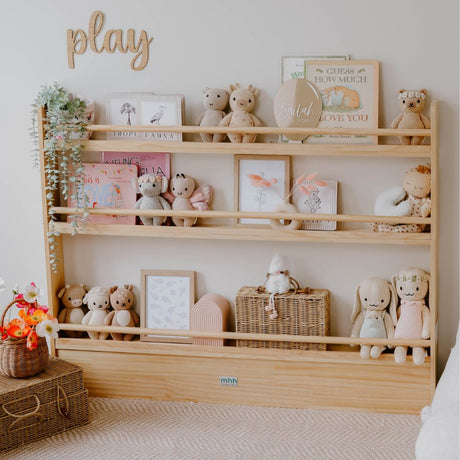
A well-designed kids bookshelf has a way of making a whole room feel calmer - not because anyone suddenly became more organised, but because everything finally has somewhere to belong. It's also why we encourage families to think of a children's bookshelf as furniture rather than simply storage. A bookshelf starts with books, then a favourite soft toy appears, a little lamp, a family photo, a treasure picked up on a walk, a craft project that absolutely cannot be thrown away. Children naturally make a bookshelf their own, and a solid wood one becomes part of their space for years rather than a temporary fix that gets swapped out.

The Kids Bookshelf Details Families Notice Later

Two kids bookshelves can look almost identical in a photo - living with them is where the differences show up. Do the shelves flex when they're full of heavy picture books? Can little hands reach everything comfortably? Does the bookshelf wobble when a toddler leans against it? Will it still look good after thousands of books have been pulled in and out? These are the things families rarely think about on the day they buy a kids bookshelf, and exactly the things they notice every day afterwards. We build our bookshelves around those details, in solid wood rather than particle board, because they're what separate a bookshelf you keep from one you replace.

Shop by need

A Kids Bookshelf That Grows With Your Child

The kids bookshelf worth buying is the one you'll still love in five years. Children outgrow toys; they rarely outgrow books. In our experience, families almost never tell us they bought a bookshelf that was too good - they tell us they wish they'd bought one a little bigger, a little sturdier, or one they didn't feel the need to replace so quickly. A solid wood children's bookshelf carries a child from board books on the bottom shelf through to chapter books years later, which is why we'd always nudge families toward buying for the room their child is growing into rather than only the one they're in now.

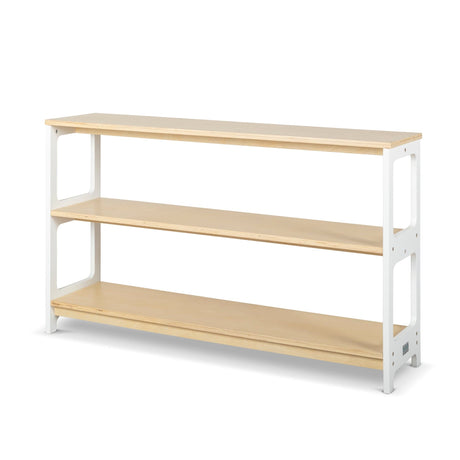
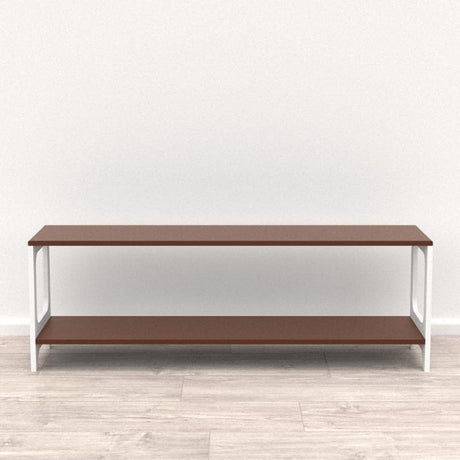
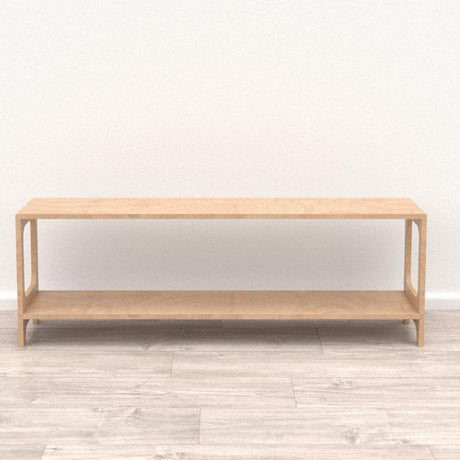
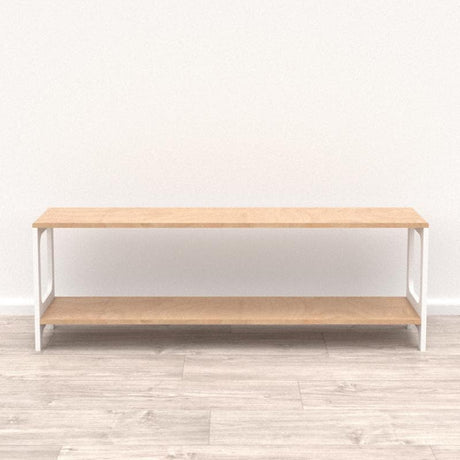
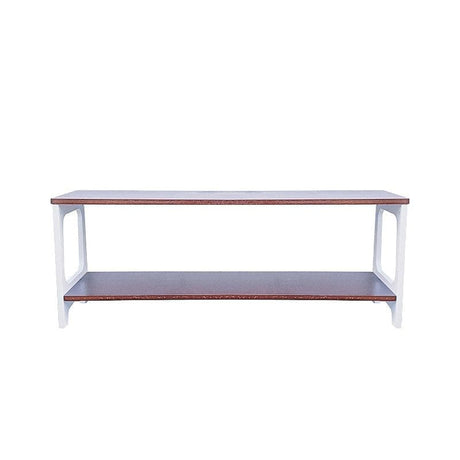
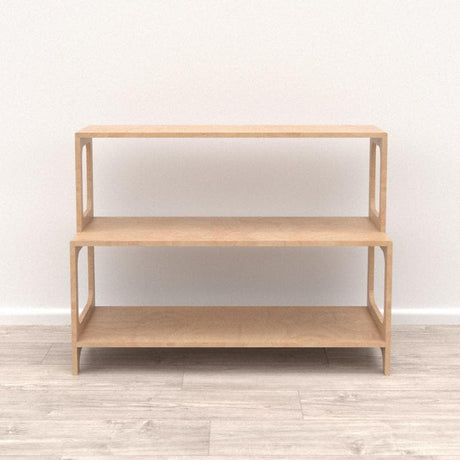
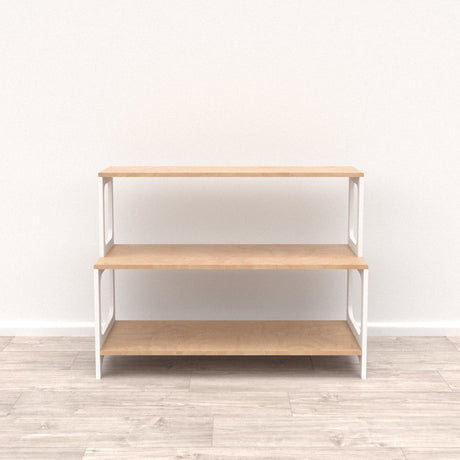
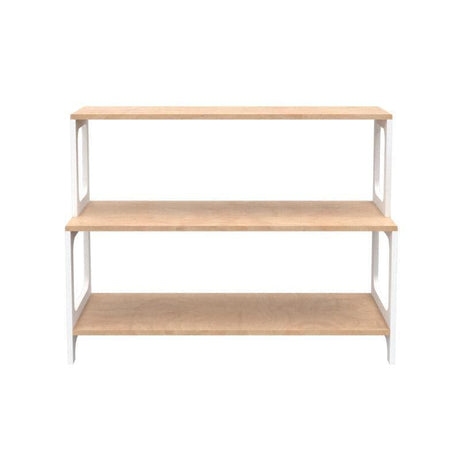
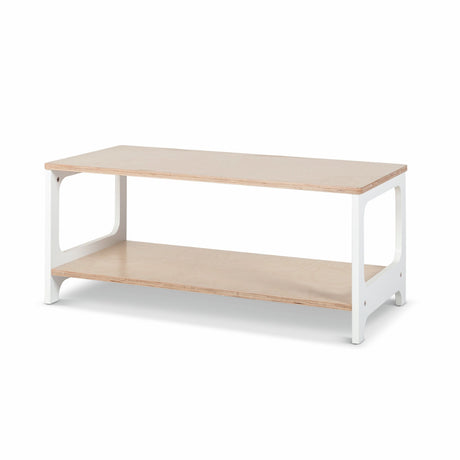
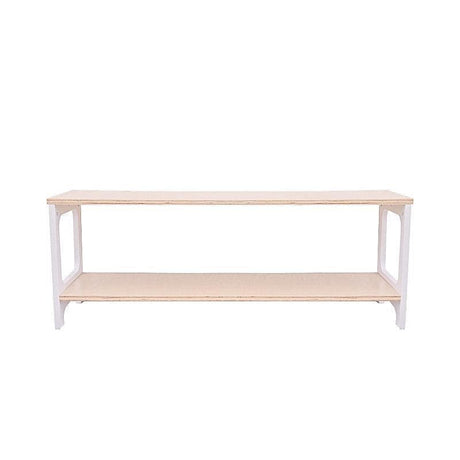
Aspire Slimline Two-Tier Bookshelf - White and Varnish

Slimline, Low Or With Drawers: Choosing The Right Book Shelf

The right kids book shelf depends less on age than on where it will live. A slimline children's bookshelf suits a bedroom or a narrow wall, where floor space is tight; a low-lying bookshelf works in a playroom where a child sits on the floor to choose, with everything within reach. If you want to keep some clutter out of sight, a kids bookshelf with drawers gives you closed storage underneath the open shelves. Whatever the shape, look for a timber book shelf low enough that a child reaches the everyday shelves themselves, and steady enough that it won't tip when leaned on. Solid wooden shelves that don't flex under a row of heavy picture books are the quiet difference between a bookshelf that lasts and one that sags within a year.

Find The Right Bookshelf

Which Kids Bookshelf Should You Choose?

The best kids bookshelf depends on the room and how long you want it to last. Here's the quick way to decide.

Choose A Slimline Or Bedroom Bookshelf If:

You're fitting a bedroom or a narrow wall
The collection is moderate and growing
You want a tidy, upright footprint
It needs to suit the room as it changes

Choose A Larger Or Playroom Bookshelf If:

You have a bigger, growing collection
It lives in a playroom or shared space
You want lower shelves a child reaches from the floor
You'd rather buy once and not replace it
Whatever the shape, buy for strength and reach over piece count - solid shelves that won't flex, and a height a child can actually use. A kids bookshelf you buy once beats two you replace.

Why Families Choose Our Kids Bookshelves

Solid Timber, Built To Last Years

Shelves That Won't Flex Or Wobble

Slimline, Low & With-Drawers Options

What To Look For In A Kids Bookshelf

When you're choosing a kids book shelf, the things that matter most are the ones hardest to see in a listing. Shelf strength comes first - children's picture books are surprisingly heavy in a row, and a cheap bookshelf flexes or sags under them within months, where a solid timber book shelf holds firm. Stability is next: a bookshelf gets leaned on, climbed near and loaded unevenly, so a steady base that won't wobble matters more than looks. Reach matters too - a low-lying children's bookshelf sized so little hands can get to the everyday shelves is one a child uses on their own. And finally, finish and build: a solid wooden kids bookshelf still looks good after thousands of books have been pulled in and out, where particle board chips and tires. Whether you choose slimline, low, or a bookshelf with drawers, these details decide whether you buy once or twice.

The One Thing We'd Recommend About A Kids Bookshelf

If we could give one piece of advice about buying a kids bookshelf, it's this: buy the one you hope you'll still love in five years. It's tempting to treat a children's bookshelf as a quick fix for the books piling up, but the families happiest with their choice are the ones who bought it as furniture - a solid wood piece that earns its place in the room for years. We almost never hear that someone bought a kids bookshelf that was too good; we hear the opposite, that they wish they'd bought one a little bigger or sturdier the first time. Children outgrow toys, but they rarely outgrow books, and a good bookshelf is one of the few pieces in a child's room that keeps being useful as everything else gets replaced.

A Kids Bookshelf You Buy Once

A kids bookshelf earns its place by doing two things at once: giving a growing book collection a home, and giving the room back its floor and its calm. Choose a children's bookshelf in solid wood, sized so your child can reach it and steady enough to lean on, and you buy a piece you won't need to replace as picture books turn into chapter books. Explore the range above, and if you'd like to weigh up styles, our guide to the best kids bookshelves compares front-facing, rotating and traditional shelves.

Frequently asked questions
Can a nursery bookshelf still be useful once children start school?

Can a nursery bookshelf still be useful once children start school?

What size bookshelf is best for a small child's bedroom?

The best bookshelf for a small child's bedroom is not always the largest one. In many cases, a smaller bookshelf creates a more inviting and manageable reading environment while preserving valuable floor space for play, movement and other furniture.

A compact bookshelf works particularly well when positioned beside a bed, reading chair or quiet corner. Rather than displaying dozens of books at once, a smaller shelf encourages thoughtful book rotations, making it easier for children to engage with the stories currently available. Many families find that fewer visible choices can actually lead to greater interest and deeper engagement with books.

When choosing a bookshelf for a smaller bedroom, consider both accessibility and room layout. Lower shelves allow little ones to reach books independently, while a narrower footprint helps maintain open space throughout the room. A small bookshelf can also grow with a child over time, transitioning from board books and picture books to early readers and chapter books as interests evolve.

Are bookshelves with storage better for playrooms?

For many families, bookshelves with storage offer one of the most practical solutions for busy playrooms because they help organise multiple types of items in one space. Rather than dedicating separate furniture to books, puzzles, toys, craft supplies and learning resources, a bookshelf with storage allows everything to remain accessible while reducing visual clutter.

Playrooms often contain a mixture of activities that change as children grow. Open shelves can display books and favourite learning materials, while lower storage compartments can hold toys, building blocks or creative resources. This makes it easier for little ones to independently choose activities and return them when finished.

Bookshelves with storage are also useful for families who rotate toys and books throughout the year. Rather than having everything on display at once, parents can create a calmer environment while still keeping favourite items within reach. The result is often a more organised play space that supports independent exploration without feeling overcrowded or overwhelming.

What is the difference between a kids bookshelf and a children's bookcase?

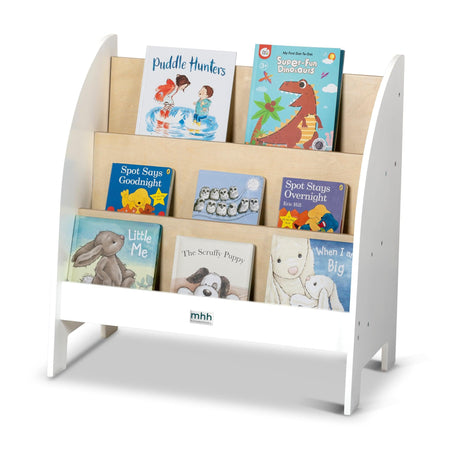
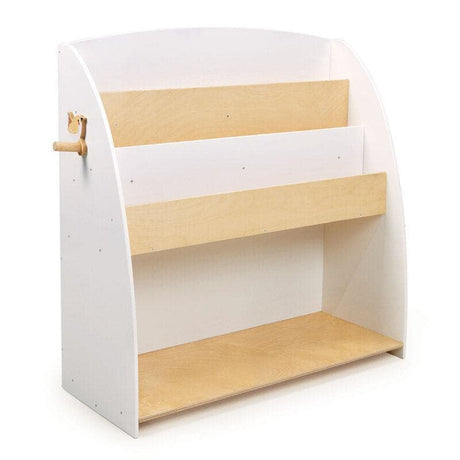
Many parents use the terms kids bookshelf and children's bookcase interchangeably, but there are a few practical differences. A kids bookshelf is often designed to display books with covers facing forward, making it easier for younger children to see and choose books independently. This style is particularly popular for toddlers and preschool-aged little ones who cannot yet read book spines but can recognise favourite stories by their covers.

A children's bookcase typically offers greater storage capacity and may include multiple shelves, cubbies or additional storage areas. Bookcases are often better suited to growing collections that include chapter books, activity books, school readers and reference books.

The best choice depends on how your family uses books. For encouraging independent reading and easy access, a front-facing bookshelf is often ideal. For families managing larger collections or looking for long-term book storage, a children's bookcase can provide greater flexibility. Many parents eventually combine both, using a bookshelf for favourite current reads and a bookcase for the broader collection.

Montessori, rotating or traditional kids bookshelf - which is right?

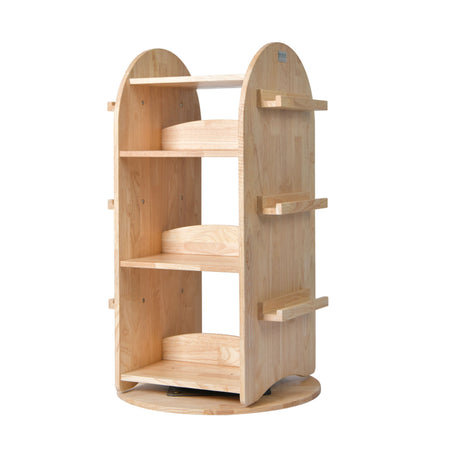
Each suits a different need. A traditional kids bookshelf is the all-rounder, best when you want a lasting piece of furniture and room to grow. A front-facing Montessori shelf displays covers for independent choosing, ideal for younger children. A rotating bookshelf saves floor space in small rooms. Many families start with a quality traditional bookshelf and add another style as their needs change.

Should I buy a bigger kids bookshelf than I need now?

In our experience, yes - within reason. Children's book collections grow steadily, and families far more often wish they'd bought a slightly bigger or sturdier kids bookshelf than the other way around. Buying a little ahead of what you need now usually means you won't be replacing the bookshelf in a year or two.

What is the difference between a book cabinet and a kids bookshelf?

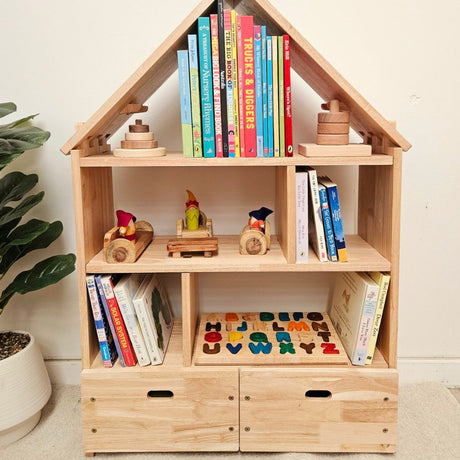
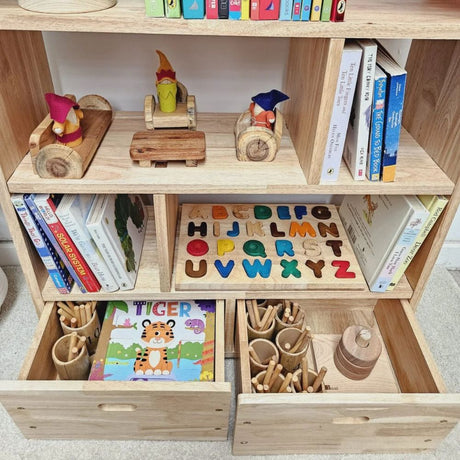
A book cabinet is a kids bookshelf with doors or drawers, giving you closed storage to keep clutter out of sight. A small book cabinet with drawers suits a bedroom where you want books and odds and ends tucked away, while an open kids bookshelf keeps everything on show. Both store books; the cabinet just adds a way to hide some of it.

How do I stop a kids bookshelf from wobbling?

A quality kids bookshelf shouldn't wobble in the first place - a wide, steady base and solid construction do most of the work. For any tall children's bookshelf, anchoring it to the wall is the safest choice in a child's room, since children climb and lean. Choosing a lower, sturdy bookshelf also reduces tipping risk while keeping everything within a child's reach.

Are your kids bookshelves solid wood?

Yes. Our kids bookshelves and children's bookcases are solid wood rather than particle board. Solid timber shelves don't flex under a row of heavy picture books, don't chip with daily use, and keep a bookshelf steady when a child leans on it - which is what lets it last from the nursery years into early primary and beyond.

What should I look for in a nursery bookshelf?

For a nursery, look for a low, sturdy children's bookshelf that's safe near a crawling or cruising baby - no sharp corners, a steady base that won't tip, and shelves at a height you and your child can both reach. A solid wood nursery bookshelf also lasts well beyond the baby years, growing into a kids bookshelf as your child moves to picture and chapter books.

What size kids bookshelf do I need?

It depends on the room more than the age. A slimline children's bookshelf suits a bedroom or narrow wall; a lower, wider kids bookshelf works in a playroom where a child sits on the floor. Whatever the shape, choose one low enough that a child reaches the everyday shelves themselves, and buy a little bigger than you need now - book collections grow, and children rarely outgrow books.

What should I look for in a kids book shelf?

When you're choosing a kids book shelf, the things that matter most are hard to see in a photo: shelves that don't flex under heavy picture books, a steady base that won't wobble when a toddler leans on it, and a height low enough for little hands to reach. A solid wood book shelf handles all three and still looks good after years of use, where a cheap one flexes, chips or has to be replaced. Buy for strength and reach over piece count.

Why are quality kids bookshelves more expensive?

A children's bookshelf costs more when it's built to last. Cheaper bookshelves use particle board that flexes under heavy picture books and chips with use; a solid wood kids bookshelf stays steady and still looks good after thousands of books have been pulled in and out. It comes down to how long you want it to last - spending a little more at the start often means buying once instead of twice.

What is the best kids bookshelf?

The best kids bookshelf is the one you won't need to replace - solid wood, sized so a child can reach it, and steady enough to lean on. In our experience families almost never regret buying a children's bookshelf that's a little too good; they regret buying one that flexed, wobbled or had to be replaced within a year. Buy for strength and reach over sheer piece count.