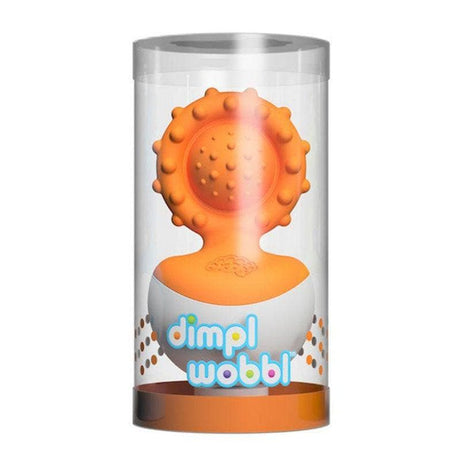


For visual calm
Magnetic tiles
Ideal for children who enjoy structure, repetition, colour organisation and quiet building play that feels absorbing without becoming chaotic.
Shop magnetic tilesClick & Collect or 24hr Dispatch*



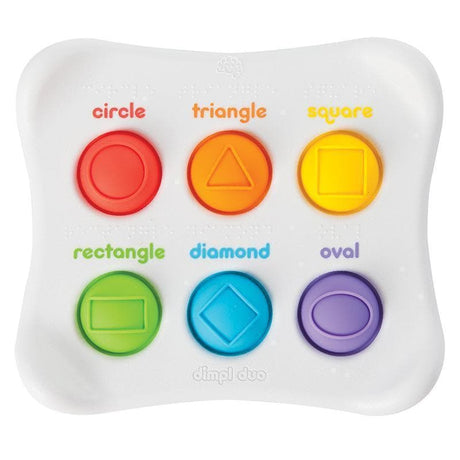
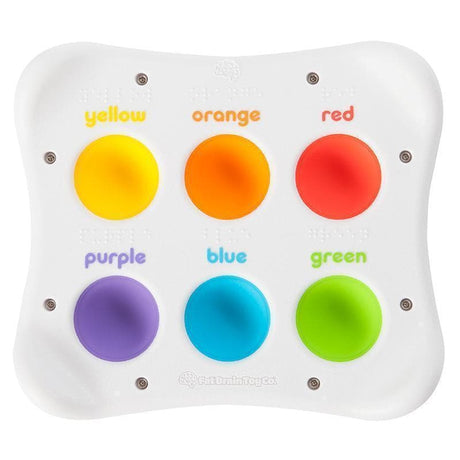


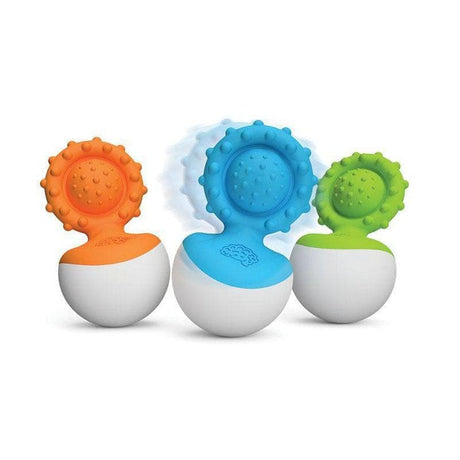


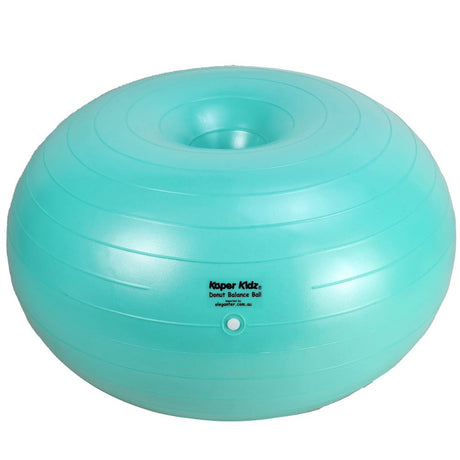
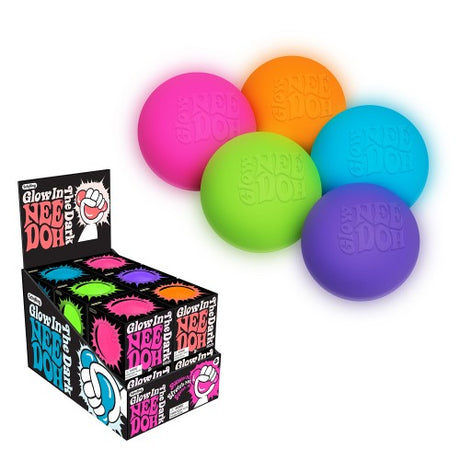
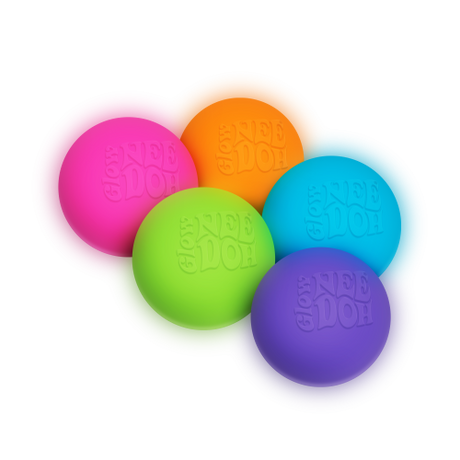
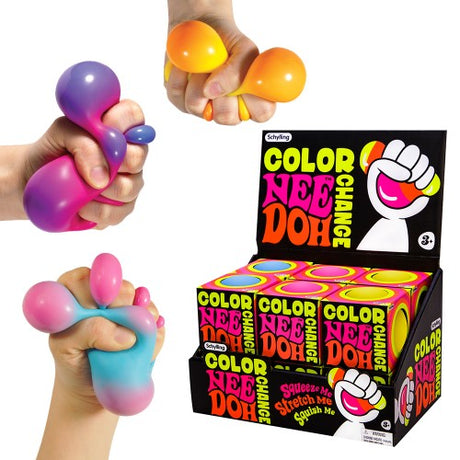
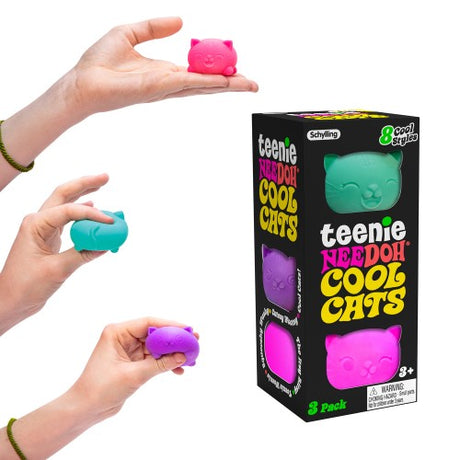
Cool Cats Teenie Nee Doh *June2027 PRE ORDER*

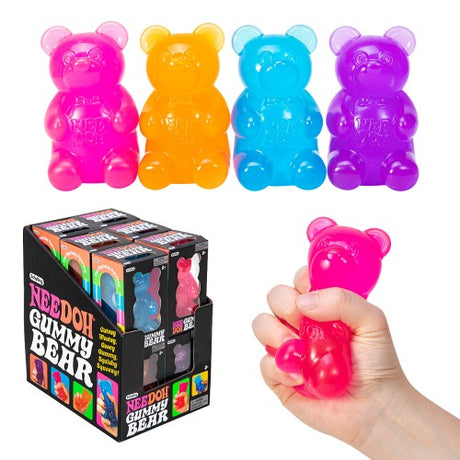
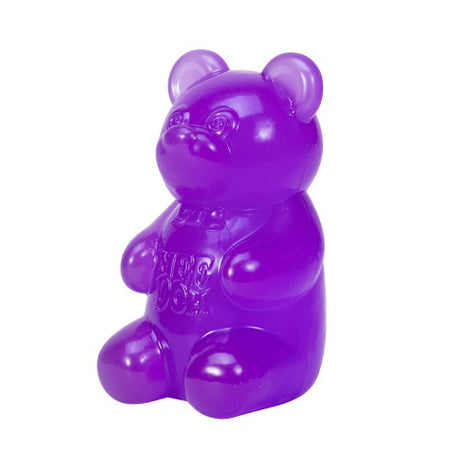
Gummy Bear Nee Doh *December 2026 PRE ORDER*
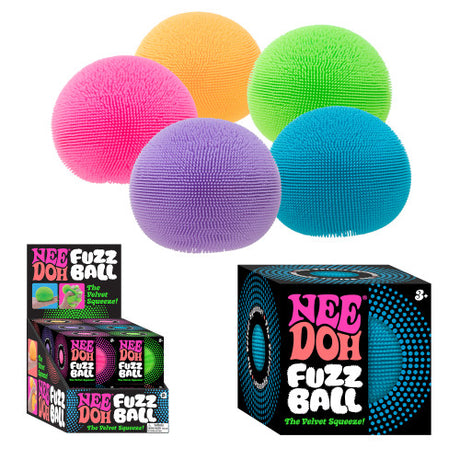
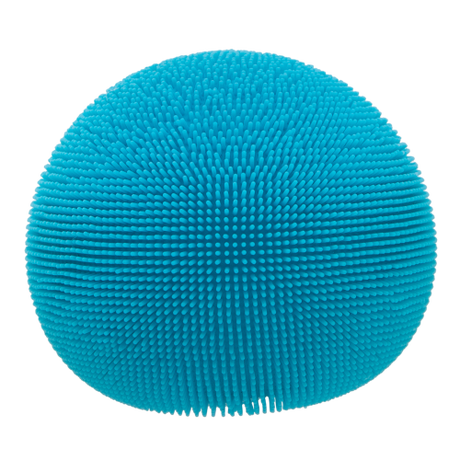
Fuzz Ball Nee Doh * MAY 2027 PRE ORDER*
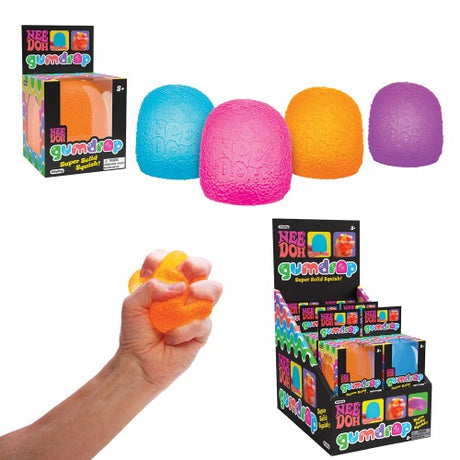
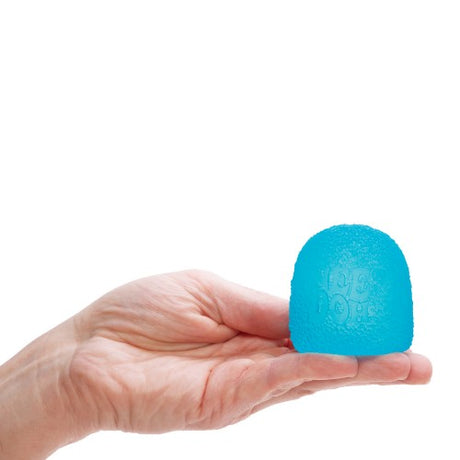
Gumdrop Nee Doh *December 2026 PRE ORDER*
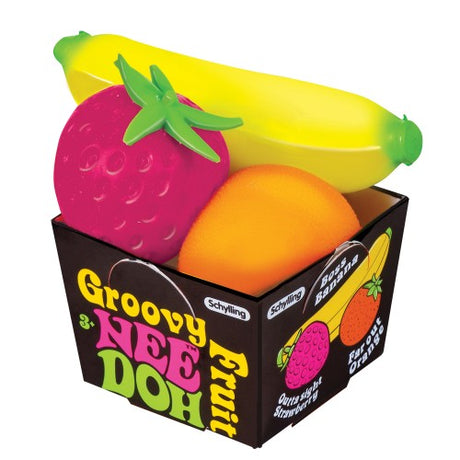
Groovy Fruit Nee Doh *January 2027 PRE ORDER*
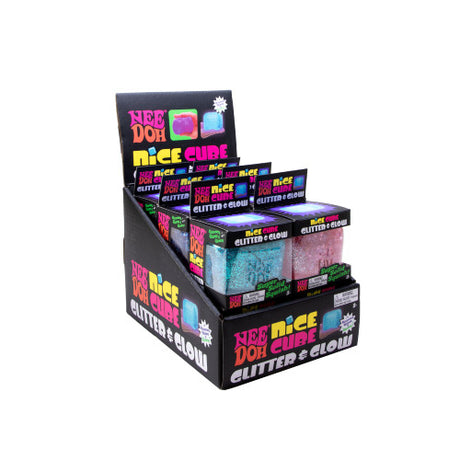
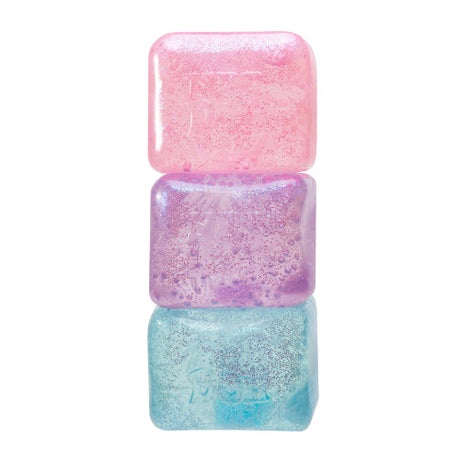
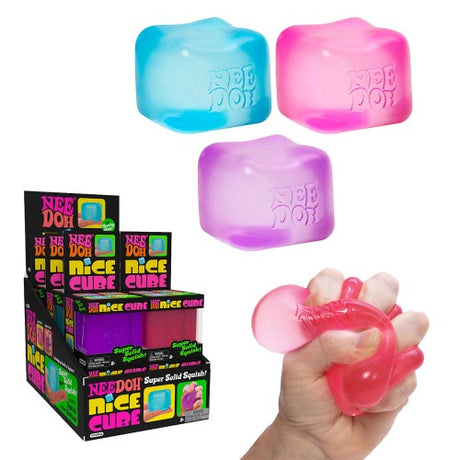
Glitter & Glow Nice Cube Nee Doh *MARCH 2027 PRE ORDER*
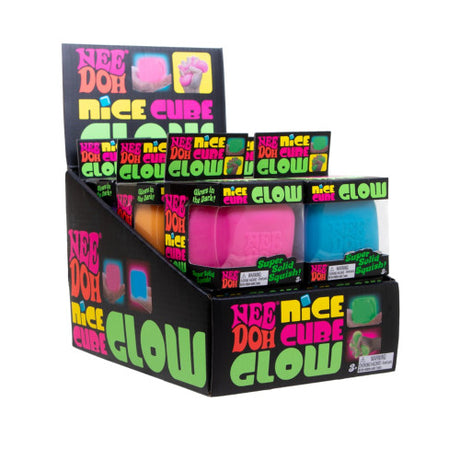
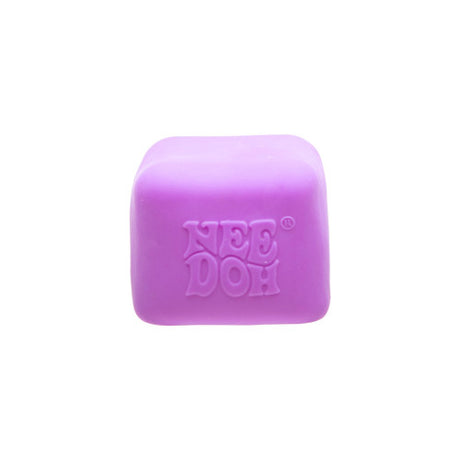
Glow in the Dark Nice Cube Nee Doh *ETA May 2027 PRE ORDER*

Lower-overwhelm sensory toys chosen for calmer, more supportive play — with tactile, visual and open-ended options that help children settle into engagement, repetition and everyday exploration.

Not every sensory toy creates calm. In many homes, the most supportive toys are the ones that hold attention gently — without filling the room with noise, clutter or unnecessary stimulation.
This collection of calming sensory toys is designed around that idea. You will find lower-overwhelm options that encourage tactile exploration, visual focus, repetition, building, experimenting and quieter hands-on engagement.
Whether you are creating a calmer play space, shopping for a child who gets overwhelmed easily, or simply looking for sensory toys that feel easier to live with day to day, these pieces are selected to support more settled, intentional play.
Looking for a broader mix of sensory toy options? Start with our main Sensory Toys collection, or read our calm play guide for ideas on building a lower-overwhelm play environment at home.
Different types of calming sensory toys support calm in different ways — through tactile input, visual order, slower pacing or practical everyday play.
Ideal for children who enjoy structure, repetition, colour organisation and quiet building play that feels absorbing without becoming chaotic.
Shop magnetic tilesA beautiful, grounded option for families looking for sensory toys with natural texture, simple play patterns and a calmer visual feel.
Shop wooden blocksThoughtfully chosen options for autistic children, with a focus on calmer engagement, tactile exploration and open-ended sensory play.
Shop sensory toys for autismPerfect for sensory-rich everyday activities such as pouring, scooping, washing and kitchen play that help children regulate through real tasks.
Shop learning towers
Calming sensory toys are not necessarily soft, silent or beige. What often makes them feel calmer is that they invite play without demanding too much all at once.
The best options usually allow children to repeat actions, focus visually, engage tactically or settle into play rhythms at their own pace. That may look like connecting tiles, stacking blocks, experimenting with cause and effect or participating in simple sensory-rich daily routines.
The best calming sensory toys depend less on age alone and more on how the child prefers to regulate, focus and explore.
Start with toys that feel easy to understand and easy to repeat. Often, calm comes from clarity — not complexity.
Some children benefit from stronger tactile or visual input, but still need that input to feel manageable and structured rather than chaotic.

Calm sensory play is rarely about the toy doing more. More often, it is about the toy giving the child space to do more — more noticing, more building, more repeating, more exploring and more settling into play at their own pace.
Keep the shopping journey clear by linking calm-play content, adjacent sub-collections and broader sensory education together.
Explore a practical guide to choosing sensory toys that support calmer, more focused play.
Read the blogDiscover autism-friendly sensory toys selected for calmer engagement, tactile exploration and open-ended play.
Shop sensory toys for autismLearn how to reduce visual clutter and create a more settled play environment at home.
Read the blogClear answers to common questions about choosing calming sensory toys for home, childcare or therapy.