Click & Collect or 24hr Dispatch*

Building Boards designed for bigger, more stable builds

Building Boards

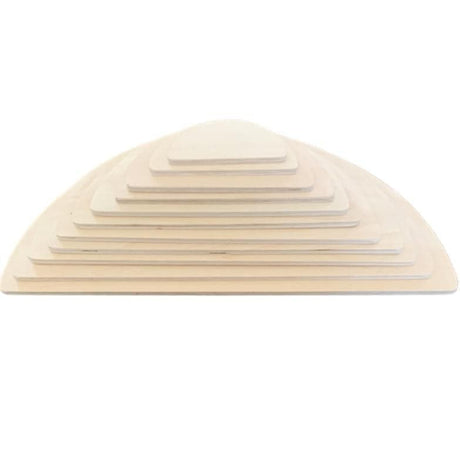
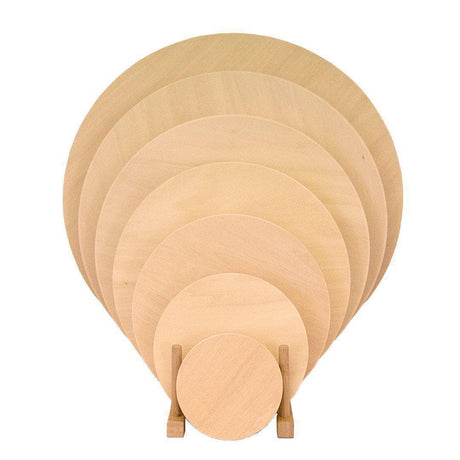
Building boards give children a different way to build. Instead of stacking upwards like blocks, flat wooden planks allow them to create bridges, ramps, towers, and structures with more balance and control. As children become more confident builders, these sets tend to hold attention longer because the possibilities keep expanding.


How to use wooden building boards at different stages

Why building boards work differently to blocks

Building boards allow children to create flatter, wider, and more balanced structures than traditional blocks. Instead of simply stacking upwards, they experiment with balance, spacing, and stability — which changes how they build over time. Wooden building boards are often used by children who are ready for more control and more complex building without moving into rigid construction systems.

More control while building Structures stay balanced longer Encourages repeat experimentation Used across multiple stages

More flexible than traditional blocks

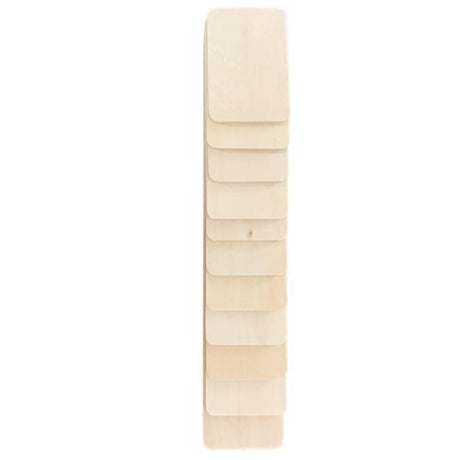
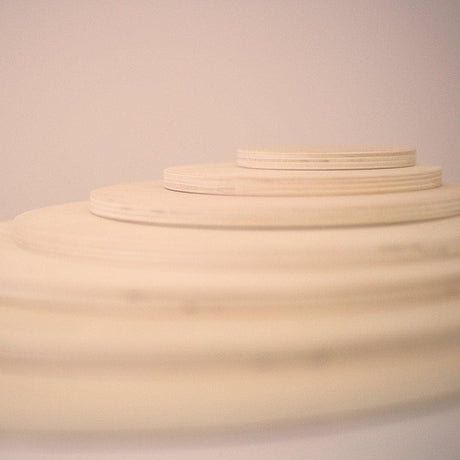
Flat planks can be stacked, balanced, layered, and bridged in different ways, giving children more options as they build.

Supports more advanced building play

As children become more confident, building boards allow them to experiment with larger and more stable structures.

Keeps play open without becoming overwhelming

There are no instructions or fixed outcomes, but the shape of the boards naturally encourages experimentation and repeat play.

How to use wooden building boards at different stages

Younger children often begin by stacking or lining up building planks, while older children create bridges, ramps, towers, and balancing structures as confidence develops.

Building toys for children who want more than blocks

Some children outgrow simple stacking quickly and start looking for ways to build structures that feel more controlled and stable. Building boards help extend that stage without introducing overly complex systems.

Start here

Choosing the right building boards

The best set depends on how confidently your child already builds.

Choose a smaller set if:

  • They are new to balancing and building They prefer simple structures They get frustrated when builds collapse

Choose a larger set if:

  • They already build independently They enjoy creating bigger structures They stay engaged for longer periods
The right set should feel achievable first — complexity comes naturally later.

Designed for repeat building play

Stable wooden pieces designed for balancing

Smooth, child-safe finishes

Durable enough for repeated building

Easy to combine with existing open-ended toys

Why quality building boards matter

Well-made wooden building boards are smoother, more stable, and easier to balance with. Boards that are too light or uneven tend to slide and collapse more easily, which can quickly reduce engagement.

When building boards may not be the best fit

If your child prefers highly structured instructions or fast-paced construction systems, magnetic building toys or traditional building blocks may feel easier to use.

Start with boards they can build confidently with

Building boards work best when children feel successful using them. Starting with the right size and quantity helps them build confidence naturally while keeping play open and flexible.

Frequently asked questions
How many building boards should I start with?

Smaller sets are often best for beginners, while confident builders usually benefit from larger sets that allow more complex structures.

Can building boards be combined with other toys?

Yes. Many children combine them with wooden rainbows, loose parts, peg dolls, and blocks to create more detailed builds.

What is the difference between cheap and premium building boards?

Higher-quality wooden building boards are more stable, smoother to balance with, and less likely to slide or splinter during play.

Are wooden building boards worth it?

Because they can be used in many different ways and adapt as children grow, building boards often remain in use longer than single-purpose toys.

How do you use building boards with toddlers?

Toddlers usually begin by lining up, stacking, and balancing a few boards at a time before moving into more complex structures as coordination improves.

Are building boards better than blocks?

Building boards offer a different type of play. Blocks are often used for vertical stacking, while building boards allow flatter, wider, and more balanced structures.

What can children build with building boards?

Children use building planks to create bridges, ramps, towers, roads, balancing structures, and layered builds that change over time.

What age are building boards suitable for?

Building boards are commonly introduced from around 2 years old, beginning with simple stacking and balancing before progressing into larger structural builds.