
Click & Collect or 24hr Dispatch*

Oral Sensory Support & Calm Regulation

Chew Toys

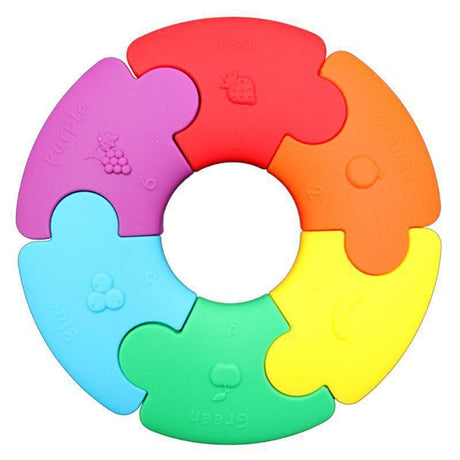
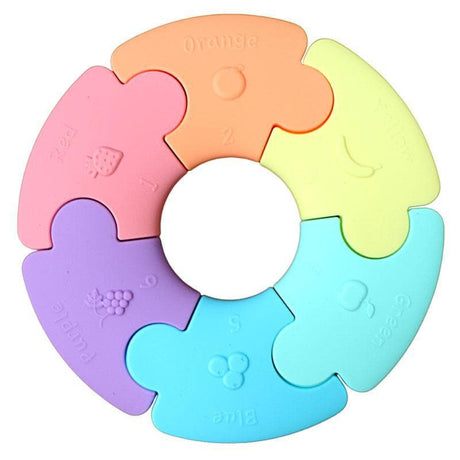
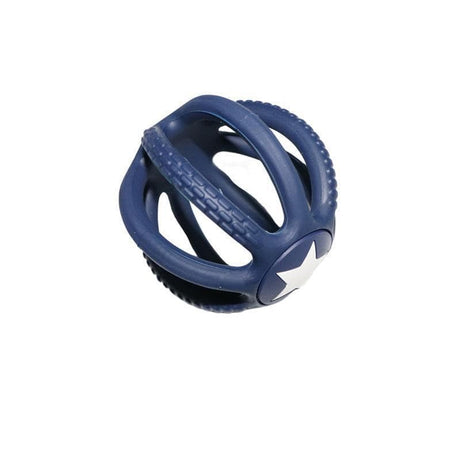
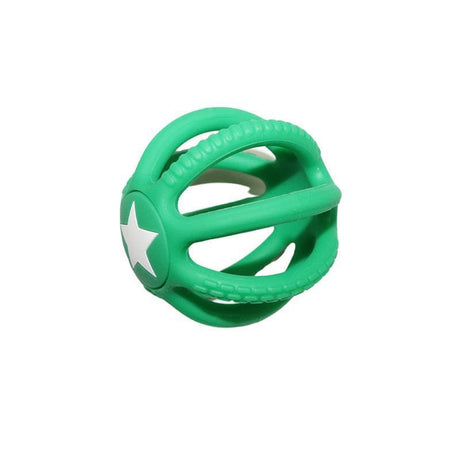
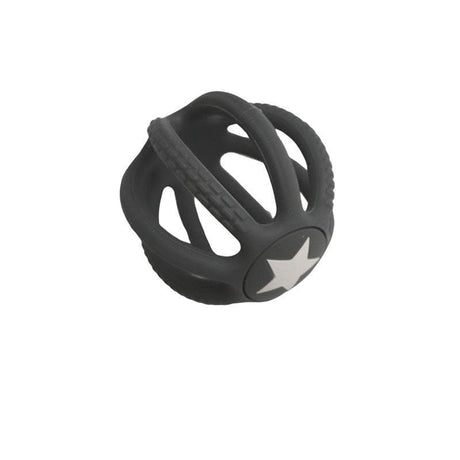
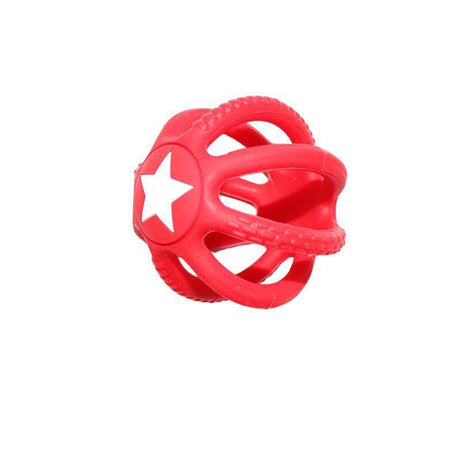
Discover sensory chew toys, oral sensory supports, and calming chew tools designed for children who seek chewing as part of emotional regulation, sensory processing, calming, or focus routines. From hand-held chew toys for toddlers to oral sensory supports for quiet time and calming activities, these child-friendly chew tools provide safer oral sensory input in a practical and approachable way.


Calming Oral Sensory Toys for Children Who Chew Everything

Why Some Children Seek Oral Sensory Input Through Chewing

Chewing can be a natural way for some children to regulate emotions, focus attention, manage sensory input, or calm their bodies during stressful or overwhelming moments. Many parents begin searching for sensory chew toys after noticing their child chewing clothing, fingers, pencils, toys, or unsafe household objects throughout the day.

Sensory chew toys are designed to provide safer oral sensory input through hand-held chew tools, calming oral sensory supports, and child-friendly chewable textures that help children access sensory regulation in a more appropriate and supportive way.

Unlike chew necklaces, sensory chew toys are typically hand-held or larger oral sensory supports used more commonly during home routines, calm-down activities, travel, quiet time, therapy activities, or supervised sensory play.

Many families use oral sensory toys:

  • during emotional regulation moments
  • for calm-down routines
  • during travel
  • during quiet play
  • while reading or relaxing
  • as safer alternatives to chewing unsafe objects

The goal is not to eliminate sensory needs. The goal is helping children access oral sensory support safely and comfortably in ways that feel calming, approachable, and supportive.

Oral Sensory Toys Calming Chew Toys Sensory Regulation Support Safe Oral Sensory Input

Provides Safe Oral Sensory Support for Children Who Chew

Many children naturally seek chewing as part of self-regulation, calming, emotional processing, or sensory exploration. Sensory chew toys provide safer oral sensory input for children who would otherwise chew unsafe household objects, clothing, fingers, pencils, or toys not designed for chewing.

Supports Calm, Regulation, and Quiet Sensory Play

Hand-held sensory chew toys are commonly used during calm-down routines, quiet activities, travel, therapy sessions, emotional regulation breaks, or sensory-friendly home routines. Many children enjoy the calming sensory feedback that oral sensory toys can provide during overwhelming or emotionally demanding moments.

Designed for Different Sensory Preferences and Chewing Strengths

Children seek oral sensory input in different ways depending on their sensory preferences and chewing intensity. Some children prefer softer chewable textures, while others seek stronger resistance or textured sensory feedback. Different shapes, firmness levels, and chew styles help families choose oral sensory supports that feel safe and comfortable for their child.

Calming Oral Sensory Toys for Children Who Chew Everything

Some children naturally chew toys, fingers, pencils, clothing, or household objects when they feel overwhelmed, excited, anxious, or highly focused. Sensory chew toys provide safer oral sensory input during calm-down routines, quiet play, emotional regulation moments, or supervised sensory activities while helping children satisfy oral sensory needs more safely.

Sensory Chew Toys for Toddlers and Preschool Quiet Time

Hand-held oral sensory toys are often introduced during quiet time, travel, sensory play, or calming routines where younger children benefit from oral sensory support in a more approachable and playful format. Larger hand-held chew tools can feel easier for some younger children to manage than wearable oral sensory supports.

Choosing the Right Sensory Chew Toy

What Type of Oral Sensory Toy Is Best?

The best sensory chew toy depends on your child’s chewing intensity, sensory preferences, and how they prefer to regulate.

Choose Softer Chew Toys If Your Child…

  • is younger or new to oral sensory supports lightly chews fingers or clothing prefers softer textures becomes overwhelmed easily uses chew toys during calm routines prefers gentle oral sensory input

Choose Firmer or Textured Chew Toys If Your Child…

  • strongly chews objects or toys seeks stronger oral sensory feedback damages softer chew tools quickly prefers textured sensory input uses chew toys frequently throughout the day benefits from stronger sensory resistance
Many families begin with softer oral sensory chew toys before gradually exploring firmer or textured chew supports as they learn more about their child’s sensory preferences and chewing behaviours.

Why Families Choose My Happy Helpers for Oral Sensory Toys

Child-friendly oral sensory toys designed specifically for safe chewing support

Durable chew-safe materials suitable for calming sensory regulation routines

Approachable sensory supports designed for home, travel, quiet time, and emotional regulation

How to Choose Oral Sensory Toys for Children

The best sensory chew toys feel safe, calming, durable, and comfortable for the child’s sensory preferences and chewing style. Families often consider:

  • chewing strength
  • texture preferences
  • hand-held vs wearable supports
  • age suitability
  • durability
  • ease of cleaning
  • portability

Some children prefer larger hand-held chew toys because they feel easier to grip, more playful, or more comforting during emotional regulation routines.

When Sensory Chew Toys May Not Be the Best Fit

Some children prefer discreet wearable oral sensory supports such as chew necklaces instead of hand-held chew toys. Others may respond better to movement regulation, fidget tools, or calming sensory supports that do not involve oral sensory input. The best sensory support strategy depends on the child’s individual sensory preferences and regulation patterns.

Helping Children Access Safe, Supportive Oral Sensory Input


Sensory chew toys provide children with safer oral sensory support during calming routines, emotional regulation moments, sensory play, and quiet activities. Whether your child seeks chewing for comfort, focus, calming, or sensory input, oral sensory toys can help provide safer and more supportive ways to meet those sensory needs throughout everyday routines.

Frequently asked questions
Are sensory chew toys worth it?

For many families, sensory chew toys provide a safer and more supportive alternative to chewing unsafe objects, clothing, pencils, or household items. Oral sensory supports can become valuable calming and sensory regulation tools for children who naturally seek chewing throughout the day.

How do you clean sensory chew toys?

Most sensory chew toys can be cleaned using warm soapy water and allowed to air dry thoroughly before reuse. Families should always follow the individual cleaning instructions provided for each product and regularly inspect chew toys for wear or damage.

Can sensory chew toys help children calm down?

Many children use oral sensory toys during calming routines, emotional regulation breaks, quiet activities, travel, or stressful transitions because chewing can feel soothing and grounding for their nervous system. Sensory chew toys can become part of broader calming or sensory regulation routines.

How do I choose the right sensory chew toy?

The best chew toy depends on your child’s chewing intensity, sensory preferences, texture preferences, and age. Some children prefer softer oral sensory toys, while others seek firmer resistance or textured sensory feedback. Hand-held chew toys can also feel easier for younger children who dislike wearing necklaces.

Why does my child chew on toys and objects constantly?

Chewing can be a natural sensory regulation strategy for some children. Children may seek oral sensory input during stress, concentration, emotional overwhelm, excitement, boredom, or sensory processing challenges because chewing can feel calming, grounding, or organising for their nervous system.

Are sensory chew toys safe for toddlers?

Many sensory chew toys are designed specifically for younger children and toddlers, but suitability depends on the individual product design, size, and supervision requirements. Parents should always choose age-appropriate chew toys and regularly inspect products for wear or damage.

What is the difference between sensory chew toys and chew necklaces?


Sensory chew toys are usually hand-held oral sensory supports used during calm-down routines, sensory play, travel, quiet time, or supervised activities. Chew necklaces are wearable sensory supports designed for discreet oral sensory regulation throughout the day, particularly during school or on-the-go routines.

What are sensory chew toys used for?

Sensory chew toys are designed to provide safer oral sensory input for children who seek chewing as part of calming, focus, emotional regulation, or sensory processing routines. Many children naturally chew objects, clothing, toys, fingers, or pencils during stressful or overwhelming moments, and oral sensory toys provide a safer alternative designed specifically for chewing support.