Click & Collect or 24hr Dispatch*

15% Off Sitewide & Clearance*

EOFY15
Safe Cutting Starts Here

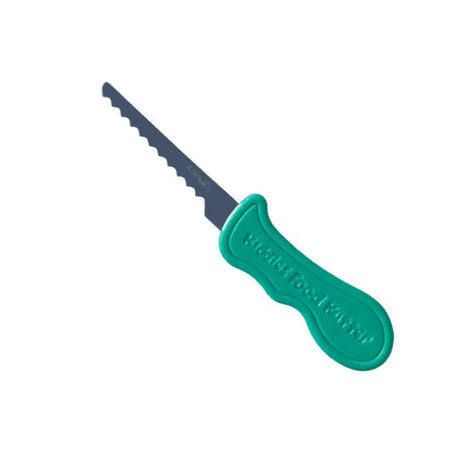
Kids Knives & Child Safe Kitchen Knives

Help little ones participate confidently in real food preparation with kids knives designed for growing independence. From slicing strawberries and bananas to helping prepare family meals, child-safe knives encourage practical life skills, responsibility and meaningful kitchen participation alongside trusted adults.


What Foods Should Children Start Cutting With A Kids Knife?

Kids Knives For Real Food Preparation

Many children want to help in the kitchen long before adults feel comfortable handing them traditional kitchen tools. Kids knives bridge that gap by giving little ones a practical way to participate in food preparation while building confidence through real experiences. Whether slicing soft fruit, preparing vegetables for dinner or helping assemble lunchboxes, a child-safe knife allows children to contribute meaningfully rather than simply watch from the sidelines.

Unlike pretend kitchen toys, children's cooking knives are designed for genuine use. They help little ones learn how food is prepared, encourage greater involvement in family routines and provide opportunities to develop independence through practical tasks. For many children, using a kids knife becomes one of the first activities that helps them feel capable and trusted in the kitchen.

Whether you are searching for a children's safety knife, a kids kitchen knife or a complete children's kitchen knives set, choosing the right tool can help transform kitchen curiosity into confident participation. These early food preparation experiences often become the foundation for lifelong confidence around cooking, healthy food and practical life skills.

Real Kitchen Participation Child-Safe Food Preparation Growing Independence Practical Life Learning

Turns Curiosity Into Participation

Many little ones are fascinated by what happens in the kitchen. A kids knife provides a safe and practical way for children to move from observing to actively participating. Rather than standing back and watching, children can contribute to preparing snacks, meals and family recipes in meaningful ways.

Builds Confidence Through Real Responsibilities

Children often gain confidence when trusted with genuine tasks that contribute to family life. Preparing food with a child-safe knife gives little ones opportunities to practise responsibility while experiencing the satisfaction of completing real work. Small successes in the kitchen often lead to growing independence over time.

Encourages Healthy Food Engagement

Many parents notice that children become more interested in fruit, vegetables and meal preparation when they are involved in the process. Helping wash, prepare and cut ingredients can create a stronger connection to food while encouraging curiosity about what appears on the family table.

Choosing The Right Kids Knife

Which Kids Knife Is Right For Your Child?

The best kids knife is not necessarily the sharpest or the most advanced. It is the one that matches your child's current confidence level, kitchen experience and readiness to participate in food preparation activities.

Choose A Beginner Kids Knife If Your Child

  • Is helping prepare food for the first time Enjoys assisting with snacks and simple recipes Is building confidence around kitchen activities Needs guidance with most food preparation tasks Enjoys practical life activities alongside adults Is learning responsibility through real-world experiences Benefits from simple, achievable kitchen jobs

Choose A Children's Cooking Knife If Your Child

  • Regularly helps prepare meals Is confident cutting soft fruits and vegetables Enjoys taking ownership of food preparation tasks Wants greater involvement in family cooking Understands basic kitchen expectations Is developing independence in practical life activities Enjoys contributing meaningfully during meal preparation
The right kids knife should help children experience success. When a child feels capable and confident using their kitchen tools, they are far more likely to remain engaged, participate regularly and develop positive attitudes towards food preparation.

Why Food Preparation Often Changes Children's Relationship With Food

Designed to support safe participation in real food preparation

Supports curiosity, responsibility and engagement around food

Trusted by families looking to involve little ones in cooking safely

Why Use A Kids Knife Instead Of A Butter Knife?

Many parents initially wonder whether a butter knife can achieve the same result as a children's cooking knife. While butter knives are often used as an introduction to food preparation, they are not specifically designed for little hands or for helping children successfully cut a variety of foods. In many cases, children become frustrated because the knife struggles to cut through even relatively soft ingredients.

A purpose-designed kids knife balances safety with functionality. Rather than being sharp like a traditional kitchen knife, children's safety knives are designed to help little ones cut suitable foods while maintaining a child-friendly experience. This allows children to achieve meaningful results without feeling discouraged or dependent on adults for every task.

Success matters. When children can independently slice strawberries, bananas, cucumbers or mushrooms, they experience a sense of achievement that encourages continued participation. The goal is not simply learning to cut food. It is helping children feel capable, trusted and involved in everyday family routines. A well-designed kids knife often creates a much more positive learning experience than improvised alternatives.

What Makes A Children's Safety Knife Effective?

A good children's safety knife is designed around one simple principle: helping children participate successfully in real food preparation. The best kids knives are not toys and they are not miniature versions of adult chef's knives. Instead, they are tools specifically created to support growing confidence while reducing unnecessary risk.

Effective children's cooking knives are comfortable to hold, easy to control and suitable for age-appropriate food preparation activities. They allow little ones to practise real skills while remaining focused on learning rather than struggling with unsuitable equipment. Parents often find that children are far more engaged when they have tools that genuinely work and feel designed for them.

An effective kids knife should encourage independence without creating frustration. It should support practical life learning, allow children to contribute meaningfully to family meals and help transform kitchen participation into a positive and enjoyable experience. When children feel successful, they are far more likely to remain interested in helping prepare food and developing new skills over time.

Small Kitchen Tools. Big Life Skills.

m.The kitchen is one of the most powerful places for children to learn through real experiences. Preparing fruit, helping with lunchboxes, assisting with family meals and contributing to everyday routines all help little ones develop confidence in their own abilities.

A kids knife is not simply about cutting food. It is about participation. It is about giving children opportunities to contribute, learn and experience the satisfaction of helping in meaningful ways. These moments may seem small, but they often become some of the earliest experiences that build independence, responsibility and practical life skills.

Whether your child is preparing their very first banana or helping assemble ingredients for dinner, the right children's cooking knife can help transform curiosity into confidence and create positive kitchen experiences that grow with them.

Frequently asked questions

Questions Parents Ask About Child Safe Knives

What is the best knife for a 3 year old?

For most families, the best knife for a 3 year old is one that prioritises confidence and successful participation over complexity. At this age, children are often eager to help but are still developing the coordination and focus needed for more advanced kitchen tasks. A kids knife designed specifically for young children allows them to participate safely while building foundational food preparation skills.

Simple cutting activities are usually the most effective starting point. Preparing fruit for morning tea, helping assemble lunchboxes or assisting with simple recipes can create positive experiences that encourage ongoing participation. Children at this age benefit from immediate success, which is why choosing an age-appropriate tool is so important.

The best knife for a 3 year old is not the one that performs the most tasks. It is the one that helps the child feel capable and included. Those early experiences often shape how children view cooking, food preparation and responsibility for years to come.

Can toddlers use a child safe knife?

Many parents are surprised to discover that some toddlers are highly motivated to participate in food preparation activities. While readiness varies significantly between children, a child safe knife can provide an age-appropriate introduction to kitchen participation for toddlers who demonstrate interest, coordination and the ability to follow simple instructions.

The focus at this stage should never be on speed or perfection. Instead, toddlers benefit from simple tasks that allow them to experience success. Preparing bananas, strawberries or other soft foods alongside an adult can help children feel involved while building confidence through manageable responsibilities.

Adult supervision remains essential, and activities should always be tailored to the individual child. Some toddlers may be ready to explore food preparation earlier than others. The goal is not to rush development but to provide opportunities for meaningful participation. When introduced thoughtfully, a child safe knife can help toddlers begin developing independence, concentration and confidence through real-world experiences.

Is a kids knife set better than buying a single knife?

A kids knife set can be an excellent option for families who want to encourage ongoing participation in food preparation. While a single kids knife is often enough to begin introducing practical life skills, a complete set can provide additional tools that support different stages of learning and a wider variety of kitchen activities.

Many parents find that children become increasingly interested in helping once they experience success preparing simple foods. Having access to a children's kitchen knives set allows little ones to gradually expand their skills while continuing to use tools designed for their age and abilities. This can help maintain enthusiasm and create opportunities for children to participate in a broader range of food preparation tasks.

However, a single knife may be perfectly suitable for beginners. The most important factor is not the number of tools but whether the child is given meaningful opportunities to use them. Confidence develops through practice, and even one well-chosen kids knife can become the foundation for years of practical life learning and kitchen participation.

What should I look for when choosing children's cooking knives?

The best children's cooking knives are not necessarily the most advanced or the most expensive. Instead, they are the ones that match a child's current confidence, coordination and level of kitchen experience. Parents should focus on choosing tools that allow children to participate successfully in real food preparation rather than selecting equipment that feels too challenging or intimidating.

A good children's cooking knife should feel comfortable in small hands and support age-appropriate food preparation activities. It should encourage confidence while allowing children to achieve meaningful results. The ability to prepare fruit, vegetables and simple ingredients independently often has a far greater impact on engagement than any specific feature.

Parents should also consider how often the knife will be used. Children who regularly participate in meal preparation may benefit from a more comprehensive children's kitchen knife set, while beginners may be better suited to a simple introductory option. The right choice is the one that encourages positive experiences and helps children develop confidence through practical participation.

What foods are best for children learning to use a kids knife?

The best foods for beginners are those that allow children to experience success without excessive difficulty. Soft fruits such as bananas, strawberries, kiwi fruit and peeled pears are often excellent starting points because they can be cut relatively easily while providing immediate results. Vegetables such as cucumbers and mushrooms are also popular first choices.

Starting with suitable foods helps children focus on learning basic cutting movements and kitchen confidence rather than becoming frustrated by ingredients that require more force or precision. Success builds motivation, and motivated children are far more likely to continue participating in food preparation activities.

As confidence develops, children can gradually expand the variety of foods they prepare. The progression should feel natural and enjoyable rather than pressured. A kids knife is most effective when it supports positive experiences that encourage children to remain curious, engaged and excited about helping in the kitchen.

What is the difference between a kids knife and a butter knife?

Many parents begin by handing their child a butter knife when they show an interest in helping prepare food. While this may seem like a simple solution, butter knives are not designed for children's food preparation and often struggle to cut even relatively soft ingredients. This can quickly lead to frustration and reduced confidence.

A purpose-designed kids knife is created specifically to help children achieve success with age-appropriate food preparation tasks. Rather than simply being a dull knife, it is designed to balance usability with child-friendly functionality. This means children can successfully prepare fruit, vegetables and other ingredients while experiencing the satisfaction of completing real tasks.

The difference often becomes obvious very quickly. Children are more likely to remain engaged when they can see the results of their efforts. A children's cooking knife helps little ones participate meaningfully in meal preparation, whereas a butter knife often limits what they can accomplish independently.

Are kids knives actually safe?

A common misconception is that children's cooking knives are simply toys that imitate real kitchen tools. In reality, a well-designed kids knife is intended to support genuine food preparation while reducing unnecessary risk. Children's safety knives are designed differently from traditional kitchen knives and focus on helping little ones participate in practical kitchen tasks with adult guidance.

No knife should ever be considered completely risk-free, which is why supervision remains important. However, child safe knives are specifically created to help children learn food preparation skills in a more controlled and age-appropriate way. Their design encourages confidence while reducing many of the concerns associated with introducing traditional kitchen knives too early.

For many families, the greatest benefit is not simply safety. It is the opportunity for children to learn practical life skills through real experiences. When introduced thoughtfully, kids knives can help transform kitchen participation into a positive learning experience while allowing little ones to contribute meaningfully to family routines.

What age can children start using a kids knife?

There is no single age that suits every child because readiness depends far more on coordination, interest and supervision than a specific birthday. Many children begin showing interest in food preparation between two and four years of age, particularly when they enjoy helping parents prepare snacks or meals. A kids knife provides a safe way to introduce these experiences while allowing little ones to participate meaningfully in kitchen routines.

Rather than focusing purely on age, parents should consider whether their child can follow simple instructions, remain engaged in a task and show an interest in helping. Some children may begin using a child safe knife to cut bananas, strawberries or soft vegetables at an earlier age, while others may be ready later.

The goal is not to rush children into food preparation. Instead, it is to provide opportunities for success. When children are introduced to age-appropriate kitchen tools and supported through positive experiences, they often develop confidence, independence and a genuine interest in helping prepare food alongside trusted adults.