Click & Collect or 24hr Dispatch*

15% Off Sitewide & Clearance*

EOFY15
Built for Independent Eating

Kids Cutlery

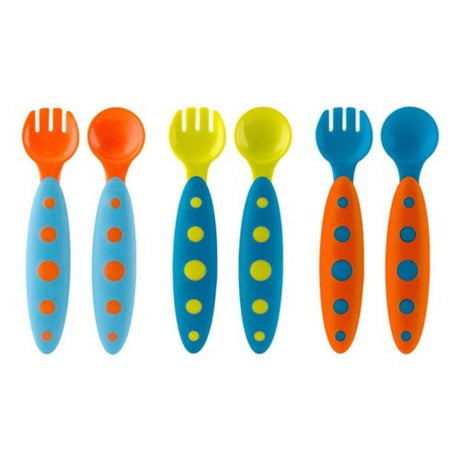
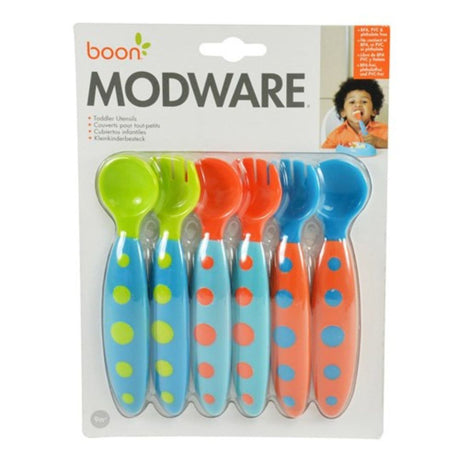
Help little ones move beyond baby feeding and into confident independent eating with kids cutlery designed for growing hands and growing confidence. From first attempts with a spoon to mastering a complete kids cutlery set, the right utensils help children participate more independently at mealtimes.


Kids Cutlery For Independent Eaters

Learning to use cutlery is one of the earliest practical life skills many children develop. While adults often focus on avoiding spills and mess, little ones are usually focused on something very different. They want to do it themselves. Having their own kids cutlery helps children practise independence, build confidence and participate more actively at mealtimes.

The transition from baby feeding utensils to children's cutlery is often an important milestone. It signals growing capability and allows little ones to begin taking ownership of everyday routines. Whether learning to use a spoon independently, mastering a fork or progressing to a complete kids cutlery set, the right utensils help make mealtimes feel less frustrating and more rewarding.

From toddler cutlery through to children's stainless steel cutlery sets, choosing the right option can help support growing confidence while encouraging children to practise essential self-feeding skills at their own pace.

Independent Eating Growing Confidence Practical Life Skills Everyday Mealtime Success

Encourages Independence

Children naturally want to do more for themselves as they grow. Having their own kids cutlery helps them take greater ownership of mealtimes while developing confidence through everyday practice.

Supports Growing Skills

Using a spoon, fork and knife requires coordination, patience and repetition. Children's cutlery provides opportunities for little ones to develop these skills through real-world experiences at every meal.

Makes Mealtimes More Engaging

Many children become more interested in self-feeding when they have cutlery designed specifically for them. The right utensils can help transform mealtimes from a passive experience into an opportunity for participation and independence.

When Are Children Ready For A Kids Cutlery Set?

Many parents wonder when to move beyond baby feeding utensils and introduce a kids cutlery set. Readiness often depends less on age and more on a child's desire to self-feed, copy adults and participate independently at mealtimes. Children who actively reach for utensils, resist being fed or show frustration when adults take over are often ready to begin exploring children's cutlery designed for growing hands.

Toddler Cutlery Vs Children's Stainless Steel Cutlery

The best choice often depends on your child's confidence and experience. Toddler cutlery is often ideal for little ones developing early self-feeding skills, while children's stainless steel cutlery may suit confident independent eaters looking for utensils that feel more like those used by older children and adults. Choosing the right stage helps build confidence without creating unnecessary frustration.

Choosing The Right Kids Cutlery

Which Kids Cutlery Set Is Right For Your Child?

The best kids cutlery is not necessarily the most advanced. It is the one that matches your child's current stage, confidence and willingness to participate independently during mealtimes.

Choose Beginner Kids Cutlery If Your Child

  • Is transitioning away from baby feeding Is learning to self-feed independently Prefers spoons over forks Is building confidence at mealtimes Becomes frustrated using adult cutlery Is developing hand control and coordination Enjoys doing things without assistance

Choose Children's Cutlery Sets If Your Child

  • Eats independently most of the time Uses a fork confidently Wants utensils that feel more grown up Enjoys taking responsibility at mealtimes Is ready for a complete cutlery set Uses cutlery regularly at family meals Is building practical life skills through everyday routines
The right kids cutlery should make mealtimes feel achievable. When children experience success using their own utensils, they are far more likely to continue developing confidence and independence over time.

Why Parents Choose Our Kids Cutlery

Sized for small hands and easier grip

Comfortable to hold and use

Designed to reduce spills and frustration

Why Children Often Prefer Their Own Cutlery

Many parents assume children resist adult cutlery because they are being fussy. In reality, the challenge is often practical rather than behavioural. Adult utensils are designed for adult hands, adult grip strength and adult coordination. For a child who is still developing fine motor control, adult cutlery can feel oversized, heavy and difficult to manage.

Children naturally seek independence. When they experience repeated success using utensils that suit their stage and abilities, they are far more likely to continue practising. This confidence can have a significant impact on mealtimes. Instead of relying on adults for assistance, little ones begin developing the skills needed to feed themselves successfully.

Having their own children's cutlery can also create a sense of ownership and responsibility. Just as adults enjoy using tools that feel comfortable and familiar, children often respond positively when they have equipment designed specifically for them. These small experiences can help build confidence, independence and a more positive relationship with mealtimes.

When Kids Cutlery May Not Be The Right Choice

Kids cutlery is designed for children who are actively moving towards independent eating. Families looking for first-stage feeding products, silicone weaning utensils or baby feeding accessories may be better suited to products designed specifically for infants and early feeding stages.

Similarly, some children may not yet be interested in self-feeding or may still require significant support during meals. In these situations, introducing more advanced children's cutlery too early can create unnecessary frustration. The goal should always be to match the cutlery to the child's readiness, confidence and current abilities.

Choosing the right stage is important. When children experience success, they are more likely to continue practising and developing their skills. The best kids cutlery helps create achievable challenges rather than overwhelming expectations.

Small Utensils. Big Milestones.

Learning to use cutlery independently is one of the most practical skills children develop during their early years. While the process can sometimes be messy, every successful scoop, stab and bite helps build confidence, coordination and independence.

Kids cutlery gives little ones the opportunity to participate more actively at mealtimes and take greater ownership of their daily routines. Whether they are transitioning away from baby feeding products or developing confidence with a complete children's cutlery set, the right utensils help make those milestones feel achievable.

Many of the most important practical life skills are learned through everyday experiences. Mealtimes provide repeated opportunities for children to practise independence, problem solving and perseverance. Quality kids cutlery supports those moments while helping children feel capable, included and proud of their growing abilities.

Frequently asked questions

Questions Parents Have About Kids Cutlery

Do children eat better when they have their own cutlery?

Many parents find that children become more engaged and cooperative at mealtimes when they have cutlery designed specifically for them. While every child is different, having their own utensils often creates a stronger sense of ownership and involvement. Children frequently enjoy using tools that feel personal and appropriate for their size and abilities.

Kids cutlery can also reduce frustration. Adult utensils may feel awkward or difficult to manage, leading some children to lose confidence or become reluctant to participate. When children experience greater success using appropriately sized cutlery, they are often more willing to continue practising and engaging with meals independently.

Perhaps most importantly, children's cutlery supports a positive relationship with independence. Rather than focusing solely on what a child eats, it encourages active participation in the process of eating. This shift can help create more enjoyable mealtimes while supporting confidence, capability and the development of valuable practical life skills that will continue to benefit children as they grow.

Why is children's cutlery important for practical life skills?

Practical life skills are developed through everyday experiences rather than formal lessons. Mealtimes provide one of the most consistent opportunities for children to practise independence, coordination, responsibility and self-confidence. Children's cutlery plays an important role because it allows little ones to participate actively instead of relying entirely on adult assistance.

When children use their own utensils, they are solving problems, making decisions and refining physical skills with every meal. They learn how to manage food, coordinate movements and persist when something feels difficult. These experiences may seem small, but they contribute to a growing sense of capability and self-belief.

Many practical life philosophies emphasise the importance of giving children meaningful opportunities to contribute and participate. Children's cutlery supports this approach by providing appropriately sized tools that help little ones experience success. Over time, these repeated moments of achievement help build independence that extends well beyond the dining table and into other areas of daily life.

What age should a child start using a knife and fork?

There is no universal age that applies to every child because readiness depends on confidence, coordination and interest. Some children begin experimenting with a fork and knife around two years of age, while others may show greater readiness closer to three or four. The most important indicator is usually a child's desire to participate independently and imitate the people around them.

Many children naturally become curious about using the same utensils as older siblings and adults. This curiosity often creates the perfect opportunity to introduce children's cutlery designed for their stage and abilities. Rather than expecting immediate mastery, parents should focus on creating opportunities for practice and celebrating progress.

Learning to use a knife and fork helps children develop more than eating skills. It supports hand-eye coordination, problem-solving and independence. Over time, these everyday experiences contribute to growing confidence and help children feel capable of managing increasingly complex tasks on their own.

Are kids knife and fork sets suitable for toddlers?

Many toddlers are capable of using a knife and fork set long before parents expect. The key is matching the cutlery to the child's stage of development rather than focusing solely on age. Children who show interest in self-feeding, enjoy copying adults and demonstrate reasonable hand control are often ready to begin practising with a children's knife and fork set.

Using a knife and fork requires coordination, patience and repetition. Like any practical life skill, it develops gradually over time. Early attempts may be messy and imperfect, but these experiences are valuable opportunities for learning. Children gain confidence through practice, and small successes often encourage them to keep trying.

Parents are sometimes concerned about introducing a knife too early. However, children's cutlery sets are typically designed to support learning rather than replicate adult utensils. The goal is to provide an appropriate level of challenge that allows children to build skills safely and confidently. For many little ones, having a complete cutlery set also increases their enthusiasm for participating independently at mealtimes.

How does kids cutlery support independent eating?

Independent eating is about far more than simply getting food from a plate to a mouth. It involves confidence, coordination, decision-making and the ability to participate actively in everyday routines. Kids cutlery supports this process by providing children with tools that match their stage of development and encourage ongoing practice.

When children use cutlery designed specifically for them, they are often more successful and therefore more motivated to keep trying. These repeated opportunities to practise help build competence over time. Children begin learning how to manage utensils, coordinate movements and solve small problems independently during meals.

The emotional benefits are equally important. Many children take great pride in being able to feed themselves and contribute alongside the rest of the family. Kids cutlery helps reinforce this growing independence and provides daily opportunities to develop practical life skills. For many families, the greatest value is not the utensil itself but the confidence and capability children build through using it regularly.

What should I look for in a children's cutlery set?

The best children's cutlery set is one that matches your child's current stage of development and supports their growing confidence. Rather than focusing only on appearance, parents should consider how comfortable the utensils will feel in small hands and whether they encourage independent use during everyday meals.

A good cutlery set should feel manageable rather than overwhelming. Children learn best when they experience achievable challenges, so choosing utensils that support success is often more valuable than selecting products that appear more advanced. Comfortable handling, practical everyday use and durability are often the most important factors.

Parents should also think about long-term use. Many children quickly become attached to their own utensils and enjoy having a set that belongs specifically to them. This sense of ownership often increases engagement and willingness to participate. A quality children's cutlery set should support independence, encourage confidence and provide opportunities for children to practise important practical life skills every day.

Why do some children refuse to use adult cutlery?

Many children struggle with adult cutlery for reasons that have little to do with behaviour and everything to do with development. Adult utensils are designed for larger hands, stronger grip strength and more advanced coordination. For a child who is still refining fine motor skills, adult cutlery can feel awkward, heavy and difficult to control.

When children repeatedly struggle to use a tool successfully, frustration often follows. They may avoid using the utensil altogether or become dependent on adult assistance during meals. This can create unnecessary barriers to developing independence.

Kids cutlery is designed to bridge this gap. Appropriately sized utensils help children experience success more consistently, which encourages continued practice and confidence. Many families notice that children who previously resisted using cutlery become more willing to participate once they have tools designed specifically for their stage and abilities. Small successes build motivation, and motivation helps children continue developing important mealtime skills.

Is stainless steel kids cutlery safe for children?

Yes, high-quality stainless steel kids cutlery is widely used by families because it is durable, practical and designed to support independent eating. Many parents choose stainless steel cutlery once their child is confidently progressing beyond early feeding stages and is ready for utensils that feel more similar to those used by older children and adults.

One of the main advantages of stainless steel children's cutlery is longevity. Unlike some feeding products that are quickly outgrown, a quality stainless steel kids cutlery set can often remain useful for many years. This makes it an excellent option for families seeking practical products that grow with their child.

Parents are often surprised by how motivated children become when they have utensils that feel more grown up. A children's stainless steel cutlery set can help reinforce independence and encourage children to take greater ownership of mealtimes. The key is choosing cutlery that remains comfortable for smaller hands while providing the durability and everyday usability families expect.

What is the difference between baby cutlery and kids cutlery?

Baby cutlery is typically designed for very early feeding stages and often focuses on introducing utensils in a simple and highly supported way. Children's cutlery, on the other hand, is designed for little ones who are actively developing independent eating skills and becoming more capable at mealtimes.

The transition usually occurs when a child begins showing interest in self-feeding and wants greater control over their meals. Kids cutlery is often better suited to practising real-world eating skills because it more closely resembles the utensils children will eventually use as they grow older.

This transition is about more than eating. It reflects a broader shift towards independence and participation. Children who are ready for kids cutlery are often eager to do things themselves and enjoy having tools that feel more grown up. Choosing the right stage helps ensure children feel challenged enough to learn while still experiencing regular success and encouragement.

When should children start using a kids cutlery set?

There is no single age at which every child becomes ready for a kids cutlery set. Readiness is usually determined by interest, coordination and a desire for independence rather than a specific birthday. Many children begin showing signs they are ready between 18 months and 3 years of age. They may reach for utensils, attempt to copy adults during meals or become frustrated when someone feeds them.

A kids cutlery set provides an opportunity for children to practise real-world skills in a way that feels achievable. Rather than focusing on perfection, parents should look for growing confidence and willingness to try. Early attempts can be messy, but those experiences are an important part of learning.

Introducing children's cutlery at the right time can help transform mealtimes from a passive experience into an active learning opportunity. The goal is not simply eating independently. It is helping children build confidence through everyday successes and develop skills that will continue to improve with practice over time