Click & Collect or 24hr Dispatch*


What A Kids Play Mat Really Becomes

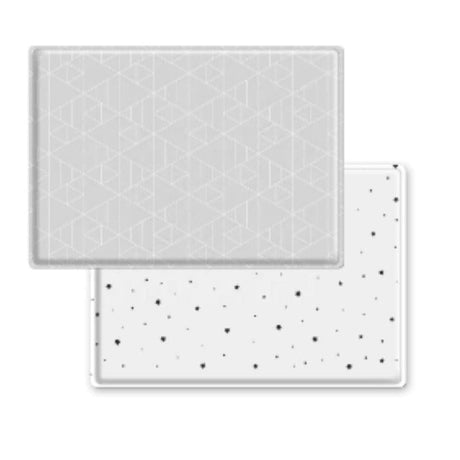
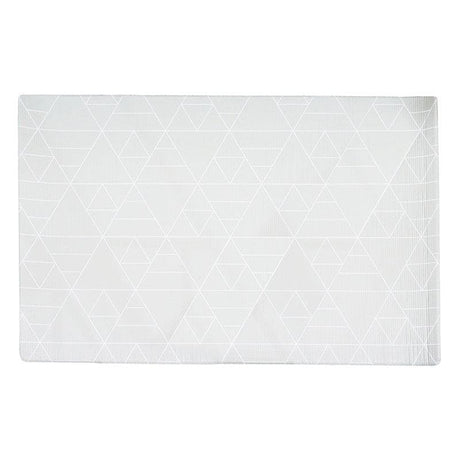
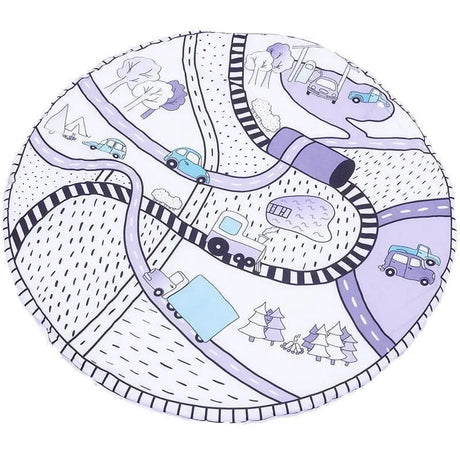
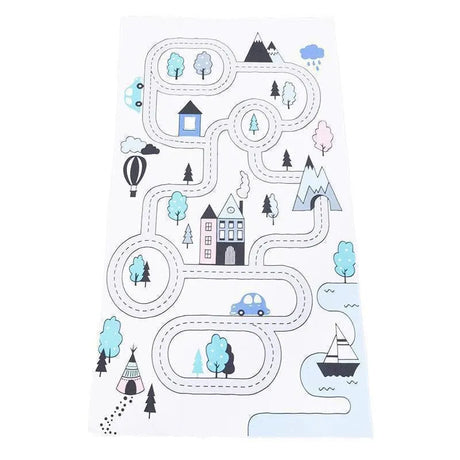
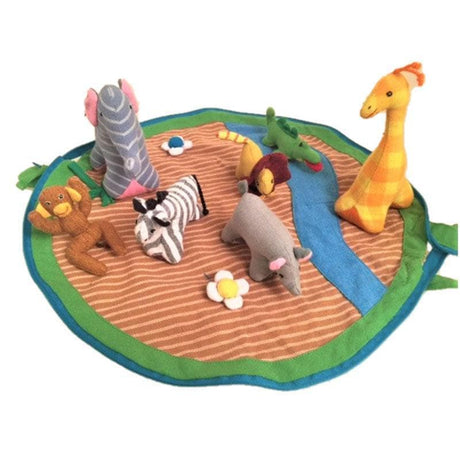
Most families come to a kids play mat asking about thickness, safety and non-toxic materials - all important questions, but rarely the reason people end up loving their mat. What they love is what it becomes: the calm centre of the room where everything happens. We stock play mats in soft linen and quilted designs that look like they belong in a living room, alongside padded and foam play mats for cushioned floor play, so you can choose the look and feel that suits your home. The toys on top change hundreds of times; the play mat quietly stays at the centre of it all. If you'd like to think through the wider play space first, our playroom furniture range pairs naturally with a good mat.

Centre Of The Playroom Linen & Foam Options Tummy Time To Big Kids Looks At Home In The Lounge

A Kids Play Mat Is Used For Years, Not Months

People often think of a play mat as something babies use, but in our experience that's only the beginning. Yes, a play mat is fantastic for tummy time and makes those first wobbly months a little softer. But as children grow, the same mat becomes somewhere to build train tracks, create giant Connetix worlds, do puzzles, colour in, play shops, or simply lie on while reading. Some of the busiest playrooms we've seen belong to five and six-year-olds, not babies. The toys change constantly; the kids play mat stays. That's why we'd always suggest choosing for the next five years, not the next six months.

A Play Mat Isn't There To Stop Falls

Every parent worries when their baby starts rolling, crawling or taking those first wobbly steps, and we've had thousands of those conversations over the years. Here's the honest reframe: children are going to fall - that's how they learn. A play mat isn't there to stop them falling; it's there to make those everyday tumbles a little less stressful for everyone. A cushioned or foam play mat takes the hard edge off a timber or tiled floor, so the falls that come with learning to sit, crawl and walk land a little softer. That's a very different way of looking at it than 'safety equipment', and a more useful one.

You'll Spend More Time On The Play Mat Than Your Child

This always makes parents laugh, but it's true: you'll spend hours on the play mat too. Reading books, helping with puzzles, building towers, playing shops, doing craft - parents spend a remarkable amount of time sitting on the floor. When you're down there that much, you start to appreciate having somewhere comfortable to sit, which is one of those benefits nobody thinks about until they've lived with a kids play mat for a few months. It's also why the look and feel of the mat matters as much as the cushioning - you're the one looking at it, and sitting on it, every single day.

Why Families Choose Our Kids Play Mats

Becomes The Centre Of The Playroom

Linen & Foam - Looks Good, Cushions Well

Used From Tummy Time To Big Kids

What To Look For In A Kids Play Mat

The things that matter most in a kids play mat are the ones you only notice after living with it. Cushioning comes first - enough padding to take the sting out of a fall on a hard floor, which is where a foam or padded play mat earns its place. Size is next: buy bigger than you think, because the mat becomes the spot a whole collection of toys migrates onto, and a child needs room to build and spread out. Wipe-clean matters more than parents expect, given the paint, food and play dough a mat lives through. And finally, look - if the play mat is going in a shared living space, choose one calm and beautiful enough that you're happy to leave it out, because the best mats are the ones that never get packed away.

The One Thing We'd Say About Buying A Play Mat

If we could give one piece of advice: don't buy a kids play mat thinking about the next six months - think about the next five years. In our experience a play mat is one of the hardest-working pieces in a playroom. Babies use them to learn to roll, toddlers to learn to walk, older children to build, imagine, create and play. The products on top of the mat will change hundreds of times, while the mat itself quietly stays at the centre of it all. That's why it's worth choosing one you'll still be happy looking at years from now - the play mat outlasts almost everything you'll put on it.

A Kids Play Mat At The Centre Of It All
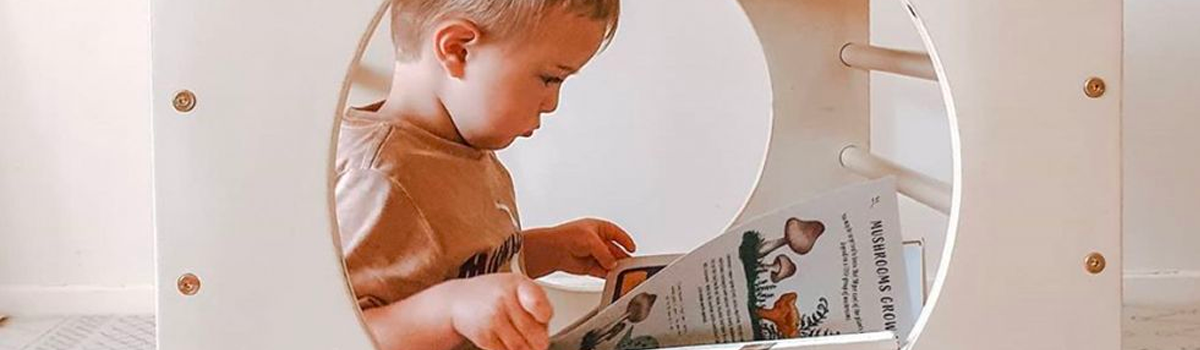
A kids play mat earns its place by being the one thing in the room that's always in use - soft enough for a newborn's tummy time, big enough for a six-year-old's train track, and calm enough to leave out in a shared living space. Choose for cushioning, size and a look you'll still love in a few years, in linen or foam to suit your floors and your home. Explore the range above, and pair it with our playroom furniture to build the space around it.

Frequently asked questions
Why does the play mat become the centre of the playroom?

Because once it's down, everything migrates onto it - books, blocks, magnetic tiles, puzzles, dolls. A play mat marks out a soft, defined space, and children naturally gravitate to it to build and play. Parents end up there too, reading and helping and playing on the floor. Without anyone planning it, the kids play mat becomes the spot where everything happens, which is exactly why it's worth choosing a good one.

How do you clean a kids play mat?

Most foam and padded play mats wipe clean with a damp cloth, which is what makes them practical for everyday floor play, snacks and craft. Linen and quilted play mats vary - some have removable, washable covers. Check the specific product details, but wipe-clean or washable surfaces are standard across the play mats we stock, because a mat lives through a lot of mess.

Do play mats protect the floor?

Yes, more than parents expect. As well as cushioning little knees and heads, a play mat protects your flooring from dropped wooden blocks, knocked-over tiles, ride-ons pushed across timber, and the paint, glue and play dough that find their way onto it. Plenty of families buy a play mat for their baby and later realise it's doing just as much to protect their floors - one of those benefits you only appreciate after living with one.

Foam play mat or linen play mat - which is better?

It depends on your floors and your home. A foam or padded play mat gives the most cushioning, which suits hard timber or tiled floors and busy older children. A linen or quilted play mat is softer and more beautiful, blending into a living room so it can stay out without dominating the space. Both cushion the floor and protect it; we stock both so you can match the mat to how and where it'll be used.

What age is a kids play mat for?

From birth right through the early childhood years - a play mat is one of the few pieces that genuinely grows with a child. A newborn uses it for tummy time, a baby for crawling, a toddler for learning to walk, and older children for building, puzzles, craft and reading. The toys on top change constantly while the mat stays at the centre. That's why we'd suggest choosing for the next five years rather than the next six months.

Do play mats actually prevent injuries?

Not exactly - and it's worth reframing. Children are going to fall; that's how they learn. A play mat isn't there to stop falls, it's there to make the everyday tumbles of learning to roll, crawl and walk a little less stressful for everyone. A cushioned or foam play mat takes the hard edge off a timber or tiled floor. Think of it as softening the landings rather than preventing them, and always supervise floor play with babies.

What size play mat do I need?

Buy bigger than you think. A kids play mat quickly becomes the spot a whole collection of toys migrates onto - books, blocks, tiles, train tracks - so a child needs room to build and spread out. A small mat suits newborn tummy time, but it's outgrown fast. In our experience families far more often wish they'd bought a larger play mat than a smaller one, because it stays useful from the baby years right through to the busy five and six-year-old playroom.

Are foam play mats good for babies?

A good foam play mat gives a baby a clean, cushioned surface for tummy time and floor play, which is far kinder on a hard timber or tiled floor than the floor itself. The cushioning takes the sting out of the everyday tumbles that come with learning to sit, crawl and walk. As with any baby product, floor play should always be supervised. A foam or padded play mat is one of the most practical things you can put down for a baby on a hard floor.

What is the best kids play mat?

The best kids play mat is the one that gets used every day and lasts for years - big enough for a child to build and spread out on, cushioned enough to soften a fall on a hard floor, and calm enough to leave out in a shared living space. In our experience families regret buying small or flimsy far more than buying a little too big or too good. We stock both linen and foam play mats so you can match it to your floors and your home.