

Click & Collect or 24hr Dispatch*

Active Seating That Moves With A Fidgety Child

Wobble Chairs & Wobble Stools For Kids

A wobble chair is the seat that finally suits the child who can't seem to keep still - the one rocking back on the dining chair, wrapping their legs around the chair legs, sliding down the seat, standing up halfway through breakfast. It might sound odd coming from someone who sells them, but most of these children don't find sitting still difficult so much as staying still difficult - there's a difference. They're not trying to escape what they're doing; they're trying to give their body the small bit of movement it's quietly asking for. A wobble chair or wobble stool doesn't stop that movement - it gives it somewhere smaller and safer to happen. This page is about whether a wobble chair suits your child, what it's used for at home and in the classroom, and how to choose one.


Wobble Chairs, Wobble Stools & Active Seating For Kids

A good wobble chair does more than let a child fidget - it lets a movement-seeking child stay with an activity instead of leaving it every few minutes. Our range of wobble chairs and wobble stools is built for that: stable active seating a child can rock, tilt and shift on while staying part of what they're doing, whether that's homework at the kitchen table, reading on the floor, or sitting in a busy classroom. But a wobble chair isn't right for every child, and stability matters far more than how much it moves. Below we walk through the questions worth asking before you buy - which child a wobble chair suits, how it helps with focus and learning, the honest truth about wobble chairs and ADHD, and how to choose one that stays stable through months of daily, energetic use.

Wobble Chairs Wobble Stools Active Seating Focus Support

Which Children Does A Wobble Chair Suit?

This is the question worth answering first, because a wobble chair is genuinely useful for some children and unnecessary for others. As a general guide, the children who benefit are the small-movement seekers - not the climbers or the spinners, but the child whose body quietly asks for movement without wanting to leave the task: a foot swinging under the table, a gentle rock backwards, a constant shift from one side to the other. For these children, movement and concentration aren't opposites - they're partners. You'll often see it: a child gently rocking while completely absorbed in drawing, or tapping a foot while reading, the movement running alongside the thinking rather than interrupting it. A wobble chair gives that child somewhere appropriate to move, which can make everyday activities feel far more comfortable. The honest flip side: plenty of children don't need one at all, and that's completely normal.

Wobble Chairs For Focus, Homework & The Classroom

The reason wobble chairs have become common in classrooms and at homework tables is that, for the right child, a small amount of movement supports focus rather than breaking it. A child balancing on the back legs of an ordinary chair usually isn't being naughty - they're creating movement because the chair they're on doesn't allow any. A wobble stool simply changes where that movement comes from: instead of tipping backwards, climbing or standing up, the child can gently shift and rock while staying seated and engaged. That's why active seating suits homework, reading and seated learning so well - it lets a fidgety child stay in the chair and stay with the work. Many families use one at the kitchen table; many classrooms keep a few for the students who concentrate best when their body is allowed to keep moving.

Wobble Chairs & ADHD: Start With Behaviour, Not A Label

People often look for a wobble chair because they've heard it helps children with ADHD or sensory processing differences, and for some children it absolutely can. But it's more helpful to start with the behaviour than the diagnosis. Does your child constantly rock on their chair? Stand up every few minutes without really meaning to? Seem to concentrate better when their body is allowed to move? Those are the things worth noticing first, because they tell you what your child actually needs regardless of any label. Children don't all move the same way, and they don't all need the same seating either - understanding how your own child naturally moves will tell you more than a diagnosis ever could. A wobble chair is one good option for a child who seeks small, steady movement; it isn't a treatment, and it isn't for every child.

Wobble Stools For Homework, Reading & Seated Play

At a desk or table, a wobble stool gives a child the small movement they're after without the tipping and standing that an ordinary chair provokes. It suits homework, drawing, reading and any seated activity where you'd rather your child stayed put and stayed comfortable. As a general guide, a lower wobble stool that lets a child keep their feet flat on the floor is the easier starting point - it gives gentle movement while keeping them grounded and stable enough to actually work. Most children settle into it within a few sessions once the height is right.

Active Seating For Kids Who Can't Sit Still

For the child who can't seem to sit still, active seating reframes the whole problem: the aim isn't to stop them moving, it's to give the movement somewhere smaller to happen. A wobble chair lets them rock, shift and wobble in place rather than climbing on furniture or leaving the table, so they can stay part of mealtimes, lessons and family activities. It's the same small, self-controlled movement that makes these chairs useful at school and at home alike. For many families it quietly becomes the seat that child always chooses.

Find The Right Wobble Chair

Which Wobble Chair Or Stool Should You Choose?

The best wobble chair depends on your child's age and how much movement they seek. Here's the quick way to decide.

Choose A Gentler Wobble Stool If Your Child:

Is younger or new to active seating
Needs feet flat on the floor to work
Seeks small, gentle movement
Uses it mainly for homework or reading

Choose A More Active Wobble Chair If Your Child:

Constantly fidgets, rocks or tips the chair
Seeks more movement to stay focused
Is older or more confident
Uses it across the day, not just at a desk
If you're unsure, a lower, stable wobble stool suits most children - grounded enough to work on, with just enough movement to settle a fidgety child. Choose for a base they can trust, and one chair does years of work.

Why Families & Classrooms Choose Our Wobble Chairs

Stable, Predictable Movement A Child Can Trust

Suits Home, Homework & The Classroom

Built To Stay Steady Through Daily Use

Why Stability Matters More Than Movement

When you're comparing wobble chairs, the most important thing is the one that's easiest to get wrong: a good wobble chair shouldn't feel unpredictable. Children need to trust it - to know how far it moves, how it responds, and how to control it - and these are the things we look at before we stock one. If a chair tips too easily or feels unstable, a child stops experimenting with confidence and starts worrying about falling, which defeats the point entirely. The best wobble chairs don't encourage bigger movements; they encourage controlled ones, with a steady base that won't tip as a child leans, twists and climbs into it several times a day. Build quality matters just as much - the chair needs to feel just as stable after months of daily use as it did new. Choose for a base a child can trust over the chair that moves the most, and it earns its place at the table for years.

When A Wobble Chair Isn't The Right Choice

It's worth being honest that a wobble chair isn't right for every child. Many children sit perfectly comfortably in an ordinary chair and simply don't need active seating - and adding movement a child doesn't seek can be a distraction rather than a help. A wobble chair also isn't the answer for a child who needs big, whole-body movement; that child is better served by something like a spinning chair, a balance board or a rocking toy that gives them the larger input they're looking for. Wobble seating is specifically for the child who wants to stay seated but needs small, steady movement to do it comfortably. If that's not your child, the money is better spent on the kind of movement they actually seek.

Choosing A Wobble Chair: The Short Version
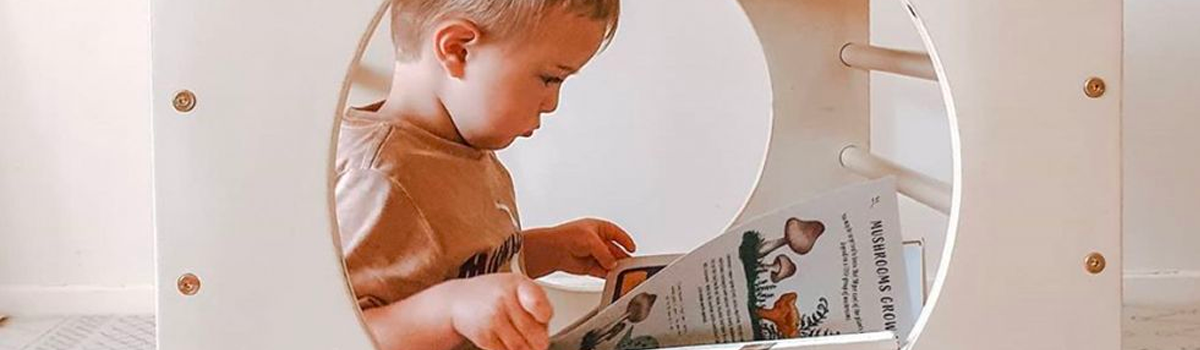
In short: a wobble chair suits the child who can stay with a task but needs a little movement to do it - the rocker, the foot-swinger, the child who stands up every few minutes. It earns its place at homework tables and in classrooms because, for that child, small movement and focus go together. Start with your child's behaviour rather than any label, choose a stable, predictable base over the chair that moves the most, and pick a lower stool for younger children so their feet stay grounded. The right wobble chair often stops the child fighting the chair altogether - not because the child changed, but because the seat finally fits the way they were trying to sit all along.

Frequently asked questions
How do I choose the best wobble chair for my child?

Look for stability over movement. The best wobble chair is one your child can control and trust - a steady base that won't tip as they lean and climb in, smooth predictable movement rather than a tippy feel, and build quality that stays stable after months of use. Match the height to your child so their feet reach the floor for desk work, and start gentler for a younger or more cautious child.

How much weight can a wobble chair hold?

Our wobble chairs come with a stated weight rating, and quality active seating is built to take more than light use - enough for older, heavier children who'll really lean and rock on it. Always check the rating on the specific chair, but a well-made wobble chair is designed for genuine daily use rather than gentle sitting, which is part of why it lasts.

What age are wobble chairs suitable for?

As a general guide, wobble chairs suit children from preschool age upward, with the right height mattering more than the exact age. Younger children do best on a lower stool that keeps their feet flat on the floor; older children can use taller active seating. The key at any age is a stable base the child can control, used with supervision while they get used to the movement.

What is the difference between a wobble chair and a spinning chair?

They give different movement for different children. A wobble chair offers small tilting and rocking while seated - ideal for a child who wants to stay at a task but needs to shift and fidget. A spinning chair offers rotational, whole-body movement for a child seeking bigger vestibular input. A child who needs to wriggle at a desk and a child who needs to spin aren't always the same child, so match the seat to how yours moves.

Are wobble chairs used in classrooms?

Increasingly, yes. Many classrooms keep a few wobble chairs or stools as flexible seating for the students who concentrate best when they can move a little. The appeal is the same as at home: a child who would otherwise rock, tip or fidget can stay seated and engaged. Look for stable, low-profile stools that suit a range of children if you're buying for a classroom.

Can wobble chairs be used for homework and learning?

Yes - this is one of the most common uses, at home and in classrooms. A wobble stool lets a fidgety child get the movement they need without tipping back or leaving the table, so they can stay with homework, reading or seated work. A lower stool that keeps feet flat on the floor usually works best for desk use, since it gives movement while keeping the child grounded enough to write.

Are wobble chairs good for ADHD?

They can be, but it's more useful to start with behaviour than diagnosis. If your child constantly rocks on their chair, stands up without meaning to, or focuses better when moving, a wobble chair may genuinely help - whether or not there's an ADHD diagnosis. It isn't a treatment and it isn't right for every child with ADHD; it's one option for a child who seeks small, steady movement while seated.

Do wobble chairs help kids focus?

For the right child, yes. A child who naturally seeks small movement often concentrates better when their body is allowed to move a little - the movement runs alongside the thinking rather than interrupting it. A wobble chair lets that happen in place, so the child stays seated and stays with the task instead of standing up every few minutes. For a child who doesn't seek movement, it makes no real difference.