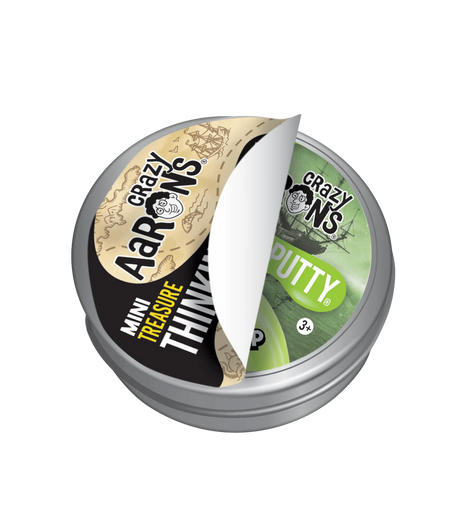
Click & Collect or 24hr Dispatch*

Sensory Slime & Thinking Putty For Curious Hands

Slime & Thinking Putty For Kids

There comes a point where children stop being interested in toys that always behave exactly as expected - roll the car and it rolls, press the button and it lights up. Then they discover something different: a material that stretches further than they expected, suddenly snaps, traps bubbles or melts through their fingers. They squeeze it once, then again, then spend twenty minutes working out what it might do next. It might sound odd coming from somewhere that sells it, but children aren't really captivated by slime - they're captivated by uncertainty, by a material that refuses to behave the same way twice. Our sensory slime, slime kits and thinking putty all belong to that family of play, and this page is about finding the kind that keeps your child coming back, and how to choose it.


Sensory Slime, Slime Kits & Thinking Putty For Kids

Good sensory slime and thinking putty aren't games with rules - they're materials with possibilities, and that's exactly why children return to them long after other toys disappear into the cupboard. Our range runs from stretchy, pourable sensory slime and complete slime kits to firmer, resistive thinking putty a child can knead while they think. But slime and putty aren't the same thing, and children use them very differently, so the right choice depends on what your child is drawn to. Below we walk through how slime and thinking putty differ, why texture matters more than colour, what's really happening during all that stretching and squeezing, and how to choose a slime or putty that keeps its qualities rather than drying out after a few days - because with these materials, the material is the experience.
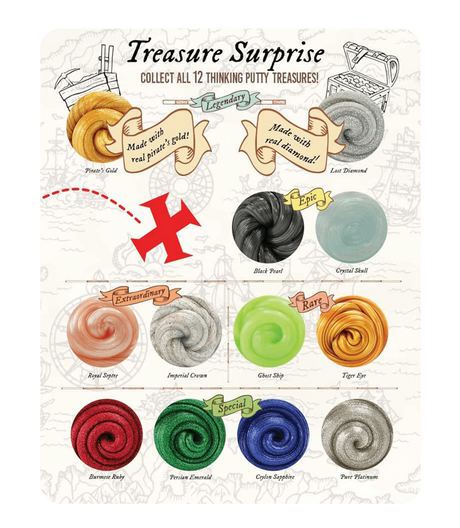
Sensory Slime Slime Kits Thinking Putty Tactile Regulation

Slime And Thinking Putty Aren't The Same Thing

Slime and thinking putty are often grouped together, but children tend to use them very differently, and understanding the difference makes choosing far easier than picking the brightest colour on the shelf. Slime encourages movement - stretching, pouring, squashing and watching. It's active, playful and wonderfully unpredictable, which is why a slime kit suits a child who loves energetic, hands-on experimentation. Thinking putty feels slower: children knead it while listening to a story, fold it during homework, hide little treasures inside it, stretch it while they think. It often becomes a quiet companion for busy hands rather than a messy activity. Neither is better - slime invites energetic experimentation, putty invites quiet focus - they simply answer different needs. A good guide is whether your child wants something to actively play with, or something to fiddle with calmly while their mind is elsewhere.

Why Children Keep Coming Back To Slime

Parents often wonder why slime comes back out day after day while other toys quietly vanish. It's tempting to think it's because slime is exciting, but excitement fades - curiosity lasts much longer. The interesting thing about slime is that it never becomes completely predictable: every time a child picks it up they have another small question they'd like answered. Can it stretch further today? Can it hold this tiny object? What happens if I roll it instead, or leave fingerprints in it? Most toys eventually become familiar; slime keeps inviting another experiment. Underneath what looks like aimless stretching and squeezing, a child is constantly changing one variable and watching the result - scientific thinking before they even know what science is - which is why they return to it without anyone suggesting they should.
Why Texture Matters More Than Colour

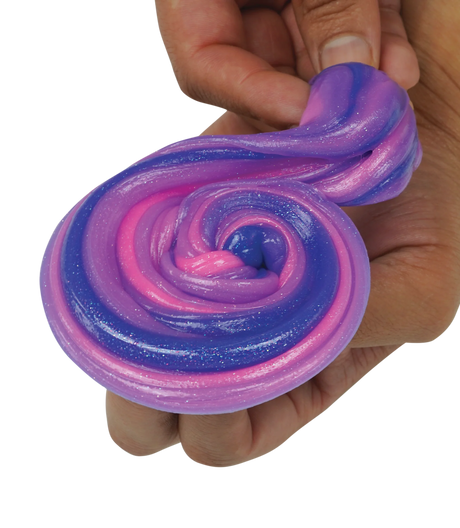
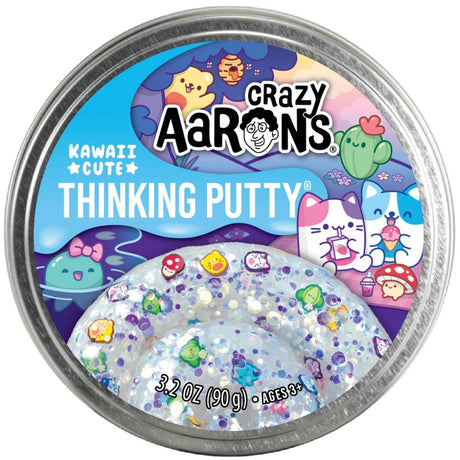
Adults often buy slime with their eyes; children choose it with their hands. Colour catches attention for a moment, but texture is what keeps a child engaged - and it changes the entire experience. Some children love slime that stretches into long ribbons, like cloud or butter slime; others prefer firmer putties they can really press into. Some enjoy tiny crackles and pops, others want something smooth and calming after a busy day. It's a little like choosing a pillow: two might look almost identical, but one feels exactly right. Children aren't usually searching for a particular colour - they're searching for a feeling, so when you're choosing, the texture matters far more than the shade.
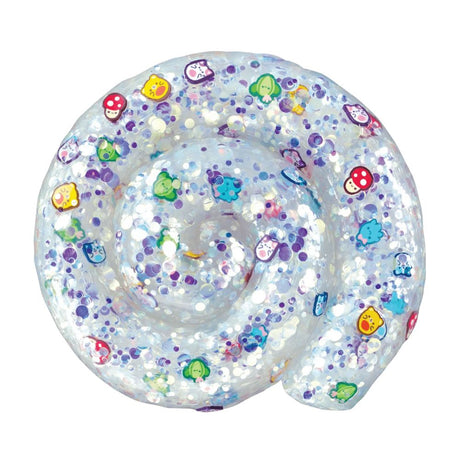
Mixed Emotions | Hide Inside!® Thinking Putty

Sensory Slime & Slime Kits For Hands-On Play

Sensory slime and slime kits are for the child who loves active, hands-on exploration - stretching, pouring, squashing and watching a material respond to everything they do. A slime kit is a good starting point because it gives a child the components to mix, make and explore in one go, which is part of the play itself. As a general guide, slime suits children who enjoy energetic sensory experimentation and don't mind a little mess, and it's wonderfully open-ended - there's no correct way to use it and no finished masterpiece waiting at the end, just a material that keeps responding to each new idea.

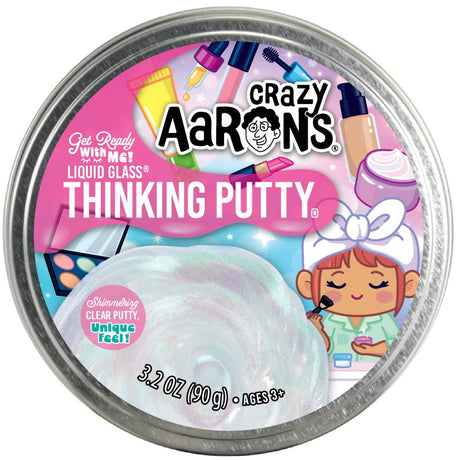
Get Ready with Me | Thinking Putty®

Thinking Putty For Quiet, Focused Hands

Thinking putty suits a different moment - the child who fiddles while listening, kneads while thinking, or needs something calming for busy hands during homework or a long car ride. Its firmer resistance gives satisfying feedback a child can work quietly, which is why it so often becomes a focus tool rather than a messy activity. The same self-directed exploration is there - folding, stretching, hiding treasures inside - but in a slower, quieter form that fits alongside other tasks rather than taking over the table. For many children it becomes the quiet tool they reach for without thinking.

Find The Right Slime Or Putty

Should You Choose Slime Or Thinking Putty?

Slime and thinking putty suit different children and different moments. Here's the quick way to decide.

Choose Sensory Slime Or A Slime Kit If Your Child:

Loves active, hands-on, messy play
Enjoys stretching, pouring and squashing
Likes to mix and make things
Is drawn to energetic experimentation

Choose Thinking Putty If Your Child:

Fiddles quietly while listening or thinking
Needs calm sensory input for busy hands
Wants something less messy than slime
Uses it during homework or car rides
If you're unsure, watch what your child reaches for - active stretching points to slime, quiet kneading points to putty. Many children enjoy both, for different moments of the day.

Why Families Choose Our Slime & Thinking Putty

Slime & Putty That Hold Their Texture

From Stretchy Slime Kits To Resistive Putty

Matched To How Your Child Plays

Why Quality Slime & Putty Matter

Slime has a surprisingly demanding life - stretched harder than adults expect, forgotten in backpacks, taken on holidays, opened on rainy afternoons - so quality isn't about making it feel premium; it's about making sure the experience stays the same. Children notice when slime dries out after a few days, becomes sticky instead of stretchy, or when a favourite putty no longer behaves the way it used to. With these materials the material IS the experience, so if it changes too quickly, the play changes with it. That's why we look for slime and thinking putty that hold their stretch, texture and qualities over time - good quality doesn't just last longer, it preserves the very thing that made a child fall in love with it. When you're choosing, a slime or putty that keeps its texture is worth far more than a brighter one that dries out.

A Different Way To Think About Mess

Most conversations about slime arrive at the same place: the carpet, the clothes, the table. The honest truth is that slime probably will create a little mess from time to time - but so will paint, water, sand, mud, baking and gardening. The question isn't whether children should avoid every activity that leaves evidence behind; it's whether something meaningful happened while they were doing it. Sometimes a messy table tells the story of a child who spent forty uninterrupted minutes completely absorbed in their own ideas - and that's a trade many families are happy to make. Choosing a quality slime that's easy to contain, and a putty that's far less messy than classic slime, can make that trade easier still.

Choosing Slime Or Thinking Putty: The Short Version
In short: rather than asking which slime or putty is best, ask what keeps drawing your child back. Do they love stretching and active, messy play? A sensory slime or slime kit suits them. Do they fiddle quietly while listening, or seek calm sensory play after busy days? Thinking putty is often the better fit. Choose for texture over colour, pick quality that holds its qualities rather than drying out, and let the material your child instinctively reaches for again tomorrow guide you. These simple materials have stayed part of childhood for generations - not because they keep children busy, but because they keep children wondering what might happen next.

Frequently asked questions
How do I choose the right slime or putty for my child?

Start with what keeps drawing your child back rather than which one is trending. Do they love stretching and active play, or quiet, repetitive squeezing? Do they seek calm sensory play, or energetic experimentation? Active, messy play points to sensory slime or a slime kit; quiet fiddling points to thinking putty. The best one is simply the material your child instinctively reaches for again tomorrow.

How do I keep slime from drying out?

Quality matters most here - a good slime holds its stretch far longer than a cheap one. Beyond that, store slime in a sealed container out of the sun, keep hands clean and dry before playing, and put it away after use. Thinking putty generally lasts longer than slime because it doesn't dry out the same way, which is part of why it suits everyday, repeated use.

What age is slime and thinking putty suitable for?

As a general guide, slime and putty suit children from preschool age upward, with supervision for younger children. Always check the age rating on the specific product, and supervise young children, since these materials aren't for mouthing and some contain small parts or beads. For the youngest children, simpler, larger-textured options rated for their age are the safer starting point.

What is cloud slime and butter slime?

They're different textures of slime. Cloud slime is light and fluffy with a soft, crumbly stretch, while butter slime is smooth, thick and spreadable - it stretches and folds almost like soft butter. Children often have a strong preference for one texture over another, which is a good reminder that the feel matters far more than the colour.

Can sensory slime help children who feel anxious or overwhelmed?

Slime and putty can be calming for some children, because repetitive, predictable tactile play gives the hands and mind something steady to focus on. It's individual rather than a guaranteed fix, but many children find stretching slime or kneading putty settling after a busy day. A smooth, calming texture often suits this better than a crackly or noisy one.

Is thinking putty good for sensory regulation?

For many children, yes. The firm, resistive feedback of thinking putty is satisfying to knead and squeeze, and that repetitive, self-directed movement can be calming and organising. It's why putty is so often used quietly during homework, listening or long waits - it gives busy hands something to do while the child stays focused on something else.

What is a slime kit and is it worth it?

A slime kit gives a child the components to mix, make and explore slime themselves, which is part of the fun - the making is an activity in itself, not just the finished slime. For a child who loves hands-on, experimental play it's well worth it, and it tends to hold their interest longer than a single pot of slime because there's more to discover.

What is the difference between sensory slime and thinking putty?

They're used very differently. Sensory slime is stretchy, pourable and active - it suits energetic, hands-on play and a child who loves to stretch, squash and experiment. Thinking putty is firmer and more resistive, suiting quiet kneading while a child listens, thinks or works. Slime invites movement; putty invites calm focus. Neither is better - it depends on whether your child wants something to actively play with or something to fiddle with quietly.