
Click & Collect or 24hr Dispatch*


No products found

Sensory Chew Pencil Toppers For School & Focus

Adults often assume children chew pencils because they're distracted - but many are chewing because they're concentrating, which sounds backwards until you watch closely. Pencil chewing tends to appear exactly when a child is sounding out a hard word, working through handwriting, recalling spelling, or listening to a new concept. Writing asks an enormous amount of a young brain - coordinating language, memory, visual processing, fine motor control, posture and attention all at once - and for some children chewing becomes one more strategy that helps hold all those pieces together. The pencil simply happens to already be in their hand. We choose our sensory pencil toppers around that reality. Below we look at why writing brings chewing out, why a topper that's already on the pencil makes such sense, why a discreet tool matters so much at school age, and how to choose one that survives daily classroom use.

Pencil Chew Toppers Discreet At School Chew While Writing Food-Grade Silicone

Why Writing Brings Out Pencil Topper Chewing

Something interesting happens in classrooms: many children who seem calm during play start chewing the moment independent work begins. It's easy to assume they're bored - often they're doing the opposite, working incredibly hard. Writing is one of the most demanding tasks a child does each day, asking their hands to move precisely while their eyes track the page, their brain recalls information and their attention stays anchored to the task. For some children, chewing becomes almost like quietly tapping a foot during a difficult conversation - it isn't the activity itself that matters, it's what the activity helps them manage. Seen this way, pencil chewing is less a poor habit and more a way some children organise themselves while learning - and a chew pencil topper simply gives that strategy a safe outlet that doesn't interrupt the lesson.

Sensory Pencil Toppers: The Pencil Was Never The Goal

Children who seek oral sensory input rarely attach to one object. If there's no pencil, it may be a jumper sleeve; if there's no jumper, a hoodie cord; then fingernails, drink-bottle lids or toy corners. The object changes, the need doesn't - which is why asking a child to stop chewing their pencil usually just sends them to find something else. They're not looking for wood, they're looking for the feeling chewing provides. That's exactly why a pencil topper works: rather than removing the thing they reach for, it makes the thing they're already holding safe to chew. The need is met in place, so there's nothing else to go looking for.

Pencil Chew Toppers vs Other Oral Sensory Tools

Where do pencil chew toppers fit among other oral sensory supports? The honest answer is that they suit one specific moment exceptionally well: chewing while writing. A chew necklace is better for all-day, all-over chewing and travel; a handheld chew suits a child who wants something to hold; but for the child who chews mainly during schoolwork, chewing pencil toppers win because the tool is already in their hand the instant the need arises. Many children use more than one - a pencil topper at the desk, a necklace for the rest of the day. If your child's chewing is mostly tied to writing and concentrating, a pencil chew topper is usually the most natural place to start.

Find The Right Pencil Topper

Which Sensory Pencil Topper Suits Your Child?

The best pencil topper depends on how your child chews while they work. Here's the quick way to decide.

Choose A Tougher Pencil Topper If Your Child:

Bites firmly with their molars
Chews hard whenever concentrating
Wears through softer toppers quickly
Needs strong, durable chew resistance

Choose A Softer, Discreet Topper If Your Child:

Gently mouths the pencil while thinking
Only chews sometimes while writing
Wants something subtle for the classroom
Is new to using a chew tool
Whichever you choose, look for food-grade silicone and a secure fit, and pick for how your child chews rather than the look. A discreet topper a child forgets they're using is often the one that helps most.

Why Families Choose Our Sensory Pencil Toppers

Food-Grade Silicone, BPA & Phthalate-Free

Discreet - Just Another Pencil At School

Built For Daily Classroom Chewing

One Child's Pencil Topper May Not Suit Another

Not every child chews the same way, so the right pencil topper isn't really about colour or shape. Some children gently mouth the end of a pencil; others bite down firmly with their molars every time they concentrate. Some chew only while writing; others chew throughout the day whenever they're thinking. A child who chews heavily needs a topper built to withstand stronger biting, while a child who only occasionally seeks oral input may prefer something softer and less noticeable. The product only makes sense once the child does - so the most useful thing you can do before choosing is simply notice how, and how hard, your child chews.

Why Pencil Topper Quality & Safety Matter

At first glance most pencil toppers look alike; the real differences show after weeks of daily classroom use. A topper not designed for repeated chewing doesn't just look worn - it can split, tear or lose the qualities that made it a safe alternative in the first place, which is why durable, chew-safe materials matter. We look for food-grade silicone free from BPA, PVC and phthalates, because children don't use sensory tools delicately - they use them honestly, every school day. Fit the topper securely to the pencil, supervise younger children, and check it regularly, replacing any that becomes worn, loose or damaged, since a breaking-down topper can become a choking risk rather than a safe outlet.

Choosing A Sensory Pencil Topper: The Short Version
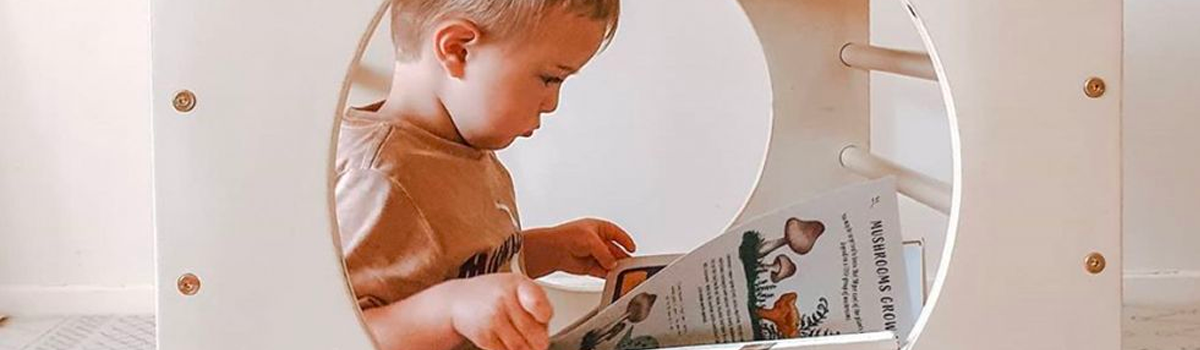
In short: if your child chews pencils while they work, they're usually concentrating, not misbehaving - and a sensory pencil topper meets that need exactly where it happens, discreetly, without interrupting learning. Notice how your child chews (firm or gentle, all day or only while writing), choose a topper that matches that and survives daily use, insist on food-grade silicone, and fit and check it for safety. A pencil topper won't make learning effortless, but it removes one small obstacle - so a child who no longer has to fight the urge to chew has a little more attention for the task in front of them. That's a different way of looking at the same small piece of silicone.

Frequently asked questions
Can pencil toppers stop children chewing clothes?

For some children, chew pencil toppers help redirect chewing away from sleeves, collars, pencils and fingers by providing a more suitable oral sensory outlet during concentration or stress.

Are sensory pencil toppers good for ADHD?

Some children with ADHD benefit from sensory supports that help keep the body engaged during focus tasks. Sensory pencil toppers may provide helpful oral sensory input during classroom learning, homework and independent work.

Will a pencil topper distract my child or others in class?

Generally the opposite - by meeting the urge to chew, a pencil topper can free up attention a child was spending fighting that urge, helping them focus on the work. And because it looks like part of an ordinary pencil, it's discreet: from across the classroom it's just another pencil, so it tends not to draw attention from other children. A discreet topper a child barely notices is usually the one that helps most.

How do I choose a pencil topper for a strong chewer?

For a strong, molar chewer, durability is key - choose a tougher topper built to withstand repeated firm biting without splitting, and check it often. Softer toppers suit gentle mouthers but wear through quickly under hard chewing, and a topper that's breaking down stops being the safe alternative it was meant to be. Match the firmness to how hard your child chews, and replace it as soon as it shows damage.

Are sensory pencil toppers safe for school?

They're designed to be, with the right topper and supervision. Choose food-grade silicone free from BPA, PVC and phthalates, make sure the topper fits the pencil securely, and supervise younger children. Check it regularly and replace any that becomes worn, loose or damaged, since a breaking-down topper can become a choking risk. Many schools allow them as a sensory support, but it's worth checking your school's policy.

Are chew pencil toppers good for children with autism or ADHD?

They can be a helpful support. Oral sensory seeking is common in autistic and ADHD children, and a pencil topper offers a discreet, safe outlet during schoolwork - though plenty of children without either diagnosis chew pencils while concentrating too. The chewing itself isn't a diagnosis. If you have concerns about your child's sensory needs, an occupational therapist or GP can advise for your individual child.

Why does my child chew pencils?

Usually because they're concentrating, not distracted. Writing is demanding - coordinating language, memory, fine motor control and attention at once - and for some children chewing helps hold those pieces together, like tapping a foot during a hard conversation. The pencil just happens to be in their hand. It's a way some children organise themselves while learning, which is why it appears during writing rather than play.

What are sensory pencil toppers used for?

Sensory pencil toppers give children who chew while they work a safe, discreet alternative to chewing the pencil, eraser or pen cap. For a child seeking oral sensory input, chewing while writing can help them concentrate, so the topper meets that need right where it happens - on the pencil already in their hand - without interrupting the lesson or needing a separate tool.