Click & Collect or 24hr Dispatch*

Gentle Movement & Balance Play

Rocking Toys for Toddlers

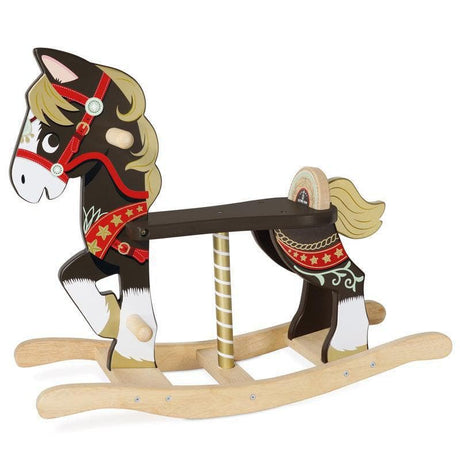
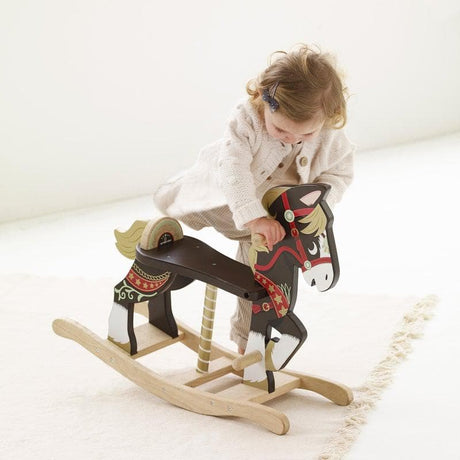
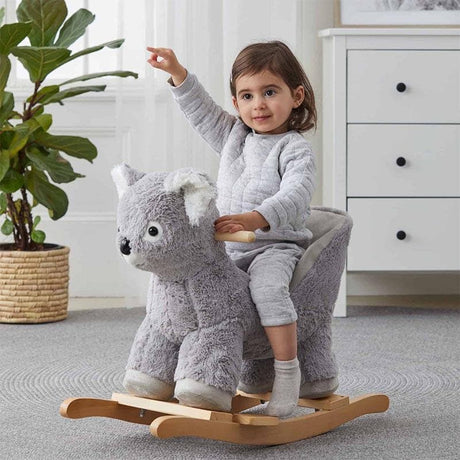
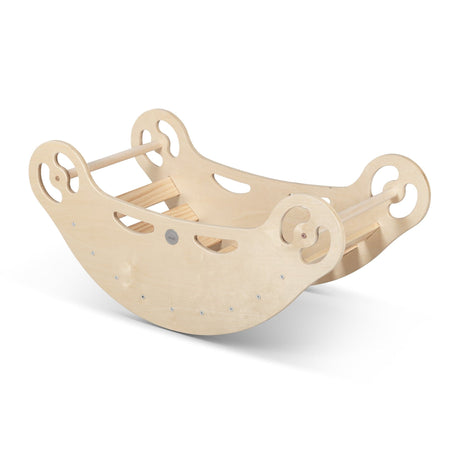
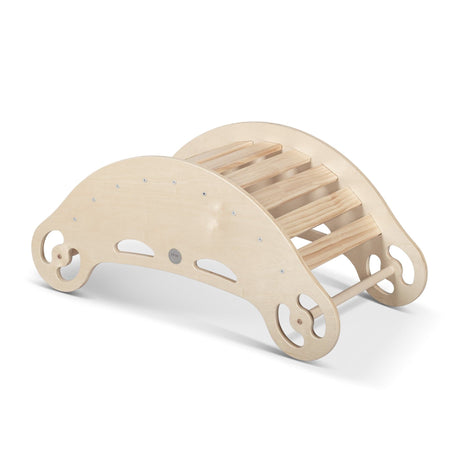
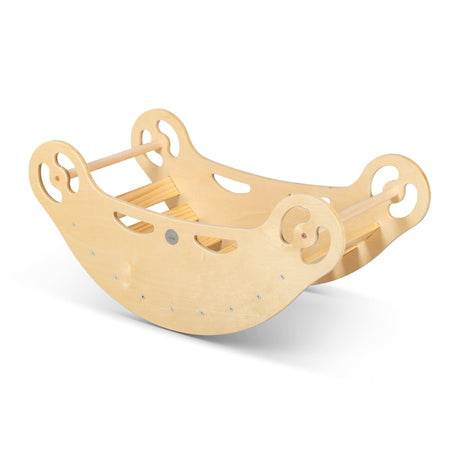
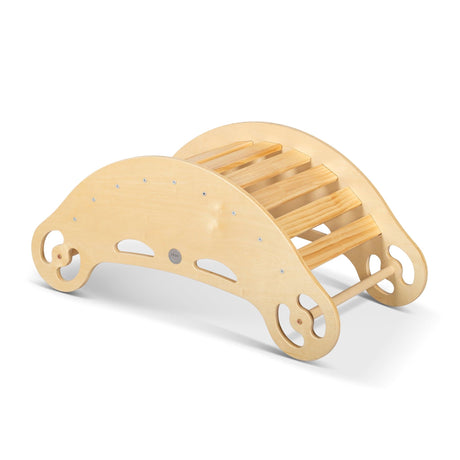
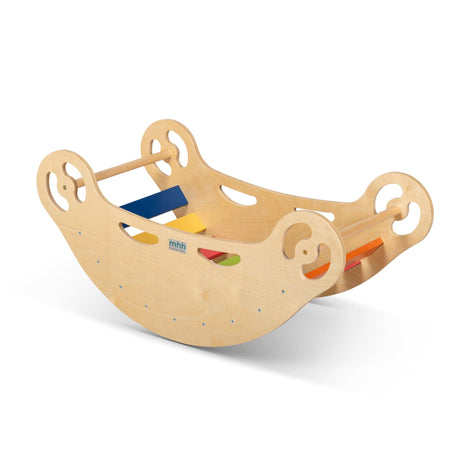
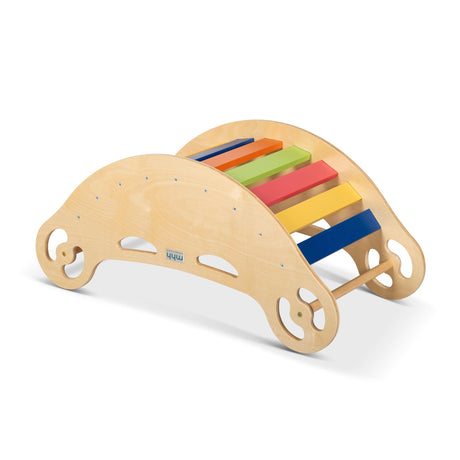
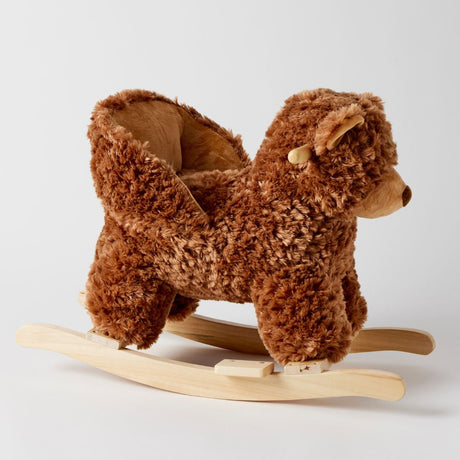
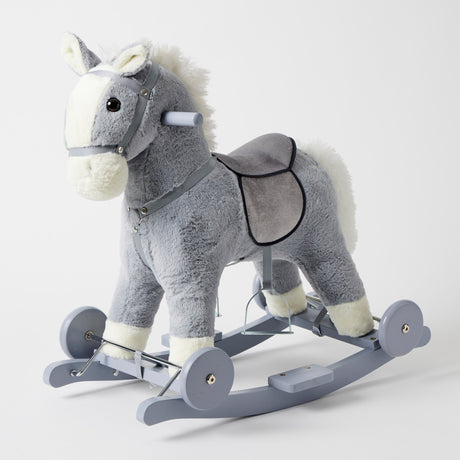
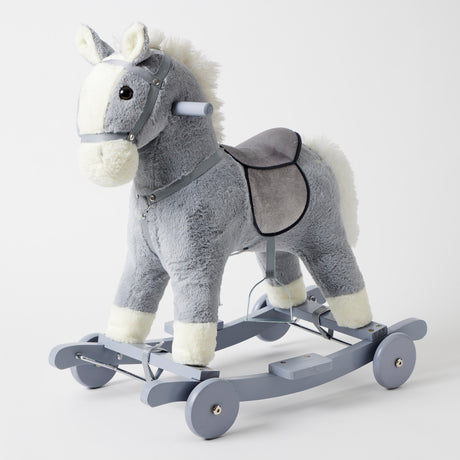
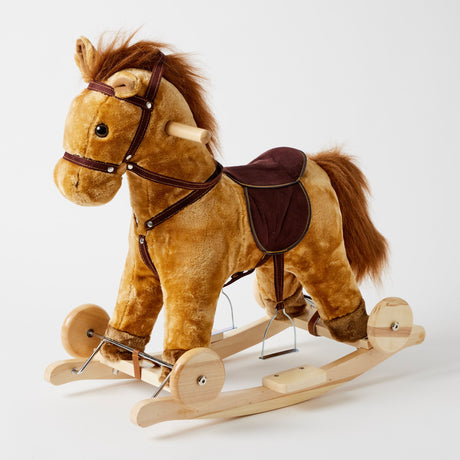
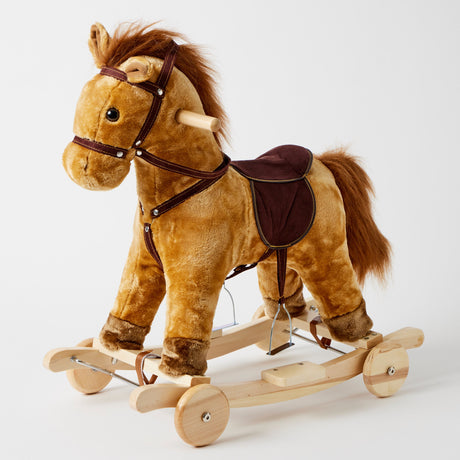
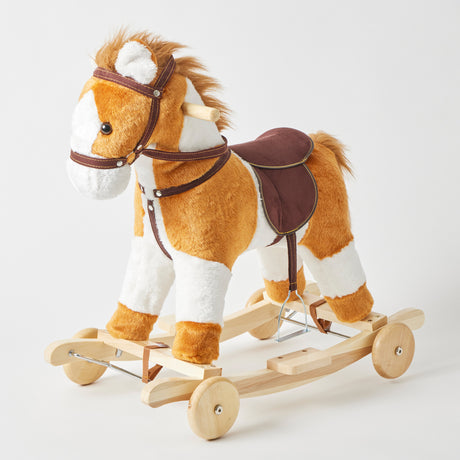
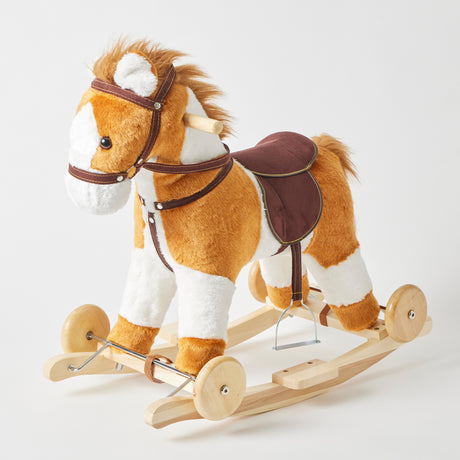
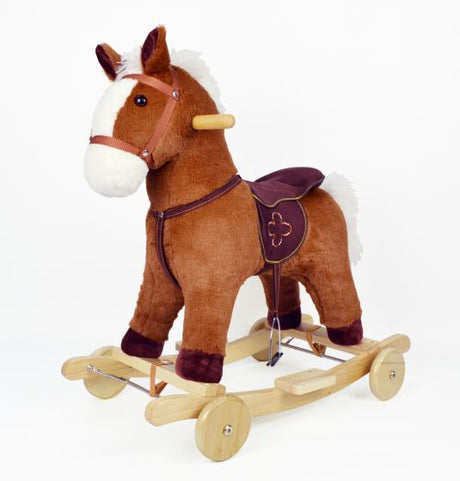
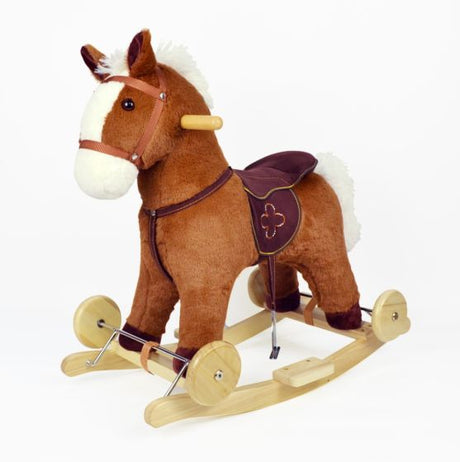
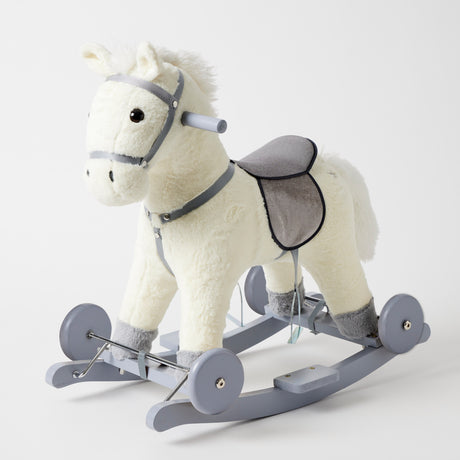
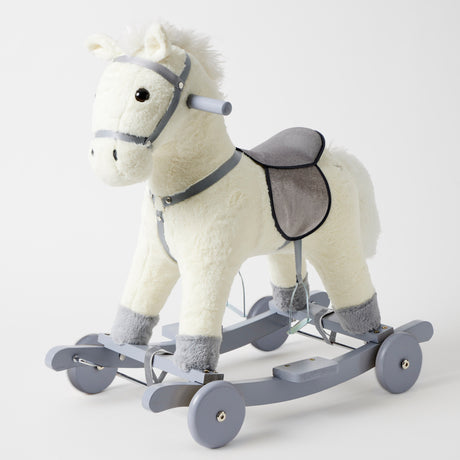
Designed for toddlers and young children who love movement, rocking toys provide calming vestibular play through gentle back-and-forth motion. Our collection of rocking horses, rocking animals, and sensory rocking toys helps children build balance confidence, body awareness, and movement coordination while giving parents safe, age-appropriate options for indoor active play.


Indoor Rocking Toys for Toddlers Learning Balance

Why Toddlers Love Rocking Movement

Rocking movement feels naturally calming and engaging for many toddlers. Gentle back-and-forth motion supports early vestibular development while helping children practise body awareness, balance reactions, and movement confidence through play.

Many parents choose rocking toys for toddlers because they provide movement opportunities indoors without needing large climbing equipment or high-energy active play. For some children, rocking movement can also feel soothing and regulating during periods of sensory seeking, emotional overwhelm, or restless behaviour.

This collection has been carefully selected to help families choose rocking toys that feel safe, durable, practical for indoor use, and genuinely enjoyable for toddlers across different stages of movement development.

Calming Movement Balance Confidence Indoor Active Play Sensory-Friendly Movement

Supports Early Balance & Coordination

Rocking toys encourage toddlers to shift their weight, adjust posture, and respond to movement changes while playing. These small balance reactions help children build movement confidence and body awareness naturally through repetition.

Provides Gentle Vestibular Movement

Unlike fast spinning or high-energy climbing play, rocking movement offers slower and more controlled vestibular input that many younger children find calming, predictable, and easier to manage.

Encourages Indoor Active Play Without Overwhelm


Rocking toys give toddlers a movement outlet that feels active without becoming chaotic. Many families find rocking play easier to introduce indoors because the movement remains contained, rhythmic, and soothing.

Rocking Duck

Indoor Rocking Toys for Toddlers Learning Balance

For younger toddlers who are still developing confidence with movement play, rocking toys can provide gentle opportunities to practise balance, coordination, and body positioning indoors. Lower-profile rocking toys are often ideal for beginner movement exploration because they feel predictable and easier for toddlers to control independently.

Sensory Rocking Toys for Calm Movement Play

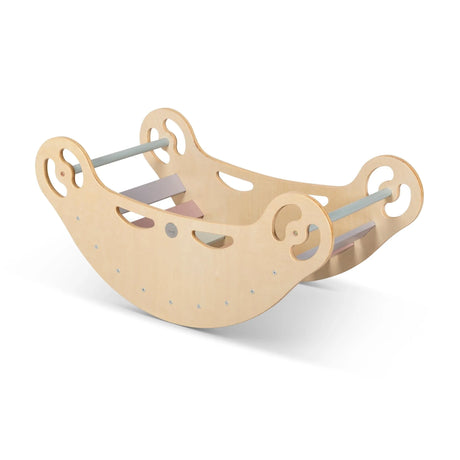
Some toddlers naturally seek rocking, swaying, or repetitive movement throughout the day. Sensory rocking toys can help provide soothing vestibular input in a calmer and more structured way, making them a popular choice for children who benefit from rhythmic movement during play.

Choosing The Right Rocking Toy

What Type Of Rocking Toy Is Best?

The best rocking toy for toddlers depends on your child’s age, movement confidence, sensory preferences, and how you plan to use the toy at home.

Choose A Smaller Beginner Rocking Toy If Your Child:

  • Is under 2 years old Is new to movement toys Prefers gentle movement Needs lower-profile seating Is still developing balance confidence

Choose A Larger Or More Active Rocking Toy If Your Child:

  • Loves movement play Enjoys repetitive rocking motion Seeks vestibular sensory input Is physically confident Wants more imaginative active play
If you are unsure where to begin, lower and more stable rocking toys are usually the easiest and safest starting point for toddlers learning movement confidence.

Designed For Safe & Calming Toddler Movement

Stable toddler-friendly rocking designs suitable for indoor use

Supports balance confidence, body awareness, and calm movement play

Carefully selected for durability, safety, and age-appropriate movement experiences

When A Rocking Toy May Not Be The Best Fit

Not every child enjoys gentle rocking movement. Some children prefer faster vestibular play, climbing activities, or stronger movement input throughout the day. If your child constantly seeks spinning, balancing, or large body movement, a spinning chair, balance board, or more active movement toy may feel more engaging and regulating for their sensory profile.

Calming Movement Play Toddlers Naturally Enjoy

The right rocking toy can help toddlers explore movement, balance, and sensory play in a calm and confidence-building way. Whether your child enjoys soothing rhythmic movement or imaginative active play, rocking toys provide gentle vestibular experiences that feel engaging, supportive, and easy to incorporate into everyday family life.

Frequently asked questions
Are rocking toys good for indoor active play?

Yes. Indoor rocking toys give toddlers a movement outlet that feels active without needing large climbing frames or outdoor space. Many families use rocking toys as part of calm movement play because the motion stays controlled, rhythmic, and easy to manage indoors.

Can rocking toys help autistic children?

Some autistic children enjoy rocking movement because repetitive vestibular input can feel calming and predictable. Sensory rocking toys may support body regulation and movement confidence for children who naturally seek rhythmic movement. However, every child’s sensory preferences are different, and some children may prefer stronger or more active movement experiences instea

Are wooden rocking toys better than plastic ones?

Many families prefer wooden rocking toys because they tend to feel sturdier, more durable, and visually calmer within the home. Wooden rocking horses and rocking animals are also popular for their timeless design and long-term durability. However, the best choice depends on your child’s age, movement confidence, and your family’s style preferences.

What is the difference between rocking toys and ride on toys?

Rocking toys stay in one place and focus on gentle back-and-forth movement, while ride on toys encourage forward movement and mobility. Rocking toys are usually better suited to calming vestibular play and early balance confidence, whereas ride ons support coordination, pushing, steering, and larger movement exploration.

Are rocking horses safe for toddlers?

A properly designed rocking horse for toddlers can be a safe movement toy when used appropriately and under supervision. Parents should look for stable construction, age-appropriate sizing, smooth rocking motion, and supportive seating for younger children. Lower rocking ranges are often best for beginner toddlers.

Are rocking toys good for sensory development?

Yes. Sensory rocking toys provide gentle vestibular input through repetitive movement, which may help some toddlers feel calmer, more organised, and more aware of how their body moves in space. Many toddlers naturally seek rocking, swaying, or rhythmic movement as part of normal sensory exploration and development.

What age are rocking toys suitable for?

Most rocking toys for toddlers are suitable from around 12 months onward depending on the design, seat support, and stability. Younger toddlers often benefit from lower-profile rocking toys with supportive seating, while older children may enjoy larger rocking horses or more active rocking animals designed for stronger movement play.

What are rocking toys good for?

Rocking toys for toddlers support gentle movement play through controlled back-and-forth motion. Many children naturally enjoy rocking because it helps them practise balance, coordination, body awareness, and movement confidence. Rocking movement can also feel calming and soothing for toddlers who enjoy repetitive sensory input during play.