Click & Collect or 24hr Dispatch*

Toddler Toys

Supporting The Shift From Baby Play To Purposeful Play

Toddlerhood is a period of enormous change. Children begin moving beyond simple exploration and start interacting with toys more intentionally. They repeat actions, test ideas, solve small problems and look for opportunities to do things independently. This guide helps parents understand how play evolves during the toddler years and identify experiences that align with their child's growing confidence, curiosity and independence.

Start here

The most engaging toddler toys are often the ones that match what your child is trying to master right now rather than simply choosing toys based on age alone.

Some toddlers are focused on repetition and routine, while others are seeking movement, challenge or greater independence. Understanding these differences can make it easier to choose the right type of play.

View as

Toddlers Learn By Doing Things Themselves

One of the defining characteristics of toddlerhood is a growing desire for independence. Children begin moving from passive observation towards active participation, wanting to carry, stack, sort, move, build and repeat activities on their own terms. This stage often involves experimentation, persistence and plenty of trial and error. What may appear repetitive to adults is often how toddlers build confidence, develop understanding and make sense of the world around them. Choosing play experiences that align with these natural behaviours can help support longer engagement and more meaningful play.

Growing Independence Learning Through Repetition Problem Solving Purposeful Play
When Sitting Still Becomes Difficult

Some Toddlers Need Bigger Physical Challenges

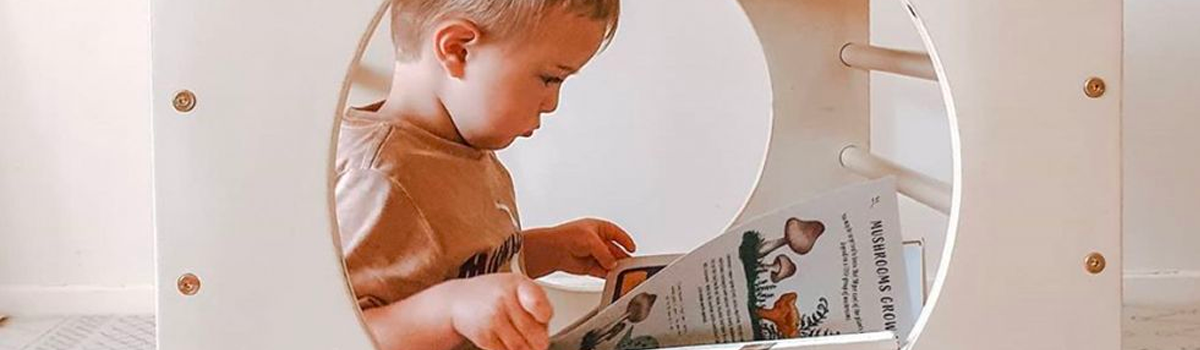
As confidence grows, many toddlers become increasingly motivated by movement. Climbing, balancing and physical exploration often become just as important as toy-based play, particularly for children who seem constantly on the move.

There Is No Single Right Way To Play During Toddlerhood

Toddlers often develop interests and preferences that seem to change overnight. Some become fascinated by building and repetition, while others focus on movement, transporting objects or solving increasingly complex challenges. These differences are a normal part of development and reflect the many ways children learn through play.

Rather than focusing on finding the perfect toy, it can be helpful to pay attention to the behaviours your child repeatedly returns to. The activities they seek out often provide valuable clues about the skills they are currently developing and the types of play that feel most meaningful.

The goal is not to keep toddlers constantly entertained. It is to provide opportunities that support curiosity, confidence and growing independence as they learn more about themselves and the world around them.

Frequently asked questions

Questions parents often ask

What Skills Are Toddlers Developing Through Everyday Play?

Play during toddlerhood supports a remarkable range of developmental skills. While adults often focus on the visible activity itself, children are typically learning much more than it first appears.

Through everyday play, toddlers practise problem solving, coordination, communication, concentration and persistence. They learn how objects work, how their actions influence outcomes and how to adapt when things do not go as expected. Even simple activities often involve decision making, experimentation and repeated opportunities for learning.

Play also supports growing independence. As toddlers attempt tasks on their own, they build confidence in their abilities and develop a stronger sense of capability. This confidence frequently carries over into other areas of daily life.

Importantly, play allows children to learn in a way that feels natural and enjoyable. Rather than focusing solely on outcomes, toddlers benefit from the process of exploration itself. The skills developed through everyday play often form the foundation for future learning, problem solving and confidence throughout childhood.

FAQ How Can I Encourage Independent Play Without Constant Direction?

Independent play is not something children suddenly learn overnight. It develops gradually through repeated opportunities to explore, experiment and engage with activities on their own terms. For many toddlers, independent play begins with short periods of focused engagement before expanding naturally over time.

One of the most effective ways to support independent play is by providing activities that align with a child's current interests and abilities. When toddlers feel capable and confident, they are often more willing to persist without constant assistance or entertainment from adults.

It can also be helpful to allow children time to work through small challenges independently before stepping in. While it is natural to want to help, moments of problem solving often contribute significantly to growing confidence and persistence.

Independent play does not mean children never seek interaction. Rather, it involves creating opportunities for children to take ownership of their play, explore ideas freely and develop confidence in their ability to engage with activities independently.

Why Do Some Toddlers Lose Interest In Toys So Quickly?

It is common for parents to feel frustrated when a new toy captures a toddler's attention for only a few minutes. While this can sometimes indicate that an activity is not the right fit, it is often a normal part of toddler development.

Toddlers are naturally curious and frequently move between activities as they explore their environment. They are learning what interests them, testing different experiences and deciding which activities feel worth revisiting. Short periods of engagement do not necessarily mean a toy lacks value.

Interest is often influenced by developmental readiness. A toy that feels uninteresting today may become highly engaging several months later as new skills emerge. Likewise, a toy that was once a favourite may lose appeal when a child has mastered the challenges it presents.

Parents can often reduce frustration by focusing less on immediate engagement and more on whether a toy supports meaningful opportunities for exploration, repetition and problem solving. Many valuable play experiences reveal their worth over time rather than during the first interaction.

What Makes A Toy Engaging For A Toddler?

Toddlers are often far less interested in complexity than adults expect. The toys that hold attention the longest are not necessarily those with the most features. Instead, engaging toddler toys often align closely with a child's current developmental interests and abilities.

Many toddlers are drawn to activities that allow them to repeat actions, solve simple problems, test ideas and explore independence. Toys that can be used in multiple ways or revisited repeatedly often maintain interest longer because they continue offering new opportunities for experimentation.

Engagement is also influenced by challenge. Activities that are too simple may quickly lose appeal, while those that are too difficult can create frustration. The most engaging experiences often sit somewhere between these extremes, providing opportunities for success while still encouraging growth.

Rather than asking whether a toy is popular, it can be helpful to consider whether it supports the behaviours your toddler currently displays. Understanding how your child naturally plays often provides valuable clues about what will capture and maintain their attention.

Why Do Toddlers Want To Do Everything Themselves?

A strong desire for independence is one of the defining characteristics of toddlerhood. Many parents experience a stage where children insist on carrying their own belongings, attempting tasks independently and refusing help even when assistance would make things easier.

This behaviour reflects important developmental changes. Toddlers are beginning to understand themselves as capable individuals and are motivated to test their abilities. Through independent action, they learn how their bodies work, how objects behave and what they can accomplish through persistence and practice.

Although this desire for independence can sometimes create frustration, it is often a positive sign of growing confidence. Children learn through doing, and many developmental skills emerge through repeated opportunities to attempt tasks on their own.

Supporting independence does not mean expecting toddlers to manage everything without help. Instead, it involves providing opportunities to participate, experiment and build confidence while knowing support is available when needed. These experiences often contribute to resilience, problem solving and a stronger sense of capability over time.

How Does Play Change Between Babyhood And Toddlerhood?

The transition from babyhood to toddlerhood brings significant changes in the way children engage with play. Babies are primarily focused on observation, sensory exploration and discovering how their actions affect the world around them. Toddlers, however, begin interacting with toys and activities with greater purpose and intention.

As toddlers develop, they become increasingly interested in experimenting, problem solving and doing things independently. They often repeat activities, test boundaries and seek opportunities to influence outcomes. Instead of simply exploring objects, they begin using them in more deliberate ways.

This stage also brings greater persistence. Many toddlers become determined to complete tasks on their own, even when those tasks are challenging. Activities that involve building, sorting, transporting, matching and problem solving often become increasingly engaging because they align with these emerging developmental needs.

Understanding this shift can help parents move beyond choosing toys based purely on age. Focusing on how a child currently plays often provides a better indication of what types of experiences will be meaningful and engaging.

Why Do Toddlers Repeat The Same Activities Over And Over?

Many parents notice that toddlers seem content doing the same activity repeatedly. Whether it is stacking blocks, carrying objects across the room, completing the same puzzle or repeatedly knocking down and rebuilding a tower, this behaviour is a normal and important part of development.

Adults often seek novelty, but toddlers learn through repetition. Repeating an activity allows children to test ideas, refine skills and build confidence in their abilities. Each repetition provides new information about how objects behave, how their bodies move and what happens when they try something slightly differently. What may appear repetitive from an adult perspective is often highly purposeful from a developmental perspective.

Repetition also helps toddlers develop a sense of predictability and mastery. Successfully completing a familiar activity builds confidence and encourages persistence. These experiences create opportunities for children to strengthen concentration while developing an understanding of cause and effect.

Rather than constantly introducing new activities, it can often be beneficial to allow toddlers the time and space to revisit familiar experiences. Repetition is one of the primary ways young children build understanding, confidence and independence through play.