Click & Collect or 24hr Dispatch*


The Real Reason Families Buy A Montessori Bookshelf

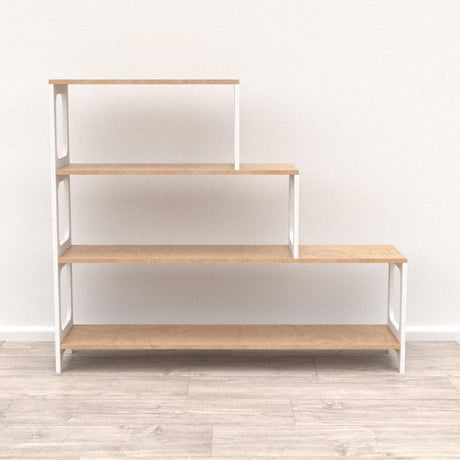
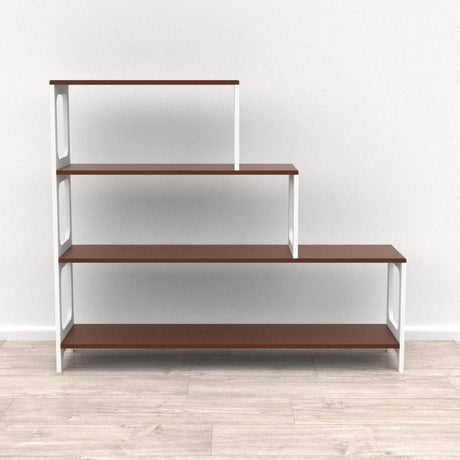
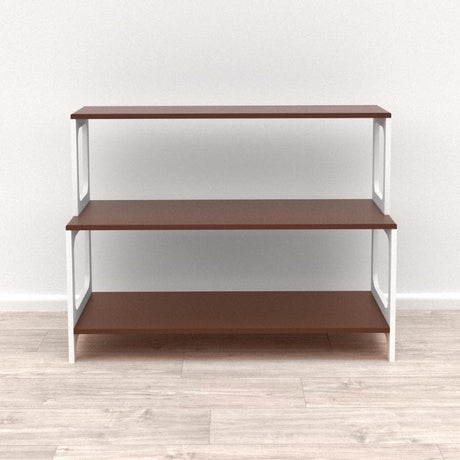
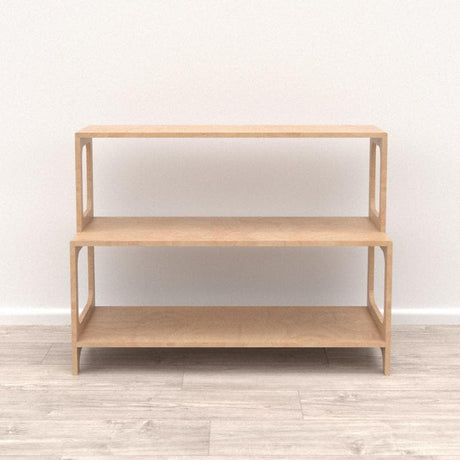
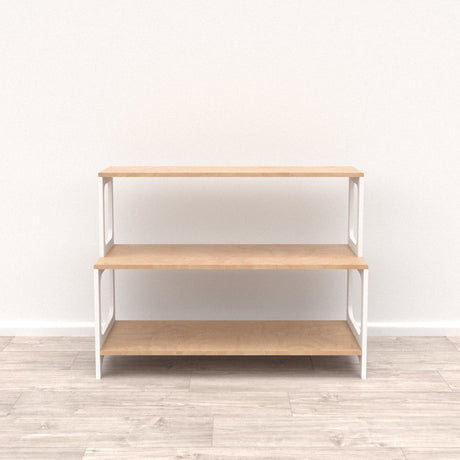
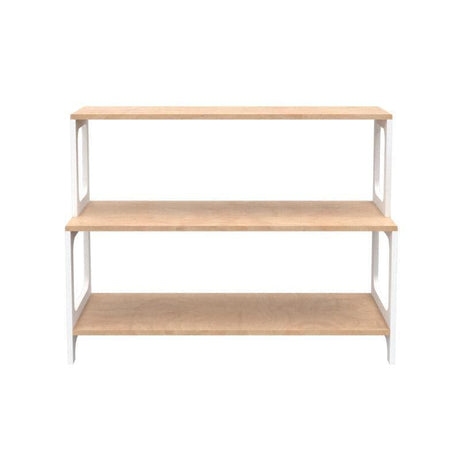
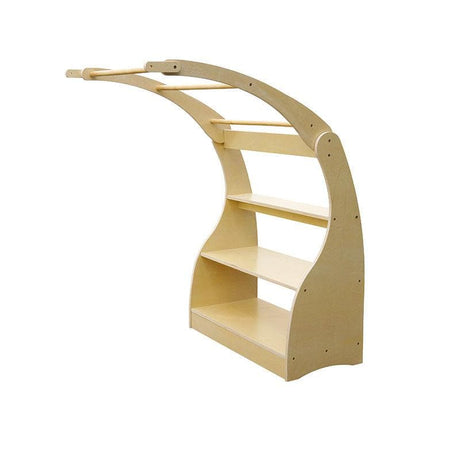
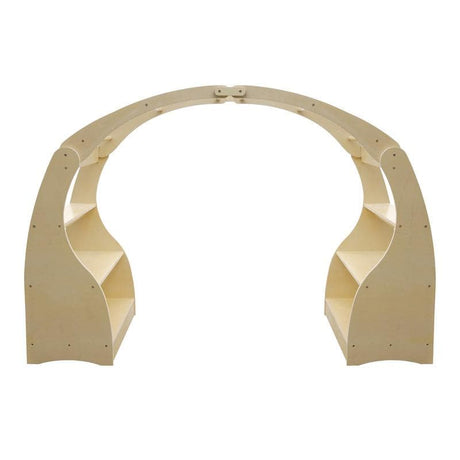
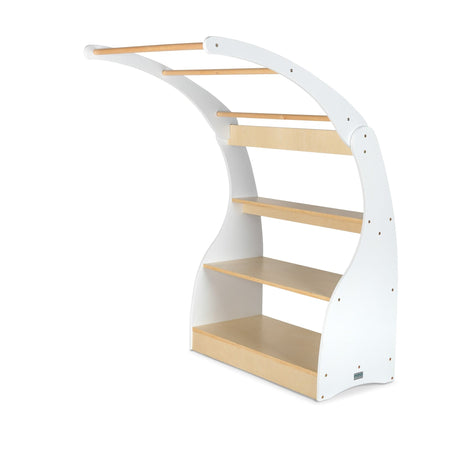
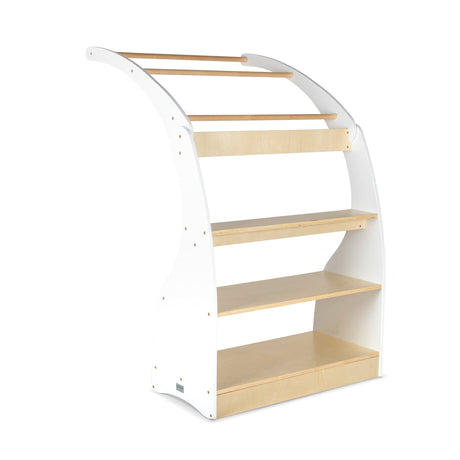
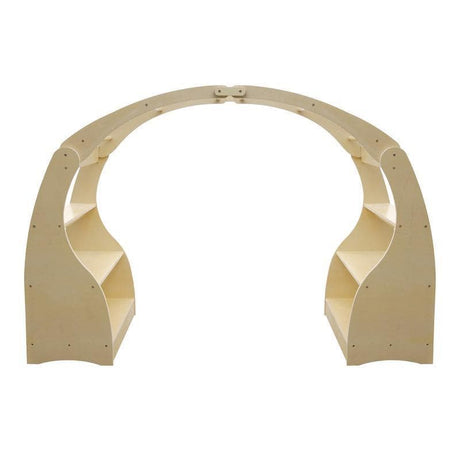
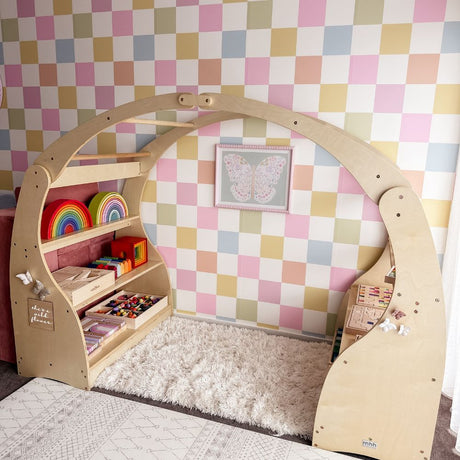
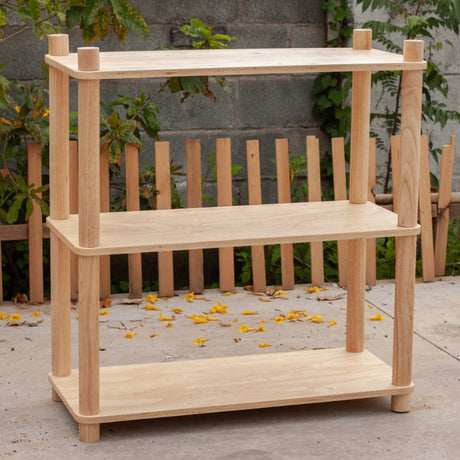
Most parents don't buy a Montessori bookshelf because of Montessori at all - they buy one hoping reading becomes something their child chooses to do. Not because it's bedtime, not because they've been asked, but because a book is sitting there within reach, quietly waiting. A Montessori bookshelf is designed for exactly that: front-facing or low-shelf display, everything at a child's height, a small selection rather than a crammed library. The parents who love their Montessori shelf most almost never talk about the shelf - they talk about the small changes afterwards: the child who started carrying a book to the couch on their own, the afternoon they ended up reading together instead of only at bedtime. Our Montessori bookshelves are solid wood and built to that purpose, grouped alongside front-facing book stands and Montessori toy shelves so you can match the shelf to your child's stage. If you'd like the bigger picture first, our guide on Montessori versus regular bookshelves goes deeper.

Built For Access Child-Height Solid Wood A Small, Rotating Selection

A Montessori Bookshelf Where Fewer Books Means More

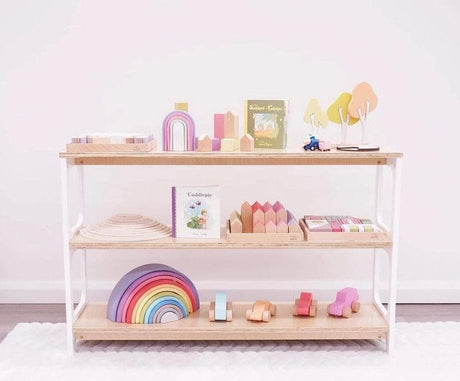
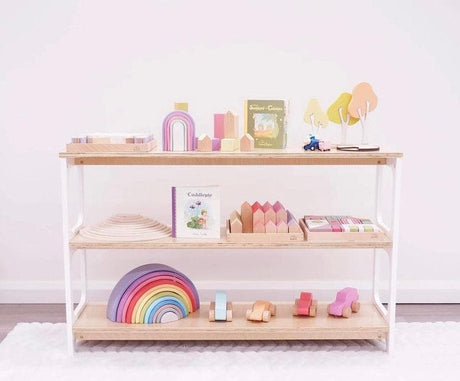
A Montessori bookshelf works best with a small, rotating selection, and in our experience that runs against instinct - most people want to fill it. One customer we'd helped got back in touch a few months after buying her Montessori shelf and said, with a laugh, that they'd actually stopped buying books for a while. Every couple of weeks she'd pack away what was on the shelf and swap in different ones from a cupboard: "honestly, they think we've bought new books every time." It's a question we're asked about often. When sixty books are crammed onto a shelf, most children reach for the same few favourites. When eight or ten thoughtfully chosen books sit at their height on a front-facing Montessori shelf, every cover gets noticed, and books that hadn't been opened in months suddenly become exciting again.

Why A Child-Height Montessori Shelf Changes The Routine

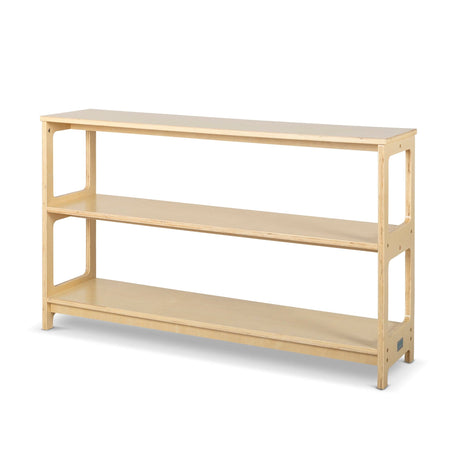
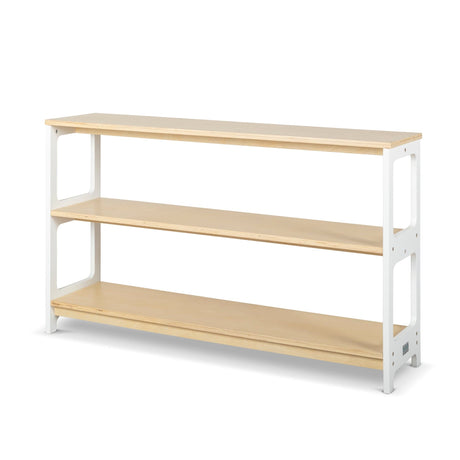
The defining feature of a Montessori bookshelf is height: it sits low enough that a child reaches every book without climbing or asking. Adults don't think twice about walking to a bookshelf, but young children do - and if they have to ask for help every time they want a story, eventually they stop asking. One dad put the difference better than we could: "The biggest difference is I don't spend bedtime pulling twenty books off the shelf looking for the one he wants." Instead his son walks over, chooses a book himself and carries it to the couch. A Montessori shelf is low and solid for exactly that reason - everything in reach, and steady enough to lean on day after day.

A Montessori Bookshelf Isn't Really About Storage

A Montessori bookshelf isn't designed to hold as many books as possible - this is the biggest misconception about it. If your priority is storing two hundred books neatly, a traditional bookshelf will do that better. A Montessori shelf has a different job: to make books easy to notice, easy to reach and easy to put back. We stock and curate our Montessori shelves on that basis, and the comment we hear back isn't about tidier shelves, it's "we're actually reading more books now" - not because anyone bought more, but because the books they already owned became part of everyday play instead of disappearing onto an overcrowded shelf. Built in solid wood, a Montessori bookshelf carries a child from the board-book years into early primary.

Start Here

Montessori, Front-Facing Or Rotating?

Every style has its place, and many families move through them as their home library grows. Here's how they differ.

Choose A Front-Facing Or Montessori Shelf If:

Your child is discovering books and chooses by the cover (front-facing suits babies and toddlers)
You want a calm, organised shelf at their height (a Montessori shelf gives more choice than most front-facing ones)
You'd rather rotate a small selection than store everything
Reading independently is the goal

Choose A Rotating Bookshelf If:

You're short on floor space
You have a larger library to fit in
You want capacity without the shelf taking over the room
You need storage as much as access
Front-facing shelves are the easiest place to start for the youngest children; a Montessori bookshelf sits in the middle, giving more choice while staying at their height; a rotating bookshelf solves space. Many families start front-facing and move to a Montessori shelf as the collection grows.

Why Families Choose Our Montessori Shelves

Built For Access, Not Storage

Child-Height - They Choose Without Asking

Solid Wood, Made To Last Years

What To Look For In A Montessori Bookshelf

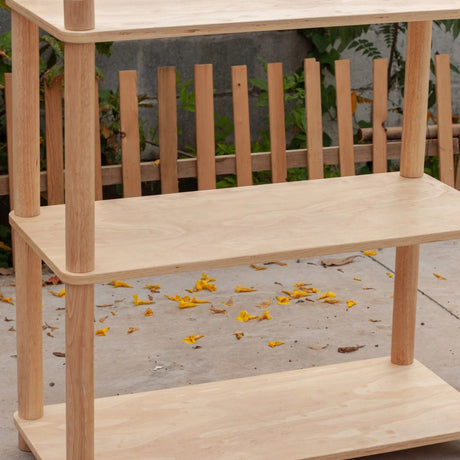
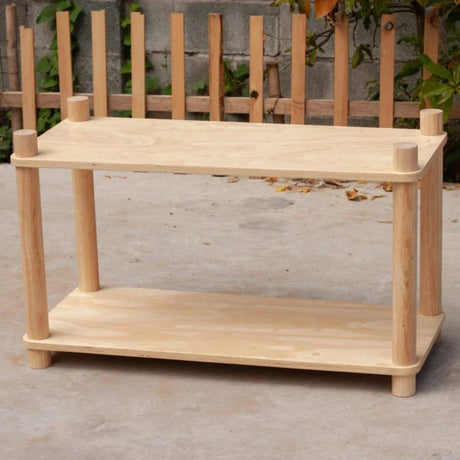
A few things separate a Montessori bookshelf that gets used from one that becomes invisible furniture. Height comes first: the display row has to sit within a young child's eyeline, so a low Montessori shelf beats a tall one every time. Front-facing display matters next - covers a child can recognise turn choosing into something visual and independent, which is the whole point of a Montessori bookshelf over a spine-out kids shelf. Then capacity, but in reverse: the best Montessori shelves hold a small, rotating selection rather than a packed library, because fewer visible books get read more. Finally, build - a Montessori bookshelf this low is leaned on and used hard, so solid wood rather than particle board is what keeps it steady and lasting for years.

A Montessori Bookshelf And The Habit It Builds

Here's the thing we'd gently push back on: a Montessori bookshelf is often sold on independence and literacy, but that's rarely what makes families love it. After years of helping set up playrooms and bedrooms, the story we hear most isn't that the Montessori shelf changed their child - it's that it quietly made books easier to choose. A book within reach, at their height, waiting to be picked up, not because it's bedtime or because anyone asked. That's the real value of a Montessori bookshelf: not more books, not tidier shelves, but reading becoming part of ordinary days. If that idea interests you, our guide on Montessori versus regular bookshelves explores what actually changes when the books come down to a child's level.

A Montessori Bookshelf Where Books Become Everyday
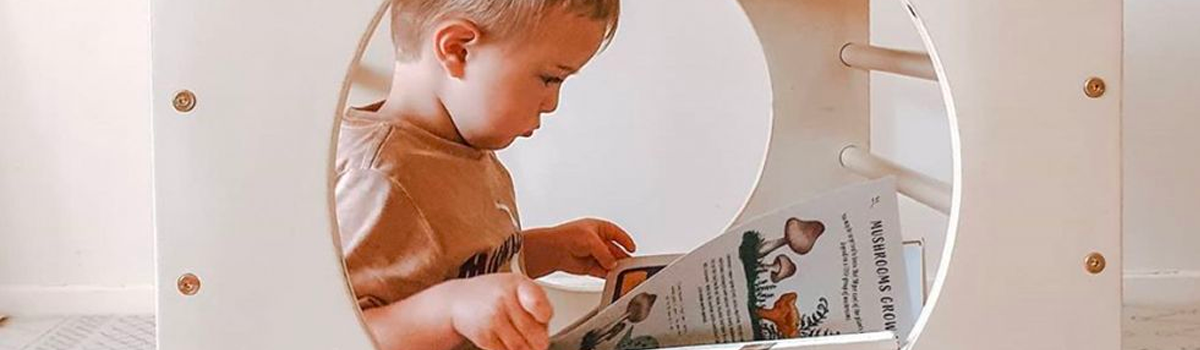
A Montessori bookshelf earns its place quietly: it gets used. Bring the covers down to a child's height, keep the selection small and rotating, and choosing a book becomes something a child does without being asked - which is the foundation an early reading habit is built on. Choose a Montessori shelf for height and a stable front-facing ledge, place it where your child already spends time, and rotate the books often. For the thinking behind the set-up, our guide on Montessori versus regular bookshelves goes deeper.

Frequently asked questions
Are book stands and book display racks Montessori?

When they're low and put books within a child's reach, they share the Montessori purpose: access over storage. A childrens book stand or display rack sits books at eye level so choosing is something the child does on their own. Look for one where the top row is no higher than your child's shoulder, so nothing is out of reach.

What is a low book cabinet or book stand?

A low book cabinet, book stand or book display rack is a child-height unit that shows books cover-out rather than spine-out - the same idea as a Montessori bookshelf, in a slightly different shape. Because it's low and front-facing, a young child can see every cover and choose without help. The key is that it sits low enough for the child to use without an adult.

Montessori, front-facing or rotating bookshelf - which should I choose?

Each solves a different problem. Front-facing shelves are wonderful for babies and toddlers choosing by the cover, and the easiest place to start. A rotating bookshelf is fantastic when you're short on space. A Montessori bookshelf sits in the middle - more choice than most front-facing shelves, everything at the child's height. Many families start front-facing and move to a Montessori shelf as their library grows.

Can a Montessori shelf hold toys as well as books?

Yes - that's the difference between a front-facing Montessori bookshelf and a Montessori toy shelf. The toy shelf uses low, open trays for toys and activities; the bookshelf is set up to display book covers. Many families use both, or a combined unit, depending on whether the corner is mainly for reading or wider play.

Are your Montessori shelves solid wood?

Yes. Our Montessori bookshelves, book stands and toy shelves are solid wood rather than particle board. A Montessori shelf this low gets leaned on and used hard every day, and solid wood is what lets it carry a child from the board-book years into early primary without giving out.

What height should a Montessori bookshelf be?

A Montessori bookshelf should be low enough that the top row sits in your child's eyeline and everything is reachable from standing or kneeling - roughly 70 to 90cm for a child under five. The point is they never have to climb or ask, so when in doubt go lower. If a child has to call an adult every time they want a book, eventually they stop asking.

How many books should be on a Montessori shelf at once?

Fewer than most expect - usually eight to ten on a Montessori bookshelf, with the rest in a cupboard and rotated in every couple of weeks. Children often need fewer books, not more. A crammed shelf sends them back to the same favourites; a small selection at their height means every cover gets noticed, and rotating them makes old books feel new without buying a thing.

What age is a Montessori bookshelf for?

A Montessori bookshelf suits children from around the time a baby is sitting and reaching, through to early primary. Front-facing shelves are often the easiest start for babies and toddlers, who choose books by the picture on the cover; a Montessori shelf suits the stage after, giving more choice while keeping everything at their height. Keep the top row no higher than your child's shoulder.

What is the difference between a Montessori bookshelf and a regular bookshelf?

It comes down to one question: are you trying to store books, or encourage your child to read them? A traditional bookshelf is built for storage and holds more books more neatly. A Montessori bookshelf is built for access - lower, front-facing, easy to reach and return. The regular shelf usually holds more; the Montessori bookshelf usually gets more books actually read.

What is a Montessori bookshelf?

A Montessori bookshelf is designed for access rather than storage: books sit at a child's height, easy to notice, reach and put back without help. It asks very little of a child - no climbing, no asking, no searching packed spines - which is what makes reading something they can choose on their own. The defining feature of a Montessori bookshelf is that everything is within their reach.