Click & Collect or 24hr Dispatch*

15% Off Sitewide & Clearance*

EOFY15
Learning How To Group And Organise

Sorting Toys

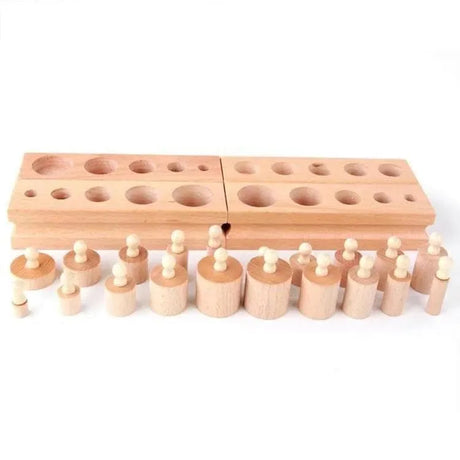
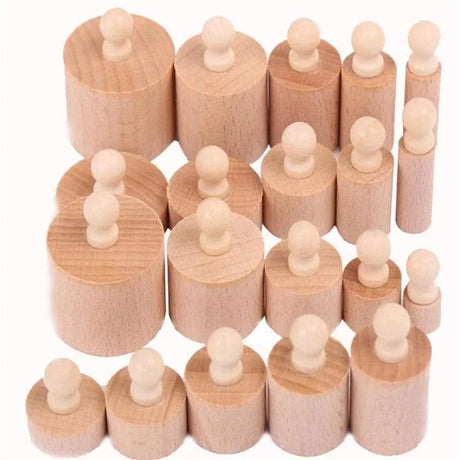
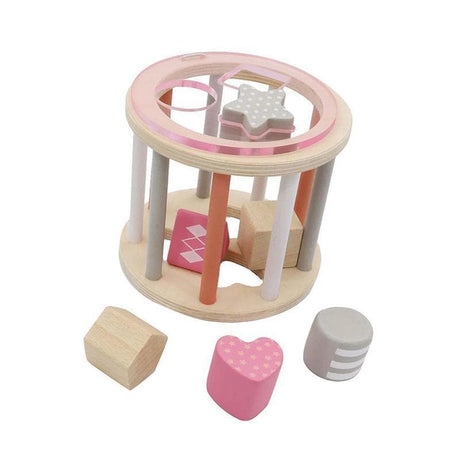
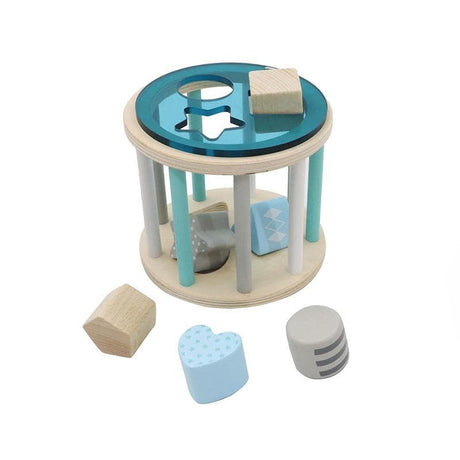
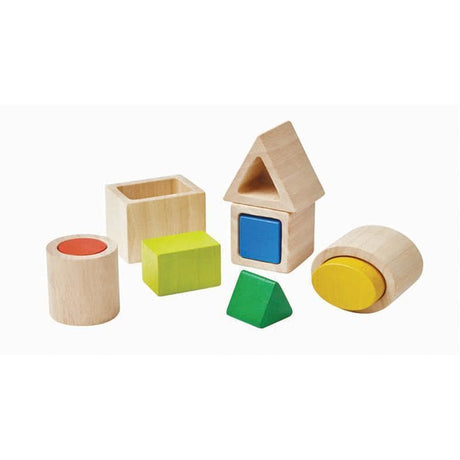
Sorting toys help children make sense of the world around them by encouraging them to group, compare and organise information. Whether sorting by colour, shape, size or category, these hands-on activities help children recognise patterns, identify similarities and understand how objects relate to one another. Explore sorting toys designed to build confidence, encourage independent thinking and support early logical reasoning through play.


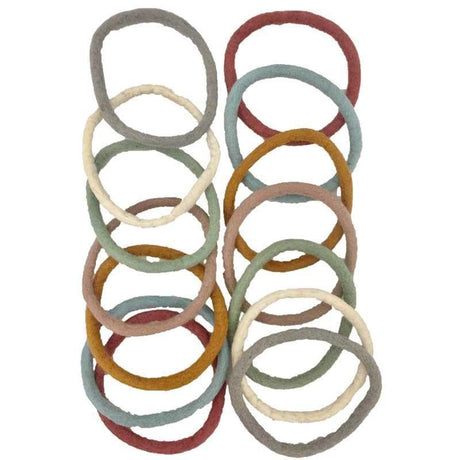
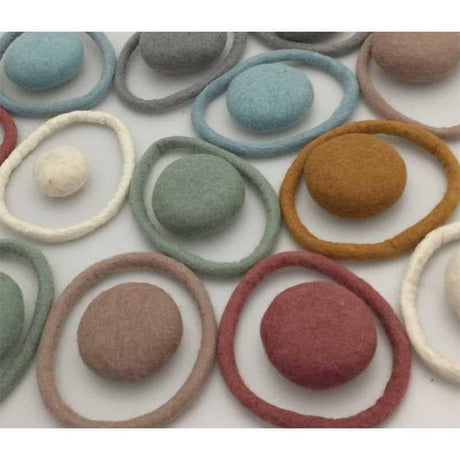
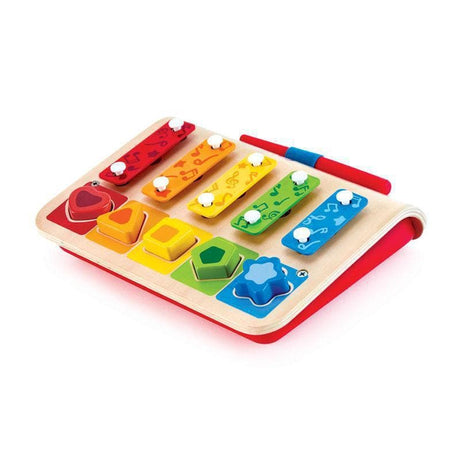
Colour Sorting Toys For Toddlers Beginning To Recognise Patterns

Why Sorting Toys Matter In Early Learning

Long before children begin formal mathematics, they naturally start grouping objects around them. They collect similar toys, separate colours, organise favourite items and notice patterns in everyday life. Sorting toys build on this instinct by giving children opportunities to compare objects, identify differences and create meaningful categories through hands-on exploration.

As children sort colours, shapes, sizes and other attributes, they begin developing important classification skills that support future learning. These experiences help children understand relationships, recognise patterns and organise information in ways that become increasingly sophisticated as they grow. Sorting toys provide a simple but powerful foundation for logical thinking while remaining playful and engaging.

Classification Skills Pattern Recognition Logical Thinking Independent Discovery

Helps Children Organise Information

Sorting toys encourage children to compare objects and decide how they belong together. This process helps build classification skills while strengthening observation and reasoning.

Builds Foundations For Future Learning

Many early mathematical and scientific concepts rely on the ability to group, compare and categorise information. Sorting activities help children practise these skills through play.

Creates Confidence Through Independent Success

Children can see immediate results from their decisions, helping them build confidence while developing a deeper understanding of similarities, differences and relationships.

Shop by need

Shape Sorting Activities For Preschoolers Ready For More Complex Thinking

As children become more confident categorising colours and familiar objects, many begin exploring more advanced sorting activities involving shapes, sizes and multiple attributes. Shape sorting activities encourage children to compare characteristics, identify patterns and make increasingly sophisticated decisions about how objects relate to one another.

These experiences help children move beyond simple recognition and towards deeper logical thinking. By exploring multiple ways to sort the same objects, children learn that information can be organised using different rules and perspectives, supporting flexibility in thinking and problem solving.

Choosing the Right Sorting Toy

Match The Challenge To Your Child's Current Thinking Stage

Sorting toys work best when they provide enough challenge to encourage thinking without creating frustration. Some children are just beginning to group objects by colour or shape, while others are ready to explore more complex categorisation and classification activities.

Start With Simpler Sorting Toys If

  • Your child is new to categorisation activities They are learning colours or basic shapes They enjoy grouping familiar objects Independent success is important They become frustrated by complex instructions They prefer hands-on exploration

Choose More Advanced Sorting Toys If

  • Your child confidently sorts by one attribute They enjoy comparing multiple characteristics They can explain why objects belong together They enjoy classification challenges They seek more complex activities They stay engaged with longer tasks
The best sorting toy helps children build confidence while encouraging them to think more deeply about how objects relate to one another.

Supports early logical thinking and pattern recognition

Multiple ways to sort, compare and categorise

Carefully selected by families and educators who value purposeful play

What Should Parents Look For In A High Quality Sorting Toy?

The best sorting toys encourage children to think, compare and classify without becoming overwhelming. Younger children often benefit from simple colour sorting toys and basic categorisation activities that provide clear visual cues and immediate success. As confidence grows, many children become ready for more advanced sorting activities involving shapes, sizes, patterns and multiple attributes.

Parents should also consider how many ways a toy can be used. Some sorting toys only allow a single correct answer, while others encourage open-ended exploration and multiple sorting methods. Toys that allow children to sort by colour, shape, size or category often provide greater long-term value because the challenge grows alongside the child.

Quality sorting toys should also be durable enough to support repeated use. Children often revisit sorting activities many times as they experiment with new ways of grouping and organising information. Well-designed sorting toys remain engaging long after the initial novelty has passed because they continue offering opportunities for discovery and independent thinking.
When A Sorting Toy May Not Be The Right Choice

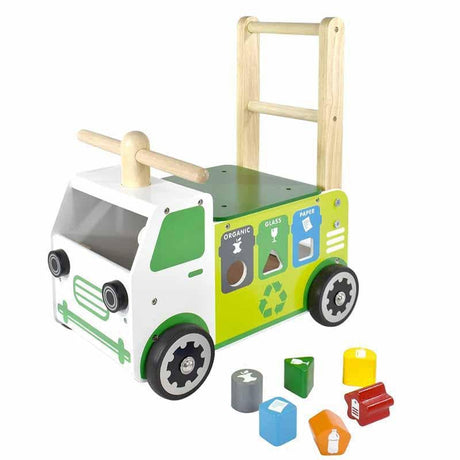
Sorting toys are ideal for children learning to group, compare and categorise information, but they are not always the best fit for every stage of development. Children who are focused on fitting shapes into spaces may enjoy shape sorters more, while children who enjoy identifying relationships between pictures and concepts may be better suited to matching games.

Likewise, children who are interested in recall and concentration challenges often respond more strongly to memory games, while those who enjoy assembling images and solving visual challenges may prefer puzzles. Understanding what type of thinking currently motivates your child can help ensure the activity feels rewarding and engaging.

The goal is not simply to sort objects correctly. It is to help children understand how information can be organised, compared and grouped in meaningful ways.

Helping Children Understand How The World Fits Together

Sorting is one of the most important thinking skills children develop during their early years. Long before formal learning begins, children naturally look for patterns, compare objects and group similar things together. Sorting toys build on this instinct by creating opportunities for children to organise information, recognise relationships and develop confidence in their own reasoning.

Each sorting activity encourages children to make decisions, test ideas and discover new ways of thinking. Whether sorting by colour, shape, size or category, children learn that information can be organised in meaningful ways. These experiences help build foundations for future mathematical thinking, scientific observation and problem solving while remaining enjoyable and engaging.
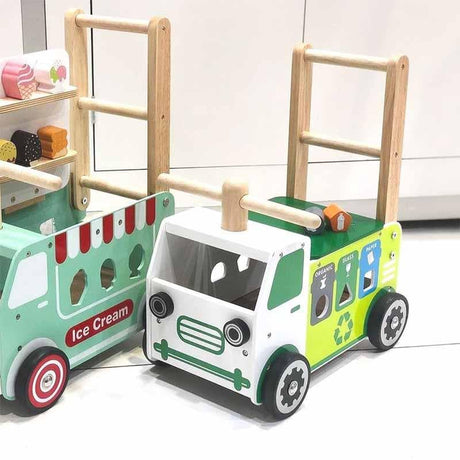
Whether you're choosing a first sorting toy for a toddler or a more advanced categorisation activity for a preschooler, the right sorting toy can help transform curiosity into confidence while supporting important thinking skills through play.

Frequently asked questions

Sorting Toy Questions Parents Ask

Do sorting toys help prepare children for school?

Many of the skills children practise with sorting toys appear repeatedly throughout their educational journey. Classification, comparison, pattern recognition and logical reasoning all play important roles in mathematics, science and problem solving. Sorting activities provide an enjoyable way to begin developing these abilities long before formal learning begins.

As children sort objects into groups, they learn to identify attributes, compare information and explain their reasoning. These experiences encourage analytical thinking while helping children become more comfortable organising information and recognising relationships.

While sorting toys are not formal educational tools, they help create strong foundations that support confidence and readiness for future learning experiences. Many parents appreciate that children can develop important skills while remaining fully engaged in play.

What makes a high quality sorting toy worth buying?

The best sorting toys provide more than one way to play. Rather than limiting children to a single correct answer, high quality sorting toys encourage exploration, comparison and multiple methods of categorisation. This flexibility helps extend the lifespan of the toy while supporting deeper thinking.

Durability is also important because sorting activities are often repeated many times. Children revisit sorting toys as their understanding grows, creating new categories and exploring more complex relationships. Well-made materials help ensure the toy remains engaging through years of use.

Most importantly, quality sorting toys encourage children to think independently. They provide opportunities for children to make decisions, test ideas and discover relationships for themselves. This balance between challenge and success is what creates long-term value and meaningful learning through play.

Are colour sorting toys good for toddlers?

Colour sorting toys are often one of the best starting points for toddlers because colours are among the first attributes children learn to recognise and compare. Colour sorting activities encourage observation, categorisation and decision making while remaining simple enough for young children to understand.

By grouping objects according to colour, children begin recognising patterns and understanding that items can share common characteristics. These experiences help strengthen classification skills while creating opportunities for independent success. Many toddlers enjoy colour sorting because the challenge feels achievable and the results are immediately visible.

As confidence grows, colour sorting often becomes the foundation for more advanced categorisation activities involving shapes, sizes and multiple attributes. This progression helps children gradually develop more sophisticated thinking skills while maintaining engagement and confidence.

Why are sorting toys important for early learning?

Sorting toys help children develop one of the most important foundations for future learning: the ability to organise information. Before children can understand more complex concepts in mathematics, science and problem solving, they first need to recognise similarities, identify differences and create meaningful categories.

As children sort objects, they begin learning how information can be grouped and compared. They discover patterns, recognise relationships and develop stronger observation skills. These experiences encourage logical thinking while helping children make sense of the world around them.

Many parents appreciate sorting toys because they combine learning and play in a natural way. Children are actively involved in exploring, testing ideas and making decisions rather than simply following instructions. This helps create deeper engagement and more meaningful learning experiences.

What's the difference between sorting toys and shape sorters?

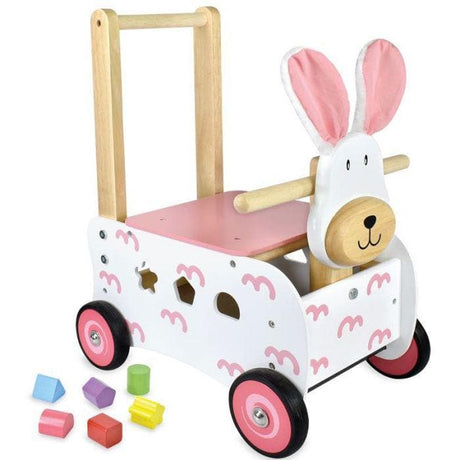
Although the two categories are often confused, sorting toys and shape sorters develop different skills. Shape sorters challenge children to fit specific shapes into matching openings. The focus is on spatial reasoning, shape recognition and understanding how objects fit together physically.

Sorting toys focus on classification rather than fitting. Children are encouraged to group objects according to shared characteristics such as colour, size, category or shape. The challenge is deciding why items belong together rather than finding where they fit.

A simple way to remember the difference is this: shape sorters ask, "Can this fit here?" while sorting toys ask, "Which items belong together?" Both are valuable activities, but they support different stages of thinking and learning.

How can parents tell if their child is ready for sorting toys?

Many children begin showing readiness for sorting toys between 18 months and 3 years of age, although the exact timing varies. Children who enjoy grouping similar objects, organising toys, separating colours or noticing differences between items often show early signs that they are ready for sorting activities.

Sorting toys encourage children to compare objects and decide how they belong together. Unlike shape sorters, which focus on fitting pieces into spaces, sorting toys focus on categorisation and classification. Children begin recognising that objects can be grouped by colour, shape, size or other shared characteristics.

Parents often notice that children naturally create their own sorting games before they ever encounter a formal sorting toy. They may line up toy animals, group blocks by colour or separate objects into piles. Sorting toys simply provide structured opportunities to strengthen these natural thinking skills while encouraging confidence through independent success.