
Click & Collect or 24hr Dispatch*

Further 15% Off Clearance

CLEARANCE15
Pretend Play • Looking After Others

Doll Prams


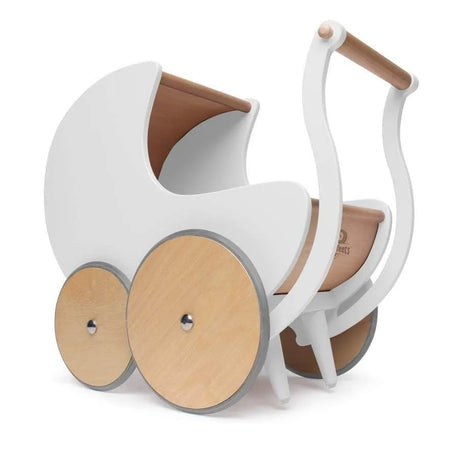
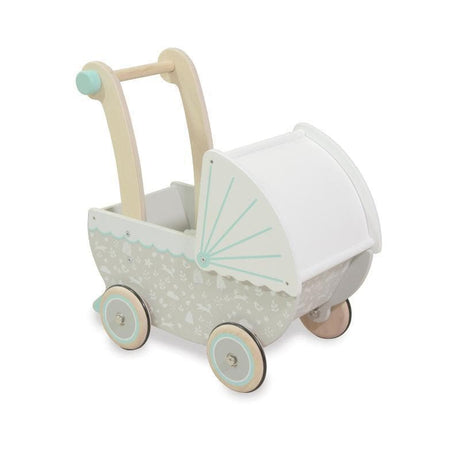
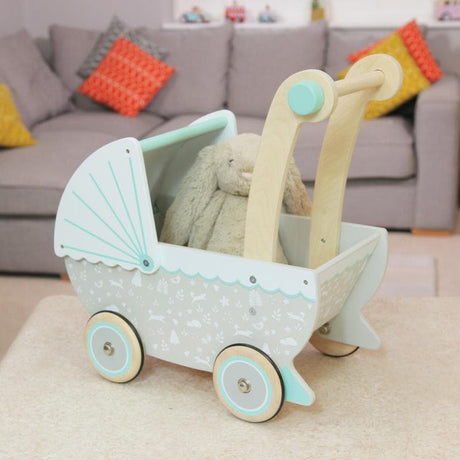
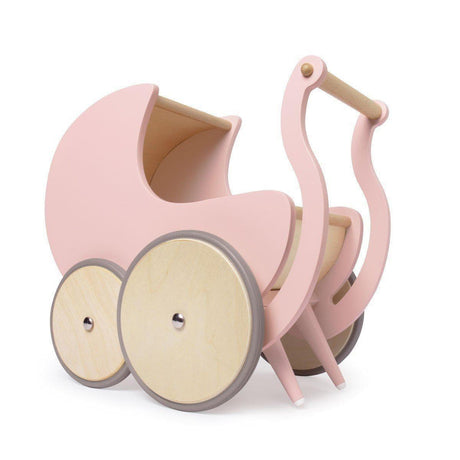
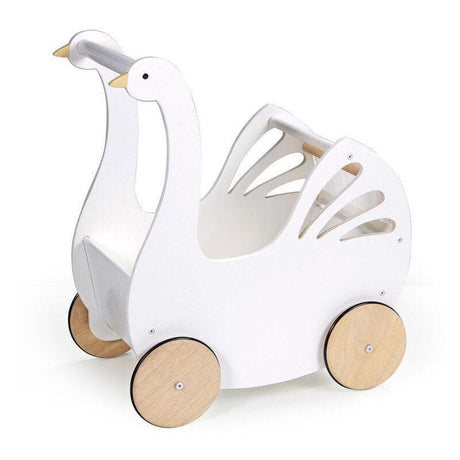
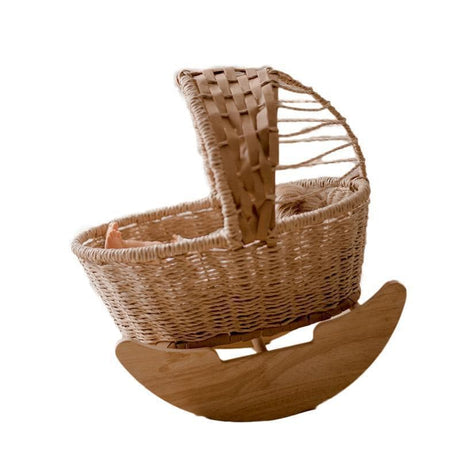
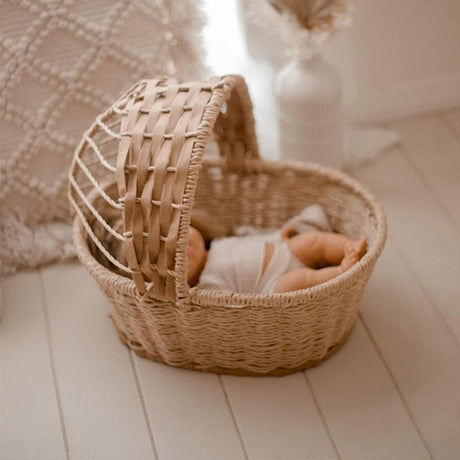
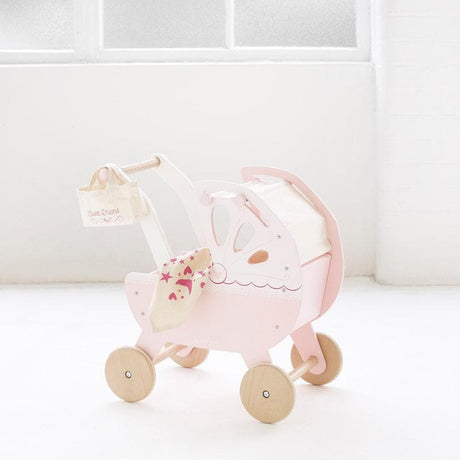
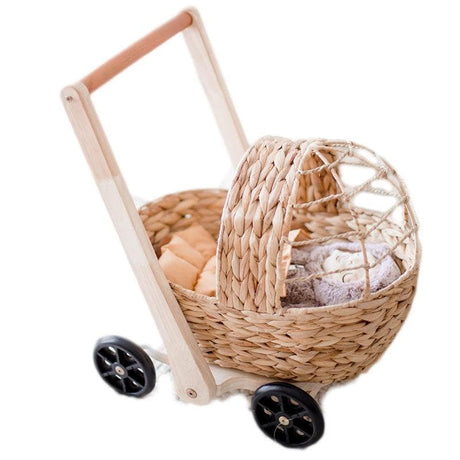
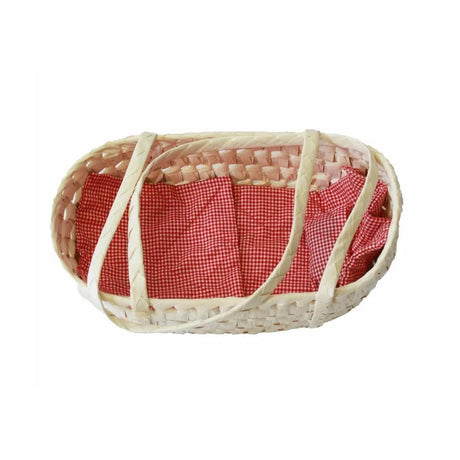
Discover doll prams for toddlers and young children designed for nurturing pretend play, imaginative caregiving and movement-based role play. From wooden doll prams to lightweight doll strollers, these pretend play favourites encourage children to care for dolls, recreate familiar family routines and enjoy imaginative play through movement and storytelling.


Best Doll Prams For Toddlers Beginning Nurturing Pretend Play

Choosing A Doll Pram Children Will Actually Use

Doll prams are often one of the most-used pretend play toys because they combine nurturing role play with movement and independence. Many toddlers naturally love pushing dolls around the house, recreating family routines and caring for dolls through imaginative everyday play.

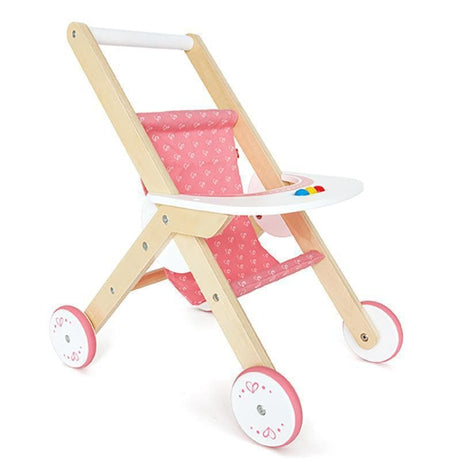
For younger children, lightweight doll prams and toddler-friendly doll strollers are often easier to manoeuvre independently while still feeling realistic and engaging. Wooden doll prams can also become part of calm open-ended play routines that children return to repeatedly throughout the day.

Whether you are choosing a first doll pram for a toddler or upgrading to a more detailed pretend play setup, the best doll prams encourage movement, imaginative storytelling and nurturing play without becoming overwhelming or complicated.

Wooden Doll Prams Pretend Parenting Play Movement-Based Play Toddler Role Play

Encourages Movement Through Pretend Play


Doll prams naturally encourage toddlers to move, walk and explore while engaging in imaginative role play. Many children enjoy pushing dolls around the house or garden as part of pretend caregiving routines that feel realistic and familiar.

Supports Nurturing & Caregiving Play


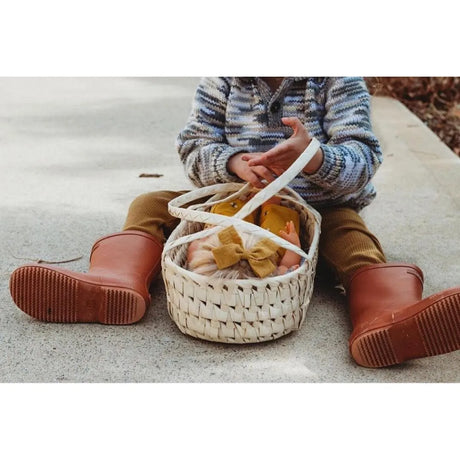
Children often use doll prams to imitate real-life parenting routines they observe every day. Caring for dolls, taking dolls for walks and creating imaginative family routines helps extend nurturing pretend play in meaningful ways.

Promotes Independent Imaginative Play


Many toddlers return to doll prams repeatedly because they support independent storytelling and movement-based play without requiring complicated setup. Doll prams help children create imaginative routines they can confidently repeat on their own.

Best Doll Prams For Toddlers Beginning Nurturing Pretend Play


For younger toddlers beginning imaginative role play, lightweight doll prams often feel easier to push, steer and use independently. First doll prams for toddlers should feel stable, approachable and practical for everyday pretend caregiving routines around the home.

How Doll Strollers Encourage Walking & Independent Play


Many children naturally use doll strollers during movement-based pretend play because pushing dolls mirrors familiar family routines. Doll prams can help encourage active imaginative play while supporting confidence, independence and nurturing storytelling throughout the day.

Quick Buying Guide

Which Doll Pram Should You Choose?

The best doll pram usually depends on your child’s age, confidence with movement play and how they naturally engage with dolls and nurturing pretend play.

Choose Lightweight Doll Strollers If Your Child:

  • Is under 3 years old Is beginning pretend play Loves movement-based toys Needs easier steering and pushing Enjoys everyday role play routines

Choose Wooden Doll Prams If Your Child:

  • Already enjoys nurturing role play Loves realistic pretend play Plays independently for longer periods Wants a more stable doll pram Enjoys open-ended imaginative play
A well-chosen doll pram often becomes part of everyday imaginative play because it combines movement, nurturing role play and familiar storytelling routines.

Toddler-friendly doll prams designed for everyday imaginative play

Durable pretend play designs that support movement and nurturing role play

Carefully selected styles suited to calm, engaging pretend play routines

What To Look For In A Doll Pram


When choosing a doll pram for toddlers, focus on stability, wheel movement, handle height and ease of use. Toddler-friendly doll prams should feel lightweight enough for independent movement while still feeling sturdy and durable for everyday pretend play. Simpler designs often create more successful imaginative play experiences for younger children.

When A Doll Pram May Feel Too Advanced


Some doll prams are designed more for decorative play than active pretend play. Heavy prams, difficult steering or highly detailed accessories can sometimes frustrate younger toddlers who are still developing confidence with movement and imaginative role play.

Doll Prams Designed For Meaningful Everyday Play
The best doll prams become part of everyday imaginative routines children genuinely enjoy repeating. Whether your child loves taking dolls for walks, recreating family routines or engaging in nurturing pretend play, our doll prams are designed to support calm, engaging and movement-based imaginative play for toddlers and young children.

Frequently asked questions
What size doll fits in a doll pram?


Most doll prams are designed to fit common baby dolls and soft dolls used by toddlers and preschoolers. It is usually best to check product dimensions to ensure your child’s favourite doll fits comfortably while still allowing easy pretend play movement.

Can doll prams help independent play?


Doll prams often support independent pretend play because children naturally create repeatable routines around caring for dolls. Taking dolls for walks, settling dolls into prams and recreating family outings can help children engage in imaginative play independently for longer periods.

What should I look for when buying a doll pram?


When choosing a doll pram for toddlers, consider weight, steering, wheel movement, stability and handle height. A toddler-friendly doll pram should feel easy to push independently while still being durable enough for active pretend play and everyday use.

Do doll prams encourage walking and movement play?


Doll prams can strongly encourage movement-based pretend play because children naturally push, walk and explore while caring for dolls. Many toddlers use doll prams as active role play toys throughout the day, helping combine imaginative storytelling with physical movement and independent exploration.

Are wooden doll prams better than plastic ones?

Wooden doll prams are often preferred for their durability, stability and calmer visual design. Many families choose wooden doll prams because they feel sturdier for everyday movement-based play while fitting naturally into open-ended and imaginative play environments.

Why do toddlers love doll prams so much?

Many toddlers naturally love doll prams because they imitate real-life parenting and caregiving routines. Pushing dolls in prams allows children to engage in imaginative storytelling while combining movement, independence and nurturing pretend play through familiar everyday experiences.

Are doll prams good for 2 year olds?


Doll prams can be excellent pretend play toys for 2 year olds because they combine movement, imaginative play and nurturing role play in a very natural way. Many toddlers enjoy pushing dolls around the house or garden while recreating familiar caregiving routines they observe at home.

What age are doll prams suitable for?


Many doll prams are suitable from around 18 months onwards, depending on the size, weight and steering design. Lightweight doll prams designed for toddlers are often easier for younger children to manoeuvre independently while supporting movement-based pretend play and nurturing role play routines.