
Build & Construct · Open-Ended Play
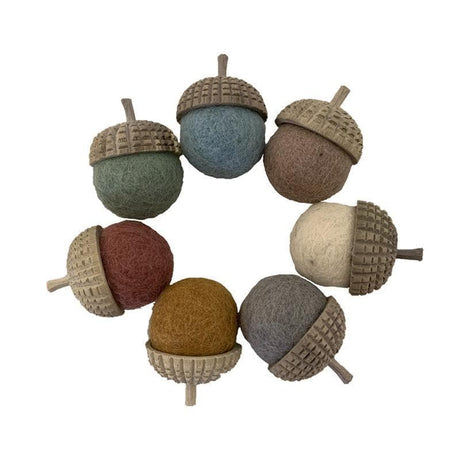
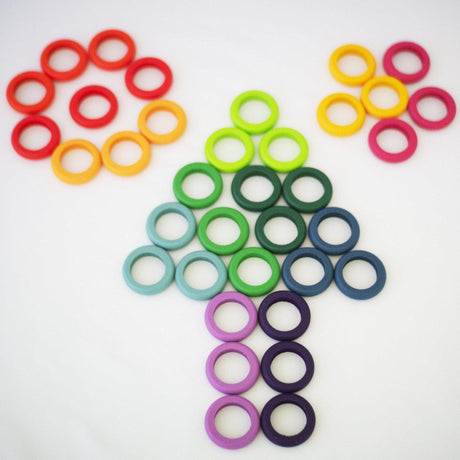
Loose Parts Play — Natural Materials for Open-Ended Worlds
Swipe to explore collections →
-

Paint Your Own Small Set - 10pc
$35.95Unit price /Unavailable -
$39.95Unit price /Unavailable
-

-
From $39.95Unit price /Unavailable
-
$12.95Unit price /Unavailable
-
$122.95Unit price /Unavailable
-
 $18.95Unit price /Unavailable
 -
$34.95Unit price /Unavailable
-
$42.95Unit price /Unavailable
-
 $49.95Unit price /Unavailable
 -

-
Sold out$19.95Unit price /Unavailable
-
33% off$19.95
$29.95Unit price /Unavailable -
$34.95Unit price /Unavailable
-

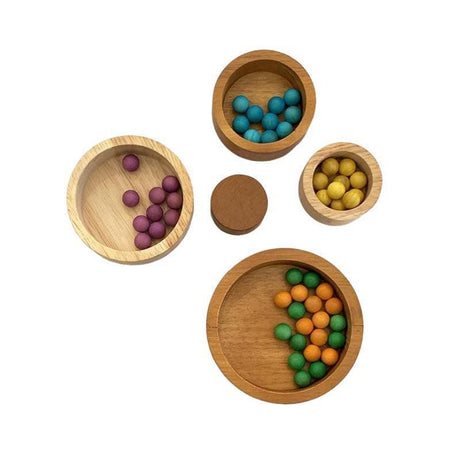
Montessori Sorting Trays Set of 3
$94.95Unit price /Unavailable -
20% off$39.95
$49.95Unit price /Unavailable -
$72.95Unit price /Unavailable
-
$19.95Unit price /Unavailable
-
$24.95Unit price /Unavailable
-
$52.95Unit price /Unavailable
-
Sold out$99.95Unit price /Unavailable
-
Small Wooden Rainbow Balls Pastel
$44.95Unit price /Unavailable -
$29.95Unit price /Unavailable
-
$32.95Unit price /Unavailable


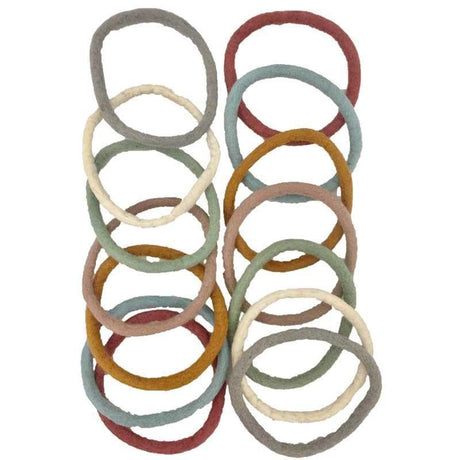
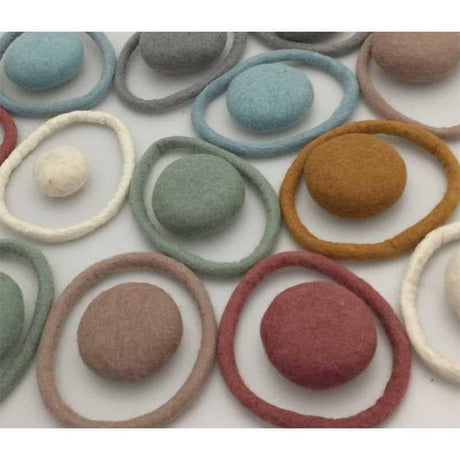


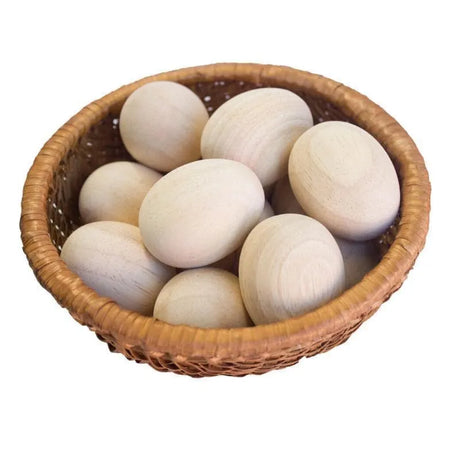

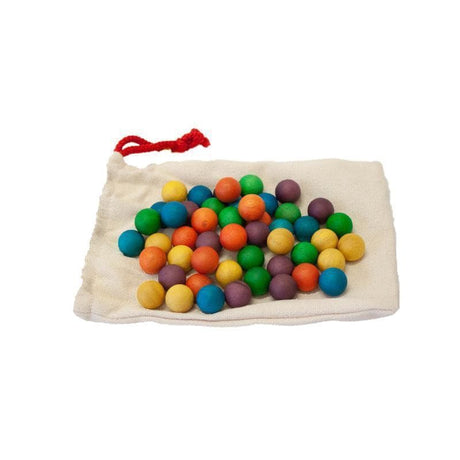




What Is Loose Parts Play — and Why Do Educators Rave About It?
Loose Parts Play
Natural Materials
Montessori & Reggio
Small World Building
When Loose Parts Turn the Living Room Into a Farm
When Loose Parts Make Every Other Toy Better
When Loose Parts Turn Your Child Into a Designer

Loose Parts and the Worlds That Last for Days

What Makes Good Loose Parts (More Isn't Better)
Start here
Choosing Loose Parts for Your Child
Start with a smaller set if:
Your child is new to loose parts or small world play
You want to add a world to figures you already own
Younger children who still mouth small objects (with supervision)
You want to add a world to figures you already own
Younger children who still mouth small objects (with supervision)
Choose a larger / varied set if:
They already build elaborate small worlds
You want varied shapes, sizes and textures to combine
It's shared between siblings building together
You want varied shapes, sizes and textures to combine
It's shared between siblings building together
Why Families Choose Our Loose Parts
✓
Natural materials — timber, felt, stone and more, chosen to be open-ended
✓
Curated for variety and play value, not just piece count
✓
A Montessori, Waldorf & Reggio-inspired play staple
✓
Dispatched from Melbourne — NDIS registered provider
Closed Toys vs Loose Parts: An Honest Comparison
Why Loose Parts Work: They Trust the Child
Loose Parts: A World Your Child Builds Themselves