Click & Collect or 24hr Dispatch*

20% Off Connetix, 10% Off Sitewide* + Free Connetix Metro Shipping over $99*


Introduction

Children's furniture is most useful when it makes everyday spaces work better for little ones. An adult dining chair may be too high, a bookshelf may be out of reach, or a table may require climbing and lifting before a child can use it. Child-sized furniture changes that scale.

That does not mean every family needs a miniature version of every adult piece. The better starting point is the job: mealtime seating, a table and chair for everyday activities, playroom furniture for books or play spaces, or bedroom furniture for sleep and storage. Montessori ideas often talk about a prepared environment, where furniture is matched to the child's size and strength, but this page is not only for Montessori homes. It is for choosing practical furniture that fits your child, your room and the way your family actually uses the space.

Why It Matters

Most homes are built around adult bodies. A dining chair is high, a table can be difficult to reach and everyday belongings often live well above a child's eye line. Child-sized furniture simply changes the scale — creating places to sit, eat, play, read, sleep and store their things that make more sense for smaller bodies.

Learning Themes

The right fit matters

Age is only a starting point. Actual dimensions — seat height, table height, reach and available space — often tell you much more.

Make the space work

Not every room needs more furniture. Choose pieces that solve a real need and earn the space they take up.

Think about how it will really be used

Where it will sit, who will use it and what your child is likely to do with it all matter when choosing furniture for little ones.
A thoughtful place to begin

Let furniture earn its place

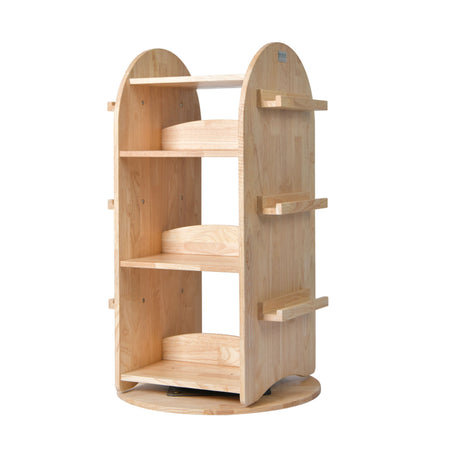
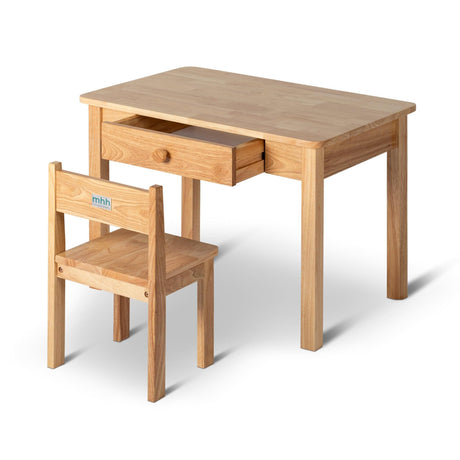
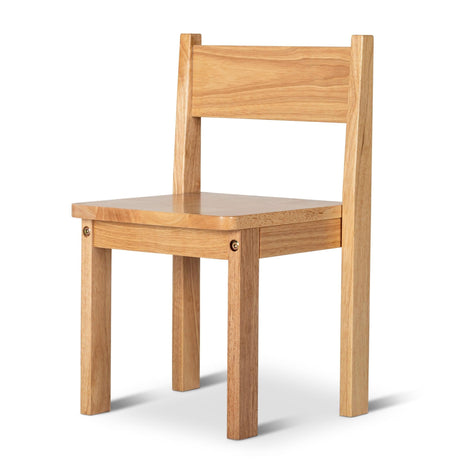
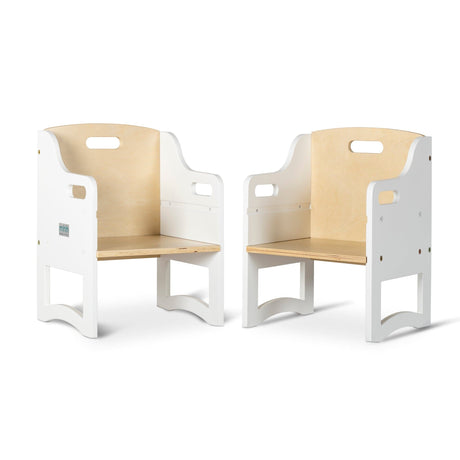
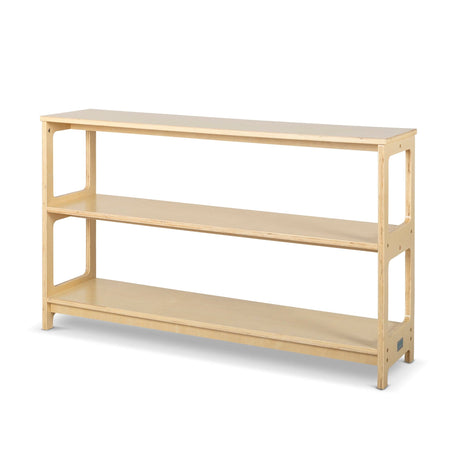
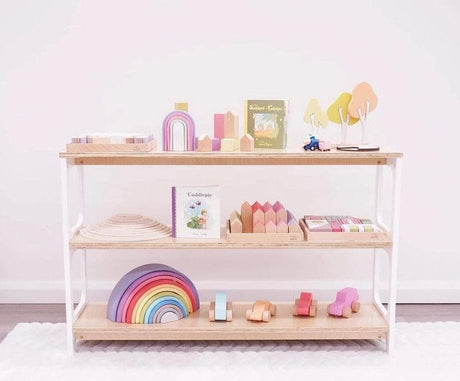
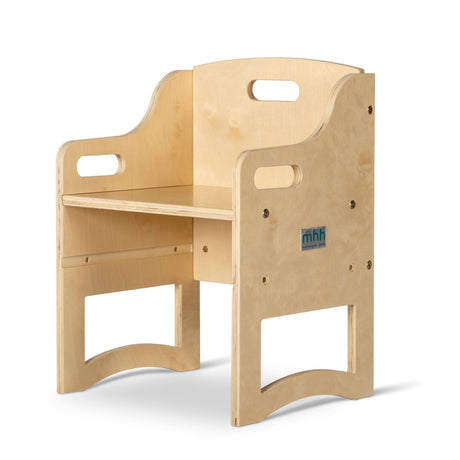
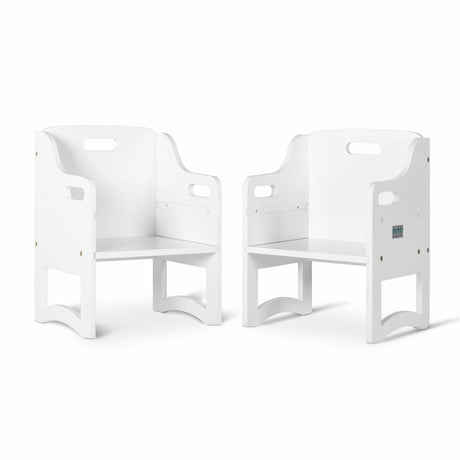
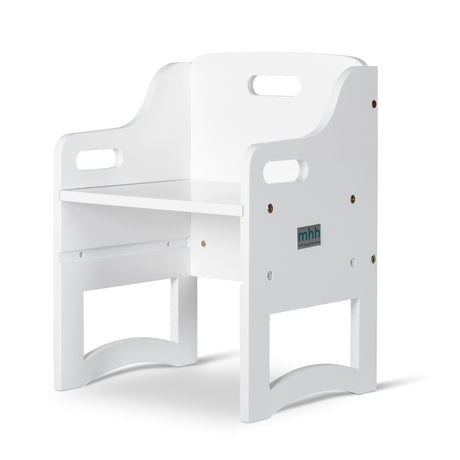
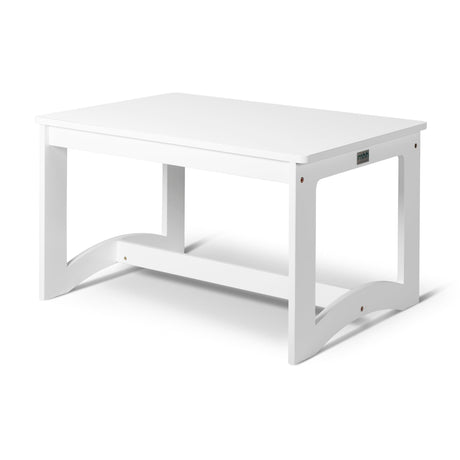
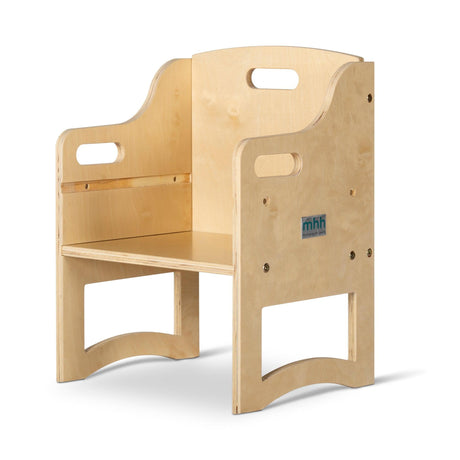
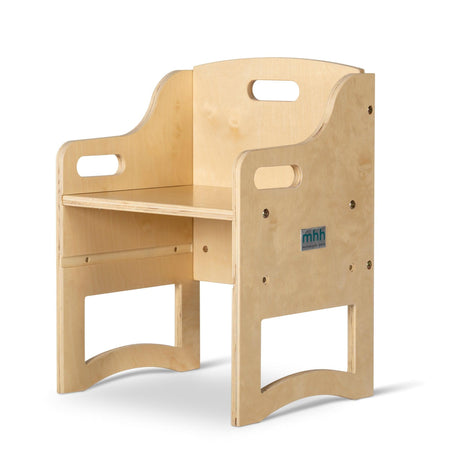
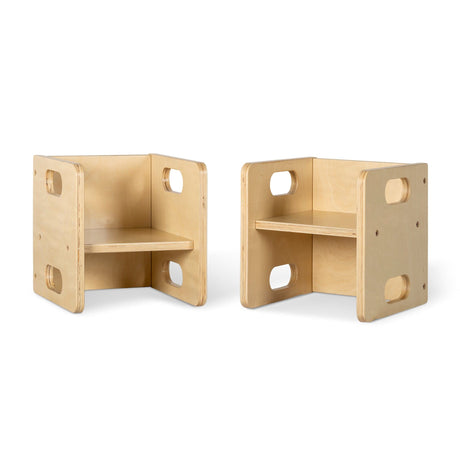
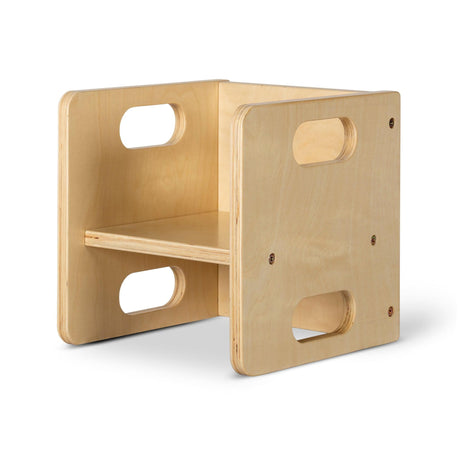
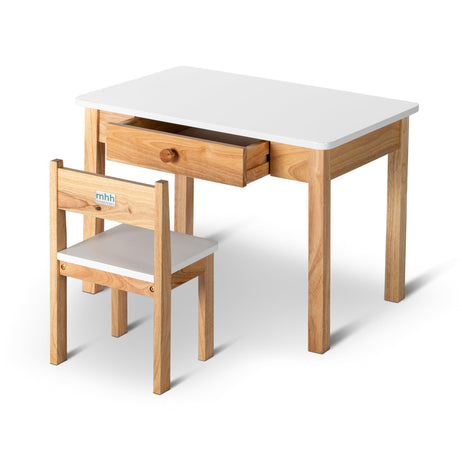
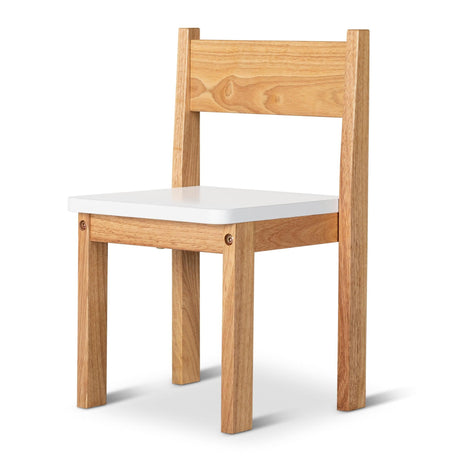
A child-sized home doesn't mean filling every room with miniature furniture. Over the years, we've found the pieces that earn their place are usually the ones that solve something practical. Maybe it's a chair that lets little feet sit more comfortably at the table, a bookshelf they can actually reach, or a table that becomes the spot for drawing, puzzles and afternoon snacks.

Start with the parts of your home that aren't quite working for your child, and choose from there. Sometimes one well-chosen piece is all you need.

Parent Guidance

Before buying, look around your home first. A coffee table, dining chair, low drawer or existing shelf may already be doing the job well enough. If it's already working well for your family, you don't need to replace it simply because a child-sized version exists.

When something is not working, be specific. Is the seat too high? Are feet unsupported? Is the table surface hard to reach? Are books or clothes stored above your child’s height? Those details matter more than a broad age label.

Measure the space, check the product dimensions and think about the child who will use it now. A piece that fits the room and makes an everyday activity easier will usually be more useful than furniture bought simply because it matches a complete set.

Choosing Guidance

Start with the job. Is the furniture for meals, drawing, books, storage, play space or a bedroom set-up? Once the job is clear, the comparison becomes much easier.

Check actual dimensions rather than choosing by age alone. For seating, think about the child’s body size, the seat height and how the chair relates to the table or surface it will be used with. For tables, consider whether the surface is comfortable to reach and whether it suits the activities you expect to use it for.

Also consider footprint and flow. A piece may be lovely, but it still needs to fit the room without making everyday movement harder. Think about how many children will use it, whether siblings or visiting children need space too, and whether it will be easy to clean, move or maintain in the place you plan to keep it.

Finally, think about stability and how the furniture will actually be used. Consider how your child is likely to interact with it, where it will sit in the room and whether the piece suits the purpose you are buying it for. The best choice is one that fits your child, works in your home and will be useful often enough to earn the space it takes up.

Frequently asked questions

Questions parents often ask

What is child-sized furniture?
Child-sized furniture is simply furniture designed around smaller bodies. It can include chairs, tables, bookshelves, playroom pieces and bedroom furniture, with dimensions and features that make sense for children rather than adults.
What size furniture does my child need?
Use age as a starting point only. The more useful checks are the product dimensions, your child’s body size, the height of the seat or surface, and where the furniture will be used. A chair needs to suit the table. A shelf needs to be reachable. A table needs to give enough surface space for the activity.
Is Montessori furniture different from kids furniture?
There is a natural connection between Montessori and child-sized furniture because Montessori environments often place useful furniture and belongings at a height children can access. But wooden, neutral or small furniture isn't automatically Montessori — function matters far more than the look. You don't need to follow Montessori at home to find child-sized furniture useful.
Does my child need their own table and chair?
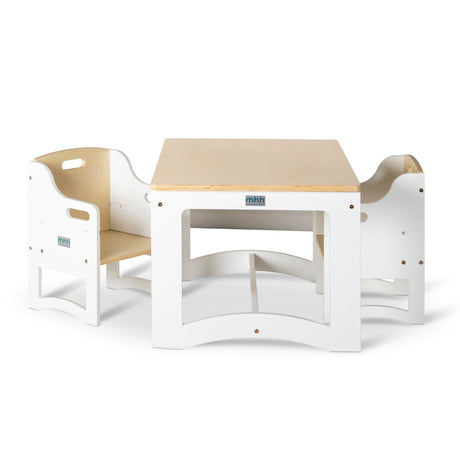
No. A child can draw, eat snacks or play at many surfaces, including the family table, a low household table or the floor. A child-sized table and chair set is useful when it solves a real problem, such as needing a surface your child can reach without climbing or being lifted.
What should I consider before buying kids furniture?
Start with the job the furniture needs to do. Then check fit, dimensions, access, stability, number of users, footprint, cleaning and intended use. It is also worth asking whether your current set-up already solves the problem, or whether a child-sized piece would make the space easier to use.
How much children’s furniture do we actually need?
Usually less than a full miniature home. Some families need only one or two useful pieces. Others may find that a table, seating and accessible storage are used every day. The right amount depends on your room, your child’s needs and the repeated friction points in your household.
How do I choose between different children’s chairs?
Choose by what the chair needs to do. A chair for a child-height activity table is different from seating designed for mealtimes or use at the family table. Check the seat height, the surface it will be paired with, its dimensions and stability, and how your child will get in and out of it.