Click & Collect or 24hr Dispatch*


Sensory Fidget Toys, Fidget Rings, Cubes & Spinners For Kids

A good sensory fidget toy doesn't entertain a child - it gives busy hands somewhere appropriate to go while their attention stays on the classroom, the story or the conversation. Our range of fidget toys, fidget rings, fidget cubes and quiet sensory tools is built around that idea. But children rarely want a fidget toy for its own sake; they're looking for something more basic - pressure, texture, movement or repetition - and the right choice depends entirely on which. Below we walk through what your child is actually seeking, why fidgeting supports focus rather than breaking it, what makes a fidget toy work for school, and how to choose one well made enough to survive daily use - because a fidget toy is only useful when a child can trust it will be there every time they need it.

Fidget Toys Fidget Rings & Cubes Quiet For School Sensory Regulation

What Is Your Child Actually Looking For In A Fidget Toy?

This is the question worth answering first, because a child isn't really looking for a toy - they're looking for a kind of sensory input, and naming it makes the right fidget obvious. As a general guide: a child who constantly squeezes cushions is looking for resistance and pressure. A child who rubs every textured surface they pass is looking for tactile feedback. A child who chews sleeves is asking for safe sensory input. Some children seek movement, some seek repetition, and some simply need their hands busy while their brain works. None of these is a behaviour to fix - each is a clue. Once you understand what your child is seeking, choosing a fidget toy stops being guesswork: pressure-seekers suit squeezable and resistive fidgets, texture-seekers suit textured and rolling surfaces, and movement-seekers suit spinners, rings and cubes that give their fingers somewhere to go.

Why Fidget Toys Help Busy Hands Stay Present

One of the biggest misconceptions is that fidget toys are designed to improve focus - that's too simple. Focus isn't something you hand a child; it's something their body makes possible. When a child's nervous system is constantly asking for movement, touch or pressure, ignoring those signals takes real effort, and that effort has to come from somewhere - often from attention. When a child can quietly meet those sensory needs in an appropriate way, they usually have more energy left for listening, learning, waiting and joining in. The fidget toy hasn't created focus; it's removed one of the things getting in the way of it. That's a very different idea, and it's why the goal isn't to stop a child fidgeting - it's to help their fidgeting become purposeful instead of disruptive.

Fidget Toys Aren't Just For Neurodivergent Children

Fidget toys are often associated with ADHD, autism or sensory processing differences, and many families do discover them through those pathways. But the need for sensory input isn't exclusive to any diagnosis - every child has a nervous system, and every child has moments of excitement, frustration, waiting and overwhelm. Some children simply communicate those needs more visibly than others. A sensory fidget toy isn't about labelling a child; it's about recognising that bodies sometimes need small, practical ways to feel organised. That's also why parents needn't worry a fidget toy will stop a child learning to self-regulate - the opposite is usually true. A child can't practise recognising and responding to their own needs if every attempt is discouraged; a well-chosen fidget gives them a chance to practise it.

Find The Right Fidget Toy

Which Sensory Fidget Toy Should You Choose?

The best fidget toy depends on what your child is seeking and where they'll use it. Here's the quick way to decide.

Choose A Quiet, Discreet Fidget If Your Child:

Needs it for school or quiet settings
Seeks gentle, low-key input
Does best with something pocket-sized
Is easily over-stimulated by noise or lights

Choose A More Active Fidget If Your Child:

Seeks strong pressure or resistance
Needs busy, satisfying hand movement
Likes clicking, spinning or pressing
Uses it at home rather than in class
If you're unsure, start with what your child already does with their hands - squeeze, rub, click or roll - and match the fidget to that. A quiet, well-made fidget suits most children and most situations.

Why Families Choose Our Sensory Fidget Toys

Quiet, Discreet Tools That Suit School

Matched To What Your Child Is Seeking

Built To Be Relied On Every Day

Why Quiet Fidget Toys Beat Clever Ones

Many parents begin by looking for the most interesting fidget toy, but schools, restaurants, libraries and family dinners teach something different: the best sensory fidget toys are often wonderfully boring. They don't flash, beep or become everyone's entertainment - they quietly disappear into the background while the child stays connected to what's happening around them. A fidget that becomes the centre of attention has stopped doing its job, and if a fidget is proving distracting, it's usually a sign it's too stimulating for the situation or simply isn't meeting the child's actual need. A sensory tool shouldn't be the main event; it should help the child stay part of everything else. When you're choosing, quiet and comfortable beats clever and exciting almost every time.

Why Fidget Toy Quality And Durability Matter

Sensory fidget toys live surprisingly hard lives - squeezed far harder than adults expect, twisted repeatedly, dropped onto concrete, carried through school bags, taken to waiting rooms and holidays. Some children rely on one every single day, which is exactly why durability isn't a luxury - it's about consistency. A favourite fidget only works when a child can trust it will be there whenever they need it, and children build daily routines around the objects that help them regulate. That's why we look for quality materials, thoughtful construction and child-safe finishes: not because they sound premium, but because when a regulating object fails, a child notices. A well-made fidget is one a child can rely on for years.

Choosing A Sensory Fidget Toy: The Short Version
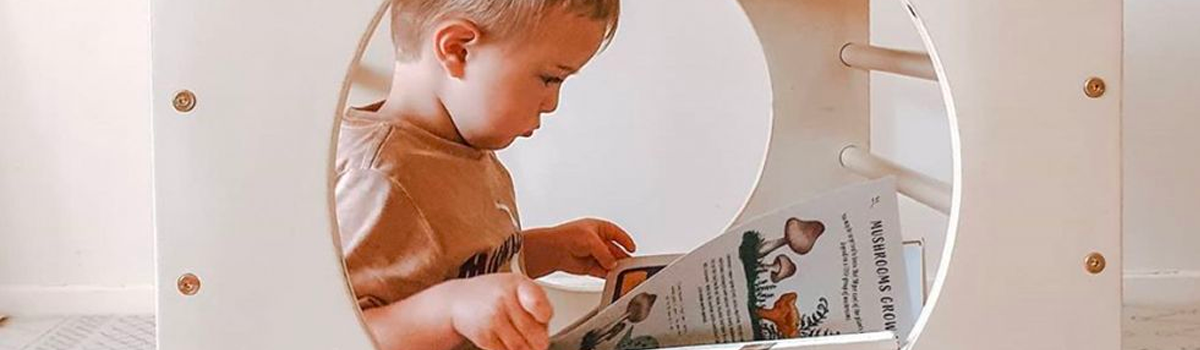
In short: instead of asking which is the best fidget toy, ask what your child is trying to achieve - pressure, movement, texture, something quiet for school, something comforting for long car rides. Start with the child rather than the product and the right choice becomes clear: name the input they seek, choose something quiet and comfortable enough to fade into the background, and pick one well made enough to be trusted every day. A good fidget toy doesn't stop the conversation a child's body is having - it gives it somewhere safe, quiet and appropriate to happen, so the child can stay part of everything else.

Frequently asked questions
Are fidget toys worth buying?

For a child who seeks sensory input, a good fidget toy is genuinely useful - it becomes a daily tool for staying calm, focused and part of what's happening, not an occasional toy. The value comes down to matching it to your child's need and choosing one well made enough to be relied on; a quality fidget a child trusts is worth far more than a novelty that breaks or distracts.

Are fidget toys safe for toddlers and young children?

Children under three should only use age-appropriate sensory toys designed for younger children, and always with adult supervision, because small parts can be a choking hazard and many novelty fidgets are made for older children. For young children, choose larger, simple, well-made sensory items rated for their age rather than small fidgets intended for school-aged kids.

What is the difference between a fidget ring, a fidget cube and a fidget spinner?

They give different input. A fidget ring rolls or spins quietly on a finger - discreet and good for school. A fidget cube has different surfaces to click, press, roll and slide, suiting a child who wants varied input in one tool. A fidget spinner gives spinning, visual movement. The right one depends on whether your child wants something quiet and subtle or more active and engaging.

Will a fidget toy stop my child learning to self-regulate?

Usually the opposite. A child can't practise recognising and responding to their own needs if every attempt to do so is discouraged. A well-chosen fidget doesn't replace self-regulation - it gives a child appropriate, repeated chances to practise it. If a fidget seems to be making things worse, it's usually too stimulating for the setting or isn't meeting the child's actual need.

Are fidget toys only for children with ADHD or autism?

No. Fidget toys are often discovered through ADHD, autism or sensory processing differences, but the need for sensory input isn't exclusive to any diagnosis - every child has a nervous system and moments of overwhelm, excitement or waiting. Some children just show those needs more visibly. A fidget toy isn't about labelling a child; it's a practical way for any child to feel organised.

What are the best fidget toys for school and the classroom?

The best classroom fidgets are small, quiet, comfortable to hold and easy to put away - simple enough to stay a tool rather than become a toy during learning. Fidget rings, smooth pocket objects and quiet cubes work well because they support the child without demanding everyone else's attention. The ideal classroom fidget is often the one nobody else even notices.

How do I choose the right fidget toy for my child?

Start with what your child is seeking rather than which toy is best. A child who squeezes everything wants resistance; a child who rubs textures wants tactile feedback; a child who chews wants safe oral input; a child who needs to move wants something to spin, click or roll. Name the input, and the right fidget - a squeeze toy, a textured tool, a ring, a cube - becomes obvious. Also consider where they'll use it, since school needs something quieter than home.

Do fidget toys actually help children focus?

For the right child, yes - but not by magically creating focus. When a child's body is seeking movement, pressure or touch, ignoring those signals takes effort that often comes out of attention. A fidget toy lets them meet that need quietly, freeing up energy for listening and learning. The fidget hasn't created focus; it's removed something getting in the way of it. For a child who doesn't seek that input, it makes little difference.