Click & Collect or 24hr Dispatch*

Looking After Others

Helping Children Practise Care, Kindness And Responsibility Through Pretend Play

Many children naturally recreate the care and attention they see in everyday life. They feed dolls, comfort soft toys, push prams, organise check-ups and care for animals through imaginative play. Looking After Others helps children make sense of relationships, caregiving and responsibility by acting out familiar experiences in ways that feel meaningful and age appropriate.

Start here

Children often process relationships by caring for others through play.

Some children focus on family routines and nurturing dolls, while others become fascinated by helping people, caring for animals or recreating everyday caregiving experiences.

View as

Children Often Understand Relationships Through Play

Young children spend much of their day observing how people care for one another. They see parents comforting babies, feeding family members, helping when someone is hurt and looking after pets. Through pretend play, children begin recreating these experiences in ways that help them understand the relationships and responsibilities they see around them. Looking After Others is not simply about dolls or accessories. It is about practising caregiving, empathy and responsibility through imaginative role play.

Nurturing Play Family Routines Caregiving Roles Relationship Play
Caring For Others Often Begins With Identity Play

Children Often Explore Different Roles Through Dress Up

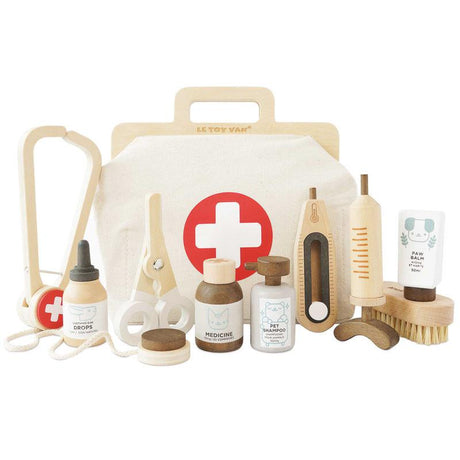
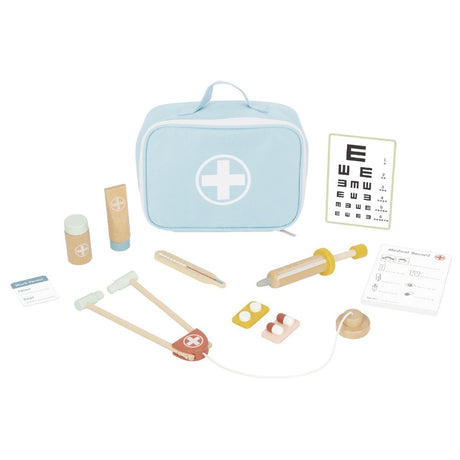
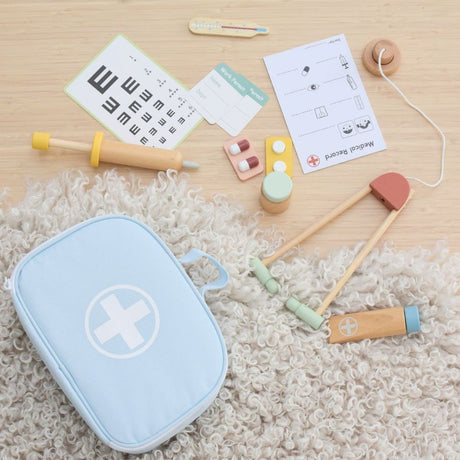
Pretending to be a parent, doctor, vet or helper often overlaps with dressing up and taking on different identities. These experiences allow children to experiment with how they see themselves and others.

Caring Play Reflects What Matters To Children

When children care for dolls, comfort toys or organise pretend check-ups, they are often recreating the relationships and experiences that feel most important in their lives. These moments provide opportunities to practise responsibility, connection and caregiving in ways that feel safe and manageable.

Not every child will be drawn to the same type of nurturing play. Some focus on dolls and family routines, while others are more interested in helping animals, caring for patients or creating elaborate caregiving stories. These preferences simply reflect the aspects of everyday life that currently feel most meaningful to them.

Providing opportunities for nurturing role play allows children to engage with relationships, responsibility and care through imagination while building confidence in their understanding of the world around them.

Frequently asked questions

Questions parents often ask

Why Do Some Children Spend So Much Time Caring For Toys?

Children often return to caregiving play because it reflects situations that feel familiar, meaningful and emotionally significant. The relationships they observe at home frequently become the foundation for their imaginative play, and caring for toys provides opportunities to revisit those experiences repeatedly.

Many children find comfort in predictable routines. Feeding a doll, putting a toy to bed or checking on an animal creates familiar patterns that can be repeated over and over again. These routines often feel satisfying because children know what to expect and understand the role they are playing.

Caregiving play also gives children a sense of responsibility and control. They decide what happens, what the toy needs and how the story unfolds. This allows them to explore important ideas about helping, caring and relationships in ways that feel achievable.

Spending significant time caring for toys is usually a reflection of a child's interest in relationships, responsibility and the everyday experiences that matter most to them.

What Is The Difference Between Nurturing Play And Family Role Play?

Nurturing play and family role play often overlap, but they are not exactly the same. Nurturing play focuses specifically on caregiving behaviours such as feeding, comforting, helping and looking after others. Family role play involves recreating broader family relationships and routines.

For example, a child feeding a doll is engaging in nurturing play. A child pretending to be a parent preparing for a family outing is participating in family role play. Both involve imagination and relationships, but the focus differs slightly.

Many children move naturally between these styles of play. Family scenarios often include nurturing moments, while nurturing play frequently becomes part of larger stories about family life. The two are closely connected because both help children make sense of the relationships they observe every day.

Understanding this distinction can help parents identify whether their child's interest is primarily caregiving focused or centred on recreating family experiences more broadly.

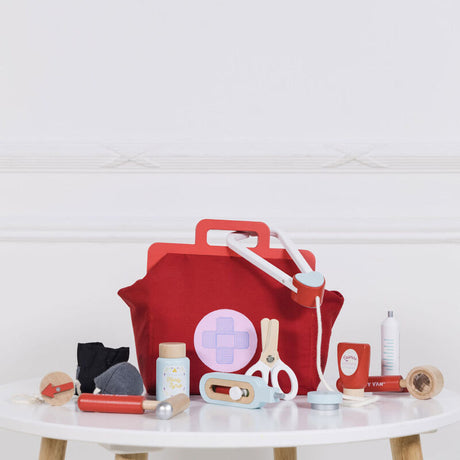
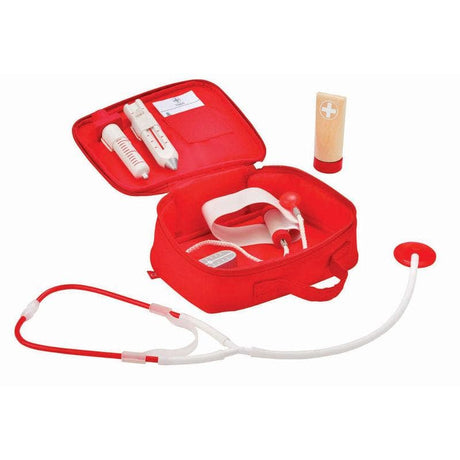
Why Do Children Enjoy Doctor And Vet Play?

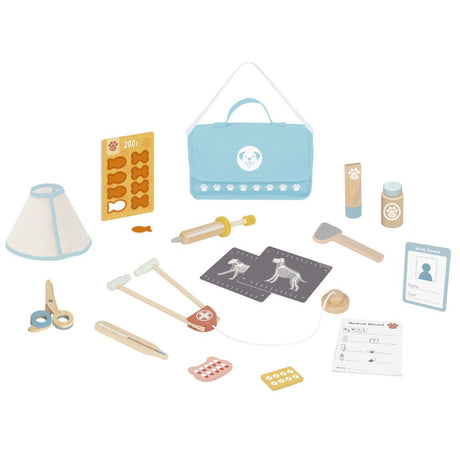
Doctor and vet play often appeals to children because it combines helping behaviour with familiar real-world experiences. Most children have visited a doctor, seen a veterinarian or watched someone receive care, making these roles easy to recognise and imitate.

These forms of role play allow children to step into the role of helper rather than patient. Instead of receiving care, they become the person providing support, organising treatment and solving problems. This role reversal can feel both empowering and exciting.

Doctor and vet play also offer clear stories and routines. There is usually a patient, a problem to solve and a solution to provide. This structure naturally supports imaginative storytelling while remaining grounded in experiences children understand.

Many children revisit these scenarios repeatedly because they combine caregiving, responsibility and imagination in ways that feel familiar and meaningful.

How Does Caregiving Role Play Help Children Understand Relationships?

Young children learn about relationships largely through observation. They watch how parents care for babies, how family members help one another and how adults respond when someone is upset, hurt or unwell. Caregiving role play provides opportunities to recreate these experiences through imagination.

When children take care of dolls, animals or pretend patients, they begin experimenting with the responsibilities and interactions they have observed. They practise comforting, helping, feeding, organising and supporting others within the safety of pretend scenarios.

Role play allows children to revisit these experiences repeatedly, helping them build familiarity and understanding over time. Because the situations are controlled by the child, they can adapt stories, repeat routines and focus on the parts they find most interesting.

Through this process, children gradually develop a deeper understanding of how relationships work and how people care for one another in everyday life.

Why Do Children Pretend Their Toys Are Sick?

Pretending that toys are sick or injured is a very common form of role play. Children frequently recreate situations they have experienced themselves or observed happening to people around them. Visits to the doctor, minor injuries and caring for someone who is unwell often leave a strong impression.

By acting out these experiences through play, children can process what happened and make sense of situations that may have felt confusing, unfamiliar or emotional. A toy that needs a bandage or a check-up provides an opportunity for children to take on the role of helper and caregiver.

This type of play also allows children to practise empathy and problem solving. They think about what the toy needs, how to help and what happens next in the story. These interactions help transform observations into understanding.

For many children, pretending to help a toy feel better is simply another way of exploring the caring behaviours they see demonstrated by trusted adults.

What Is Nurturing Play?

Nurturing play occurs when children take on caregiving roles and responsibilities through imagination. This may involve feeding dolls, comforting toys, helping animals, organising check-ups or recreating family routines they have observed in everyday life.

Many children naturally gravitate towards nurturing play because it reflects experiences that are already important to them. They observe adults helping others and begin exploring those same behaviours through role play. These experiences often become some of the earliest forms of imaginative play because they are rooted in familiar relationships and routines.

Nurturing play is highly personal. Some children focus on dolls and babies, while others become interested in caring for animals, helping patients or creating elaborate family scenarios. The common thread is the desire to look after someone or something.

Through these experiences, children can experiment with responsibility, kindness and caregiving in ways that feel safe, manageable and meaningful.

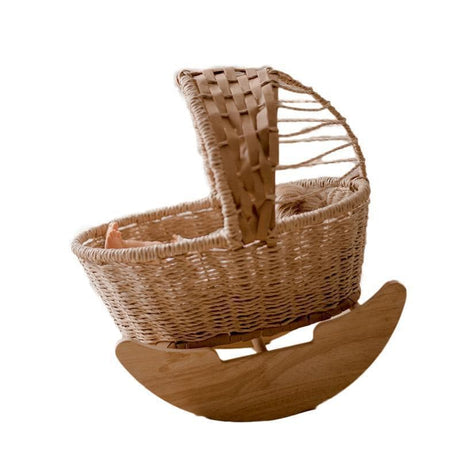
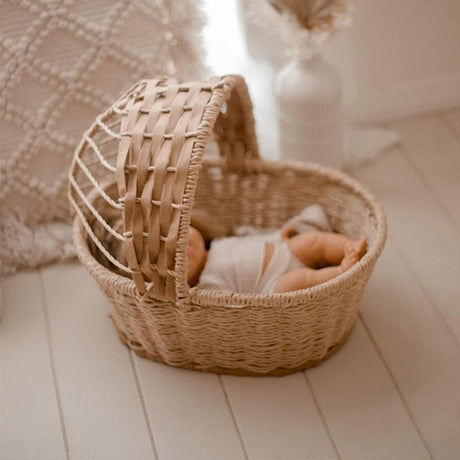
Why Do Children Like Looking After Dolls?

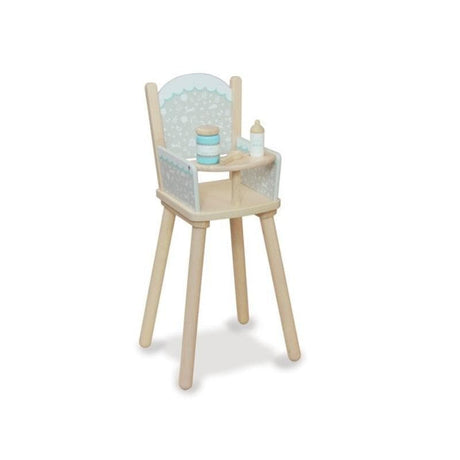
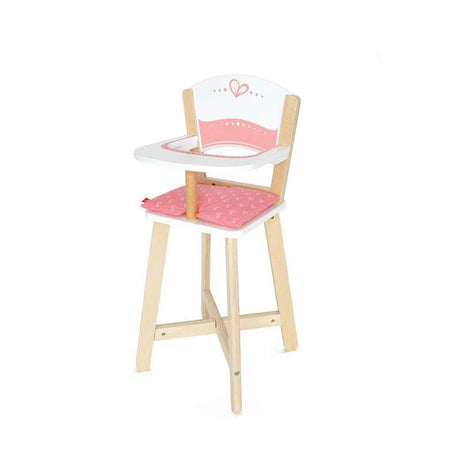
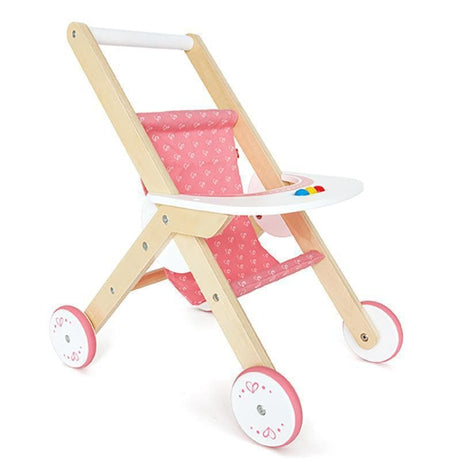
Many children are naturally drawn to caring for dolls because dolls allow them to recreate the relationships and routines they observe every day. They watch parents comfort babies, help family members, prepare meals and care for others, then practise these same experiences through pretend play.

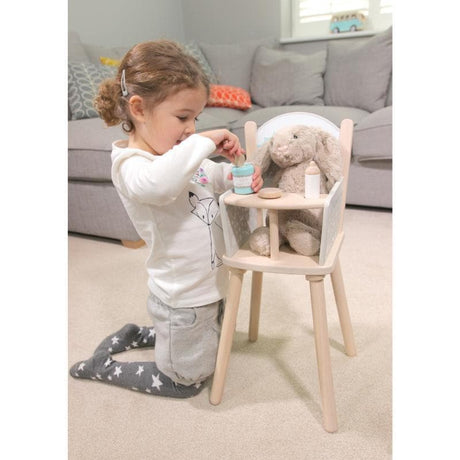
When children feed a doll, tuck it into bed or carry it around the house, they are often acting out familiar caregiving situations. This type of play helps children make sense of the world around them by transforming observations into experiences they can control and understand.

Dolls also provide opportunities for children to create their own stories and routines. A doll can become a baby, a friend, a sibling or even a patient who needs care. This flexibility allows nurturing play to evolve alongside a child's interests and imagination.

Rather than focusing on the doll itself, it can be helpful to view doll play as a way for children to practise relationships, responsibility and caregiving through everyday role play.