Click & Collect or 24hr Dispatch*

Sleep & Calm

Supporting Calmer Bedtime Routines Through Comfort And Familiarity

Bedtime often looks different from one child to the next. Some settle easily, while others need reassurance, predictable routines or familiar comforts before they feel ready to rest. This guide helps parents understand the different ways children seek comfort around sleep and quiet time, making it easier to choose resources that support calm, connection and consistency during everyday routines.

Start here

The most helpful sleep and calm resources often depend on what your child seeks when they need comfort, reassurance or help transitioning towards rest.

Some children are comforted by familiar objects, others by gentle lighting or consistent sounds. Understanding these preferences can help create calmer bedtime routines over time.

View as

Creating Calm In The Moments Before Sleep

For many families, bedtime is not a single event but a gradual transition. Children often move from active play and busy days into quieter routines that help them feel safe, settled and ready for rest. Along the way, they may seek comfort through familiar objects, predictable environments, gentle sensory input or consistent routines. Understanding how children experience these transitions can help parents create calming bedtime environments that support comfort and confidence without adding unnecessary complexity.

Bedtime Comfort Calm Routines Night Reassurance Familiarity & Security
Building Predictable Routines

Calm Evenings Often Begin Earlier In The Day

Many bedtime challenges are influenced by the rhythm of the day itself. Consistent routines around meals, transitions and family time often help create smoother pathways towards rest and relaxation.

Every Child Finds Comfort In Different Ways

There is no single bedtime routine that works for every child. Some children feel most secure with familiar comfort objects, while others rely on predictable sensory cues, gentle lighting or consistent environments. These preferences often change as children grow and develop.

Rather than focusing on creating a perfect routine, it can be helpful to think about what helps your child feel safe, calm and supported. Small, familiar rituals often play an important role in helping children transition from busy days into quieter moments.

Comfort, connection and consistency tend to matter far more than complicated routines. By paying attention to the ways your child naturally seeks reassurance, you can gradually build sleep environments and bedtime experiences that feel calm, familiar and supportive for the whole family.

Frequently asked questions

Questions parents often ask

What Role Does Familiarity Play In Bedtime Routines?

Familiarity is one of the most powerful tools parents have when supporting calm and confident bedtime experiences. Young children are constantly learning about the world around them, and familiar experiences often help reduce uncertainty and create a sense of safety.

Bedtime routines frequently rely on familiar elements such as favourite stories, comfort objects, gentle lighting or repeated rituals. These experiences help children recognise that bedtime is approaching while providing reassurance through predictability. Familiarity allows children to focus less on uncertainty and more on settling comfortably into their routine.

The importance of familiarity becomes particularly noticeable during periods of change. Travel, illness, developmental shifts or family transitions can sometimes disrupt routines and increase a child's need for familiar comforts. During these times, maintaining consistent bedtime elements often helps provide stability.

Ultimately, familiarity supports emotional security. It helps children understand what to expect and creates a sense of continuity that can make bedtime feel calmer, more manageable and less overwhelming.

Why Do Some Children Struggle With Bedtime Transitions?

Bedtime requires children to move from a state of activity, engagement and stimulation towards rest. For some children, this transition feels straightforward. For others, it can be one of the most challenging parts of the day.

Many factors influence bedtime transitions. Some children find it difficult to stop enjoyable activities, while others become more sensitive to separation, tiredness or environmental changes as the day progresses. Developmental stages can also influence how children respond to bedtime routines.

Importantly, resistance to bedtime does not necessarily mean a child is being difficult. Often, it reflects the challenge of navigating a significant daily transition. Understanding this can help parents approach bedtime with greater patience and realistic expectations.

Supporting smoother transitions often involves creating predictable routines, reducing unnecessary stimulation and providing opportunities for reassurance. Small adjustments that help children feel more secure and prepared for what comes next can make bedtime feel less stressful for everyone involved.

How Can Consistent Routines Support Sleep And Calm?

Young children often thrive on predictability. Consistent routines help them understand what is happening, what is expected and what comes next. This sense of structure can be particularly valuable during transitions such as bedtime.

When routines are repeated regularly, they gradually become familiar cues that signal the shift from activity towards rest. Children learn to recognise these patterns and often begin adjusting their behaviour accordingly. This process can help reduce uncertainty and make bedtime feel less overwhelming.

Consistency does not mean every evening must be identical. Family life is naturally flexible and routines evolve over time. However, maintaining some familiar elements can help create continuity even when schedules change.

Many parents find that routines support not only sleep but also emotional regulation. Familiar sequences often provide reassurance during times of change, helping children feel more secure and confident. Over time, these predictable experiences become part of the foundation that supports calmer evenings and smoother transitions.

What Helps Children Feel Safe And Secure At Night?

Feeling safe at night is about much more than the physical environment. While practical factors matter, children also rely heavily on emotional reassurance, familiarity and predictability when settling to sleep.

Many children feel more secure when bedtime follows a familiar pattern. Knowing what to expect often reduces uncertainty and helps children transition more comfortably from busy daytime activities into quieter evening routines. Familiar objects, trusted routines and consistent environments all contribute to this sense of security.

Children may also experience periods where fears, imagination or developmental changes influence how they feel about bedtime. These experiences are common and often fluctuate throughout childhood. During these stages, reassurance and consistency can play an important role in helping children feel supported.

Rather than focusing on eliminating every concern, it is often more helpful to create environments that feel calm, familiar and predictable. Over time, these repeated experiences help children build confidence and develop a stronger sense of security around bedtime and sleep.

Why Do Some Children Need Comfort Objects At Bedtime?

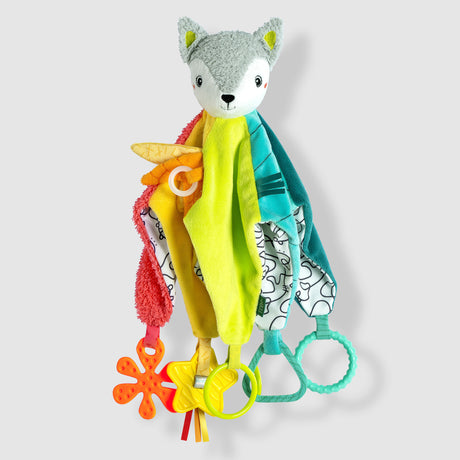
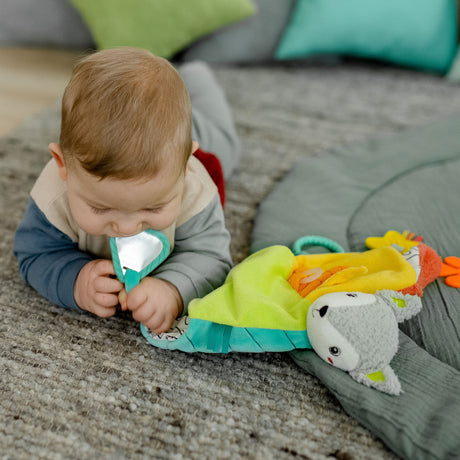
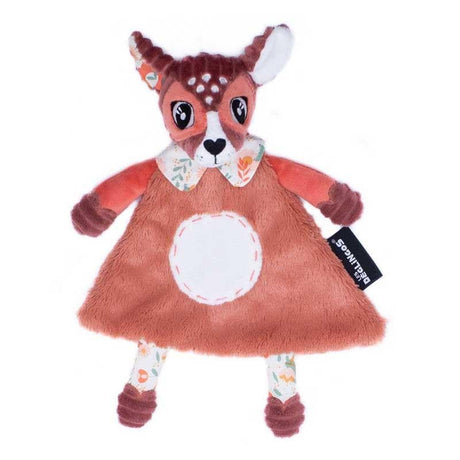
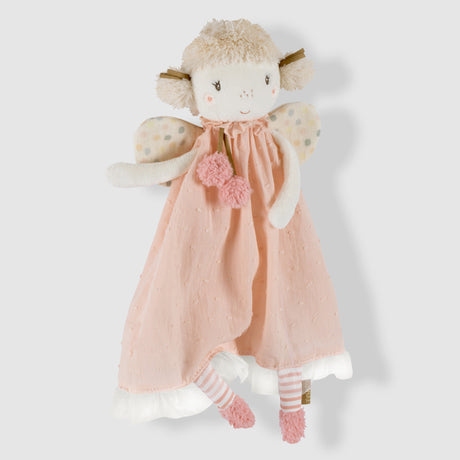
Many children naturally develop attachments to particular objects during early childhood. These may include blankets, comforters, soft toys or other familiar items that help them feel secure during transitions, separations or unfamiliar situations. Bedtime is often one of the times these objects become most important.

Comfort objects provide familiarity. While adults often rely on routines, relationships and experience to feel secure, young children are still developing these coping strategies. Familiar items can act as reassuring reminders of safety and consistency during moments when children are learning to settle independently.

The attachment is rarely about the object itself. Instead, the object becomes associated with comfort, predictability and emotional security. This is why children often seek these items during periods of tiredness, stress, change or uncertainty.

For many families, comfort objects become a natural part of bedtime routines. They help create continuity between daytime experiences and the transition towards sleep while providing reassurance that feels familiar and manageable for the child.

How Can I Create A Calmer Bedtime Routine For My Toddler?

Many parents think of bedtime as a single event, but for young children it is often a gradual transition from activity and stimulation towards rest. Toddlers rarely move directly from energetic play into sleep. Instead, they benefit from routines that help signal the end of the day and create a sense of predictability.

Calmer bedtime routines often involve familiar patterns repeated consistently over time. Activities such as bathing, reading stories, quiet conversation, cuddles or other predictable rituals can help children understand what comes next. These repeated experiences often provide reassurance because they make the transition towards sleep feel familiar rather than uncertain.

Importantly, calm routines do not need to be lengthy or complicated to be effective. Many families find that simple, consistent habits work better than constantly changing approaches. What matters most is creating an environment that feels predictable and supportive.

Children often respond positively when bedtime becomes a familiar sequence rather than an unexpected interruption to their day. Over time, these routines can help reduce uncertainty while creating a calmer pathway towards rest for both children and parents.