
Click & Collect or 24hr Dispatch*

15% Off Sitewide & Clearance*

EOFY15
Helping Children Understand Community Helpers Through Rescue And Service Role Play

Emergency Vehicle & Rescue Play

Children are often fascinated by the people who help keep communities safe, organised and running smoothly. Firefighters, police officers, paramedics, construction crews and service workers are highly visible in everyday life, making them natural sources of imaginative play. Through rescue and service role play, children recreate these important community roles while building stories around helping others, solving problems and responding to real-world situations.

Start here

Some children are drawn to dramatic rescue stories, while others are fascinated by the people and vehicles that keep communities functioning every day.

Understanding which community role captures your child's attention can help you choose the type of role play they are most likely to engage with.

View as

Children Often Recreate The Helpers They See Around Them

Emergency vehicles and service vehicles are some of the most recognisable parts of a child's world. Whether they spot a fire truck racing past, see roadworks in progress or watch rubbish collection on bin day, these experiences leave lasting impressions. Through role play, children transform these observations into stories that help them understand how communities work and how different people contribute to everyday life.

Community Helpers Rescue Stories Problem Solving Roles Real World Inspiration
The Vehicles Are Only Part Of The Story

Many Children Become Fascinated By How Big Machines Work

Some children are more interested in the vehicles themselves than the rescue stories surrounding them. Vehicle and worksite play focuses on machines, transport and the jobs they perform.

Community Role Play Helps Children Understand The World Around Them

Children are naturally curious about the people who help, protect and support their communities. Firefighters, police officers, paramedics, construction workers and service crews often become memorable figures because children regularly see them solving problems and helping others.

Through imaginative play, children can recreate these experiences in ways that feel meaningful and manageable. Some focus on dramatic rescue stories, while others become interested in the jobs, routines and responsibilities behind the roles. These preferences simply reflect the parts of community life that currently capture their attention.

There is no right way to engage in rescue and service role play. The most valuable experiences are often the ones that allow children to follow their interests while making sense of the people and systems they encounter every day.

Frequently asked questions

Questions parents often ask

Why Do Children Become Interested In Community Jobs?

As children grow, their understanding of the world expands beyond their immediate family. They begin noticing the people who contribute to daily life and become curious about how communities function. Questions about who collects rubbish, repairs roads, helps during emergencies or keeps people safe often emerge naturally.

Community jobs provide children with visible examples of responsibility, cooperation and problem solving. Through pretend play, children can experiment with these roles and build understanding of how different people contribute to society.

Many children are particularly attracted to jobs with a clear purpose. They enjoy roles where people help others, solve problems or make a visible difference. These qualities make community-based role play both meaningful and easy to understand.

This interest reflects a child's growing awareness that communities rely on many different people working together every day.

What Is The Difference Between Rescue Play And Vehicle Play?

Although they often overlap, rescue play and vehicle play focus on different interests. Rescue play centres on the people, stories and situations surrounding helping behaviours. Vehicle play focuses more on the machines themselves and how they move, work and interact.

A child pretending to rescue someone from a fire is engaging in rescue play. A child who is primarily interested in how a fire truck operates may be more focused on vehicle play. Both are valuable forms of play, but they reflect different motivations.

Some children move easily between the two. They may become fascinated by a vehicle first, then create elaborate stories around the role associated with it. Others focus almost entirely on the narrative and helping aspects of the play.

Understanding which element interests a child most can help parents choose experiences that better match their current stage of development and curiosity.

Why Do Children Love Police And Ambulance Play?

Police officers and paramedics are highly recognisable figures within a child's community. Children see police directing traffic, assisting people and responding to emergencies. They encounter ambulances during community events, in stories and sometimes through personal experiences.

These roles often appeal to children because they involve helping people and solving problems. Through pretend play, children can imagine themselves responding to situations, protecting others and providing assistance when it is needed.

Police and ambulance role play also provide strong storytelling opportunities. There is usually a problem to solve, a role to perform and a clear purpose within the story. These elements make the play experience easy to understand while still leaving room for creativity.

The appeal often lies in the responsibility and purpose associated with these roles rather than the vehicles themselves.

Why Do Children Enjoy Firefighter Role Play?

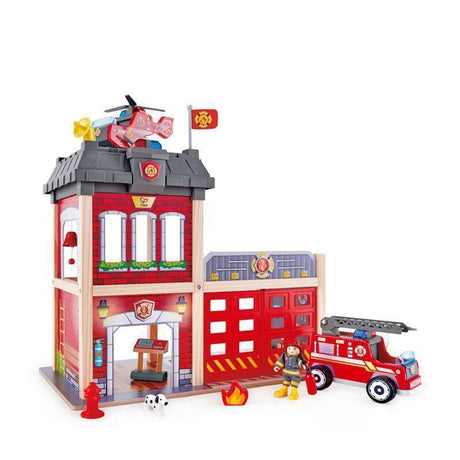
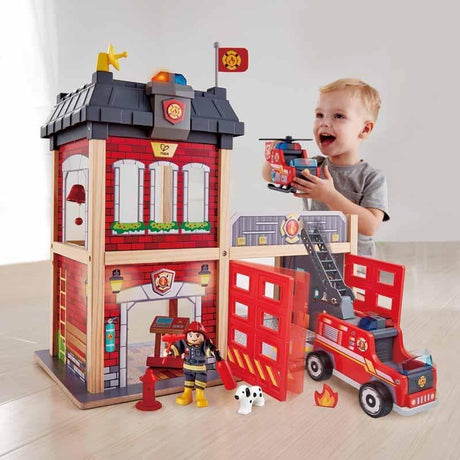
Firefighters are often among the first community helpers children learn about. Fire trucks are highly visible, firefighters frequently visit schools and childcare settings, and the role itself is easy for young children to understand. Firefighters help people and respond when something goes wrong.

Children are naturally drawn to these stories because they involve action, teamwork and helping others. Through firefighter role play, children can recreate rescue missions, solve problems and imagine themselves responding to important situations.

Many children also enjoy the clear purpose associated with firefighting. There is often a challenge to overcome and a positive outcome to achieve, making these stories satisfying to repeat through play.

For most children, firefighter role play is not really about the vehicle. It is about becoming the helper behind the story.

Why Do Children Create Rescue Stories Through Play?

Rescue stories provide children with clear problems to solve and meaningful roles to perform. Someone needs help, a situation needs attention or a challenge needs to be overcome. This structure naturally supports imaginative play because it creates a beginning, middle and end for the story.

Children frequently draw inspiration from situations they have seen in books, television programs, conversations and real life. Emergency vehicles and rescue workers often appear in these experiences, making them familiar themes for storytelling.

Through rescue role play, children can experiment with helping others, responding to emergencies and finding solutions. These stories allow children to imagine themselves as capable problem solvers while exploring situations that feel important and exciting.

Many children revisit rescue scenarios repeatedly because they combine action, responsibility and imagination in ways that feel highly engaging.

What Is Community Helper Role Play?

Community helper role play occurs when children recreate the jobs and responsibilities of people who contribute to everyday life. This may include firefighters, police officers, paramedics, construction workers, sanitation workers and many other community-based roles.

Children often become interested in these professions because they encounter them regularly. They see emergency services responding to situations, road crews repairing infrastructure and service workers performing important jobs throughout the community. Through pretend play, children recreate these experiences and build stories around them.

Role play allows children to step into these positions and imagine what it might feel like to help others, solve problems or contribute to a larger community. These experiences are often less about the job itself and more about understanding how people work together to support everyday life.

Community helper play reflects a child's growing curiosity about the world beyond their immediate family and home environment.

Why Are Children So Fascinated By Emergency Vehicles?

Emergency vehicles are some of the most noticeable and memorable vehicles children encounter. Bright colours, flashing lights, sirens and the sense of urgency surrounding them naturally attract attention. Many children become fascinated by these vehicles long before they fully understand the jobs associated with them.

Part of the appeal comes from their purpose. Children quickly recognise that fire trucks, ambulances and police vehicles appear when something important is happening. This creates curiosity and encourages children to ask questions about who uses these vehicles and why they are needed.

Emergency vehicles also provide rich material for storytelling. Children often create rescue missions, emergencies and problem-solving scenarios based on experiences they have observed in the real world. These stories help children make sense of situations that may otherwise feel confusing or unfamiliar.

For many children, the attraction is not just the vehicle itself. It is the opportunity to imagine helping others, solving problems and taking on important community roles through play.