
Click & Collect or 24hr Dispatch*

Build & Construct · Magnetic Building

Magnetic Building Toys

Magnetic building toys solve a problem traditional blocks can't: they let a child build something ambitious that actually holds together. For the child who gets frustrated when a tower topples one piece from finished, magnets change everything — walls stand, roofs stay on, and a build can get as tall and elaborate as the imagination behind it. But "magnetic building" isn't one thing, and the gap between a great set and an unsafe one is real. This is the home for the whole category — magnetic tiles, magnetic blocks, Connetix and Magna-Tiles — with a straight guide to choosing the right system and buying safely.

Start here

Three questions cover the whole category: tiles or blocks (spaces or objects), which brand or system fits how your child plays (Connetix's blank canvas vs Magna-Tiles' story prompts), and is the set from a reputable, safety-tested brand with fully enclosed magnets.

If your child loves the wobble and crash of loose towers rather than builds that lock together, traditional wooden blocks and classic building may suit them better — many families own both.

View as

Magnetic Tiles vs Magnetic Blocks: What's the Difference?

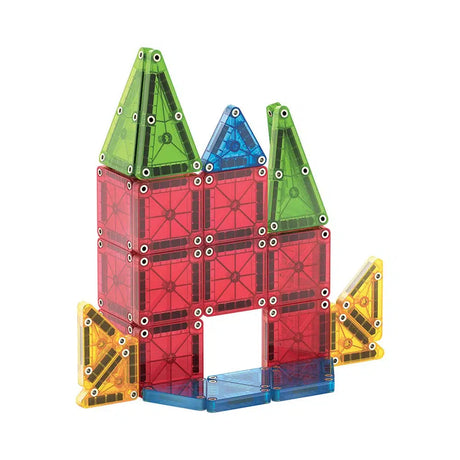
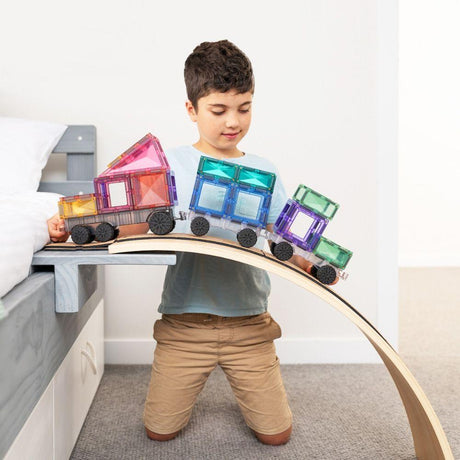
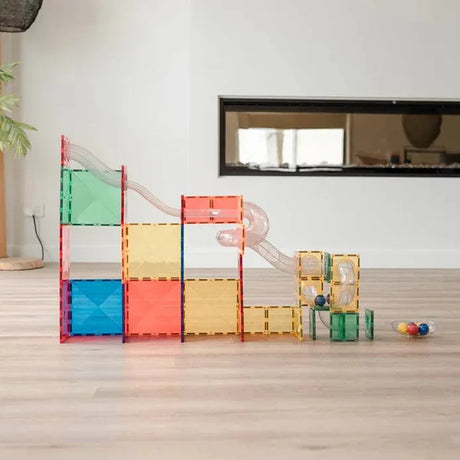
The first choice in magnetic building is the most fundamental: tiles or blocks. Magnetic tiles are flat, mostly translucent shapes — squares, triangles, arches — that connect at the edges to build structures and worlds: houses, castles, rooms, ball runs, anything with walls. They're the open-ended "blank canvas" of magnetic building, and the catch-light colours add a quiet sensory pleasure as children build against windows. Magnetic blocks are solid, chunky cubes and shapes that build objects rather than spaces — robots, vehicles, creatures, little characters.

The simplest way to think about it: tiles build the castle, blocks build the dragon. A child who thinks in spaces and structures gravitates to tiles; a child who thinks in things and characters loves blocks. Neither is better, and plenty of children love both, because they encourage different kinds of imagining — one architectural, one more like sculpting or figure play. If your child is younger, blocks are often easier first (chunkier, simpler, fewer pieces to manage), while tiles open up as fine motor control and planning develop. Both are in this range, and the collections go deeper on each.

Tiles vs Blocks Connetix vs Magna-Tiles Magnet Safety By Age & Stage
Prefer Loose, Open-Ended Building?

When a Child Wants Blocks That Don't Connect

Magnetic building is brilliant for builds that hold together — but some children love exactly what magnets remove: the balance, the wobble, the satisfying crash of a loose tower coming down. If your child is more drawn to that open-ended, build-from-scratch play, traditional wooden blocks and classic building toys may suit them better. There's no better or worse — just two kinds of builder, and many families keep both for the different play they offer.

Magnetic Building Toys: The Right System, Bought Safely

The best magnetic building toy is the one that matches how your child builds — tiles for spaces, blocks for objects, a blank canvas or a story prompt — and that comes from a reputable, safety-tested brand with fully enclosed magnets. Get both right and you have a building system that holds together, grows for years, and keeps surprising the people watching.

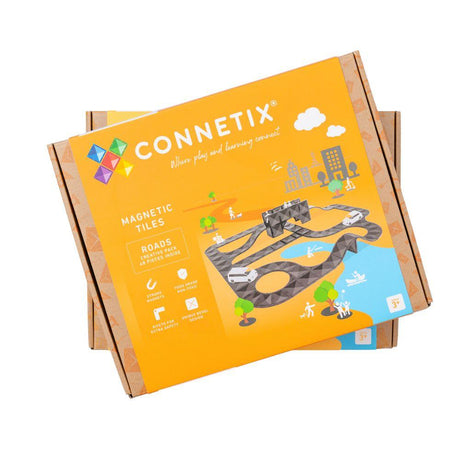
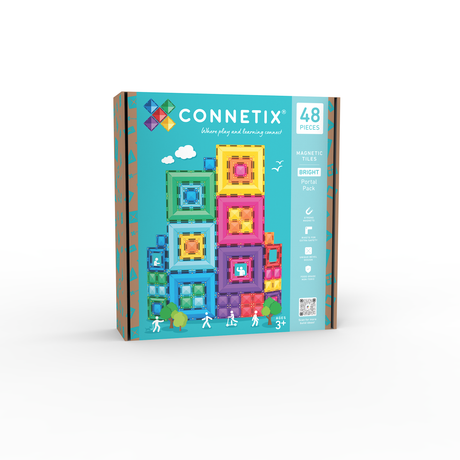
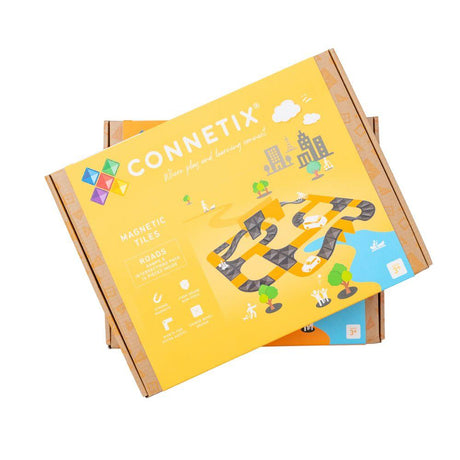
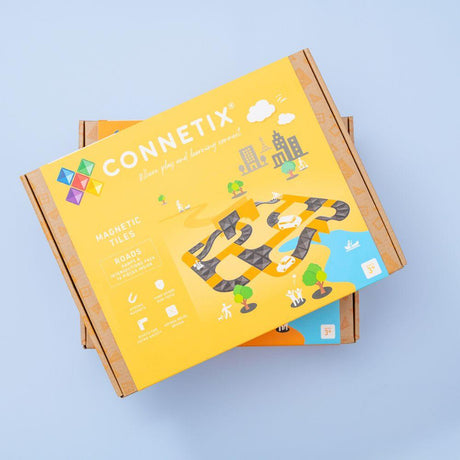
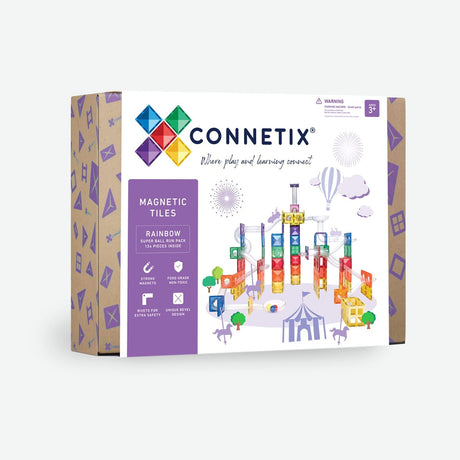
Explore the range: magnetic tiles, magnetic blocks, Connetix, Magna-Tiles and Connetix ball runs. Weighing the big two brands? Read our Connetix vs Magna-Tiles guide, or see the wider Build & Construct range.

Frequently asked questions

Questions parents often ask

Do different magnetic tile brands work together?

Many magnetic tile brands are broadly compatible because they use a similar edge-magnet design, so you can often mix them — but it isn't universal, and magnet strength and tile thickness vary between brands, so check before assuming. Within a single system like Connetix, everything is designed to work together, from tiles to ball runs to expansion packs. If staying within one brand matters to you, our Connetix and Magna-Tiles collections each keep you within that system.

Which magnetic building toy should I choose for my child?

Start with two questions. Tiles or blocks — does your child think in spaces and structures (tiles) or objects and characters (blocks)? Then, for tiles, which brand fits how they play — Connetix's blank canvas for the child who invents from nothing, or Magna-Tiles' story-led themed sets for the child who likes a starting point. Add a ball run if they love movement. Most families start with one tile set and expand. If your child prefers loose blocks that don't lock together, classic wooden blocks may suit better.

What age are magnetic building toys for?

They grow with the child. For toddlers, with supervision and age-appropriate sets, chunky magnetic blocks or larger tiles suit early stacking and connecting. Around 3-5, children build recognisable houses, towers and enclosures, where tiles shine. From about 5 up, builds become architectural — multi-storey buildings, symmetry, ball runs. Because one set supports all of this, magnetic building is a category children rarely outgrow. Always follow the set's age recommendation and supervise younger children, as magnets are a safety consideration up to age 14.

Are magnetic tiles safe for children?

Quality, safety-tested magnetic tiles are safe; cheap unbranded ones can be genuinely dangerous. The risk is loose, small, high-powered magnets — if a child swallows more than one they can attract through the intestine wall and cause serious injury. Australia bans loose high-powered magnets and has a mandatory standard requiring magnets in toys to be securely enclosed. Choose reputable brands meeting AS/NZS ISO 8124, EN71 or ASTM F963 with fully sealed magnets, avoid unbranded bulk sets (which is what gets recalled), follow age guidance and supervise young children.

Connetix or Magna-Tiles — which is better?

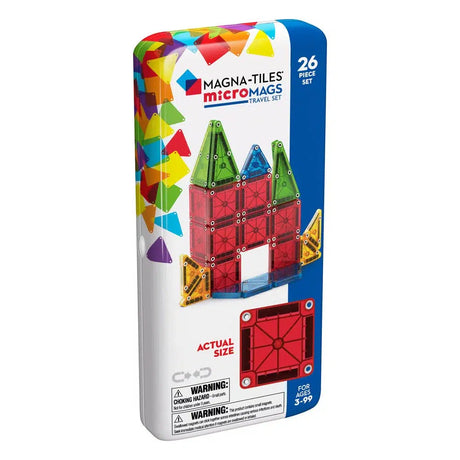
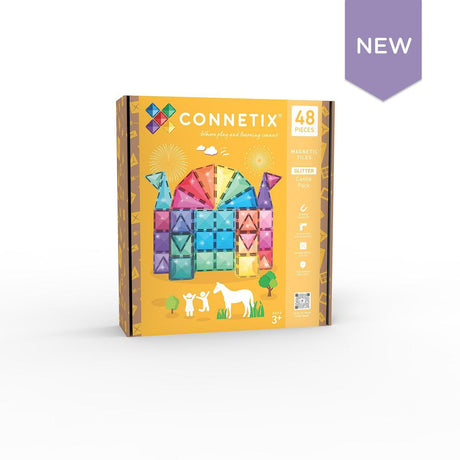
Neither is 'better'; they suit different children. Magna-Tiles often invite a child in with a story prompt — themed dinosaur, vehicle or space sets that give an easy starting point. Connetix is the pure blank canvas — just shapes and possibility, designed as a system families expand over years. The child who happily invents from nothing tends to love Connetix; the child who likes a story to start with often prefers Magna-Tiles. Both are quality, safety-tested brands, and many families own both. Our Connetix vs Magna-Tiles guide compares them in detail.

What's the difference between magnetic tiles and magnetic blocks?

Tiles build spaces; blocks build things. Magnetic tiles are flat, mostly translucent shapes that connect at the edges to build houses, castles, rooms and structures with walls — the open-ended 'blank canvas'. Magnetic blocks are solid, chunky shapes that build objects: robots, vehicles, creatures, characters. The simplest way to picture it — tiles build the castle, blocks build the dragon. A child who thinks in spaces loves tiles; one who thinks in objects loves blocks, and many love both.