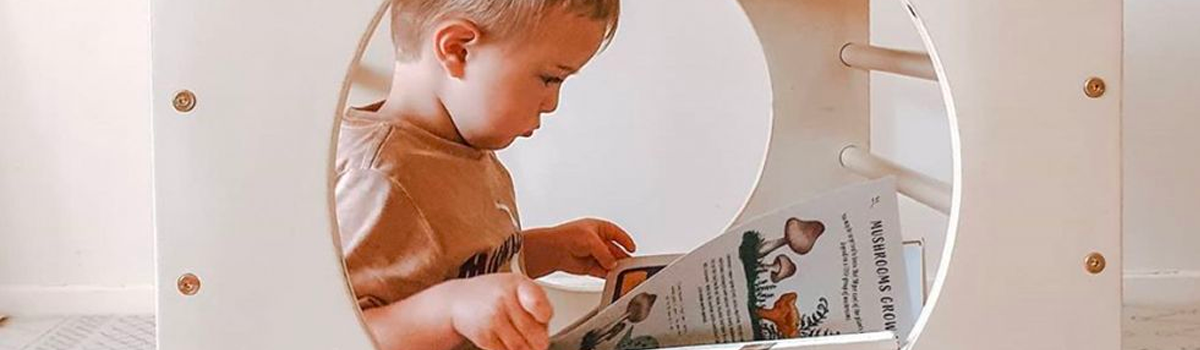
Memory Games For Kids Who Love A Challenge
Memory Games
Swipe to explore collections →
-

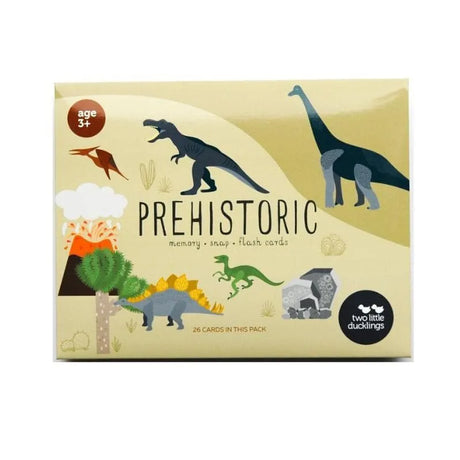
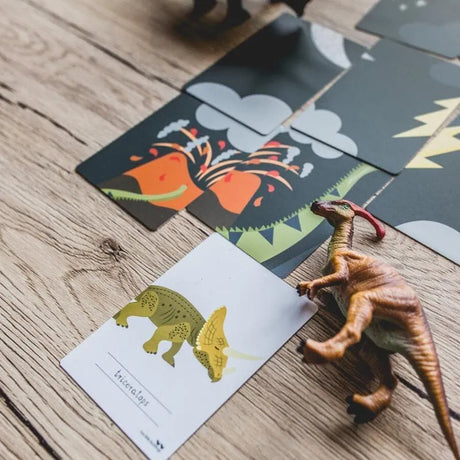
Prehistoric Snap and Memory Game
$29.95Unit price /Unavailable -
14% off$29.95
$34.95Unit price /Unavailable -
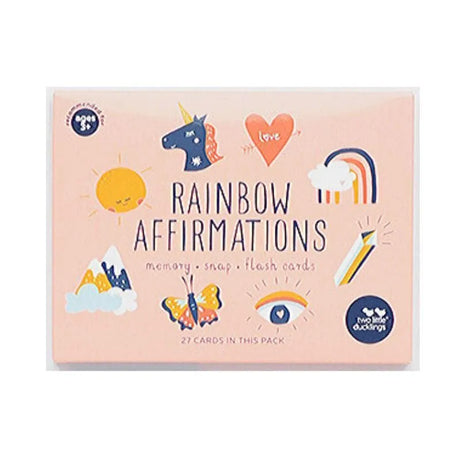
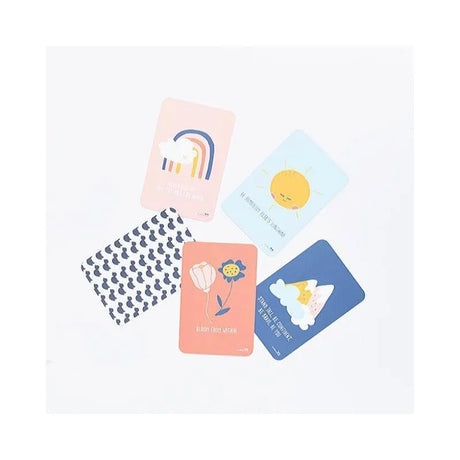
Toddler Affirmations and Rainbow Memory Game Set
$28.95Unit price /Unavailable -
 Sold out
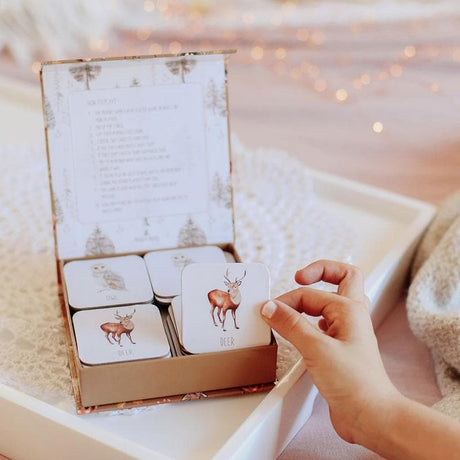
My Forest Friends Apple Memory Matching Game
$39.95Unit price /Unavailable -
Sold out$29.95Unit price /Unavailable
-
Bush Buddies Wooden Memory Game Australian Animal
$19.95Unit price /Unavailable -
$36.95Unit price /Unavailable
-
$44.95Unit price /Unavailable
-
Oh, The Places You'll Go Memory Master Card Game
$24.95Unit price /Unavailable -
$26.95Unit price /Unavailable


Why Memory Games Challenge Children In A Different Way
Visual Recall
Concentration
Turn Taking
Family Play
Moves Beyond Recognition Into Recall
Rewards Attention And Focus
Creates Meaningful Shared Play

Memory Card Games For Preschoolers Learning To Concentrate

Why Some Children Become Deeply Engaged In Concentration Games
Which Memory Game to Choose?
Not Sure Which Memory Game to Choose?
If your child is just starting
Choose games with fewer pairs
Look for clear, simple images
Keep sessions short and relaxed
Focus on recognising and matching
Look for clear, simple images
Keep sessions short and relaxed
Focus on recognising and matching
If your child is ready for more
Choose games with more pairs
Introduce turn-taking and rules
Encourage remembering positions
Extend play time gradually
Introduce turn-taking and rules
Encourage remembering positions
Extend play time gradually
Designed To Strengthen Recall Through Play
✓
Clear and easy-to-follow gameplay
✓
Age-appropriate piece counts
✓
Durable cards and materials
✓
Designed for repeated play
✓
Supports both solo and shared play
What Should Parents Look For In A Quality Memory Game?
When A Memory Game May Not Be The Right Choice
Where Observation Becomes Confidence