Click & Collect or 24hr Dispatch*

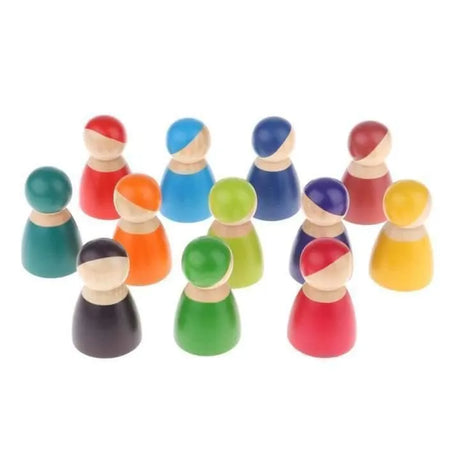
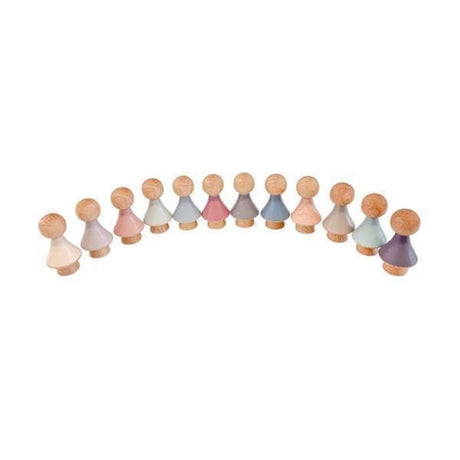
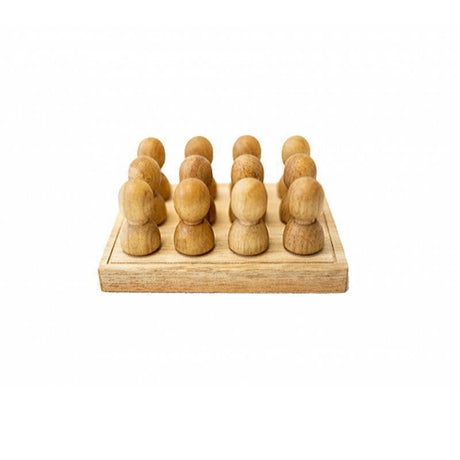
Wooden Peg Dolls

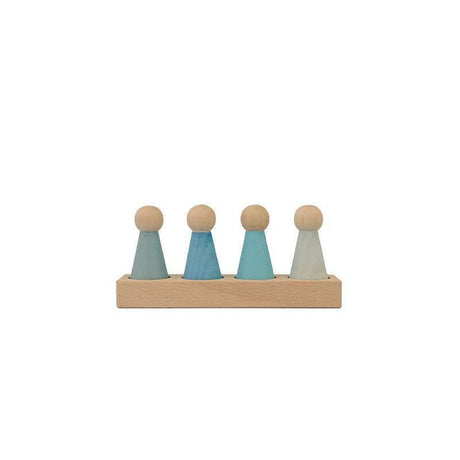
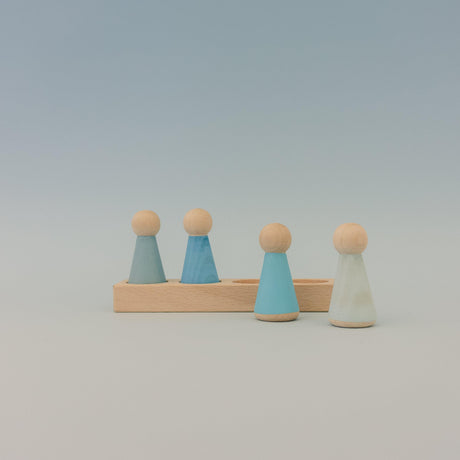
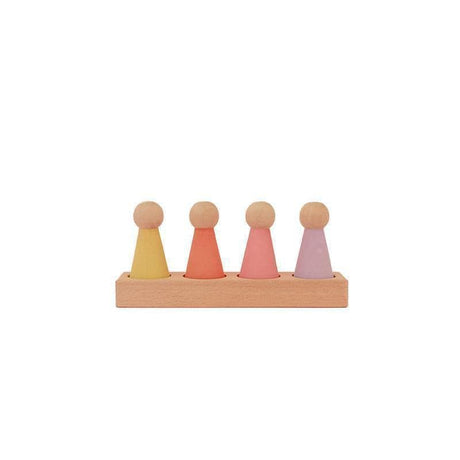
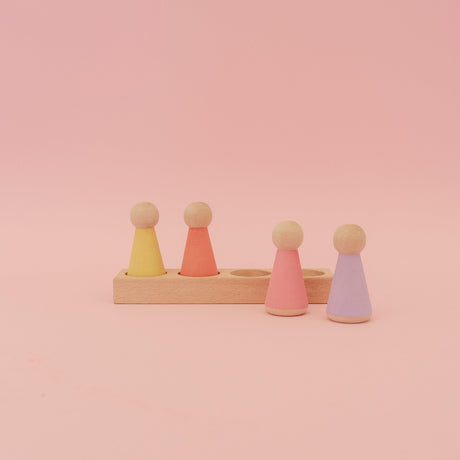
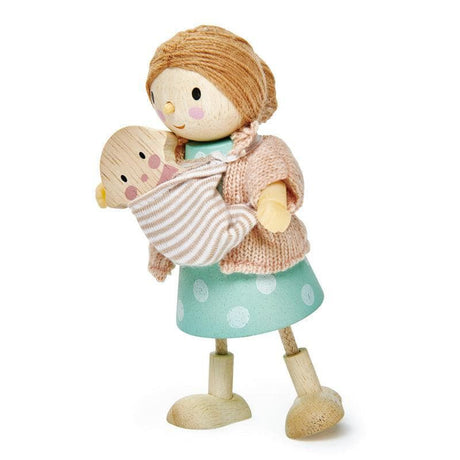
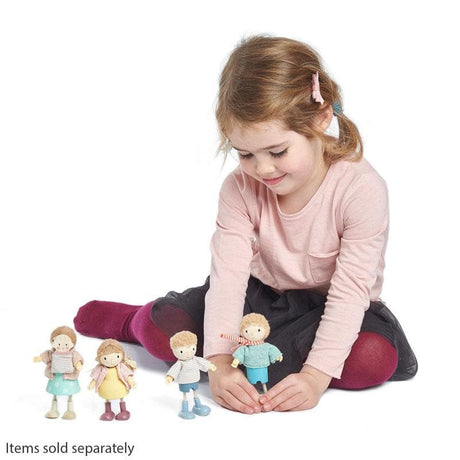
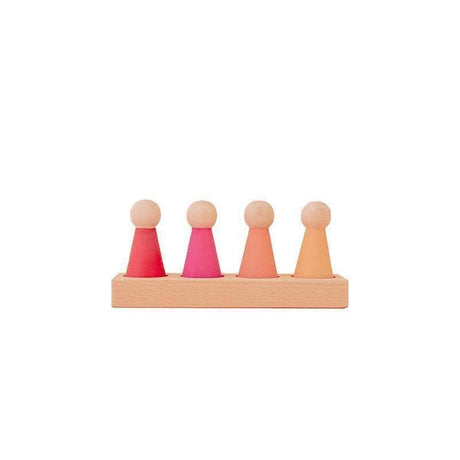
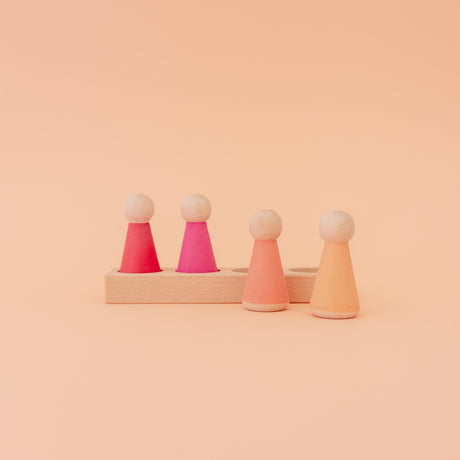
Wooden peg dolls designed for storytelling and imaginative play


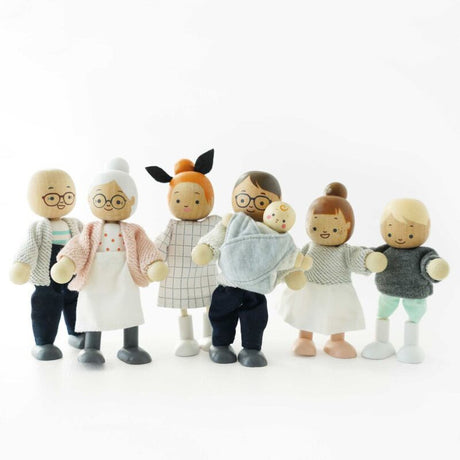
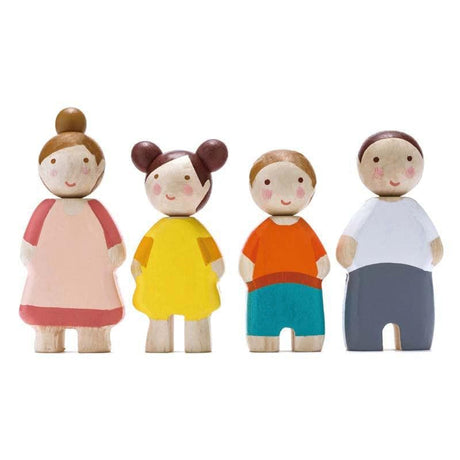
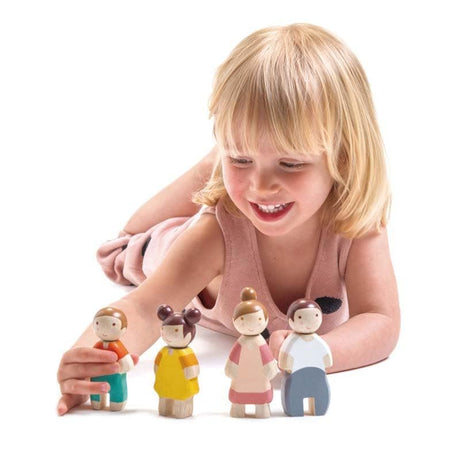
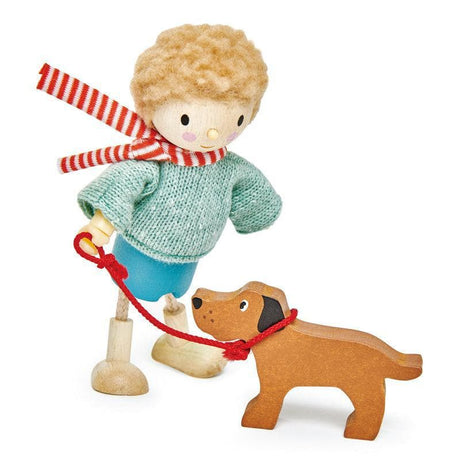
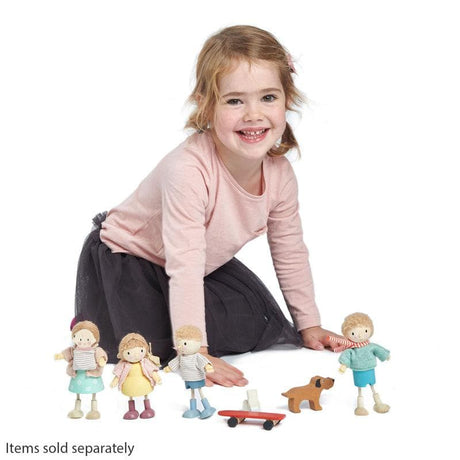
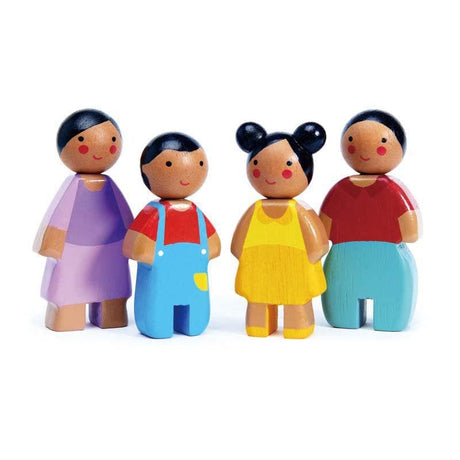
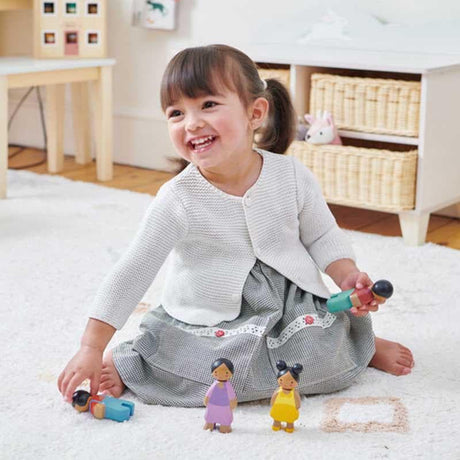
Wooden peg dolls give children simple characters they can turn into anyone or anything through play. Without fixed expressions, sounds, or stories attached, children naturally create their own worlds, relationships, and imaginative play scenarios using the same peg dolls differently each time.


How to use peg dolls for imaginative storytelling play

Why simple peg dolls encourage deeper imaginative play

Unlike character toys with fixed identities, wooden peg dolls leave space for imagination. Children decide who the characters are, what role they play, and how the story unfolds. That flexibility is what makes peg dolls for toddlers feel more engaging over time — especially for children who naturally invent stories, small worlds, and pretend play scenarios.

No fixed characters Encourages storytelling naturally Used differently every time Easy to combine with other toys

Supports open-ended storytelling

Children assign personalities, roles, and relationships to peg dolls naturally, allowing stories to evolve differently each time they play.

Less overwhelming than detailed figurines

Simple wooden peg people leave more room for imagination without overstimulating children with lights, sounds, or fixed themes.

Easy to combine into small play setups


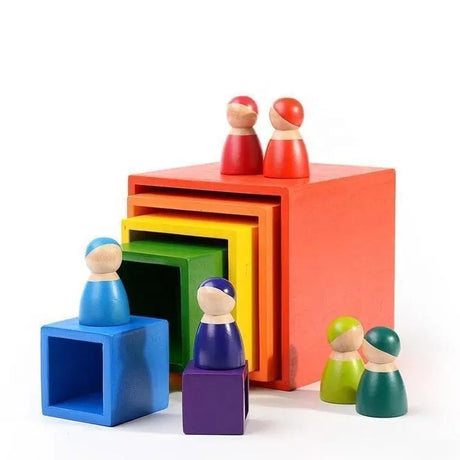
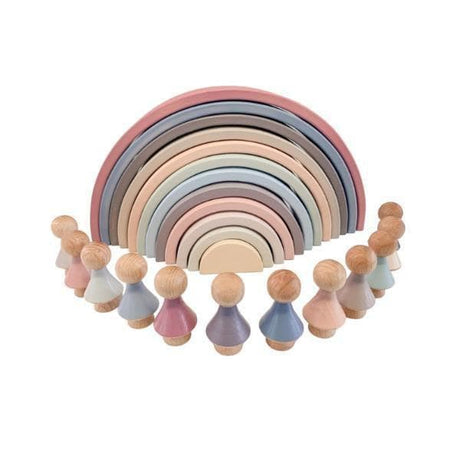
Peg dolls are often used alongside play silks, wooden rainbows, loose parts, and building boards to create imaginative scenes and storytelling environments.

How to use peg dolls for imaginative storytelling play

Children use peg dolls as family members, community helpers, explorers, animals, or story characters within pretend play setups. The same peg dolls often take on different identities depending on the story being created.

Toys for children who prefer creating their own stories

Some children lose interest in toys with fixed characters or scripted play. Wooden peg dolls encourage more flexible imaginative role play because children control the personalities, relationships, and storylines themselves.

Start here

Choosing the right wooden peg dolls

The best peg dolls depend on how your child currently approaches imaginative play.

Choose a smaller set if:

  • They are new to storytelling play They prefer simple pretend play setups They get overwhelmed by too many characters

Choose a larger set if:

  • They already invent stories independently They enjoy pretend worlds and role play They combine toys together naturally
Starting with a manageable number of characters often leads to deeper and more independent imaginative play.

Designed for everyday Imaginative and Building play

Smooth, child-safe wooden finishes

Durable enough for repeated storytelling play

Simple designs that encourage imagination
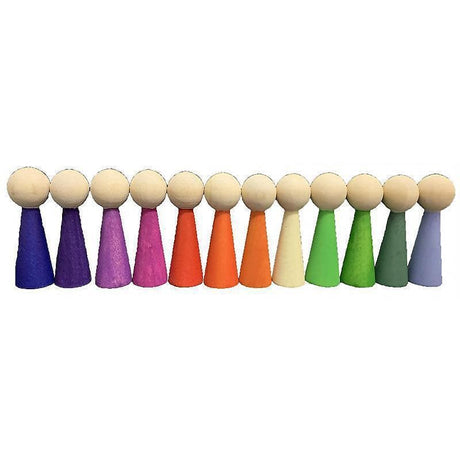
Easy to combine with existing toys and small worlds

Why simple wooden peg dolls are often used longer

Because peg dolls don’t come with fixed characters, children continue adapting them into new stories and roles as their imagination develops. Toys with detailed themes or predefined characters are often abandoned much earlier.

When wooden peg dolls may not be the best fit

If your child strongly prefers structured toys with built-in sounds, characters, or instructions, they may engage more quickly with figurines, dolls houses, or themed playsets instead.

Start with characters they can imagine their own way

Wooden peg dolls work best when children feel free to create their own stories and relationships through play. Simple characters often lead to deeper imaginative engagement because nothing is already decided for them.

Frequently asked questions
Can peg dolls be used with other toys?


Yes. Peg dolls are often combined with play silks, loose parts, wooden rainbows, building boards, and small world setups to create more detailed imaginative play scenes.

What is the difference between cheap and quality peg dolls?

Higher-quality wooden peg dolls are smoother, more durable, and easier for children to handle comfortably during repeated play.

Are wooden peg dolls worth it?

Many families find peg dolls are used longer than character toys because children continuously adapt them into different imaginative play situations.

How do toddlers use wooden peg people?

Toddlers often begin with simple role play and relationship-based stories before moving into more detailed imaginative scenarios as they grow.

Are peg dolls better than figurines for open-ended play?

Peg dolls encourage more flexible storytelling because they do not come with pre-defined identities, sounds, or themes attached.

Why are simple peg dolls good for imaginative play?

Simple wooden peg dolls leave room for children to create their own personalities, stories, and roles rather than following fixed characters or storylines.

What age are peg dolls suitable for?

Peg dolls for toddlers are commonly introduced from around 2 years old onwards, depending on the size of the dolls and the child’s stage of pretend play.

What are wooden peg dolls used for?

Wooden peg dolls are used for storytelling, imaginative play, role play, and creating small pretend worlds. Children often use them as family members, characters, community helpers, or figures within imaginative setups.