Click & Collect or 24hr Dispatch*

15% Off Sitewide & Clearance*

EOFY15
Building Literacy Foundations Through Play

Alphabet Toys For Toddlers

Alphabet toys help little ones become familiar with letter shapes, names and early literacy concepts through hands-on play. Whether your child is beginning to notice letters in books, recognising the letters in their name or showing curiosity about words, these engaging alphabet toys create meaningful opportunities to build confidence before reading and writing begin.


Alphabet Toys For Toddlers Learning Their First Letters

Why Alphabet Toys Matter

Before children learn to read words, write sentences or understand phonics, they first need to become familiar with the alphabet itself. Alphabet toys provide repeated exposure to letter shapes and names in a way that feels natural, engaging and age appropriate. Through matching, sorting, identifying and exploring letters through play, little ones begin building the literacy foundations that support future reading success.

Many parents feel pressure to start reading instruction early, but literacy development begins long before books are read independently. Educational alphabet toys help children develop confidence around letters without turning learning into a formal lesson. By making letters part of everyday play, children gradually build familiarity, curiosity and recognition skills that support future language development.

Letter Recognition Alphabet Awareness Literacy Readiness Learning Through Play

Introduces Letter Recognition Naturally

Alphabet toys help children identify, recognise and become familiar with letters through repeated exposure, helping literacy concepts feel approachable and engaging.
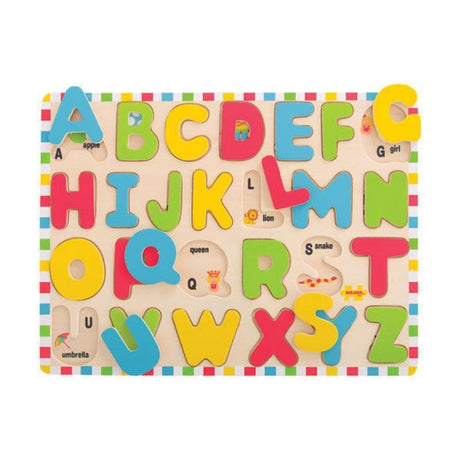
Builds Confidence Before Reading Begins

Children often feel more comfortable approaching reading when they already recognise many letters and understand that symbols carry meaning.
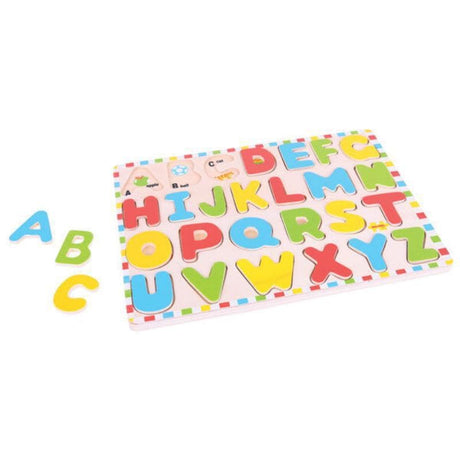
Supports Meaningful Early Literacy Experiences

Rather than memorising information, little ones actively explore, sort, match and engage with letters through hands-on play experiences.
Choosing The Right Alphabet Toy

Match The Activity To Your Child's Current Stage

Children learn letters at different rates. The best alphabet toys are not necessarily the most advanced. They are the ones that match a child's current level of confidence and curiosity.

Choose First Alphabet Toys If

  • Your child is just beginning to notice letters They enjoy naming objects and pictures They recognise very few letters independently They are under 4 years old Confidence building is the main goal They learn best through simple repetition

Choose Letter Recognition Activities If

  • Your child already knows several letters They recognise letters from their own name They enjoy matching and sorting games They ask questions about words and books They show interest in reading They are preparing for school literacy activities
Children build stronger literacy foundations when activities feel achievable. Choosing the right stage creates confidence, curiosity and ongoing engagement with language.

Helping Little Ones Build Confidence With Letters

Encourages meaningful letter recognition through play

Trusted by families supporting early literacy development

Designed to match different stages of alphabet learning

What Should Parents Look For In Alphabet Toys?

The best alphabet toys do more than simply display letters. They encourage children to actively engage with the alphabet through exploration, repetition and discovery. High-quality alphabet toys help children recognise letters in different contexts, identify similarities and differences between symbols and gradually become more comfortable with written language.

Parents should look for alphabet toys that feel accessible and inviting rather than overwhelming. Young children often learn best when activities involve movement, matching, sorting and hands-on interaction. These experiences help create stronger memory pathways than passive exposure alone. It is also important to choose alphabet toys that match a child's current stage. A child who is learning their first few letters needs a different experience from one who already recognises most of the alphabet.

When alphabet learning feels playful rather than pressured, children are more likely to develop positive associations with literacy and remain engaged as their skills progress.

When Alphabet Toys May Not Be The Right Choice

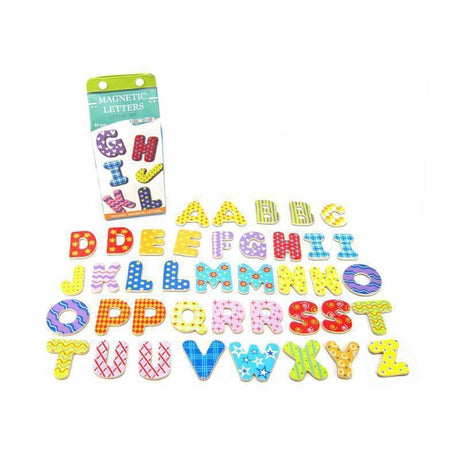
Alphabet toys are designed to help children become familiar with letters, but they are not always the most appropriate next step. Children who already recognise most letters may be ready for magnetic letters that encourage word building and experimentation with language. Likewise, children who are beginning to connect sounds with written symbols may benefit more from early reading activities focused on phonics and decoding.

Some children are also more interested in using letters than recognising them. In these situations, early writing tools may provide greater engagement because children can begin forming letters themselves. The goal is not to move through literacy stages as quickly as possible. The goal is to provide experiences that feel relevant, achievable and enjoyable.

Building Strong Literacy Foundations One Letter At A Time
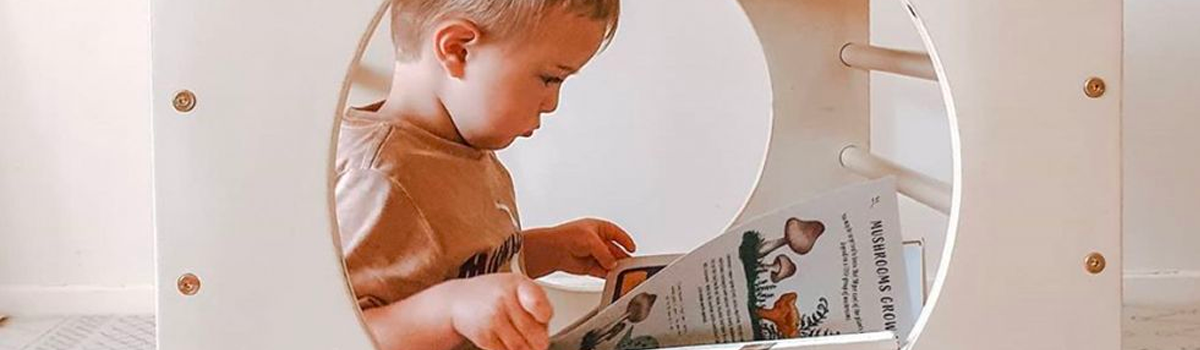
Every reading journey begins with recognising letters. Long before children decode words, sound out sentences or begin writing independently, they spend time becoming familiar with the symbols that form written language. Alphabet toys provide meaningful opportunities for little ones to explore letters through play, helping literacy concepts feel approachable and engaging from the very beginning.

The goal of alphabet learning is not memorisation for its own sake. It is about helping children develop confidence, curiosity and familiarity with written language. Through matching, sorting, identifying and interacting with letters, children begin building the foundations that support future reading and writing success.

Whether your child is noticing letters for the first time or confidently recognising many of them already, the right alphabet toys can help create positive literacy experiences that encourage ongoing learning and exploration.

Frequently asked questions
Why do some children learn letters quickly while others take longer?

Children develop literacy skills at different rates, and variation in letter recognition is completely normal. Some children show strong interest in letters from an early age and actively seek opportunities to learn more. Others focus on different developmental interests before becoming curious about written language later. Neither pathway is necessarily better or worse.

Many factors influence how quickly children learn letters, including personality, exposure to books, learning preferences, opportunities for play and individual developmental differences. Some children benefit from repeated hands-on experiences, while others learn more effectively through conversation, observation or storytelling.

Parents should avoid comparing progress between children. Literacy development is not a race. Consistent exposure, positive experiences and opportunities to interact with letters through play often matter far more than how quickly a child memorises the alphabet. The goal is to build confidence and familiarity that support lifelong learning rather than achieve milestones as early as possible.

What are the best educational alphabet toys for 3 year olds?

Educational alphabet toys for 3 year olds should prioritise curiosity, engagement and confidence rather than formal instruction. At this age, children are often beginning to notice letters in their environment and may recognise a few familiar symbols, particularly those found in their own name. The goal is not mastery of the alphabet but increasing familiarity through enjoyable experiences.

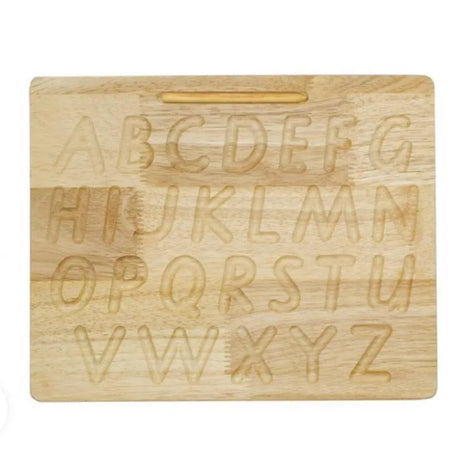
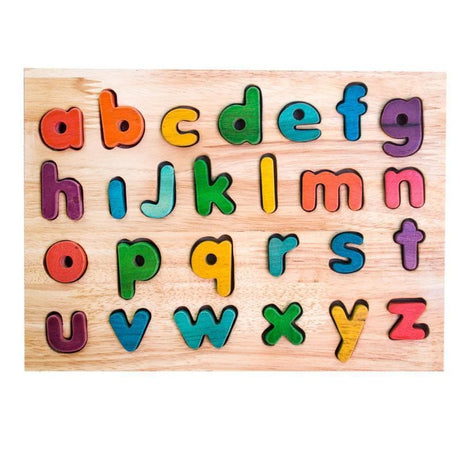
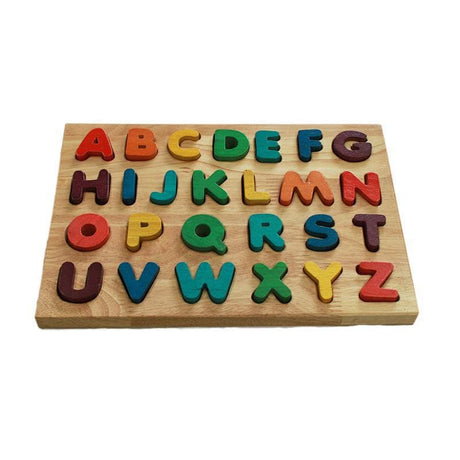
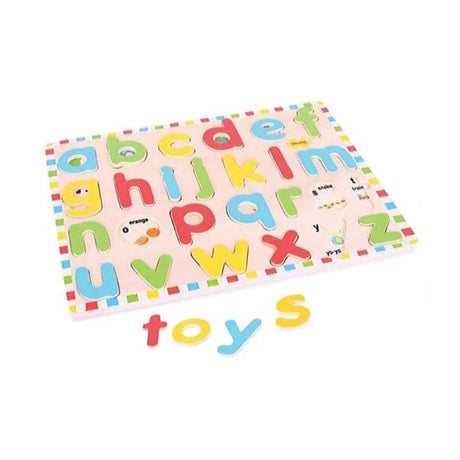
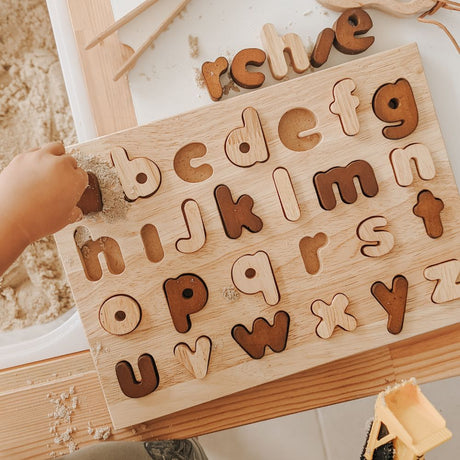
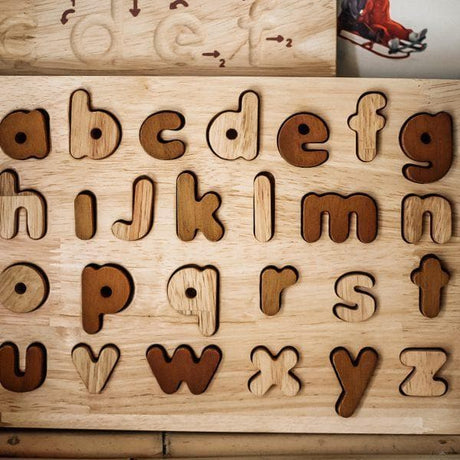
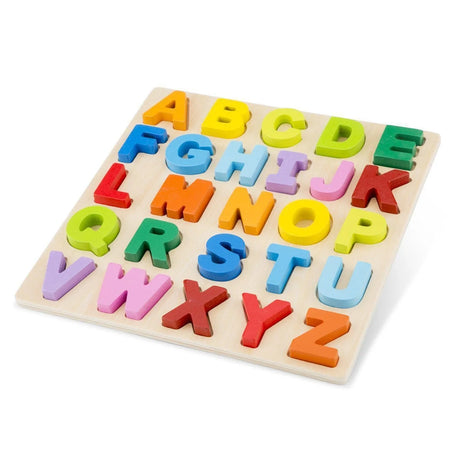
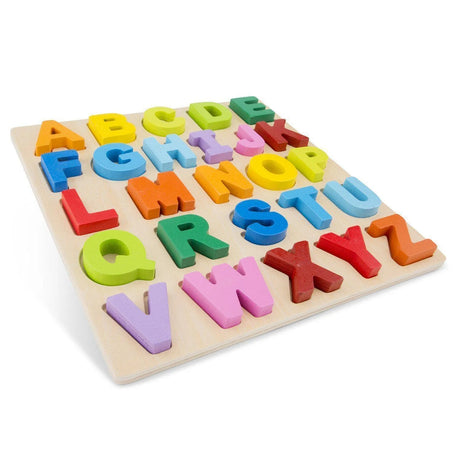
Simple alphabet puzzles, matching games, letter boards and hands-on letter activities often work well because they encourage children to interact with letters naturally. Repetition through play helps reinforce recognition without creating pressure or frustration. Activities should remain short, achievable and developmentally appropriate.

Parents often see the best results when alphabet learning is integrated into everyday experiences. Pointing out letters during story time, noticing signs while travelling and exploring alphabet toys together can help children build confidence while maintaining enthusiasm for learning.

How do letter recognition toys support future reading skills?

Letter recognition is one of the earliest literacy skills children develop. Before children can decode words, understand phonics patterns or read simple books, they must first recognise individual letters and understand that those symbols represent written language. Letter recognition toys help create familiarity with these symbols through repeated exposure and interaction.

As children become more comfortable identifying letters, they often find later literacy concepts less intimidating. Recognising letters quickly and confidently allows children to focus more attention on learning sounds, blending words and understanding meaning. In this way, letter recognition toys provide an important foundation for future reading development.

It is important to remember that letter recognition alone does not teach reading. However, it helps establish the building blocks that make reading instruction more effective. Children who feel comfortable around letters often approach literacy learning with greater confidence and enthusiasm.

Why are wooden alphabet toys so popular for early literacy learning?

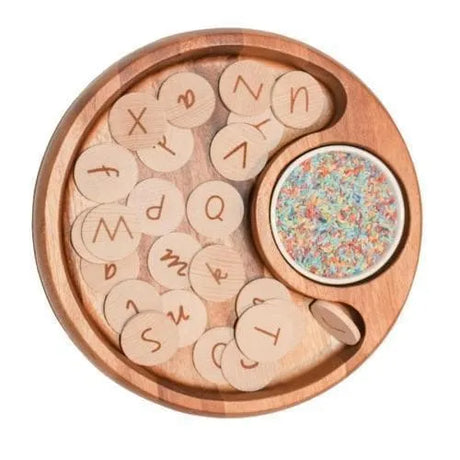
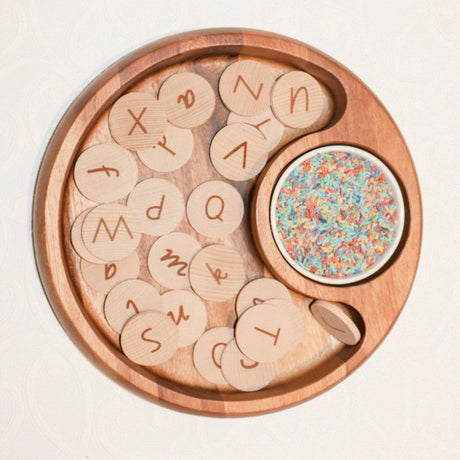
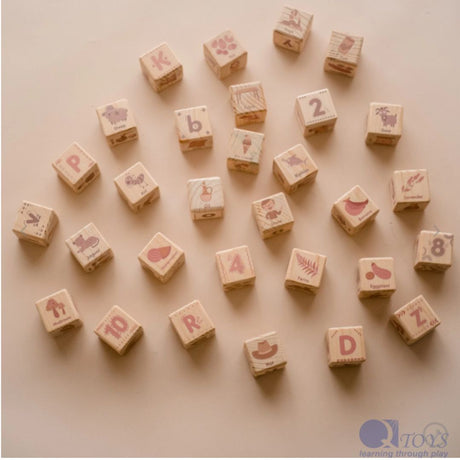
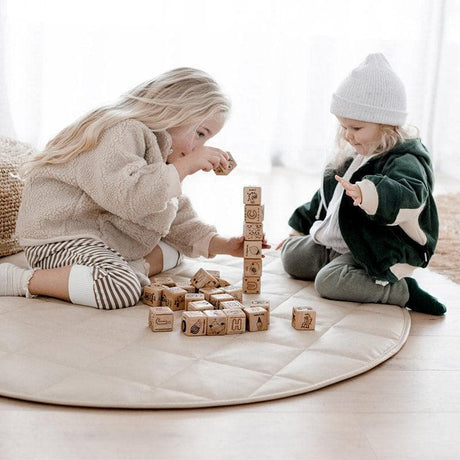
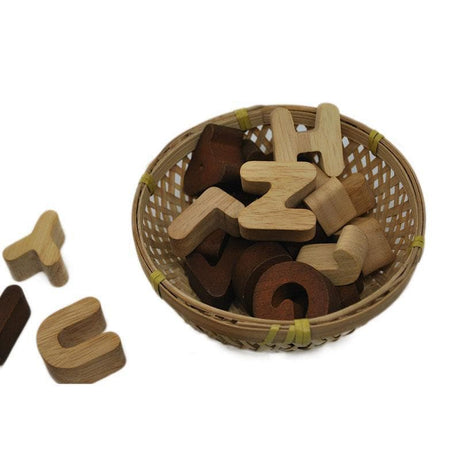
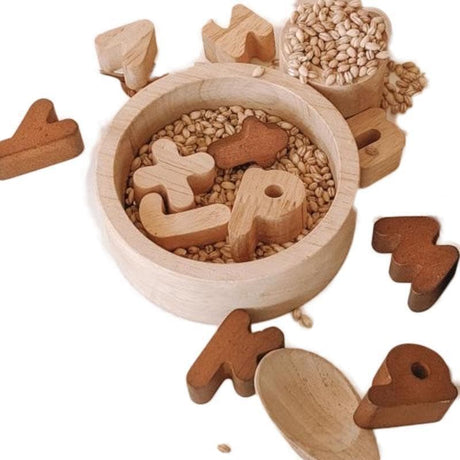
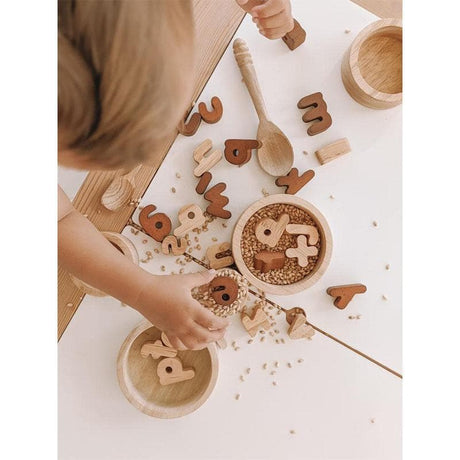
Wooden alphabet toys remain popular because they combine durability, simplicity and hands-on learning opportunities. Young children learn through touching, moving and manipulating objects, and wooden letters provide a tactile experience that helps reinforce recognition and familiarity. Unlike screen-based learning, wooden alphabet toys encourage active participation and physical interaction with letters.

Many parents also appreciate the open-ended nature of wooden alphabet toys. A single set can be used for matching activities, sorting games, letter hunts, name recognition and countless other literacy experiences as children grow. This flexibility often makes wooden alphabet toys useful for several years rather than a short developmental stage.

High-quality wooden alphabet toys also tend to align well with Montessori-inspired learning approaches, encouraging independent exploration and self-directed discovery rather than structured instruction. This allows children to engage with letters at their own pace while developing confidence through play.

What are the best alphabet toys for preschoolers?

Alphabet toys for preschoolers should provide enough challenge to maintain engagement while still reinforcing core letter recognition skills. At this stage, many children can identify some letters independently, recognise the letters in their own name and show increasing curiosity about words they see in books and everyday environments. The best alphabet toys for preschoolers help strengthen this familiarity while encouraging children to explore letters more confidently.

Activities that involve matching letters, identifying symbols, sorting by letter shape or connecting letters to familiar objects often work particularly well. Preschoolers generally enjoy opportunities to solve problems and demonstrate independence, making interactive alphabet games and educational letter activities valuable additions to early literacy play.

Parents should focus on choosing alphabet toys that encourage exploration rather than testing knowledge. Children who repeatedly interact with letters through meaningful play often develop stronger confidence and greater readiness for future reading and writing instruction.

What makes a high quality alphabet toy different from cheaper alternatives?

High quality alphabet toys are designed around how young children actually learn. Rather than overwhelming children with information, they introduce letters in a way that feels approachable, engaging and developmentally appropriate. They encourage repeated interaction, independent exploration and opportunities for success rather than focusing solely on memorisation.

Parents should look for alphabet toys that are durable, easy to handle and designed to support meaningful play. Well-made educational alphabet toys often allow children to sort, match, identify and manipulate letters in multiple ways, creating richer learning experiences and longer periods of engagement.

A premium alphabet toy also tends to grow with the child. Instead of serving a single purpose, it can support different stages of letter recognition and literacy readiness as confidence develops. This often provides greater long-term value than novelty products that lose their appeal after only a short period of use.

What's the difference between alphabet toys and flashcards?

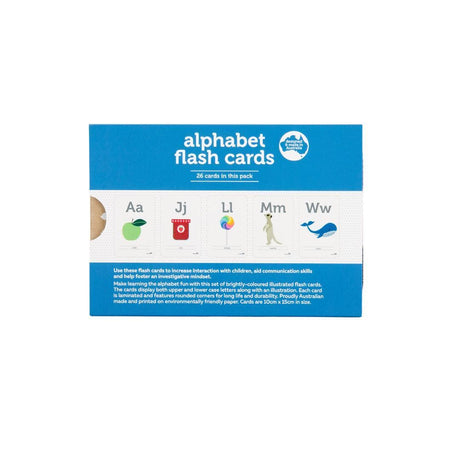
Although alphabet toys and flashcards can both support early literacy development, they serve different purposes. Alphabet toys focus on helping children recognise, identify and interact with letters through hands-on play. Children might sort letters, match symbols or explore letter shapes using physical objects that encourage movement and engagement.

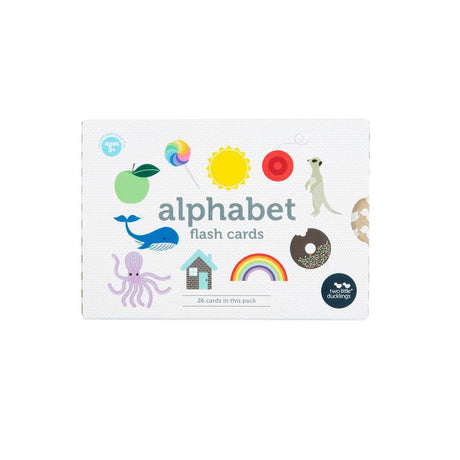
Flashcards, on the other hand, are generally designed to strengthen recognition and recall. They often involve identifying information that has already been introduced and helping children remember it more consistently. While there is some overlap, flashcards tend to focus more on memory, whereas alphabet toys focus more heavily on discovery and familiarity.

For children who are just beginning to learn about letters, alphabet toys often provide a more accessible and engaging starting point because they encourage exploration rather than recall.

Are alphabet toys useful before a child starts reading?

Alphabet toys are often most valuable before reading begins. Reading requires children to recognise letters automatically and understand that those letters represent sounds. Children who have already developed familiarity with the alphabet often find it easier to approach later literacy concepts because the symbols themselves feel familiar and less intimidating.

Before reading starts, alphabet toys help children notice differences between letters, recognise recurring shapes and become comfortable interacting with written language. These experiences provide important foundations that support later phonics instruction, word recognition and reading development.

Importantly, alphabet toys are not designed to teach reading directly. Their role is to build familiarity and confidence with letters so that future literacy learning feels more accessible. For many children, this early exposure helps create a smoother transition into reading activities later on.

What are the best alphabet toys for toddlers who are just starting to learn letters?

The best alphabet toys for toddlers are those that focus on exploration rather than achievement. Young children benefit most from simple activities that allow them to see, touch and interact with letters repeatedly in a playful way. Toys that encourage matching, sorting, identifying and handling letters often create stronger engagement than resources that expect children to remember large amounts of information.

At this stage, the goal is not for toddlers to master the alphabet. Instead, it is about helping them become familiar with letter shapes and begin recognising that different symbols represent different letters. Wooden alphabet toys, alphabet puzzles and simple letter recognition activities often work particularly well because they encourage hands-on learning and independent discovery.

When alphabet learning feels fun and achievable, children are more likely to develop positive associations with literacy that continue into preschool and school years.

How can parents tell if their child is ready for alphabet toys?

Many children show signs that they are ready for alphabet toys long before they can read or write. A child might begin pointing to letters in books, noticing signs while out and about, recognising the first letter of their name or asking questions about words they see in their environment. These small moments of curiosity often indicate that children are becoming aware that letters have meaning and that written language exists all around them.

Alphabet toys provide an ideal next step because they allow children to explore letters without the pressure of formal learning. Rather than focusing on memorisation, they encourage familiarity through play. Activities such as matching letters, sorting shapes and identifying symbols help children gradually build recognition skills while maintaining confidence and enjoyment.

The best time to introduce alphabet toys is often when children show genuine interest rather than when they reach a particular age. Curiosity is usually a far stronger indicator of readiness than age alone.