Click & Collect or 24hr Dispatch*

15% Off Sitewide & Clearance*

EOFY15
Movement-Based Sensory Regulation for Kids That Support Calm Movement & Body Awareness

Resistance Toys

Discover resistance toys for kids designed to provide calming proprioceptive sensory input through stretching, pulling, pushing, heavy work activities, and movement-based sensory play. From resistance bands for kids to body awareness toys and sensory movement tools, these resistance toys help active children and sensory seekers regulate their bodies through movement that feels calming, engaging, and confidence-building rather than overstimulating.


Heavy Work Activities for Kids Who Constantly Crash, Jump & Seek Movement

Why Resistance Play Helps Sensory Seekers Feel More Regulated

Some children naturally seek movement, pressure, pushing, pulling, climbing, crashing, jumping, or heavy physical play throughout the day because their bodies are looking for proprioceptive sensory input. Proprioception is the body’s awareness of movement, pressure, force, and positioning, and many children feel calmer, more organised, and more regulated after activities that provide this type of sensory feedback.

Resistance toys for kids are designed to provide proprioceptive sensory input through heavy work sensory play and movement resistance activities that encourage children to stretch, pull, push, carry, squeeze, and move their bodies in controlled and engaging ways.

Many parents begin searching for heavy work sensory toys while looking for:

  • toys for sensory seekers
  • calming movement toys
  • body awareness activities for kids
  • sensory toys for active children
  • proprioceptive toys
  • sensory toys for kids who can’t sit still

Unlike highly stimulating movement toys that increase energy levels, resistance toys often provide slower, more grounding sensory input that helps children release energy while still supporting body awareness, regulation, focus, and calmer sensory engagement.

Heavy Work Sensory Play Body Awareness Toys Calming Movement Input Proprioceptive Sensory Toys

Provides Calming Proprioceptive Sensory Input

Resistance toys provide proprioceptive sensory input through pushing, pulling, stretching, squeezing, and movement resistance activities that help children engage their muscles and bodies in controlled ways. Many sensory seekers naturally seek this type of heavy work sensory play because it can feel grounding, organising, and calming for their nervous systems.

Supports Body Awareness and Movement Regulation

Some children struggle with body awareness and may constantly crash into objects, seek rough play, climb excessively, or move with too much force because they are still learning how their bodies move through space. Body awareness toys and resistance movement activities encourage children to explore movement, pressure, coordination, and controlled physical play more safely and confidently.

Encourages Sensory Regulation Without Overstimulation

Many parents look for calming movement toys that help active children release energy without relying on noisy, overstimulating, or highly chaotic play. Heavy work sensory toys encourage slower, resistance-based sensory movement that can help children feel calmer and more regulated through active sensory engagement.

Heavy Work Activities for Kids Who Constantly Crash, Jump & Seek Movement

Some sensory seekers naturally look for intense movement throughout the day by crashing into cushions, climbing furniture, jumping constantly, pushing heavy objects, or seeking rough-and-tumble play. Heavy work sensory toys and resistance movement activities help channel this movement-seeking behaviour into calming proprioceptive sensory play that supports body awareness and safer sensory regulation.

Calming Movement Toys for Kids Who Struggle to Sit Still


Children who constantly fidget, pace, wiggle, climb, or struggle with seated activities may benefit from movement-based sensory input throughout the day. Calming movement toys and sensory resistance activities encourage active children to stretch, pull, push, and move their bodies in ways that provide sensory feedback without becoming overstimulating or chaotic.

Choosing the Right Resistance Toys for Kids

What Type of Resistance Toy Is Best for Your Child?

The best resistance toys depend on how your child seeks movement, sensory input, and proprioceptive feedback throughout the day.

Choose Calming Resistance Toys If Your Child…

  • constantly fidgets or wiggles struggles to sit still seeks tactile sensory input benefits from slower calming movement enjoys squeezing or stretching activities becomes overwhelmed by noisy play

Choose Heavy Work Sensory Toys If Your Child…

  • crashes into furniture constantly climbs or jumps seeks rough movement play enjoys pushing or pulling activities needs active movement throughout the day seeks strong proprioceptive sensory input
Many families combine calming resistance toys with heavy work sensory activities so children can alternate between movement regulation, body awareness, calming sensory play, and active proprioceptive input throughout the day.

Why Families Choose My Happy Helpers for Resistance Toys

Sensory-safe resistance toys designed for calming proprioceptive sensory input and heavy work play

Durable movement-based sensory tools that support body awareness, regulation, and active sensory engagement

Resistance toys for kids designed to encourage movement regulation without overstimulation or chaotic play

What Makes a Good Resistance Toy for Sensory Play?

The best resistance toys for kids feel safe, durable, calming, and easy for children to use independently during movement-based sensory play. Parents often look for:

  • safe resistance levels
  • durable sensory materials
  • calming proprioceptive input
  • body awareness support
  • movement regulation opportunities
  • open-ended sensory engagement
  • toys suitable for active sensory seekers

At their best, resistance toys help children release energy, organise their bodies, and engage in movement-based sensory play without becoming chaotic or overstimulating.

When Resistance Toys May Not Be the Best Fit


Children who strongly prefer imaginative play, seated tactile activities, or quiet fine motor sensory play may not engage as naturally with movement resistance toys. Resistance toys work best for children who actively seek movement, pressure, stretching, pushing, pulling, or heavy work sensory input as part of their sensory regulation and body awareness needs.

Movement-Based Sensory Play That Helps Children Feel More Regulated
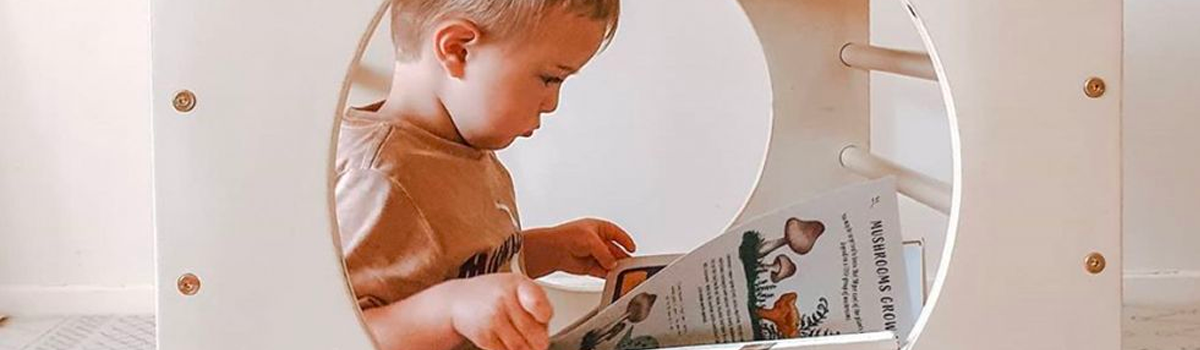
Resistance toys help children explore movement, body awareness, proprioceptive sensory input, and heavy work sensory play through calming movement-based activities that support sensory regulation and active engagement. Whether your child seeks stretching, pulling, pushing, resistance movement, or grounding sensory input throughout the day, resistance toys create meaningful opportunities for calmer movement, sensory exploration, and body confidence through play.

Frequently asked questions
Are resistance toys calming for children?

Many children find resistance toys calming because proprioceptive sensory input often helps the nervous system feel more grounded and organised. Activities that involve stretching, pulling, pushing, climbing, carrying, squeezing, or movement resistance can help some children release energy while simultaneously supporting calmer body regulation and improved sensory awareness.

This is why heavy work sensory activities are often included in movement-based sensory routines for children who seek movement or struggle with sensory regulation throughout the day.

What age are resistance toys suitable for?

Many resistance toys are suitable for toddlers, preschoolers, and school-age children depending on the product type and resistance level. Younger children often benefit from gentle resistance activities such as body socks, stretch toys, or push-and-pull sensory games, while older children may engage with more active proprioceptive movement tools and resistance-based sensory activities.

The best resistance toys depend on the child’s movement preferences, body awareness needs, sensory profile, and developmental stage.

Are resistance bands safe for kids?

Resistance bands designed specifically for children and sensory play can be safe when used appropriately and with supervision suited to the child’s age and developmental stage. Parents often look for resistance bands with lighter resistance levels, durable materials, and sensory-safe designs that support movement regulation rather than strength training or fitness-focused exercise.

Resistance bands for kids are commonly used during sensory movement activities, body awareness play, classroom movement breaks, and heavy work sensory routines.

What toys help kids who constantly crash into things?

Children who constantly crash into furniture, jump heavily, climb excessively, or seek rough movement are often looking for stronger proprioceptive sensory input. Resistance toys, heavy work sensory activities, movement toys, body socks, resistance bands, push-and-pull games, and climbing-based sensory play can help children receive movement feedback in safer and more structured ways.

Many parents search for proprioceptive toys for kids who crash into things because movement resistance activities often help children feel more physically regulated and aware of their bodies during play.

What are heavy work activities for kids?

Heavy work activities are movement-based activities that engage the muscles and joints through pushing, pulling, carrying, climbing, stretching, squeezing, or resistance movement. These activities provide proprioceptive sensory input that many children find calming and regulating.

Examples of heavy work sensory activities for kids can include:

  • resistance bands
  • body socks
  • push-and-pull games
  • carrying weighted cushions
  • climbing activities
  • sensory movement circuits
  • stretch resistance toys
  • crawling through resistance tunnels

Heavy work sensory play is often used to support active children who seek movement, body pressure, and proprioceptive input throughout the day.

Are resistance toys good for sensory seekers?

Yes. Many sensory seekers benefit from resistance toys because they provide calming proprioceptive sensory input through active movement and heavy work play. Resistance activities encourage children to stretch, pull, push, squeeze, crawl, carry, and engage their muscles in ways that can help support body awareness, movement regulation, and calmer sensory engagement.

Different children seek different types of sensory input, but many active children naturally respond well to movement-based sensory toys that provide pressure and resistance rather than highly stimulating fast-paced sensory play.

What is proprioceptive input and why do some children seek it?

Proprioceptive input is the sensory feedback our muscles and joints receive during movement, pressure, pushing, pulling, climbing, carrying, and resistance activities. Some children naturally seek stronger proprioceptive input because it helps their nervous systems feel calmer, more organised, and more regulated throughout the day.

Children who constantly climb, jump, crash into furniture, seek rough play, push heavy objects, or struggle to sit still are often looking for more body-based sensory feedback. Heavy work sensory toys and resistance movement activities help provide this sensory input in safer and more structured ways through play.

What are resistance toys for kids?

Resistance toys are movement-based sensory toys that provide proprioceptive sensory input through pushing, pulling, stretching, squeezing, climbing, and heavy work sensory activities. These toys encourage children to use their muscles and bodies against resistance, which helps many sensory seekers feel calmer, more organised, and more aware of how their bodies move through space.

Many parents begin searching for resistance toys for kids while looking for:

  • proprioceptive toys
  • heavy work sensory toys
  • calming movement toys
  • sensory toys for active children
  • body awareness activities
  • toys for kids who crash into things

Resistance toys can include resistance bands for kids, stretch toys, body socks, push-and-pull toys, heavy work movement activities, and sensory resistance tools designed to support movement regulation and body awareness through play.