Click & Collect or 24hr Dispatch*

Movement Confidence Starts Small

Soft Play & Early Movement

Not every child is ready for climbing frames, scooters or bigger physical challenges. Many toddlers are still learning how their body moves, how to balance, how to climb safely and how to build confidence through movement. Soft play and early movement activities provide gentle opportunities for active exploration while supporting the natural curiosity that drives young children to move, climb, crawl, slide and explore.

Start here

Some children are constantly crashing into cushions, climbing over furniture or seeking movement wherever they can find it. Others are still building confidence with balance, coordination and physical play. Understanding how your child currently moves can help you choose the right starting point.

If your child is already seeking bigger climbing challenges and regularly climbs furniture, Climbing & Pikler Play may be a better fit.

View as

The First Steps Towards Confident Movement

Early movement play is not about pushing children towards bigger physical challenges before they are ready. It is about creating safe opportunities to practise movement, explore physical confidence and understand what their body can do. Some children seek movement through climbing, some through crashing and tumbling, while others prefer gentle rocking, balancing and sensory movement experiences. Choosing the right type of movement activity can help children feel confident, capable and engaged without becoming overwhelmed.

Movement Confidence Safe Exploration Indoor Active Play Growing Independence
When Confidence Turns Into Challenge

Some Children Are Ready For Bigger Climbing Adventures

As movement confidence grows, many children begin seeking more challenging ways to climb, balance and explore. If your child is already scaling furniture, climbing higher and actively searching for physical challenges, they may be ready for a more advanced movement environment.

Movement Development Does Not Follow A Straight Line

Some children build confidence through climbing. Others prefer rolling, rocking, sliding or simply repeating familiar movement patterns over and over again. There is no perfect timeline and no single right way to encourage movement. The most important thing is providing opportunities that feel safe, achievable and appropriate for where your child is right now.

Frequently asked questions

Questions parents often ask

What comes after soft play and early movement activities?

Many parents wonder whether soft play will eventually become "too easy" as their child grows. In many cases, soft play acts as an important stepping stone towards more advanced movement experiences.

As children develop confidence, strength and body awareness, they often begin seeking greater challenges. They may become more interested in climbing, balancing, obstacle courses and active play equipment that requires more planning and coordination. This progression is completely natural.

The goal of soft play is not to keep children at one stage. It is to provide opportunities for movement confidence to develop. Once children begin consistently seeking bigger challenges, they may naturally transition towards categories such as climbing frames, Pikler equipment and more advanced active play setups.

The best indicator is your child's behaviour. When they begin treating existing movement opportunities as too easy and actively searching for greater challenge, they are often ready for the next step.

Can soft play help build confidence in cautious toddlers?

Absolutely. Not every child is naturally adventurous. Some toddlers prefer to observe before participating, approach new challenges slowly and carefully assess situations before attempting them.

Soft play can be particularly beneficial for these children because it allows them to experiment with movement in a lower-pressure environment. The forgiving nature of foam equipment and low-height movement opportunities can help reduce anxiety while encouraging exploration.

Many cautious children benefit from being able to repeat movements over and over until they feel comfortable. Soft play provides opportunities to practise climbing, balancing and navigating obstacles without the fear that often accompanies more challenging physical activities.

Confidence is rarely built through pressure. It develops through repeated experiences of success. Soft play allows children to experience those successes at their own pace while gradually expanding what they believe they are capable of doing.

How do I know if my child is ready for a toddler slide?

A slide often becomes appealing once a child has developed enough movement confidence to seek a little more excitement and challenge. Many toddlers naturally become interested in climbing up and moving down different surfaces as they explore how their body works.

Signs that a child may be ready for a slide include confidently climbing low furniture, navigating steps with support, seeking movement challenges and showing curiosity about playground equipment. However, readiness is not determined by age alone. Some children actively seek adventure early, while others prefer to build confidence more gradually.

A toddler slide can provide an opportunity to practise climbing, balance and movement planning while still remaining accessible and achievable. For many children, slides represent an exciting next step beyond crawling, cruising and basic climbing.

The most important factor is ensuring the activity feels challenging enough to be engaging without becoming intimidating or overwhelming.

Are ball pits good for toddler development?

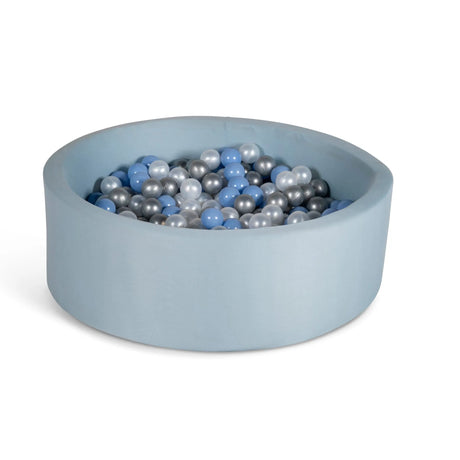
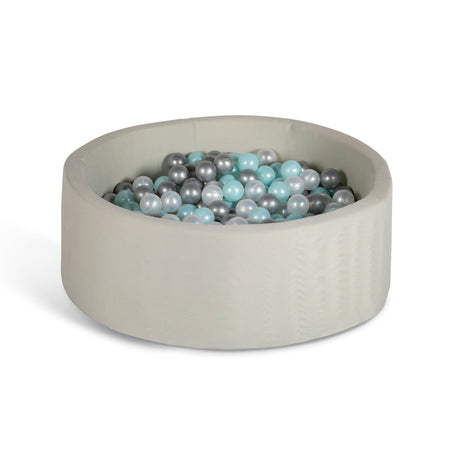
Many parents initially view ball pits as simply a fun activity, but they often support much more than entertainment. Ball pits provide opportunities for movement, sensory exploration and body awareness in a way that feels playful and engaging.

When children crawl through balls, dive into them, throw them, move them or bury themselves underneath them, they are constantly receiving sensory feedback about how their body is moving and interacting with the environment. Many toddlers naturally seek these experiences because they help them better understand movement, space and physical boundaries.

Ball pits can be particularly appealing for children who enjoy crashing into cushions, rolling around the floor or seeking full-body movement experiences. They also encourage active play rather than passive entertainment, making them a popular option for families looking to support movement indoors.

While every child responds differently, many parents find ball pits become one of the most frequently used movement activities in the home.

Why does my toddler keep climbing furniture and cushions?

One of the most common concerns parents have is a child who seems determined to climb absolutely everything. Sofas, coffee tables, cushions, stairs and even bookshelves can suddenly become irresistible.

In many cases, this behaviour is not about being naughty or intentionally ignoring rules. Climbing is a natural way for young children to develop body awareness, confidence, coordination and problem-solving skills. They are constantly testing what their body can do and learning how to move through their environment.

The challenge for parents is finding safe ways to support this natural developmental drive. Constantly stopping climbing without providing alternative opportunities can be frustrating for both children and adults. Soft play equipment can provide a more appropriate outlet by allowing children to practise climbing, balancing and movement skills within safer boundaries.

Understanding that climbing is often a developmental need rather than a behavioural problem can help parents respond with more confidence and less frustration.

At what age can toddlers start using soft play equipment?

Many families begin introducing simple soft play activities once their child becomes mobile, although the exact timing depends on the child's development rather than age alone. Some children begin exploring low foam obstacles and soft climbing shapes shortly after learning to crawl, while others may show greater interest once they are confidently walking.

The purpose of soft play is not to teach specific skills or rush development. Instead, it provides a safe environment where children can experiment with movement, build confidence and learn through physical exploration. Children naturally use soft play in different ways depending on their developmental stage. A younger toddler may crawl over shapes and practise pulling themselves up, while an older toddler may climb, jump, balance and create obstacle courses.

Parents often worry about introducing movement equipment too early. The best approach is to provide opportunities that feel achievable and allow children to progress at their own pace without pressure or expectations.

Is soft play good for toddlers who seem restless indoors?

Many parents notice their toddler becoming increasingly restless, particularly during rainy weather, hot days or periods when outdoor play is limited. Children who appear constantly "on the go" are often seeking movement opportunities rather than entertainment.

Soft play can provide a safe and appropriate outlet for this need. Climbing over foam shapes, crawling through movement setups, sliding, rolling and exploring physical challenges allows children to use their bodies in ways that support natural development. For many toddlers, movement is how they learn about the world around them.

Parents sometimes worry that providing active play opportunities will make children more energetic. In reality, many children become calmer and more settled after having opportunities to move, climb and explore in ways that satisfy their need for physical activity. Soft play can be particularly valuable for families living in apartments, homes with limited outdoor space or areas where weather regularly limits outdoor play opportunities.

What is the difference between soft play and climbing equipment for toddlers?

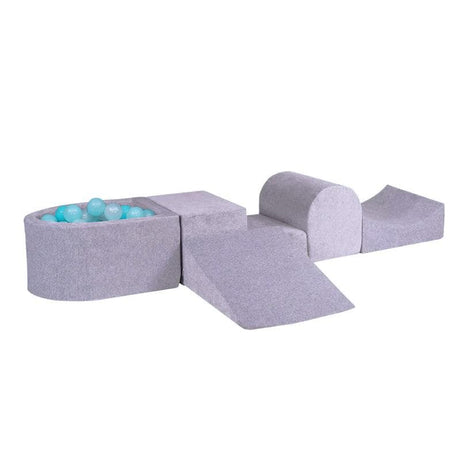
Many parents find themselves comparing soft play equipment and climbing frames because both support active movement, but they serve different purposes. Soft play is typically designed for children who are still building movement confidence and learning how their bodies work. It provides opportunities to crawl, climb low heights, balance, roll, tumble and explore movement in a forgiving environment.

Climbing equipment, on the other hand, is often better suited to children actively seeking greater physical challenges. A child who is regularly climbing furniture, attempting more complex movements or confidently navigating obstacles may be ready for climbing structures designed to provide greater challenge and progression.

The easiest way to decide is to observe your child's current behaviour. Are they still learning how to move safely and confidently, or are they already searching for bigger physical adventures? Soft play supports the early stages of movement development, while climbing equipment generally supports children who have already developed a solid foundation of movement confidence.