Click & Collect or 24hr Dispatch*

15% Off Sitewide & Clearance*

EOFY15
Helping Children Create The Places Where Stories Come To Life

Imaginative Worlds

Every story needs a setting. Some children create family homes filled with daily routines and relationships. Others build adventurous hideaways, secret spaces and imaginative worlds where stories unfold. Imaginative worlds provide the settings that help children organise ideas, develop characters and build stories that can continue and grow over time.

Start here

Some children focus on creating homes and communities, while others are more interested in designing spaces, organising environments or building adventure-filled worlds.

Understanding how your child approaches storytelling can help you identify the type of imaginative world they are most likely to return to again and again.

View as

Many Children Build The World Before They Build The Story

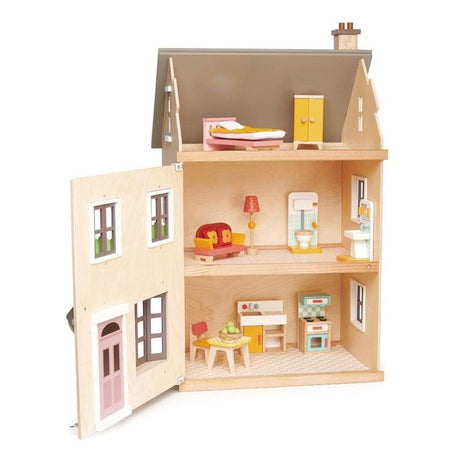
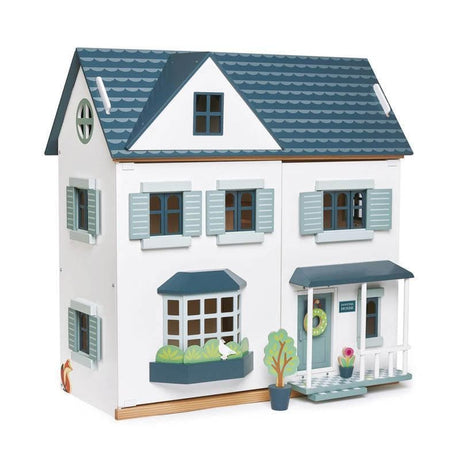
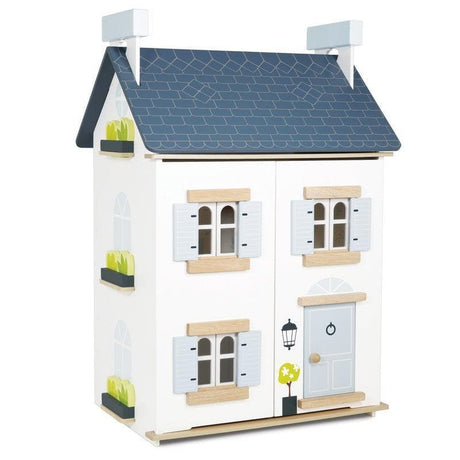
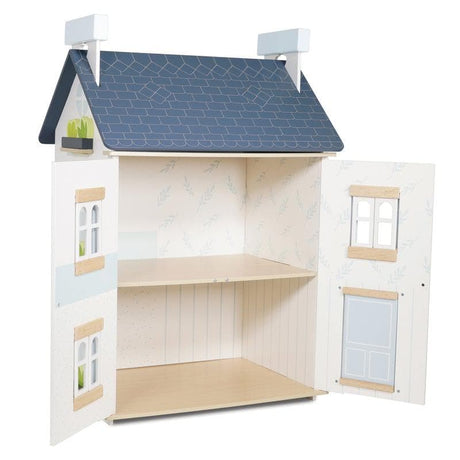
While some children begin with characters, others start by creating the environment where stories will take place. They carefully arrange rooms, organise spaces and build miniature worlds that feel real and meaningful. These settings become the foundation for storytelling, allowing children to create routines, adventures and relationships that unfold within a world of their own making.

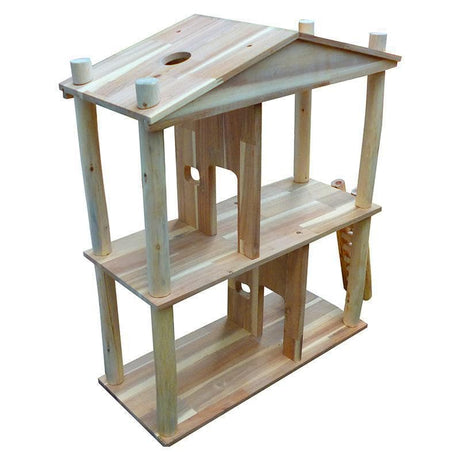
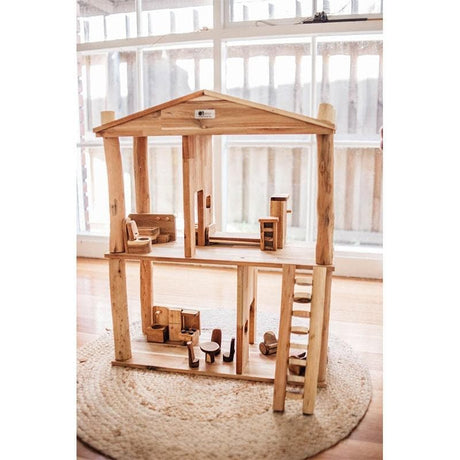
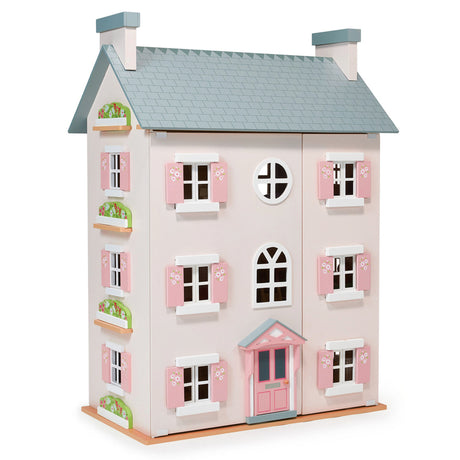
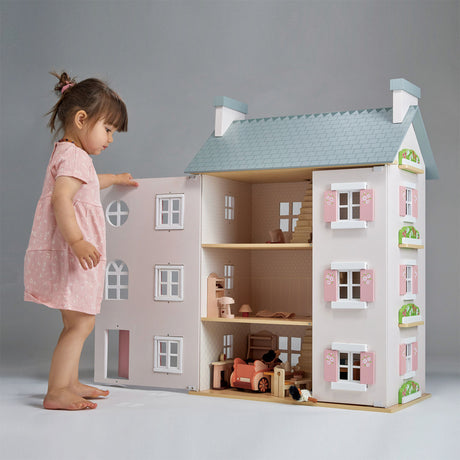
Whether creating a family home, arranging furniture or designing an adventurous treehouse retreat, children are often building much more than a play scene. They are creating a place where imagination can grow.

World Building Story Settings Miniature Environments Imaginative Play
Every World Needs Someone To Live In It

Characters Often Become The Heart Of The Story


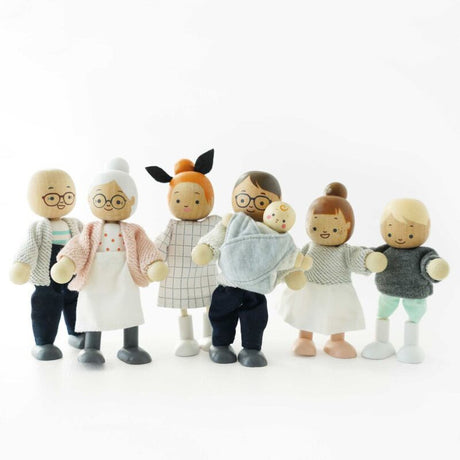
Once children create a setting, they often begin focusing on the people, animals and creatures who live within it. Characters bring relationships, adventures and personality to the world they have built.

Stories Often Begin With A Place To Belong

Not every child starts storytelling in the same way. Some begin with characters, while others focus on creating the environment where those characters will live, explore and grow. These worlds provide structure for imagination and give children a place to organise ideas, relationships and adventures.

Whether your child is creating a family home, designing rooms or building a secret treehouse retreat, imaginative worlds provide the setting that allows stories to unfold naturally. The details may change from day to day, but the worlds children create often become the foundation for some of their richest and most meaningful storytelling experiences.

Frequently asked questions

Questions parents often ask

At What Age Do Children Start Building Imaginative Worlds?

Many children begin creating simple environments between two and four years of age, although the complexity of those worlds develops gradually over time. Early worlds may consist of basic scenes or simple arrangements of objects.

As children's storytelling abilities grow, their environments often become more detailed and interconnected. They begin creating homes, communities, adventure settings and fantasy worlds that support longer and more complex narratives.

There is no specific age when world building begins because every child develops differently. Some children are naturally drawn to creating environments, while others develop this interest as their storytelling skills become more sophisticated.

What matters most is providing opportunities for children to build and expand worlds that support their own ideas and imagination.

Why Do Space Worlds Appeal To Some Children?

Space worlds allow children to imagine environments that are completely different from the world they know. Planets, space stations, rockets and distant galaxies provide settings where almost anything feels possible. This freedom often makes space-themed storytelling particularly appealing.

Unlike everyday environments, space worlds are not limited by familiar rules or routines. Children can invent new places, characters and adventures while exploring ideas about exploration, discovery and imagination.

Many children enjoy creating entire worlds beyond Earth because it gives them opportunities to expand stories in new and unexpected directions. Space becomes another setting where imagination can thrive and storytelling can continue to grow.

Why Are Treehouses And Secret Spaces So Popular In Imaginative Play?

Treehouses, hideaways and secret spaces often capture children's imagination because they feel separate from everyday life. They provide a sense of adventure, independence and possibility that naturally supports storytelling.

These environments encourage children to imagine what might happen beyond the ordinary. A treehouse can become a headquarters, a lookout point, a meeting place or the centre of an elaborate adventure. The possibilities are almost endless.

Many children are drawn to spaces that feel special or hidden because they provide opportunities to create stories that are uniquely their own. These environments often become important locations within larger imaginative worlds.

Why Do Children Create Homes And Communities Through Play?

Children are naturally interested in the places they know best. Homes, neighbourhoods and communities provide familiar structures that help children organise stories and relationships. Through play, children recreate these environments in ways that feel meaningful and manageable.

Creating homes and communities allows children to explore routines, family dynamics and social interactions. These worlds often reflect experiences children observe in everyday life while also leaving room for imagination and creativity.

Many children revisit these settings repeatedly because they provide a stable foundation for ongoing storytelling. New characters and adventures can be introduced without needing to rebuild the entire world each time.

What Is The Difference Between Characters And Worlds?

Characters and worlds work together, but they serve different purposes within play. Characters drive the story through their actions, relationships and decisions. Worlds provide the environment where those stories take place.

A child may create a family, a group of animals or a collection of explorers as characters. They then need somewhere for those characters to live, travel and interact. The world provides that setting.

Some children focus primarily on characters, while others become deeply interested in designing environments. Both approaches support storytelling and imagination, but they reflect different aspects of how children engage with play.

Understanding this difference can help parents identify what type of small world experiences their child enjoys most.

How Does World Building Support Storytelling?

Every story needs a setting. Characters need places to live, adventures need locations and events need somewhere to happen. World building gives children a way to create those settings while developing richer and more detailed stories.

As children build environments, they begin making decisions about how their world works. They decide where characters sleep, where they travel and what challenges they might encounter. These choices naturally lead to new storylines and imaginative possibilities.

Many children return to the same world repeatedly, expanding it over time. This allows stories to become more complex while maintaining a familiar environment that feels safe and predictable.

World building helps transform simple storytelling into an ongoing imaginative experience.

Why Do Some Children Spend More Time Setting Up Than Playing?

For many children, setting up the world is an important part of the play itself. Arranging furniture, organising rooms, creating pathways and designing environments allows children to think about how their story will unfold before it begins.

Adults sometimes view setup as separate from play, but children often see it differently. The process of building a world requires imagination, planning and creativity. Every object placed within the environment helps shape the story that follows.

Children who enjoy world-building are often interested in creating order, structure and meaning within their imaginary spaces. The setting becomes just as important as the characters who live there.

What Are Imaginative Worlds In Small World Play?

Imaginative worlds are the settings children create for their stories to take place in. These worlds provide a place for characters to live, explore, solve problems and build relationships. They can be realistic, such as a family home, or completely imaginary, such as a treehouse village or a space station on a distant planet.

Many children begin storytelling by creating a world before introducing characters. They decide where things belong, how the environment works and what rules exist within that space. This process helps children organise ideas and create stories that feel connected and meaningful.

Imaginative worlds often grow over time as children add new locations, details and storylines. The world becomes a foundation that supports ongoing imaginative play and storytelling.