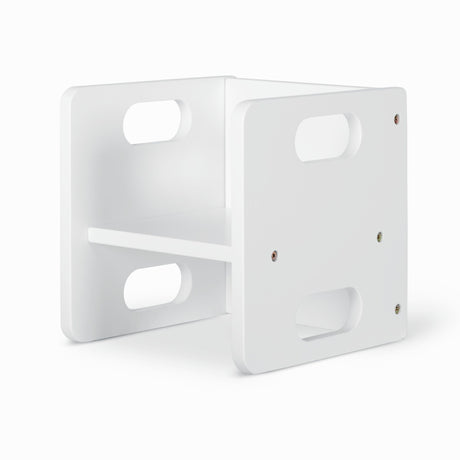
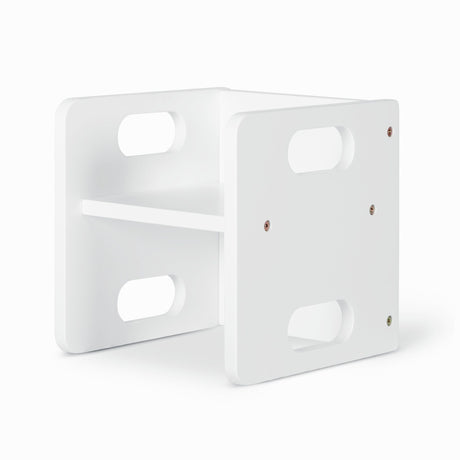
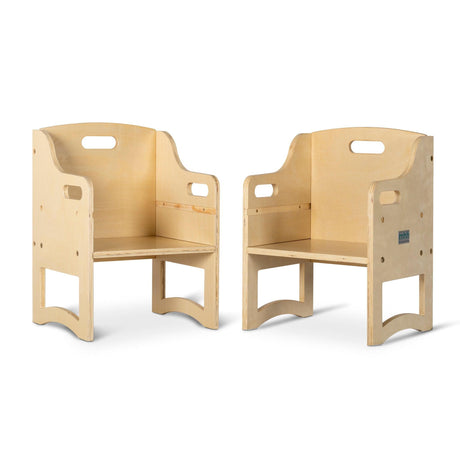
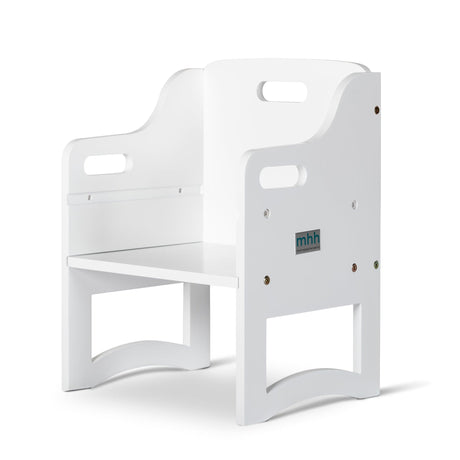
Click & Collect or 24hr Dispatch*

The Weaning Chair Support That Lets Babies Focus

Weaning Chairs

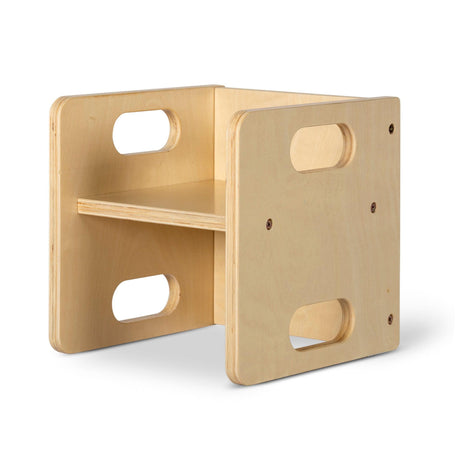
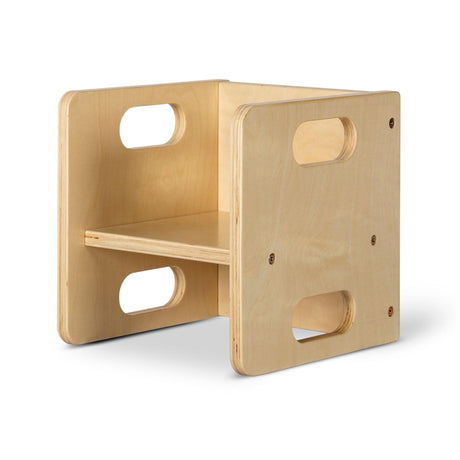
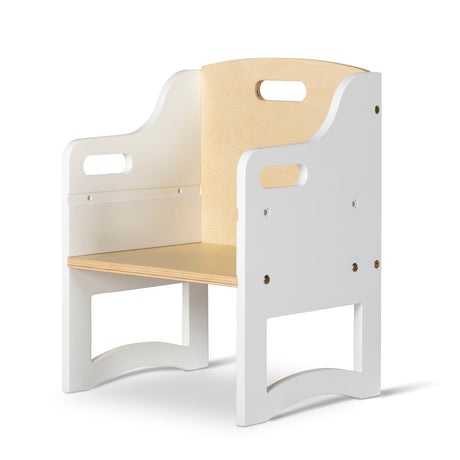
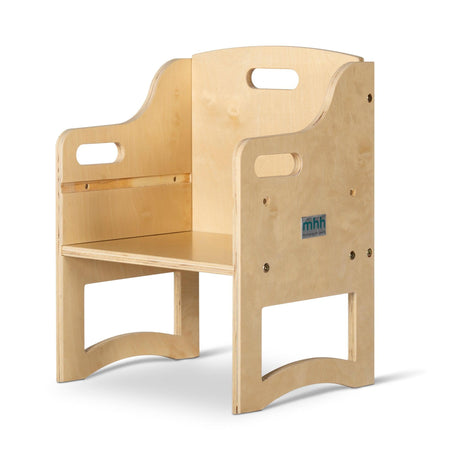
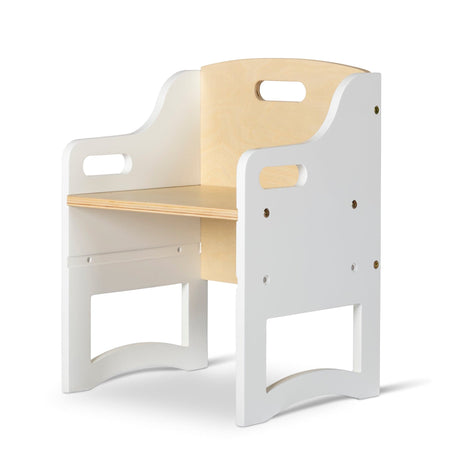
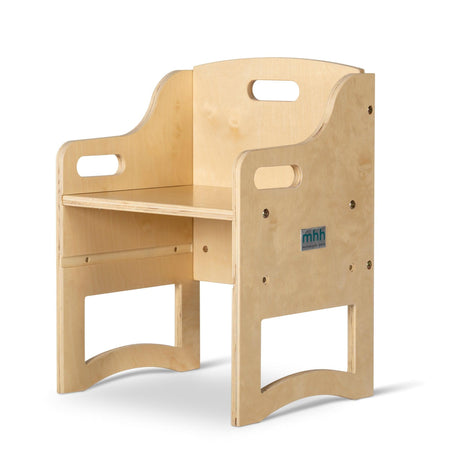
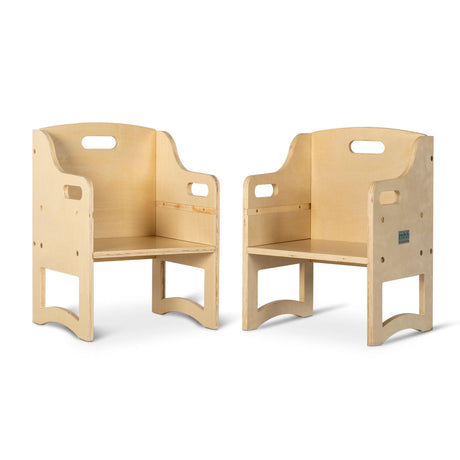
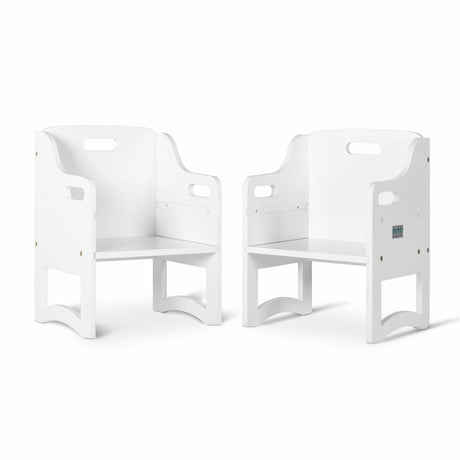
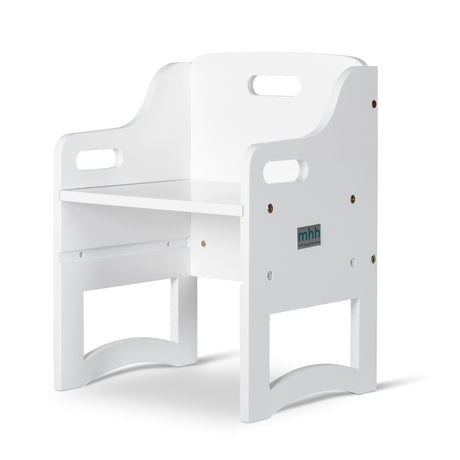
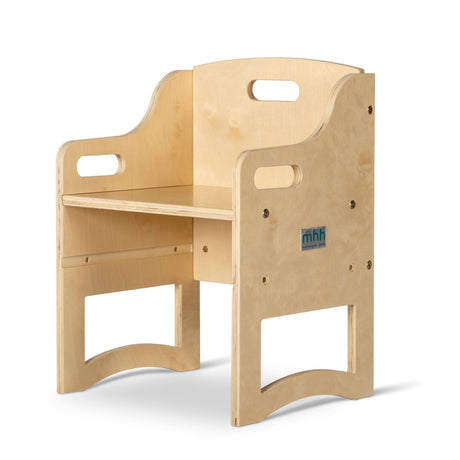
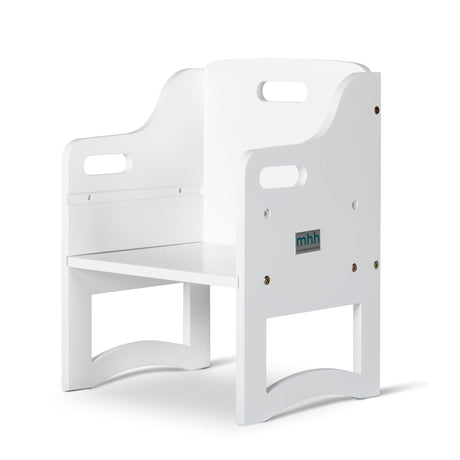
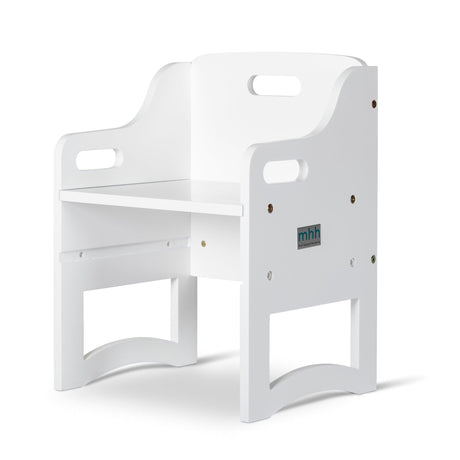
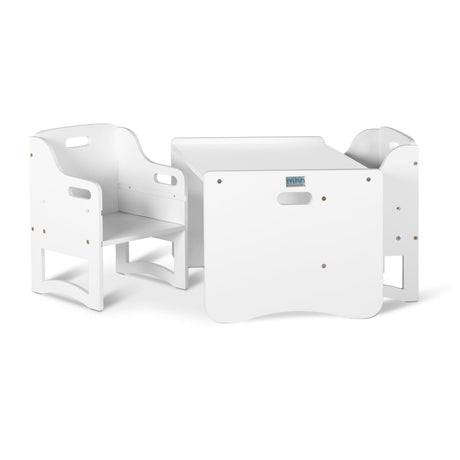
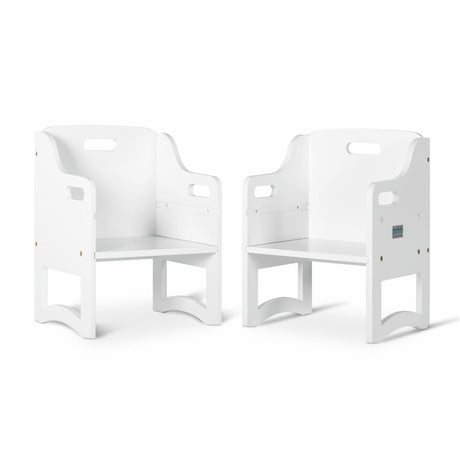
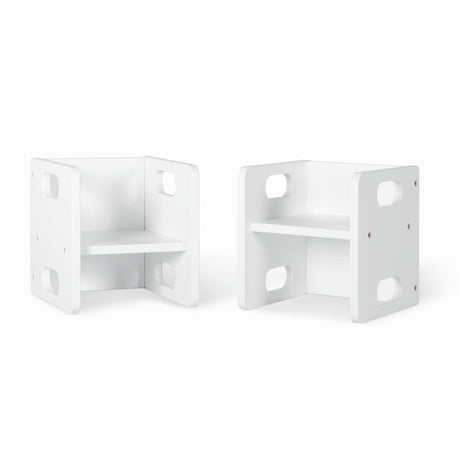
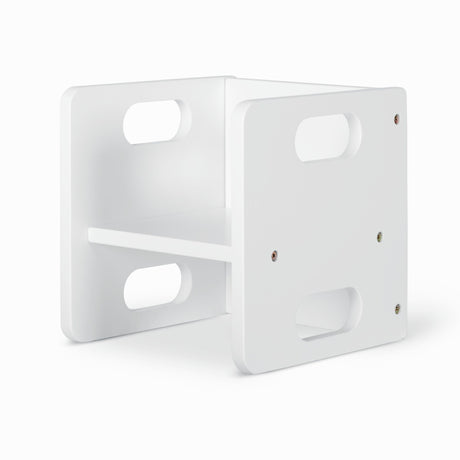
A weaning chair is the seat where baby-led weaning actually happens - and in our experience the chair matters far more than parents expect. Most families spend weeks researching food and almost no time thinking about where their baby will sit to eat it. But a baby isn't only learning to eat; they're learning to sit still while they eat, and those are two completely different skills. A good weaning chair quietly removes the obstacles - it supports posture and gives little feet somewhere to rest - so your baby can put their energy into the food rather than into staying upright.


Why The Weaning Chair Matters More Than Parents Expect

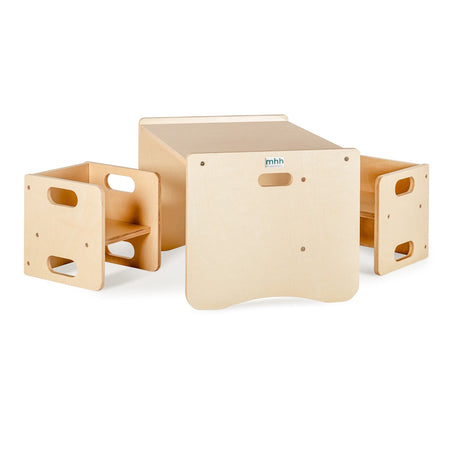
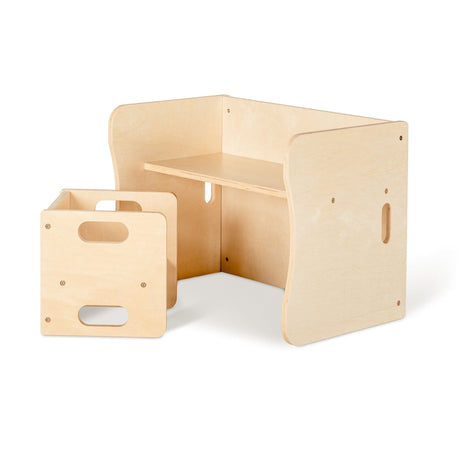
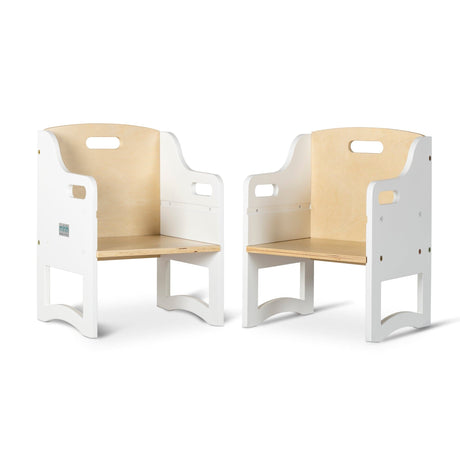
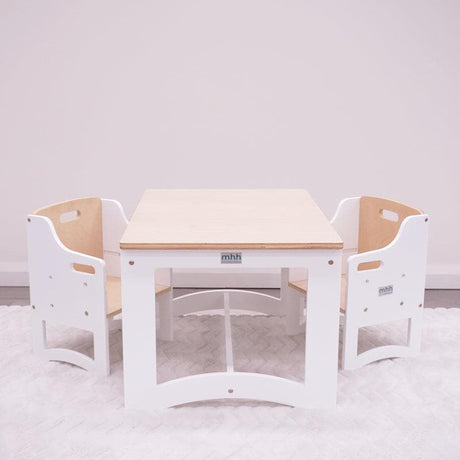
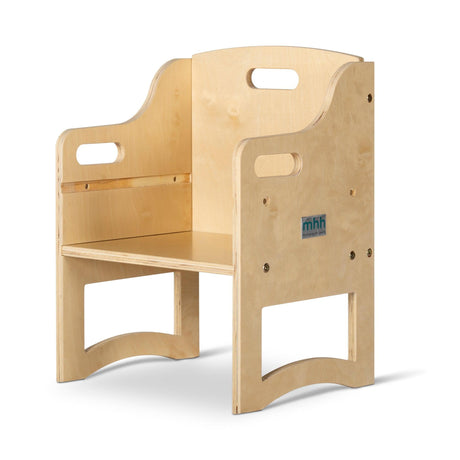
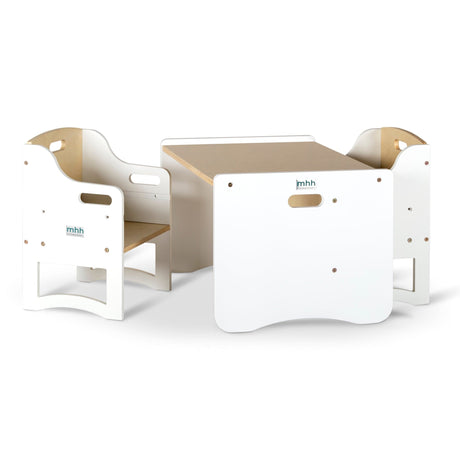
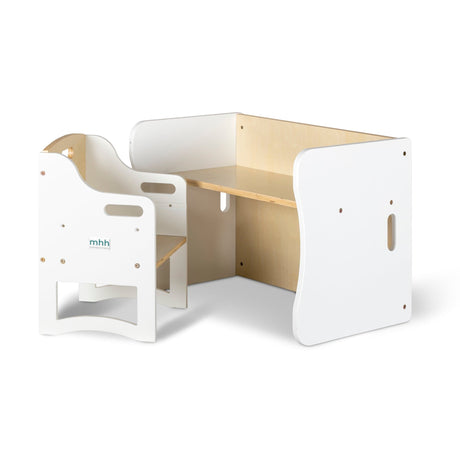
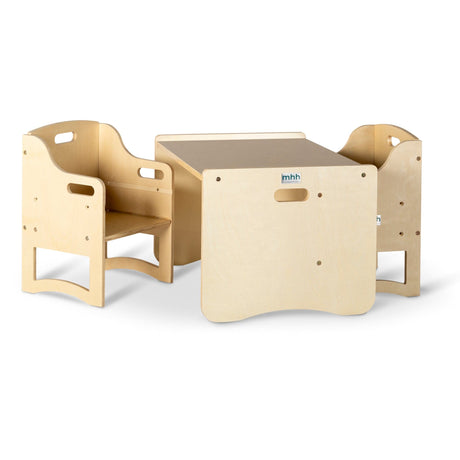
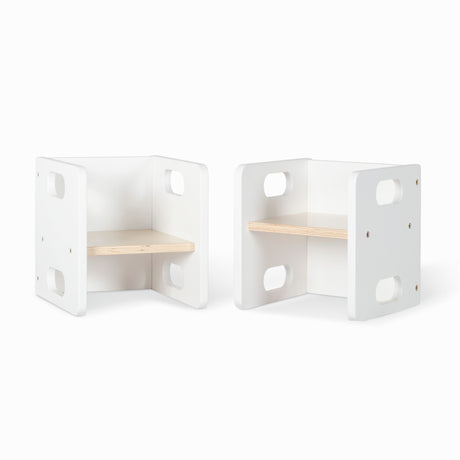
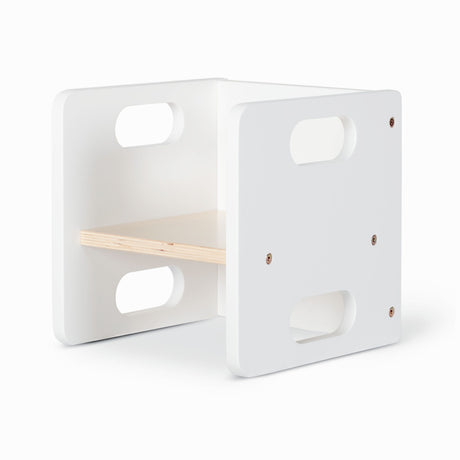
It's striking how much thought goes into the food and how little goes into the chair. Parents compare vegetables, read recipes, save meal ideas, buy suction bowls and research allergens - and then the chair becomes an afterthought. We don't think it should be. If a baby is sliding down the seat, balancing, searching for somewhere to rest their feet or constantly readjusting, they're spending energy just staying upright - energy they could be using to explore food instead. A weaning chair that holds them stable and supported, with their feet resting on something solid, gives them a far better foundation for learning to chew, move food around their mouth and swallow. We stock solid timber weaning chairs built around exactly that: posture, foot support, and a seat close enough to the table for your baby to feel part of the meal.
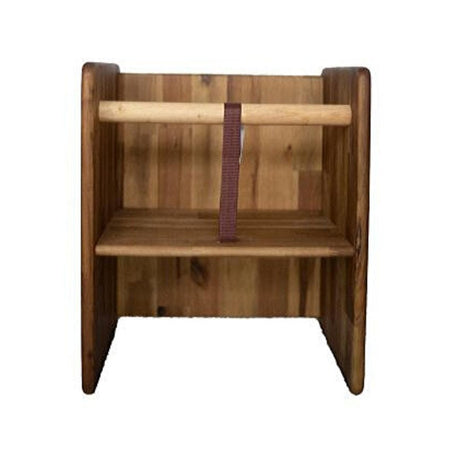
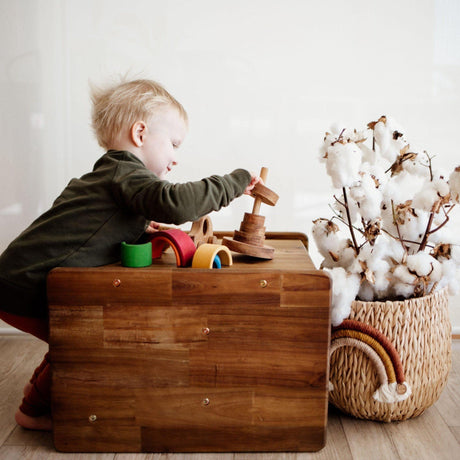
Proper Foot Support Stable Posture Close To The Table Solid Timber
The Hardest Part Of Weaning Often Isn't The Food

Almost every parent goes into baby-led weaning expecting the hardest part to be deciding what to feed their baby. Then the first meal happens. Your baby gags - not chokes, gags - and you freeze, question everything you've read, and quietly wonder whether you've made a terrible mistake. If you've felt exactly that, you're in very good company; it's one of the most common experiences parents describe. The food, it turns out, isn't usually what shakes people's confidence - it's watching their baby learn how to eat, right in front of them, with all the noise and mess that involves. A weaning chair can't take that moment away, and it shouldn't try to. What a stable, supportive seat does is put your baby in the best possible position to manage food safely, sitting upright and well supported, which makes those nerve-wracking early meals a little calmer for everyone at the table.

A Weaning Chair For Two Skills At Once

This is something we don't think gets talked about nearly enough: your baby isn't just learning how to eat, they're learning how to sit still while they eat - and those are two completely different skills happening at the same time. It sounds obvious right up until you watch it unfold. A baby who is sliding down the seat, trying to balance, hunting for somewhere to rest their feet, or constantly readjusting their position is spending real energy simply staying upright. That's energy they could be putting into the genuinely hard work of exploring food - picking it up, getting it to their mouth, learning to move it around and swallow. It's one of the reasons feeding therapists place so much importance on posture and foot support during meals: a stable, well-supported body gives a baby a far better foundation for the mouth-and-tongue skills of eating. The right weaning chair quietly takes the sitting-still part off your baby's plate, so they can pour their concentration into one brand-new skill at a time instead of wrestling with three at once. Parents are often surprised how much calmer and more focused mealtimes become once a baby simply feels secure in their seat.

The Weaning Chair Footrest Isn't A Fancy Extra

If there's one thing we wish more parents knew before buying a weaning chair, it's this: babies don't like having their feet dangling any more than adults do. It's worth actually picturing it - try sitting on a tall kitchen bench and eating your dinner with your feet swinging in the air. You'd shuffle around, lean forward, and brace yourself against the table just to feel steady, and you'd be far more focused on staying balanced than on your meal. Babies do exactly the same thing. A proper footrest gives them something solid to push against, which anchors their whole body and frees them to concentrate on the food in front of them. It doesn't sound particularly exciting, and it's the kind of detail that's easy to skip past on a product list. In practice, the footrest is one of the features that makes the single biggest difference to how settled, stable and capable a baby is during a meal - which is why we treat it as essential rather than a fancy extra.

Why Families Choose Our Weaning Chairs

Proper Foot Support To Push Against

Stable Posture For Learning To Eat

Close To The Table, Part Of The Meal

What To Look For In A Weaning Chair

A few things separate a weaning chair that helps from one that gets in the way. Foot support comes first - a proper footrest gives a baby something solid to push against, steadying their whole body so they can focus on the food rather than on balancing. Posture is next: a seat that holds a baby upright and supported, rather than letting them slide down, gives the stable foundation feeding therapists emphasise for learning to chew and swallow. Closeness to the table matters too - a weaning chair that pulls in so your baby is part of the meal helps them feel included and learn by watching. And finally, easy cleaning, because baby-led weaning is gloriously messy: a wipe-clean seat you can deal with quickly is the one you'll happily keep using every single day.

Our One Piece Of Weaning Chair Advice

If we had one piece of advice for new parents starting solids, it wouldn't be about broccoli or banana or strips of toast - it would be to create an environment that makes learning easier. The food will change every day, your baby's confidence will grow over time, and the mess will eventually disappear. What lasts is the habit of sitting together: those first family meals are about much more than nutrition, they're the beginning of a lifetime of sitting around the table together. A weaning chair that supports your baby's posture, rests their feet and keeps them close to the table is a quiet, practical way to get that beginning right - and it's worth getting right.

A Weaning Chair That Lets Your Baby Focus On Learning
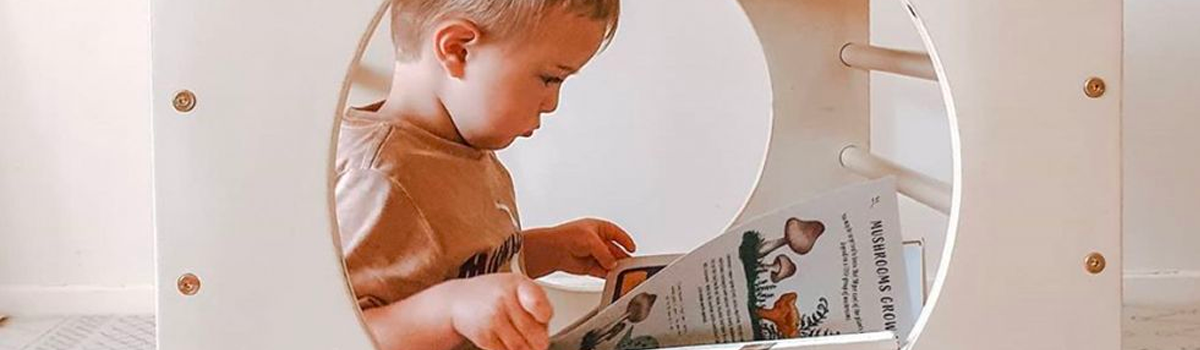
A weaning chair earns its place by doing its job quietly: supporting your baby's posture, giving their feet something solid to push against, and keeping them close enough to the table to feel part of the meal. Choose a stable, supportive, wipe-clean weaning chair and you remove the obstacles, leaving your baby free to focus on the brand-new skill of learning to eat. Explore the range above, and see our high chairs and toddler dining chairs for the stages that follow.

Frequently asked questions
What should I prioritise when choosing a weaning chair?

Prioritise the things that help your baby learn rather than the clever extras. Foot support and stable posture come first, because a settled, supported body is the foundation for learning to chew and swallow. Then closeness to the table, so your baby feels included and learns by watching, and an easy-to-clean seat for the inevitable mess. In our experience the best weaning chair is the one you barely notice, because it's simply doing its job - letting your baby focus on the brand-new skill of eating.

What is the difference between a weaning chair and a high chair?

They overlap, but suit slightly different needs. A weaning chair is focused on the first-foods, baby-led weaning stage - posture, foot support and stability so a baby can learn to eat. A high chair often serves a broader mealtime role and, if it's adjustable, can grow with your child for longer. Both should support good posture and rest the feet. If you're unsure which stage you're at, our mealtime seating overview walks through how the stages fit together.

Is baby-led weaning supposed to be this messy?

Yes - the mess is the learning. The tidy photos online do parents a disservice; real weaning involves food dropped, thrown, squeezed, rubbed through hair and dropped again. Babies experience food with their whole body long before they eat efficiently, and that exploration is exactly how they learn. A wipe-clean weaning chair with a stable base works with the mess rather than against it, so you can relax and let your baby get on with the gloriously messy business of learning to eat.

Do babies really learn two skills at once when weaning?

Yes, and it's under-appreciated. A baby starting solids isn't only learning to eat - they're also learning to sit still while they eat, which is a completely separate skill. If they're sliding, balancing or hunting for a footrest, they're spending energy on staying upright instead of on the food. It's why feeding therapists emphasise posture and foot support: a stable body lets a baby concentrate on one new skill at a time. The right weaning chair takes the sitting part off their plate so they can focus on the eating.

What age is a weaning chair for?

A weaning chair suits the stage when a baby is starting solids and learning to eat - generally once they can sit with support. The key is that the chair supports their posture and rests their feet at that stage, because a stable body is the foundation for learning to chew and swallow. As your baby grows into a more confident eater and then a toddler wanting independence, many families move on to a high chair or toddler dining chair.

Is my baby choking or gagging during weaning?

Gagging and choking are different, and it's worth knowing the difference. Gagging is a normal, noisy, protective reflex that pushes food forward - it's part of how babies learn to manage food, and it's extremely common in the early days of weaning. Choking is silent and serious. Many parents panic at the first gag and question everything; you're in very good company if you have. Always supervise meals closely, learn infant first aid, and speak to your health professional if you're unsure - a stable, supportive weaning chair also helps by keeping your baby in a good upright position to manage food.

Why is foot support important in a weaning chair?

Because babies don't like dangling feet any more than adults do. Imagine eating dinner on a high bench with your feet swinging - you'd shuffle, lean and brace against the table, and babies do exactly the same. A proper footrest gives them something solid to push against, which steadies their whole body and frees them to concentrate on the food. It's easy to overlook on a spec list, but foot support is one of the features that makes the biggest practical difference.

What is a weaning chair?

A weaning chair is a supportive seat designed for the baby-led weaning and first-foods stage. Its job isn't to teach a baby to eat - it's to remove the obstacles so they can focus on learning. A good weaning chair supports posture, gives little feet somewhere solid to rest, and keeps a baby close to the table, so they can put their energy into exploring food rather than into staying upright.