
Click & Collect or 24hr Dispatch*

Sensory Squishy Toys For Hands That Need To Squeeze

Squishy Toys For Kids

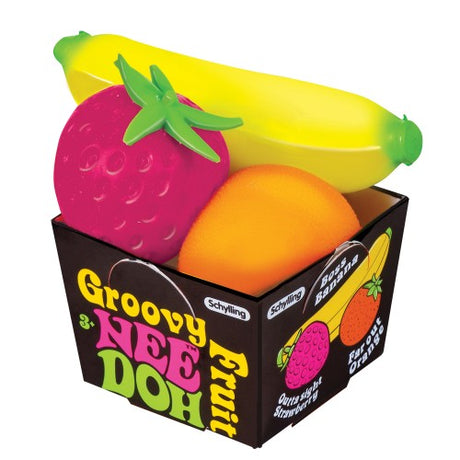
Squishy toys are for the child whose hands are always busy - the one who twists their jumper, rolls Blu Tack into tiny balls, picks at labels or squeezes whatever happens to be closest when they're excited, nervous, overwhelmed or just trying to concentrate. It might sound odd coming from someone who sells them, but those behaviours aren't random - they're logical. Children are constantly looking for ways to organise what they're feeling inside, and they don't yet have the words for it. Adults often calm children with conversation; children often calm themselves with movement, and sometimes that movement is so small you almost miss it - a hand quietly squeezing something soft. Seen that way, a squishy toy stops being a novelty and becomes somewhere for busy hands to put busy feelings. This page is about which child that suits, and how to choose one.


Sensory Squishy Toys & Squishies For Kids

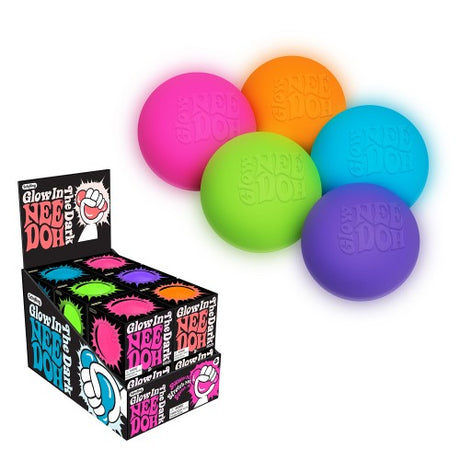
A good squishy toy does more than feel nice - it gives a child immediate, satisfying sensory feedback that can help them settle and stay present. Our range of sensory squishy toys is chosen for exactly that. But here's the thing most people miss: children don't really love squishy toys because they're soft - they love them because they push back. That small moment of resistance is what does the work, and it's why a squishy toy suits some children far more than others. Below we walk through why some children seek to squeeze, why squishy toys feel different from slime, putty and fidgets, why texture matters more than appearance, and how to choose one well made enough to survive the genuinely hard life a squishy toy leads.

Squishy Toys Sensory Squishies Calming Squeeze Tactile Regulation

Why Some Children Need To Squeeze A Squishy Toy

Most adults assume children love squishy toys because they're soft, but softness isn't really the attraction - resistance is. Watch a child squeeze a squishy toy and they're not just enjoying how it feels; they're fascinated that something pushes back, not too much and not too little, just enough. If you've seen your child wrap themselves tightly in a blanket, ask for enormous hugs, bury under cushions or constantly squeeze soft toys, you've seen this already: some children seek pressure, and the ones who do often seek it everywhere. Pressure has boundaries - it gives the body something definite to feel when everything else seems noisy, fast or unpredictable. A child who squeezes isn't trying to break things; in a sense they're trying to find where their body ends. For these children a squishy toy is somewhere to release pressure into something that can safely hold it.

How Squishy Toys Differ From Slime, Putty & Fidgets

People often group squishy toys, slime, thinking putty and fidget toys together because they're all held in the hands, but children don't experience them the same way. Slime invites curiosity - it keeps asking 'what happens next?' Thinking putty encourages slow experimentation and quietly stays with a child while they think. Squishy toys do something different again: they're immediate. There's not much planning or experimentation - a child squeezes, and their body receives feedback straight away. Sometimes that instant response is exactly what's needed, especially during busy school days, long car rides, waiting rooms, or those after-school moments when a child is full of feelings they haven't quite unpacked. If your child loves the slower, more experimental kind of play, our slime and thinking putty may suit them better; if they want immediate squeeze-and-release, squishy toys are the fit.

Squishy Toys: Why Texture Matters More Than Looks

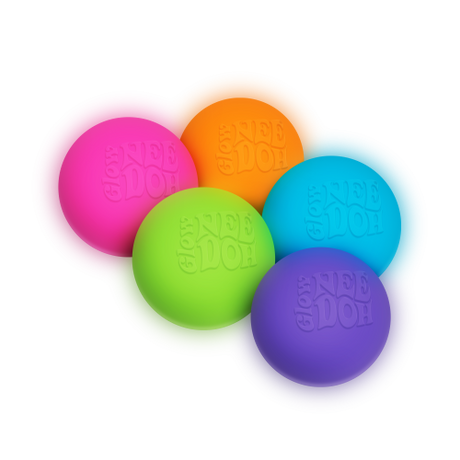
Adults buy with their eyes; children choose with their hands - and that's something we see over and over. Bright colours and a funny character might catch a child's attention for a few seconds, but neither explains why they keep picking the same squishy up weeks later. Texture does. Resistance does. The way it slowly returns to shape does. The feeling it leaves in their hands does. Those are the qualities children come back for, which is why, when we choose squishy toys, we care far more about how one feels after the hundredth squeeze than how it looks on a shelf - because the feel is the experience a child actually remembers. When you're choosing, look past the colour to the texture and the quality of the squeeze.

Sensory Squishy Toys For Calm & Focus

For a child who seeks pressure, a sensory squishy toy offers a quiet, contained way to get the squeeze-and-release feedback their body is looking for. Many families keep one in a school bag, a car or a calm-down corner for exactly the moments a child needs to settle - the immediate response is part of what makes it useful in busy or overwhelming settings. As a general guide, the best squishy toy for calm is one with satisfying, consistent resistance a child can rely on, rather than the loudest or most novelty-looking option on the shelf.

Squishy Game Controller

What Happens When A Child Squeezes A Squishy Toy

From the outside, squeeze-release-squeeze looks repetitive and easy to dismiss - but childhood is full of important things that look repetitive, from babies dropping spoons to toddlers climbing the same step fifty times. Repetition is how children gather information. Each squeeze is a tiny adjustment - a little harder, a little slower, one hand, two hands, fingers, palm - and without thinking about it a child is strengthening the small hand muscles they'll later use for drawing, writing and dressing. More importantly, they're learning they can change how their own body feels, which is a surprisingly powerful lesson.

Find The Right Squishy Toy

Which Squishy Toy Should You Choose?

The best squishy toy depends on what your child is seeking. Here's the quick way to decide.

Choose A Calming Squishy If Your Child:

Seeks pressure and squeezing to settle
Needs something quiet for school or the car
Calms with immediate sensory feedback
Likes soft, satisfying resistance

Consider Slime, Putty Or Making Kits If Your Child:

Prefers slow, experimental play (try putty)
Loves 'what happens next?' (try slime)
Enjoys making as much as squeezing (try making kits)
Wants varied input, not just squeeze
If you're unsure, start with what your child already does - a child who squeezes everything wants a squishy with a good, lasting resistance. Quiet and well-made beats bright and novelty almost every time.

Why Families Choose Our Squishy Toys

Chosen For Satisfying, Lasting Resistance

Quiet Squeeze For School, Car & Calm-Downs

Built To Survive Real Childhood Use

Why Squishy Toy Quality Matters More Than People Realise

Squishy toys have a much tougher life than people expect. Children don't gently place them back on a shelf - they squeeze them with all their strength, throw them into backpacks, leave them in hot cars, carry them to school, take them on holidays and sleep with them. The better a toy copes with real childhood, the longer it stays something a child trusts, which is why we don't see quality as a luxury here - it's part of the experience. If a squishy splits after a week, leaks everywhere or loses the satisfying resistance that made it special, a child notices: the toy hasn't simply broken, the relationship with it has changed. That's something cheap novelty versions rarely account for, and it's why a well-made squishy that keeps its squeeze is worth far more than a brighter one that doesn't last.

Squishy Toys Aren't Magic

It's worth being honest: no toy can remove anxiety, guarantee focus or solve emotional regulation on its own - that's a lot to ask of something that fits in the palm of a hand. What a squishy toy can do is work with the way some children's bodies naturally respond to the world. For a child who seeks pressure, a quiet squeeze gives just enough sensory feedback to stay present; for another child it won't be the right fit at all, and that's perfectly okay. The goal was never to find the toy every child needs - it's to understand the child in front of you. If your child doesn't seek to squeeze, the sensory input they do seek is the better place to start.

Choosing A Squishy Toy: The Short Version

In short: a squishy toy suits the child who's already squeezing everything - the pressure-seeker who calms with a quiet squeeze. It works because of resistance, not softness, and it gives immediate feedback in the moments a child most needs to settle. Watch what your child already does with their hands, choose for texture and a satisfying, lasting squeeze over colour or novelty, and pick one well made enough to be trusted every day. And if your child loves making as much as squeezing, our squishy making kits let them create their own. For the right child, a squishy toy isn't an impulse buy - it's somewhere outside their body that can briefly hold the pressure they were carrying inside it.

Frequently asked questions
What should I look for when buying sensory squishy toys?

When choosing sensory squishy toys for kids, consider the texture, squeeze resistance, durability, portability, and how your child naturally seeks tactile input. Some children prefer extremely soft calming squishies, while others enjoy firmer squeeze resistance or textured tactile feedback. Products designed for regular use should also feel durable, easy to clean, and age-appropriate for the child using them.

Can my child make their own squishy toys?

Yes - if your child enjoys making as much as squeezing, squishy making kits let them create their own, which adds a craft and design element to the sensory play. It's a nice option for a child who likes the hands-on process of making things, alongside the finished squishy toys they can squeeze straight away.

How do I choose a squishy toy that lasts?

Look past the colour and character to the texture and the squeeze. A good squishy toy has satisfying, consistent resistance and returns slowly to shape, and it's made well enough to survive being squeezed hard, thrown in bags and carried everywhere. If a squishy splits, leaks or loses its resistance quickly, the experience is gone - so quality construction is what makes one worth buying.

What age are squishy toys suitable for?

As a general guide, squishy toys suit children from preschool age upward, with supervision for younger children. Always check the age rating on the specific toy and supervise young children, since squishies aren't for mouthing and some have small parts. For the youngest children, choose larger, simple, well-made options rated for their age rather than small novelty squishies.

What is the difference between squishy toys and fidget toys, slime or putty?

They give different kinds of input. Squishy toys are immediate - squeeze and the body responds straight away. Slime invites curiosity and 'what happens next?' Thinking putty encourages slow, quiet experimentation. Fidget toys give busy hands varied movement. A child who wants instant squeeze-and-release suits a squishy; a child who wants to explore or experiment may prefer slime, putty or a fidget.

Are squishy toys calming for anxious or overwhelmed children?

For some children, yes - a quiet squeeze can give just enough sensory feedback to help them stay present and settle. It's individual rather than a guaranteed fix, and no toy removes anxiety on its own, but many children who seek pressure find squeezing genuinely calming during busy or overwhelming moments. For a child who doesn't seek that input, it may not help, and that's completely normal.

Why do children love squeezing squishy toys?

It's less about softness and more about resistance - children are fascinated that a squishy pushes back, not too much and not too little. For a child who seeks pressure, that definite, predictable feedback is settling when everything else feels noisy or fast. Squeezing gives the body something clear to feel, which is why some children naturally reach for it.

What are squishy toys good for?

Squishy toys give a child immediate squeeze-and-release sensory feedback that many find calming and focusing. For a child who seeks pressure, that small moment of resistance helps organise how their body feels, which is why squishies are so often used in school bags, cars and calm-down corners. They also quietly strengthen the small hand muscles children use for drawing and writing.