Click & Collect or 24hr Dispatch*

15% Off Sitewide & Clearance*

EOFY15
Early Maths Through Play

Number Toys That Make Numbers Meaningful


Before little ones can confidently add, subtract or solve maths problems, they first need to recognise what numbers actually look like. Number toys help children connect symbols with meaning through hands-on play, making early maths feel natural, engaging and easy to understand. Explore number recognition toys, number matching activities and educational number toys designed to build confidence one number at a time.


How To Teach Number Recognition Through Everyday Play

Why Number Recognition Comes Before Maths Confidence

Many children learn to count long before they truly understand numbers. They may confidently recite "one, two, three, four, five" while still struggling to identify a number when they see it written down. Number recognition is the bridge between counting and genuine mathematical understanding.

Number toys help children recognise, identify and understand number symbols through repeated hands-on experiences. By matching numbers to quantities, sequencing numerals, exploring number patterns and engaging with educational number toys, children begin building the foundations required for later maths learning.

Whether your little one is just beginning to notice numbers in everyday life or is preparing for school, number recognition toys provide a playful and engaging way to strengthen confidence without relying on worksheets or rote learning.

Number Recognition School Readiness Hands-On Learning Numbers Become Visible

Numbers Become Visible

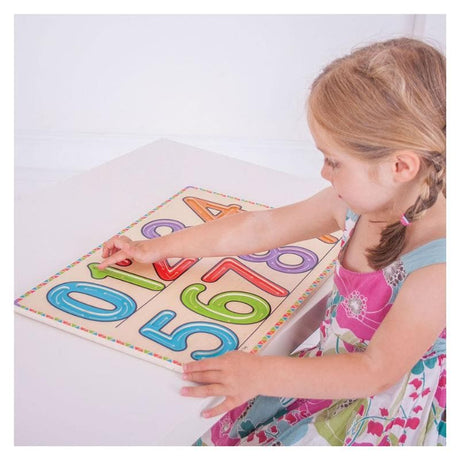
Young children learn more effectively when concepts can be seen and touched. Number toys transform abstract symbols into physical learning experiences, helping children connect what they see with what numbers actually represent.

Build Confidence Before Formal Maths

Children who recognise numbers confidently often find later maths learning less intimidating. Educational number toys help create familiarity with numerals before addition, subtraction and other mathematical concepts are introduced.

Learning Through Play Feels Natural


Instead of memorising numbers through repetition alone, children can explore them through matching, sorting, sequencing and hands-on discovery. This often leads to deeper understanding and longer-lasting engagement.

Choosing The Right Number Toy

Is Your Child Learning To Recognise Numbers Or Understand What They Mean?

Children develop number awareness in stages. Some are still learning to identify numerals when they see them, while others are ready to sequence numbers, match quantities or explore early number relationships. Choosing the right number toy depends on what your child is trying to master next.

Choose Number Recognition Toys If Your Child

  • Can count aloud but struggles to identify written numbers Is beginning to notice numbers in books and everyday life Confuses similar-looking numerals Needs repeated exposure to number symbols Enjoys matching and sorting activities Is building confidence with early number awareness

Choose Number Sequencing And Matching Toys If Your Child

  • Recognises most numbers consistently Can identify numerals without prompting Is interested in putting numbers in order Enjoys comparing numbers and quantities Is preparing for school-based maths learning Is ready for more complex number activities
The best number toy isn't the one with the most features. It's the one that matches your child's current stage of learning. Children build confidence fastest when they experience small successes, allowing number recognition to become automatic before moving on to more advanced mathematical concepts.

Why Parents Choose Number Recognition Toys

Helps children recognise and identify numbers through play

Makes numbers visible, engaging and easier to remember

Encourages school readiness without pressure or worksheets

What Should Parents Look For In Number Recognition Toys?

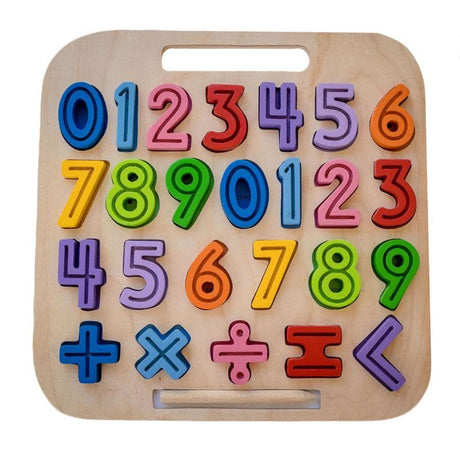
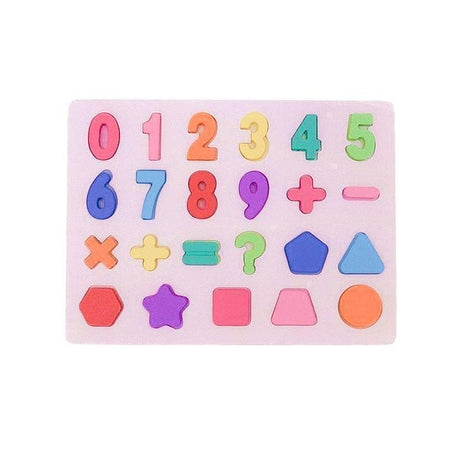
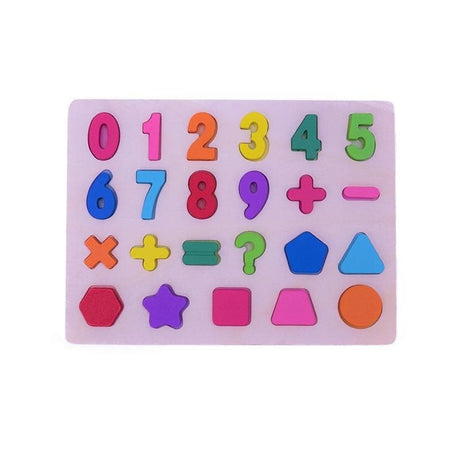
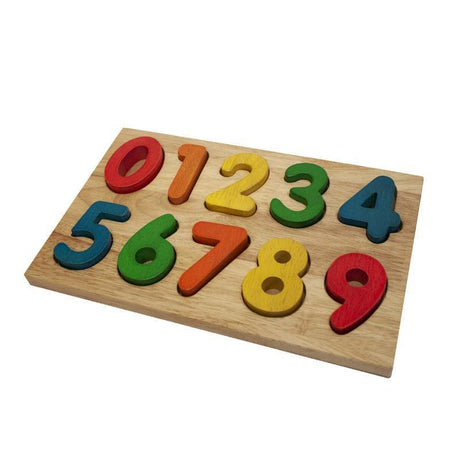
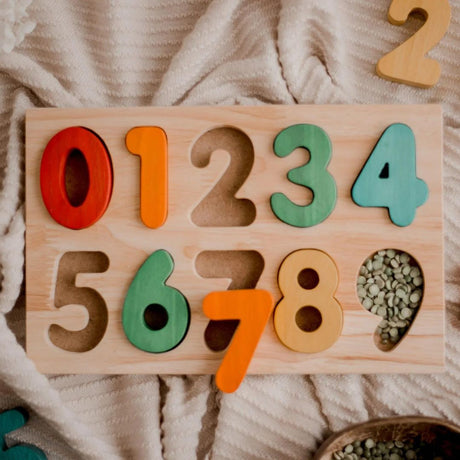
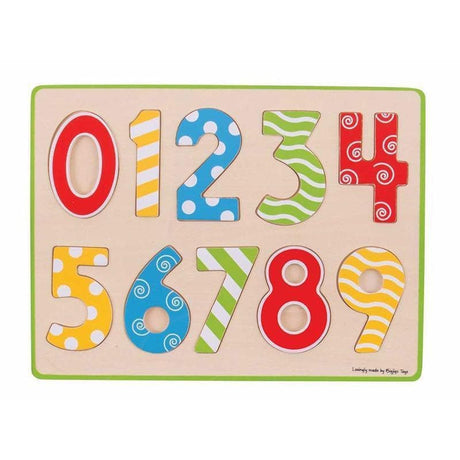
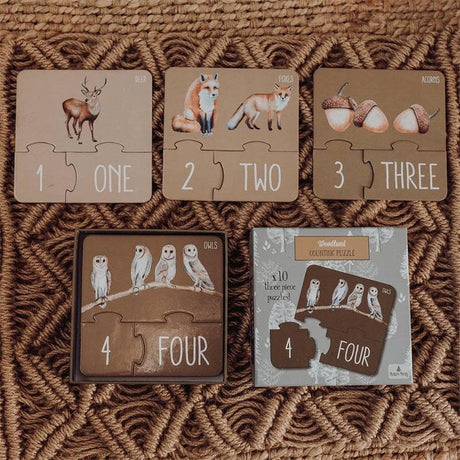
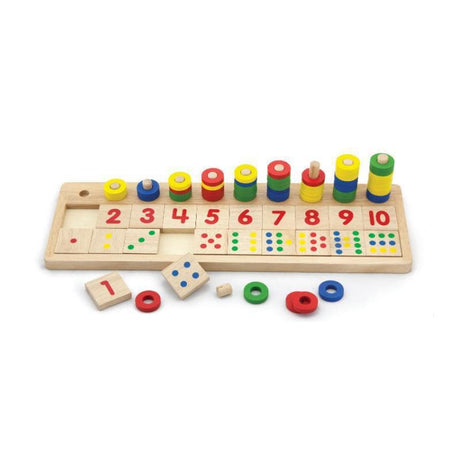
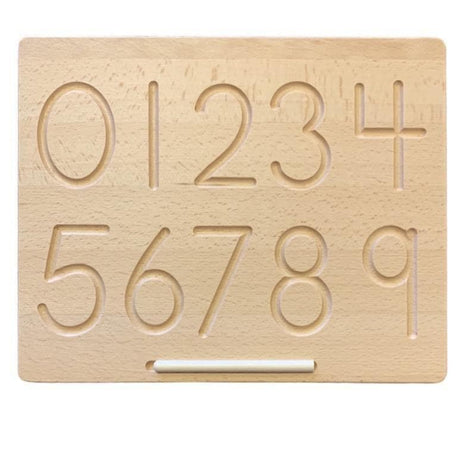
The most effective number recognition toys make numbers highly visible, easy to manipulate and enjoyable to revisit. Young children benefit from resources that allow them to physically handle numbers rather than simply viewing them on a page or screen. Large wooden numerals, matching activities, number puzzles and sequencing toys often encourage stronger engagement because they combine visual recognition with movement and interaction.

It's also important to choose resources that allow children to progress naturally. A high-quality number toy should remain useful after initial number recognition develops, supporting sequencing, matching, quantity recognition and early maths confidence. This creates better long-term value while helping children continue building foundational mathematical understanding through play.

When Number Recognition Toys May Not Be The Right Choice

Number recognition toys are designed specifically to help children identify and become familiar with number symbols. While this is an important stage of mathematical development, it may not be the most appropriate starting point for every child. Children who are still learning basic counting skills may benefit first from counting activities, quantity-based resources or simple one-to-one correspondence games before focusing heavily on written numerals.

Similarly, children who already recognise numbers confidently and can sequence them independently may be ready for more advanced mathematical concepts. In these cases, abacuses, counting frames, maths games or measurement activities may provide a more suitable next step.

The goal is to match the toy to the learning stage. When children are given resources that align with what they are ready to learn next, confidence grows naturally and learning feels enjoyable rather than frustrating.
Helping Little Ones Build Confidence With Numbers
Recognising numbers is one of the first major steps in a child's maths journey. Before children can confidently add, subtract or solve problems, they need to feel comfortable identifying the symbols that represent numbers. Number recognition toys provide a playful and engaging way to build this foundation through hands-on learning, repetition and discovery.

Whether your child is just beginning to notice numbers in everyday life or is preparing for school, educational number toys can help transform number recognition into a skill that feels natural and enjoyable. Through matching, sequencing, sorting and exploration, little ones develop confidence with numbers while building strong foundations for future mathematical learning.

Frequently asked questions
What are the best number toys for preschoolers?

The best number toys for preschoolers are those that make numbers easy to recognise, enjoyable to explore and relevant to everyday learning. Wooden number puzzles, number matching games, sequencing activities and educational number toys all provide opportunities for children to build confidence through play.

Rather than focusing solely on memorisation, high-quality number toys encourage children to interact with numerals repeatedly in different ways. This helps strengthen recognition, improve familiarity and build a solid foundation for future maths learning. The most effective resources are often those that balance educational value with genuine enjoyment, allowing little ones to learn naturally while they play.

What should I look for when choosing a number recognition toy?

The best number recognition toys are visually clear, age appropriate and engaging enough to encourage repeated use. Large wooden numbers, matching activities, sequencing games and number puzzles often work well because they allow children to interact directly with numerals.

Look for toys that match your child's current stage of learning. Some resources focus on recognising individual numbers, while others introduce sequencing, matching quantities and early number relationships. Choosing a toy that provides an achievable challenge helps maintain confidence while encouraging ongoing learning.

Can number toys help children who struggle with maths?

Number toys can be particularly valuable for children who find early maths concepts challenging. Many mathematical difficulties begin when children struggle to connect abstract symbols with meaning. Number recognition toys help make numbers visible, tangible and easier to understand through hands-on exploration.

Rather than focusing on worksheets or memorisation, children can engage with numbers through play. This often reduces pressure while creating opportunities for repeated practice. As confidence grows, children may become more comfortable engaging with broader maths concepts and classroom learning.

FAQ_7_Question: How do I know if my child is ready for number recognition activities?

Children often show readiness for number recognition when they begin noticing numbers in books, on signs, around the home or during everyday activities. They may point to numbers, ask questions about them or show curiosity when numbers appear in games and stories.

A child does not need to count perfectly before exploring number recognition. In fact, many children develop counting and number recognition simultaneously. If your child enjoys matching, sorting, puzzles or simple educational activities, they may be ready to begin engaging with number toys designed for early maths learning.

Are number recognition toys better than flashcards?

Number recognition toys and flashcards can both support learning, but many young children respond more positively to hands-on experiences. Flashcards typically focus on visual memorisation, while number toys encourage active participation through movement, manipulation and play. Children can touch, sort, match and sequence numbers, which often leads to stronger engagement and deeper understanding.

Many parents find that number recognition toys hold attention for longer because learning feels like a game rather than a lesson. For young learners, combining visual, tactile and play-based experiences can make number recognition easier and more enjoyable.

Why is number recognition important before starting school?

Number recognition is one of the foundational skills that supports future maths learning. Before children can confidently complete calculations, solve problems or understand mathematical concepts, they need to be familiar with the symbols used to represent numbers. Recognising numerals allows children to participate more confidently in classroom activities and understand instructions involving numbers.

Strong number recognition skills can also reduce frustration when formal learning begins. Children who already recognise numbers often find it easier to focus on new concepts because the symbols themselves are already familiar. Educational number toys provide a simple and engaging way to build these foundations before school starts.

How do I teach number recognition through play?

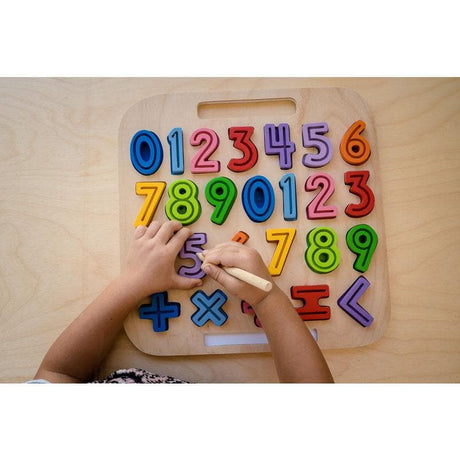
Children often learn number recognition most effectively through repeated, playful exposure rather than formal lessons. Number recognition toys encourage children to interact with numerals through matching, sorting, sequencing and problem-solving activities. By seeing and handling numbers regularly, children gradually become familiar with their shapes and meanings.

Simple activities such as matching numbers to quantities, ordering numerals from smallest to largest, finding hidden numbers or completing number puzzles can help reinforce learning naturally. The goal is to create positive experiences with numbers rather than focusing on memorisation. Over time, repeated hands-on interaction helps children recognise numbers more quickly and confidently.

What's the difference between counting and number recognition?


Counting and number recognition are related but different skills. Counting involves reciting numbers in sequence and determining how many objects are present. Number recognition involves identifying and naming written numerals when children see them. A child may be able to count to ten while still struggling to recognise the symbol for the number six or seven. Number recognition toys help bridge this gap by providing opportunities to repeatedly see, touch and interact with numerals during play.

At what age should children start learning number recognition?


Most children begin noticing numbers between the ages of two and four, although every child develops at their own pace. Early exposure to number recognition toys can help children become familiar with numerals through play without creating pressure to perform. The goal is not to memorise every number immediately, but to help children recognise that numbers have names, shapes and meanings. Many preschoolers naturally develop number recognition skills through everyday experiences when supported by engaging educational resources.

What are number recognition toys?


Number recognition toys are educational resources designed to help children identify, recognise and become familiar with number symbols. Unlike counting activities that focus on reciting numbers, number recognition toys help little ones connect written numerals with their names and meanings. Examples include number puzzles, number matching games, wooden number toys and sequencing activities. These resources provide repeated hands-on exposure to numbers through play, helping children build confidence before moving into more advanced mathematical concepts.