
-

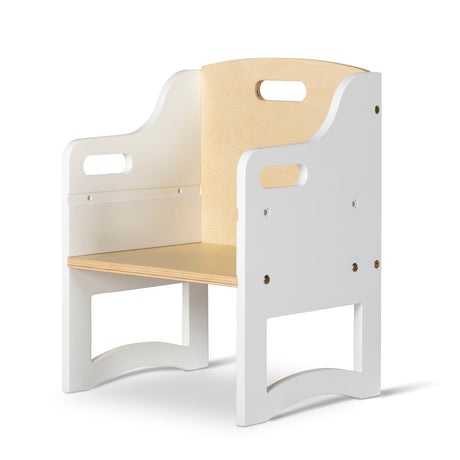
Dine and Grow TODDLER DINING CHAIR - White & Varnish **October 2026 Pre Order
$199.95Unit price /Unavailable -
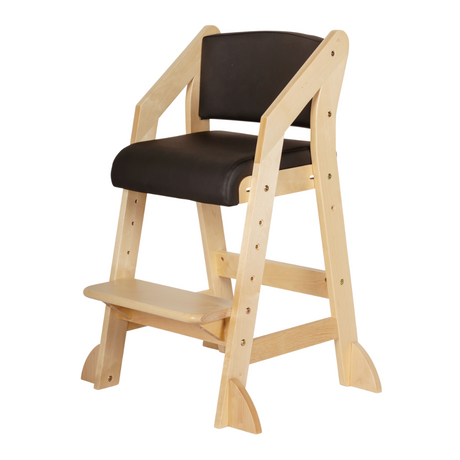
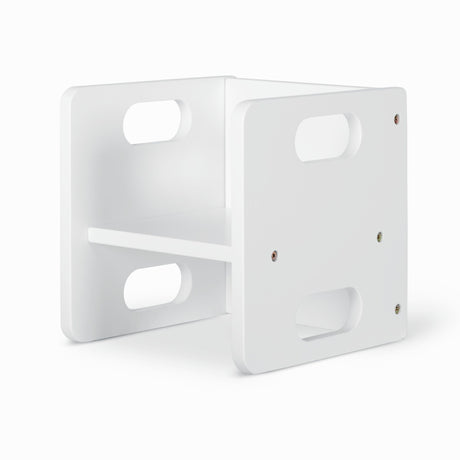
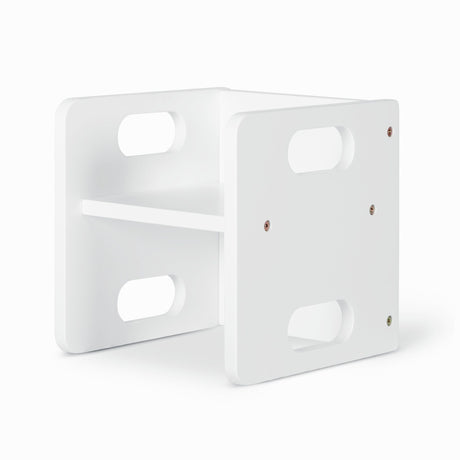
![Dine and Grow TODDLER ISLAND CHAIR - White & Varnish]()
-

-
-
-
Up to 50% off
-
-
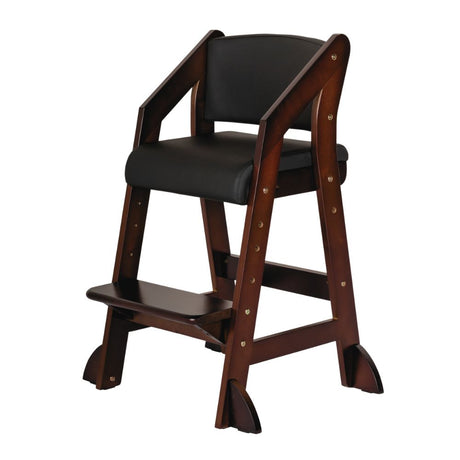
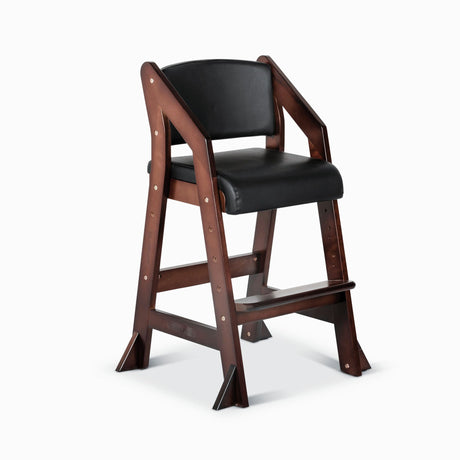
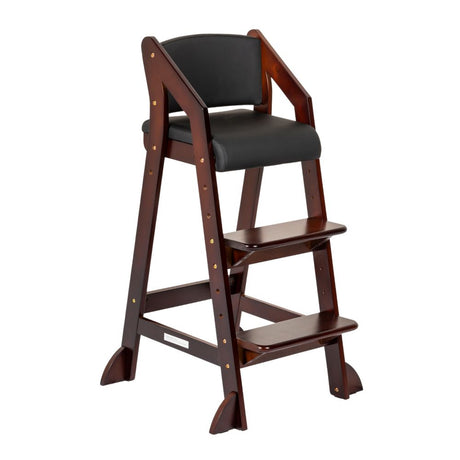
![Dine and Grow TODDLER ISLAND CHAIR - Walnut & Black]()
-
-
-
-
-
-
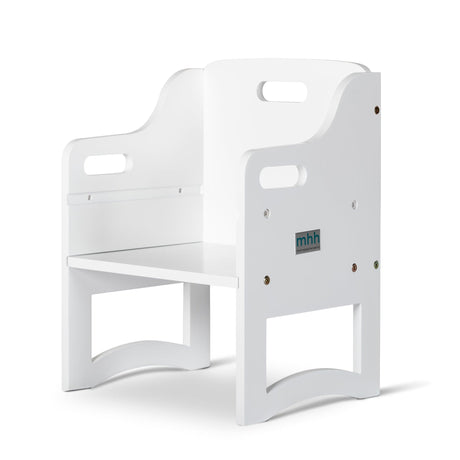
![Junior Chair - Birch & White]()
-
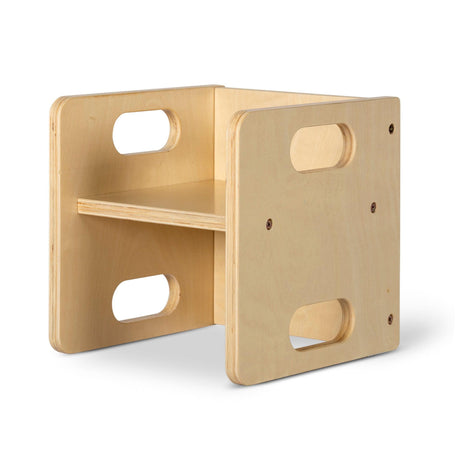
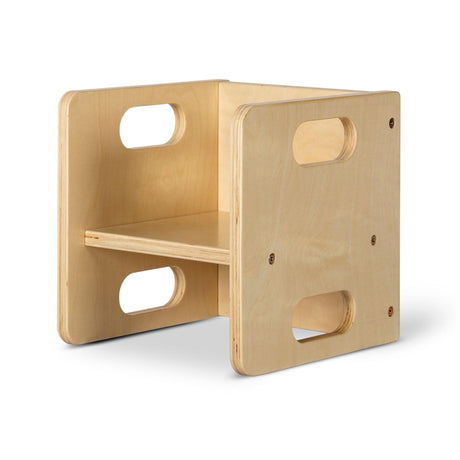
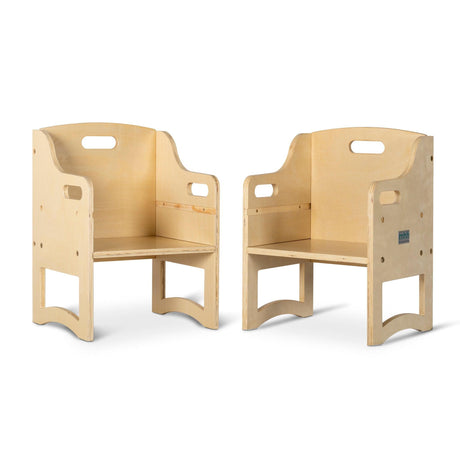
![Scratch & Dent Aspire Weaning Chair Twin Pack]()
![Scratch & Dent Aspire Weaning Chair Twin Pack]()
![Scratch & Dent Aspire Weaning Chair Twin Pack]()
 Up to 43% off
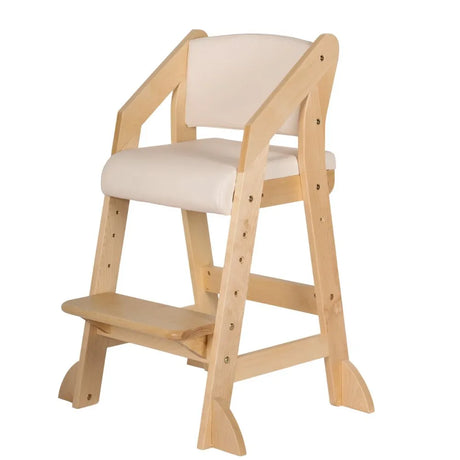

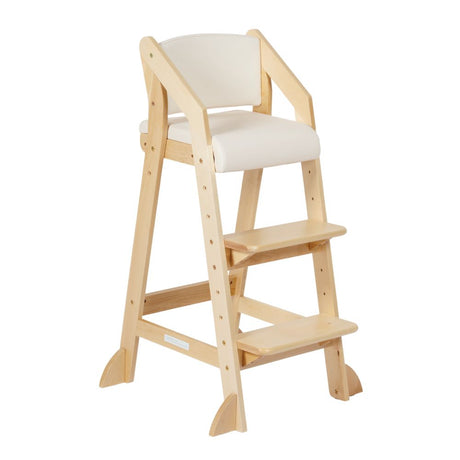






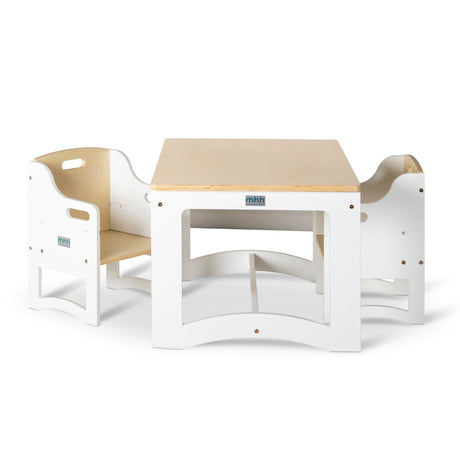
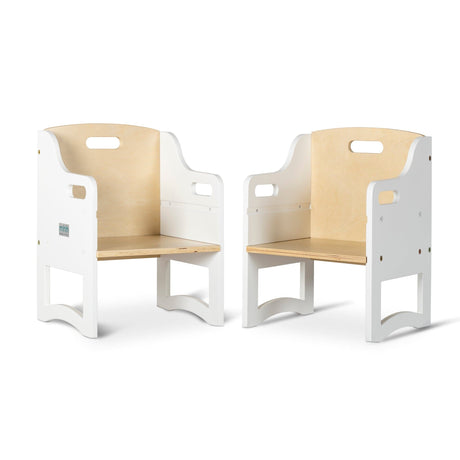
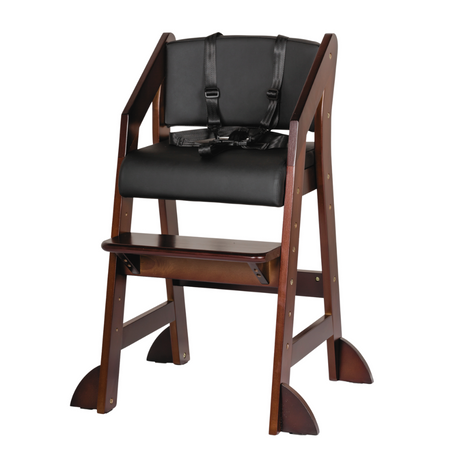

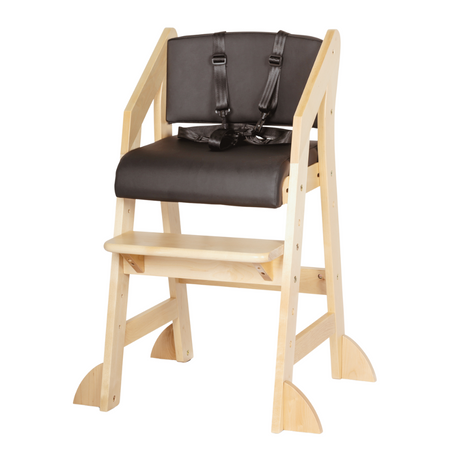



How Do I Choose Kids Table and Chairs?
Sizing GuideSet vs SeparatesBy Age & StageMaterials & Safety

Customer observation
What are you noticing?
Looking Beyond Tables & Chairs
Looking for a different kind of setup?
Frequently asked questions
Questions parents often ask
How long will a kids table and chairs last?
How do I stop my child's table or chairs from tipping?
Are wooden table and chairs better for kids?
What age is a kids table and chairs for?
Should I buy a table and chair set or separate pieces?
What size table and chairs does my child need?