Click & Collect or 24hr Dispatch*

15% Off Sitewide & Clearance*

EOFY15
Kids Peg Boards For Fine Motor Skills And Independent Play

Kids Peg Boards

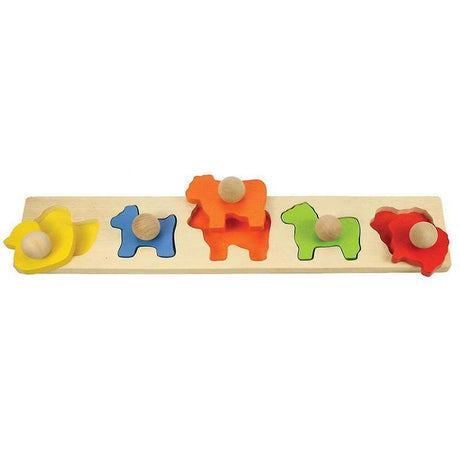
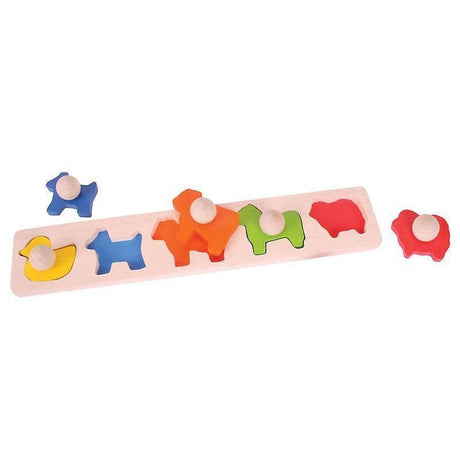
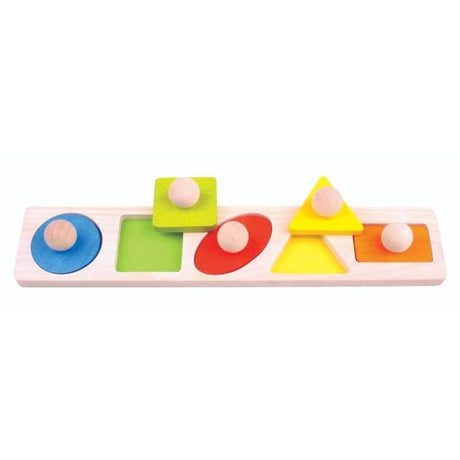
Kids peg boards combine simple hand movements with focused, repeatable play. Whether children are placing pegs, creating colour patterns, matching designs or building their own arrangements, peg board toys encourage hands-on engagement without flashing lights, batteries or overstimulation. For many toddlers and preschoolers, peg boards become activities they naturally revisit because the challenge can grow alongside their confidence.


Why Children Return To Peg Board Play Again And Again

Many fine motor toys capture a child's attention briefly before being abandoned. Peg boards often work differently because the activity naturally encourages repetition. Children place pegs, remove pegs, sort colours, create patterns and experiment with different arrangements over and over again. This repetition feels purposeful rather than repetitive. For parents looking for calm activities that encourage independent engagement, peg board toys often become one of the most frequently revisited resources in the playroom. The challenge can also evolve naturally as children progress from simple placement to matching, sequencing and creative design.

Calm Engagement Independent Play Pattern Building Fine Motor Practice

Simple To Start, Difficult To Master

Children can begin by placing individual pegs into holes, then gradually move towards matching colours, creating patterns and designing more complex arrangements.

Keeps Hands Busy Without Overstimulation

Peg boards provide clear purpose and repetition without relying on lights, sounds or screens, making them ideal for focused independent play.

Grows With Your Child

The same peg board can often support multiple stages of play, from basic placement through to pattern recognition and open-ended design.

Peg Board Activities For Toddlers Learning Fine Motor Control

Younger children often begin with simple peg placement, focusing on grasping, positioning and inserting pegs successfully. These early experiences help build confidence while creating opportunities for independent success.

Pattern Peg Boards For Preschoolers Ready For A Bigger Challenge

As confidence grows, many children naturally progress towards colour matching, sequencing and creating increasingly complex peg board patterns. Pattern boards help extend the life of the activity without requiring entirely new skills.

Choosing The Right Peg Board

Start With How Your Child Approaches Play

The best peg board depends less on age and more on how your child currently engages with fine motor activities.

Choose Beginner Peg Boards If

  • Your child is still learning peg placement They enjoy simple repetitive activities Large pieces are important Independent success matters most

Choose Pattern Peg Boards If

  • Your child enjoys matching colours They notice patterns naturally They seek extra challenge They enjoy structured activities
Many children begin with simple placement and naturally progress towards matching, sequencing and creating their own designs over time.

What Makes A Great Kids Peg Board?

Age-appropriate peg sizes for confident independent use

Durable designs that encourage repeated daily play

Activities that can evolve from simple placement to pattern creation

Peg Boards Or Posting Toys?

Although both activities involve placing objects into openings, they offer different experiences. Posting toys focus on inserting objects into containers or slots, while peg boards focus on positioning, arrangement, matching and pattern creation. Children who enjoy organising, sorting and building visual patterns often remain engaged with peg boards for longer periods.

Looking For Everyday Activity Boards Instead?

If your child prefers switches, locks, zips, latches and practical life exploration, Busy Boards may be a better fit. Peg boards are specifically designed around peg placement, pattern creation and focused fine motor engagement.

Small Movements That Keep Children Engaged
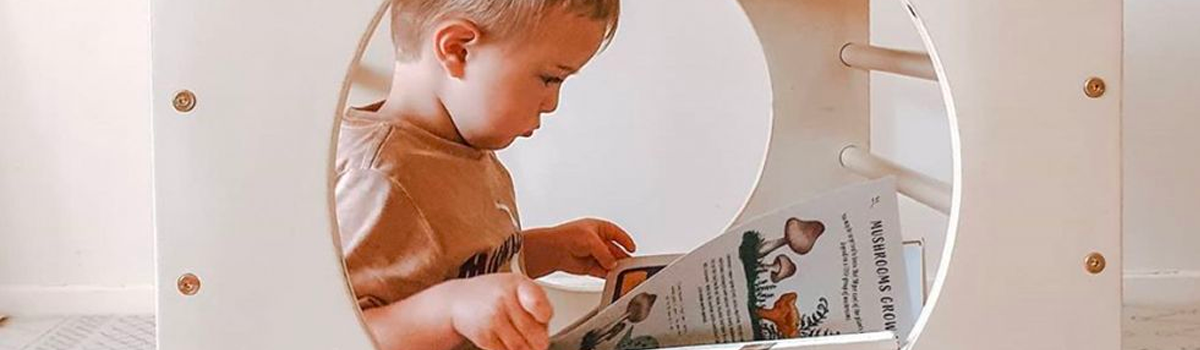
Peg boards are often at their best when they appear deceptively simple. A single peg becomes a pattern. A pattern becomes a design. A design becomes a challenge children create for themselves. For families looking for calm, repeatable activities that children willingly return to, peg boards often become one of the most valuable fine motor resources in the playroom.

Frequently asked questions
Do Children Outgrow Peg Boards Quickly?

Parents often assume peg boards are a short-lived toddler activity, but many children continue finding new ways to engage with them as their skills develop. What changes is not necessarily the toy itself but how it is used. A younger child may focus on placing pegs into holes successfully, while an older child may create colour patterns, build pictures, copy designs or invent increasingly complex arrangements. This progression helps peg boards remain relevant across multiple developmental stages. Activities that can evolve alongside a child's growing abilities often provide better long-term value than toys with a single fixed outcome. Children who enjoy organisation, sorting, matching or creative design frequently return to peg boards long after mastering the basic mechanics. Rather than being a toy children simply complete and abandon, peg boards often become a resource that supports different forms of play as confidence and creativity continue to grow.

Are Peg Boards Suitable For Children With Autism Or Sensory Preferences?

Every child is different, but many families and educators find peg boards appealing because they offer predictability, repetition and clear visual structure. These characteristics can be particularly attractive for children who prefer activities with obvious expectations and consistent outcomes. Peg board play allows children to focus on one action at a time while creating visible results they can control. The repetitive nature of placing, removing and rearranging pegs can also feel calming for some children. It is important to remember that autism is highly individual, and no single activity suits every child. However, peg boards are often valued because they can be approached in many different ways. One child may enjoy colour sorting, another may create patterns and another may simply focus on repetitive placement. This flexibility allows the activity to adapt to the child's interests rather than requiring the child to adapt to the toy.

Why Are Peg Boards Popular With Children Who Like Lining Things Up?


Children who enjoy lining up toys, sorting objects into groups or arranging items in specific ways are often naturally drawn to peg boards. These children frequently enjoy activities that allow them to create order, predictability and visual organisation. Peg boards provide a structured environment where arranging, sorting and positioning become the central focus of play. Unlike toys that require imaginative storytelling or rapid transitions between activities, peg boards reward careful placement and repetition. This can feel particularly satisfying for children who enjoy creating systems, noticing patterns or organising objects according to their own rules. Many parents observe that children who line up cars, sort colours or group toys by type often engage deeply with peg board activities for similar reasons. The appeal comes not from complexity but from the opportunity to create visible order and control within the play experience.

How Do Peg Boards Support Pattern Recognition And Early Maths Thinking?


Many children begin exploring pattern recognition naturally through peg board play long before they encounter formal maths concepts. As children sort colours, alternate peg sequences, repeat arrangements and create visual designs, they are practising skills that later contribute to mathematical thinking. The value of peg boards lies in their hands-on nature. Rather than being told what a pattern is, children physically create and manipulate patterns themselves. A child may begin by grouping colours together, then move towards repeating colour sequences or arranging pegs symmetrically. These experiences help develop visual discrimination, sequencing awareness and logical organisation. Importantly, children often engage in these behaviours because they find them satisfying rather than because they are being taught. This makes peg boards an appealing option for parents seeking activities that encourage deeper thinking without feeling academic. The learning emerges naturally through the process of arranging, observing and adjusting patterns during play.

Can Peg Boards Help Children Practise Independent Play?


Peg boards are often particularly successful as independent play activities because they provide a clear purpose without requiring constant adult instruction. Many children can quickly understand the basic concept of placing pegs into holes and then begin experimenting independently. Unlike activities that rely on rules, winning, losing or adult-led directions, peg boards allow children to create their own challenges as they play. A toddler may focus on simple peg placement, while an older child might sort colours, build patterns or create pictures. This flexibility often helps peg boards remain engaging for longer periods. Parents looking for toys that encourage independent play frequently appreciate that peg boards provide enough structure to feel purposeful without becoming restrictive. For many children, the activity becomes self-sustaining because every completed arrangement naturally leads to another idea, another pattern or another challenge. This can make peg boards particularly useful during quiet play periods, independent activity time or moments when parents need children to remain engaged without direct supervision.

How Can Parents Tell If A Peg Board Is Too Easy Or Too Difficult?


Children generally provide clear clues when an activity sits outside their current skill level. If a peg board is too difficult, children may become frustrated quickly, seek constant help or abandon the activity after only a few attempts. If it is too easy, they may complete the task rapidly and lose interest. The ideal peg board creates small challenges while still allowing regular success. A child should feel capable of completing most placements independently while still encountering opportunities to problem solve and experiment. For younger children, larger pegs and simpler layouts often work best. For older preschoolers, pattern matching, sequencing activities and more detailed arrangements may provide greater engagement. The goal is not to find the most advanced peg board. It is to find one that allows confidence and challenge to grow together over time.

Are Wooden Peg Boards Better Than Plastic Peg Boards?


The answer depends largely on what families value most. Wooden peg boards are often chosen for their durability, weight and tactile qualities. Many children find wooden pegs easier to grasp and position because they feel substantial in the hand. Wooden peg boards also tend to sit more securely on a table or floor surface during play. Plastic peg boards can sometimes offer brighter colours and lighter construction, which may suit some environments. However, many parents looking for long-term play resources prefer wooden peg boards because they often withstand years of repeated use while maintaining their appearance and functionality. The most important consideration is not necessarily the material itself, but whether the peg board encourages repeated engagement, independent success and progression as a child's confidence develops.

What's The Difference Between A Peg Board And A Posting Toy?


Although peg boards and posting toys are often grouped together within fine motor categories, they serve very different purposes during play. Posting toys focus primarily on inserting objects into a slot, opening or container. Once the object disappears, the task is complete. Peg boards, however, place greater emphasis on positioning, arrangement and visual organisation. Children are not simply inserting an object and moving on. They are deciding where each peg belongs, experimenting with patterns, matching colours and creating arrangements that remain visible. This creates a different type of engagement that often lasts longer. Posting toys are frequently ideal for children who are just beginning to practise object placement. Peg boards often become more appealing as children start seeking additional challenge through pattern recognition, sequencing and creative arrangement. Both have value, but the play experience is quite different.

Why Do Some Children Become So Focused During Peg Board Activities?


Peg boards naturally combine repetition, predictability and immediate feedback. Every successful peg placement creates a small sense of accomplishment because the child can instantly see the result of their action. Unlike many toys that require complex rules or adult direction, peg boards provide a clear objective that children can understand independently. This simplicity often allows children to enter a state of focused engagement where they repeat actions, test ideas and gradually increase the challenge for themselves. Children who enjoy sorting, lining up objects, organising colours or arranging items into patterns are particularly drawn to this type of play. Many parents are surprised by how long children remain engaged because the activity appears simple from an adult perspective. The appeal often comes from the child's ability to control the challenge level themselves, creating new goals as their confidence grows.

What Age Are Peg Boards Suitable For?


Peg boards can be introduced surprisingly early, but readiness matters far more than age alone. Many children begin showing interest in peg placement activities between 18 months and 2 years of age when they start intentionally positioning objects rather than simply transferring or dropping them. At this stage, larger pegs are usually easier to manipulate and create more opportunities for success. As children grow, peg board play often evolves naturally. A toddler may focus purely on inserting pegs into holes, while a preschooler may begin sorting colours, creating patterns or designing pictures. This progression is one reason peg boards remain relevant for years rather than months. Instead of asking whether a peg board matches your child's age, it is often more helpful to consider whether they enjoy repetitive placement activities, organising objects or completing simple visual challenges. These behaviours are usually better indicators of readiness than age alone.