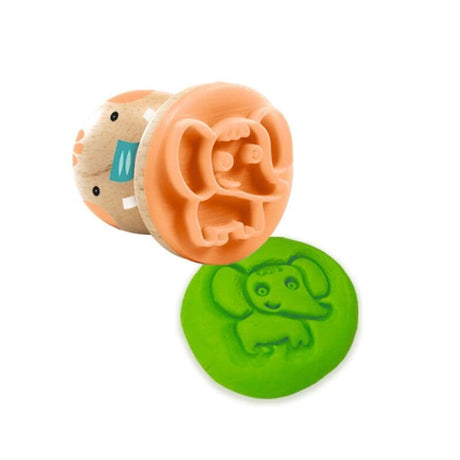
Click & Collect or 24hr Dispatch*

Extend The Life Of Dough Play

Play Dough Stamps For Kids

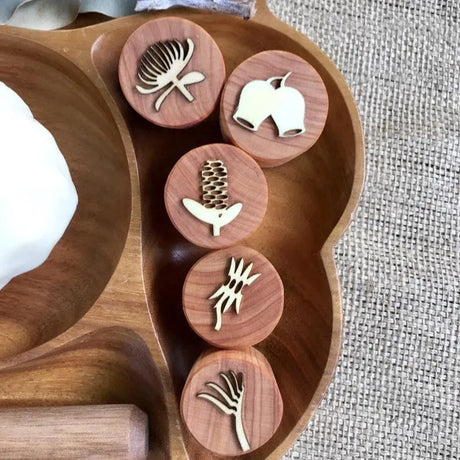
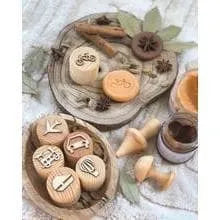
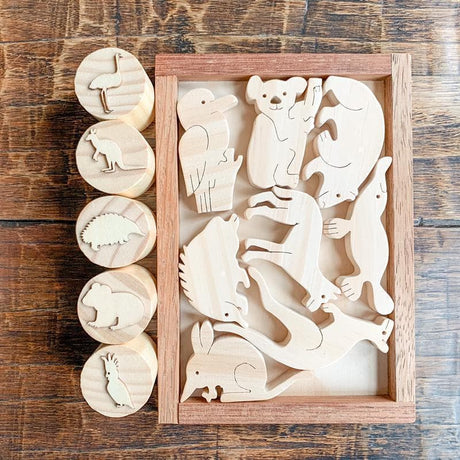
Play dough stamps transform a familiar activity into something new. By adding patterns, textures, shapes and creative possibilities, stamps encourage children to experiment, explore and revisit play dough in different ways every time they sit down to play. For families who already love dough play, stamps are often the easiest way to keep the experience feeling fresh and engaging.


Why Children Love Play Dough Stamps

Children are naturally drawn to activities that provide immediate feedback. Every time a stamp is pressed into dough, a pattern, texture or image appears instantly. This simple cause-and-effect experience helps explain why stamping activities remain engaging long after many novelty toys lose their appeal.

For some children, stamps become part of imaginative storytelling. For others, they become a way to create repeating patterns, experiment with textures or simply enjoy the satisfying process of pressing and revealing designs. The best play dough stamps encourage exploration without requiring instructions, allowing children to create at their own pace while continually discovering new possibilities.

Play Dough Stamps For Toddlers Creative Dough Play Ideas Reusable Play Dough Activities Screen-Free Play
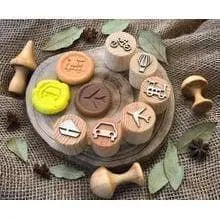
Creates Instant Results


Children can immediately see the impact of their actions. This instant feedback helps maintain interest and encourages experimentation as they test different stamps, pressures and patterns.

Refreshes Existing Play Dough


Many families already own play dough. Stamps introduce new ways to play without needing to replace the activity entirely, helping children rediscover an old favourite through new experiences.

Encourages Repeat Exploration


The same stamp can be used in countless ways. Children often return to stamping activities because each play session produces different patterns, scenes and creations depending on their ideas and imagination.

Play Dough Stamps For Children Who Get Bored With The Same Activities


Some children love play dough initially but gradually lose interest when every play session starts to feel the same. Play dough stamps introduce new possibilities without changing the activity itself. Different patterns, textures and designs encourage children to approach dough play differently, often helping extend engagement for children who need novelty while still enjoying familiar routines.

How Play Dough Stamps Support Independent Creative Play


Play dough stamps are easy for children to use without constant adult assistance. The simple action of pressing, revealing and experimenting allows children to create independently while exploring different combinations and ideas. This makes stamps particularly useful for children who enjoy hands-on activities but prefer directing their own play rather than following instructions.

Choosing The Right Play Dough Stamps

Which Play Dough Stamps Are Right For Your Child?

Most children enjoy stamping dough, but the right choice depends on how they naturally play. Some children love creating scenes and stories, while others are fascinated by textures, patterns and repetition.

Choose Picture & Theme Stamps If...

Your child enjoys imaginative play
They like animals, nature or themed activities
They create stories while playing
They enjoy recognising shapes and images
They prefer creative play with no fixed outcome

Choose Pattern & Texture Stamps If...

Your child enjoys repetitive play
They love pressing, rolling and exploring textures
They become absorbed in sensory activities
They enjoy experimenting with different impressions
They like seeing immediate results from their actions
The best play dough stamps aren't necessarily the most complicated. They're the ones that match how your child naturally approaches play, allowing them to stay engaged, curious and creative for longer.

Why Families Continue Choosing Play Dough Stamps

Easy for children to use independently without complicated instructions

Durable, reusable play accessories that can be enjoyed again and again
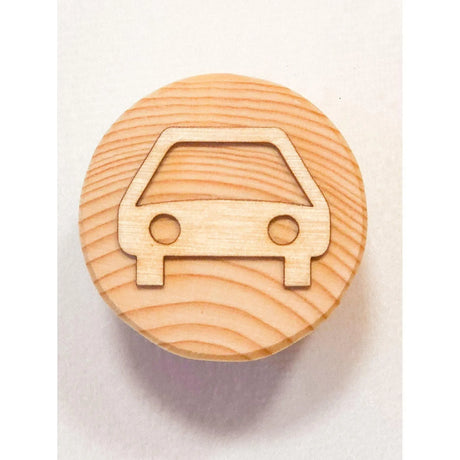
Helps extend the life of play dough activities children already love

Why Some Children Become Completely Absorbed In Stamping Activities

Many children are naturally drawn to activities that combine movement with visible results. Every press of a play dough stamp creates an immediate change that children can see and feel. This creates a simple but powerful feedback loop that encourages repetition, experimentation and curiosity.
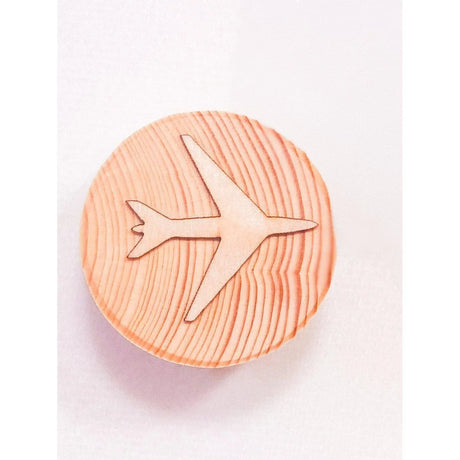
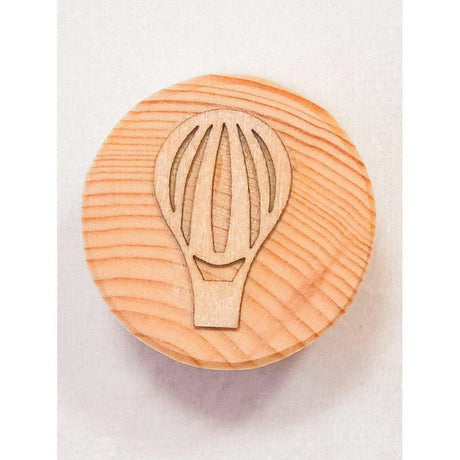
Some children spend long periods testing different pressures, angles and combinations to see how the impressions change. Others use stamps as part of imaginative worlds, creating animal habitats, roads, pretend food or story scenes. Because the activity offers both structure and freedom, it appeals to a wide range of play styles while remaining easy for children to direct independently.

When Play Dough Stamps May Not Be The Best Fit


Play dough stamps are designed for children who already enjoy dough play and are looking for new ways to explore it. If your child rarely engages with play dough or prefers construction toys, active play or highly structured projects, stamps may not hold their interest in the same way. Likewise, families looking for a complete sensory activity may find a play dough set or themed dough kit provides a better starting point before introducing additional accessories.

Small Accessories, Endless Creative Possibilities
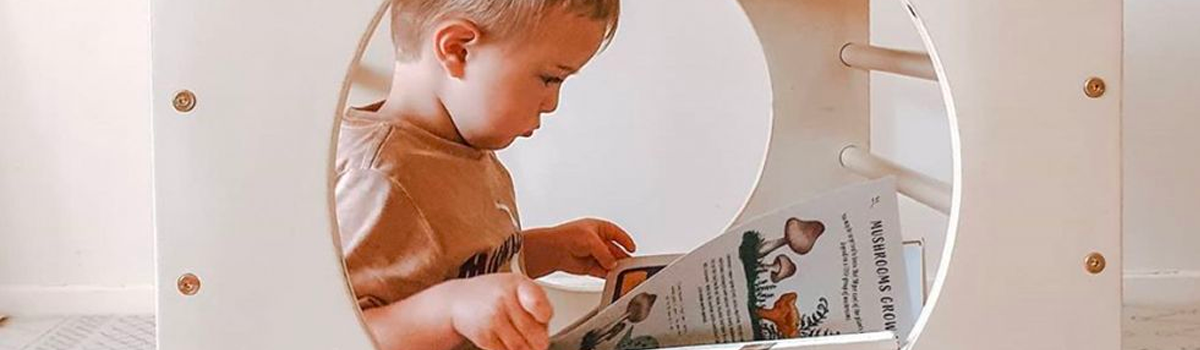
The best play dough accessories don't replace play. They expand it. Play dough stamps introduce new patterns, textures and ideas while allowing children to continue enjoying a familiar activity in fresh ways. Whether creating stories, experimenting with impressions or simply enjoying the satisfying process of pressing and revealing designs, stamps often become one of the most frequently used additions to a dough play collection.

For families looking to refresh an activity that already works, play dough stamps provide a simple way to encourage longer engagement, greater creativity and more opportunities for independent exploration.

Frequently asked questions
Are play dough stamps worth buying if we already have plenty of play dough at home?

For many families, stamps are one of the most cost-effective ways to refresh an activity children already enjoy. Instead of purchasing entirely new toys, stamps introduce new possibilities to a familiar play experience.

Children often return to existing play dough with renewed enthusiasm because the activity suddenly feels different. New impressions, textures and creative prompts encourage experimentation and discovery. If your child already enjoys dough play but tends to repeat the same actions or creations, stamps can provide fresh inspiration while building on an activity they already know and love.

How do play dough stamps encourage imaginative play?

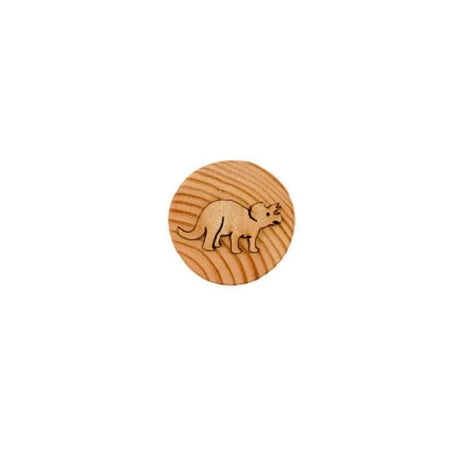
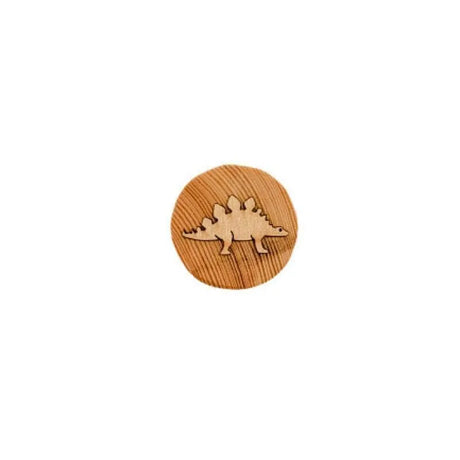
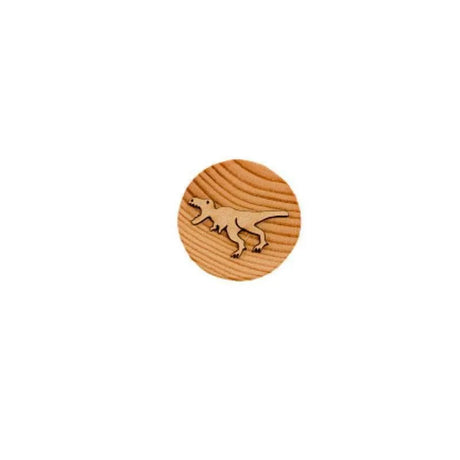
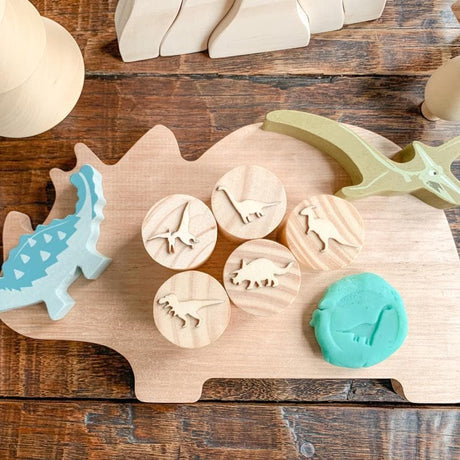
While stamps may appear simple, children rarely use them in isolation. A stamped footprint might become part of a dinosaur world. A textured pattern could become a road, river or treasure map. The images created through stamping often act as prompts that inspire larger stories and creative scenarios.

Many children naturally combine stamps with pretend play, using the impressions as building blocks for imaginative worlds. This ability to spark ideas is one reason stamps continue holding value long after children have become familiar with the designs themselves. The stamp remains the same, but the stories and creations built around it continue evolving.

Are play dough stamps a good screen-free activity for preschoolers?

Play dough stamps can be an excellent screen-free activity because they combine creativity, sensory exploration and independent play. Unlike many passive activities, stamping encourages children to actively manipulate materials, make decisions and experiment with different outcomes.

Preschoolers are often particularly drawn to activities that allow them to see the immediate impact of their actions. Each stamp creates a visible result, helping children remain engaged without needing external entertainment or constant direction. For families looking to reduce screen time, play dough stamps offer an activity that feels rewarding, hands-on and easy to revisit whenever children need a creative outlet.

Why do play dough stamps often hold children's attention longer than other dough accessories?

Many play dough accessories require children to perform a series of steps before seeing a result. Stamps provide immediate success. Pressing the stamp instantly reveals a pattern or image, creating a satisfying reward that encourages children to continue experimenting.

The simplicity of the action is part of the appeal. Children don't need to master complicated techniques or follow instructions. They can focus entirely on exploration. This ease of use often helps children enter a state of deep concentration where they become absorbed in creating, arranging and repeating patterns. The result is an activity that feels relaxing while still providing enough variety to remain engaging.

What should parents look for when choosing high-quality play dough stamps?

The best play dough stamps are easy for small hands to hold, create clear impressions and withstand repeated use over time. Children can become frustrated when stamps are difficult to grip or fail to leave visible designs in the dough.

It's also worth considering how versatile the stamps are. Some designs encourage a wider variety of play scenarios and creative outcomes than others. High-quality stamps tend to remain useful across multiple stages because children continue finding new ways to incorporate them into their play. The goal isn't simply creating a picture in dough. It's creating opportunities for exploration, experimentation and imaginative thinking that children will want to revisit again and again.

Can play dough stamps help children who lose interest in open-ended play?

Some children thrive when given complete freedom, while others prefer activities that provide a starting point. Play dough stamps sit in a useful middle ground. They offer enough structure to spark ideas without dictating exactly what a child should create.

For children who stare at play dough and say, "I don't know what to make," stamps can act as inspiration. A single impression can become the beginning of a story, a pretend world or a creative challenge. Rather than replacing imagination, stamps often help unlock it. Many parents find that children who previously abandoned play dough after a few minutes remain engaged for much longer when new patterns, textures and images are introduced into the experience.

Why do some children repeatedly stamp the same design over and over again?

To adults, repeating the same action may appear repetitive. To children, repetition is often a form of learning and exploration. Children use repeated stamping to test ideas, observe differences and gain mastery over a skill.

A child may stamp the same image dozens of times while experimenting with pressure, spacing, patterns or arrangements. Others simply enjoy the predictability of seeing a familiar design appear each time. This repetition helps build confidence and allows children to fully explore the possibilities of the activity at their own pace.

Are play dough stamps suitable for toddlers?

Play dough stamps can work well for toddlers who already enjoy squeezing, pressing and manipulating dough with their hands. The simple action of pushing a stamp into soft dough is often intuitive, making it accessible even for younger children who may not yet be interested in more detailed creative projects.

Many toddlers enjoy the sensory experience of pressing and revealing patterns long before they understand the images themselves. As they grow, the same stamps often take on new meaning and become part of imaginative play, storytelling and more complex creations. This ability to remain relevant across multiple stages is one reason stamps are frequently used for years rather than months.

How do play dough stamps make play dough more interesting for children?

Many children eventually fall into the same routines with play dough. They roll it into balls, flatten it into pancakes and repeat the same familiar actions. Play dough stamps introduce new possibilities without requiring children to learn an entirely new activity.

Instead of simply reshaping dough, children begin creating patterns, scenes, textures and imaginative worlds. The stamps act as prompts that encourage different ideas to emerge naturally during play. For families whose children already enjoy dough play, stamps are often one of the easiest ways to extend engagement and help children see familiar materials in a completely different way.

Why do children enjoy play dough stamps so much?

Children are naturally attracted to activities that create immediate and predictable results. Play dough stamps provide exactly that experience. Every time a child presses a stamp into dough, something new appears instantly. This sense of cause and effect feels rewarding because children can clearly see the relationship between their actions and the outcome.

Unlike activities that require patience before results become visible, stamping delivers immediate feedback. Many children repeat the process over and over, not because they are bored, but because they are experimenting. They test different pressures, angles and combinations while exploring how the impressions change. This combination of repetition, discovery and control helps explain why stamping activities often remain engaging long after the novelty of other accessories has faded.