Click & Collect or 24hr Dispatch*

15% Off Sitewide & Clearance*

EOFY15
Hands-On Creative Play

Play Dough, Play-Doh & Modelling Dough For Kids


Play dough remains one of the most loved creative activities for toddlers and preschoolers because it combines imagination, sensory exploration and hands-on play in a way that feels naturally engaging. Whether your child enjoys rolling, squashing, shaping or creating entire imaginary worlds, the right play dough can provide calm, screen-free entertainment that children return to again and again.


Why Play Dough Continues To Hold Children's Attention

Many toys rely on instructions, rules or a single correct outcome. Play dough works differently. Children can squeeze it, roll it, flatten it, shape it and reinvent it every time they sit down to play. This flexibility allows play dough to grow with the child, supporting everything from simple sensory exploration through to imaginative storytelling and detailed creative projects.

Parents often return to play dough because it adapts to different moods and stages. Some days it becomes a quiet independent activity. Other days it becomes a shared family project filled with creativity and conversation. The best play dough isn't the one with the most pieces. It's the one your child continues reaching for long after the novelty of other toys has disappeared.

Play Dough For Toddlers Modelling Dough Sets Independent Play Activities Screen-Free Creative Play

How To Choose Play Dough For Toddlers And Preschoolers

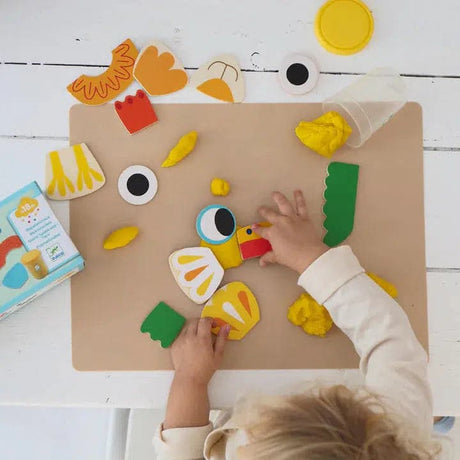
Choosing play dough for toddlers is often less about age and more about how children like to play. Some children enjoy squeezing, poking and rolling dough simply for the sensory experience, while others quickly move into creating animals, pretend food, roads and imaginative scenes. Younger children often benefit from softer dough that is easy to manipulate, while older preschoolers may enjoy larger play dough sets that encourage more detailed creations. The best play dough for toddlers is usually the one that matches their natural curiosity and keeps them returning to play independently.

Why Play Dough Is One Of The Best Quiet Time Activities For Kids


Many parents searching for quiet time activities want something that feels calming without relying on screens. Play dough naturally encourages children to slow down, focus on their hands and become absorbed in the process of creating. Rolling, shaping and moulding dough provides gentle sensory feedback while allowing children to work at their own pace. This is one reason play dough remains a popular choice for rainy days, independent play sessions and afternoons when children need a calmer activity after busy mornings.

Choosing The Right Play Dough

Which Play Dough Is Right For Your Child?

Most children already love the experience of rolling, squeezing and shaping dough. The decision usually comes down to whether you're introducing dough play for the first time, replacing well-loved favourites or looking for a larger set that encourages longer creative sessions.

Choose Individual Dough Or Multipacks If...

  • Your child already has favourite dough tools and accessories You're replacing dough that has dried out over time You want a simple, affordable starting point Your child enjoys open-ended creative play You prefer activities that can be used repeatedly in different ways

Choose Dough Sets If...

  • Your child is new to dough play You want everything included in one activity Your child enjoys guided creative projects You're buying a gift You want a longer play experience with more inspiration built in
There is no single "best" play dough option. The right choice is the one that matches how your child naturally likes to play. Some children thrive with a simple tub of dough and their imagination, while others enjoy the added inspiration of themed sets and creative prompts.

pen-ended play that adapts to different ages, interests and stages

Encourages independent play without requiring screens or complicated setup

A versatile activity that can be revisited in countless ways over time

When Play Dough May Not Be The Best Fit

Unlike activities that rely on completing a single project, play dough offers endless possibilities. A child may spend one day making pretend cupcakes, the next day building a dinosaur world and the following day simply enjoying the sensory experience of squeezing and rolling. This flexibility is one reason play dough often remains relevant long after many toys lose their appeal.

When choosing play dough, consider how your child approaches play rather than focusing solely on age recommendations. Children who enjoy imaginative play often use dough as a storytelling tool, while children who seek sensory experiences may spend long periods exploring texture, pressure and movement. Understanding how your child plays helps you choose products that genuinely fit their interests rather than simply following trends.

When Play Dough May Not Be The Best Fit


Play dough is ideal for children who enjoy hands-on exploration, imaginative play and creating with their hands. However, children who prefer fast-paced activities, building challenges or highly structured projects may engage more deeply with construction toys, craft kits or STEM activities. If your child rarely enjoys sensory play or becomes frustrated by open-ended activities, another type of creative activity may be a better starting point.

Simple Play That Continues To Grow With Your Child
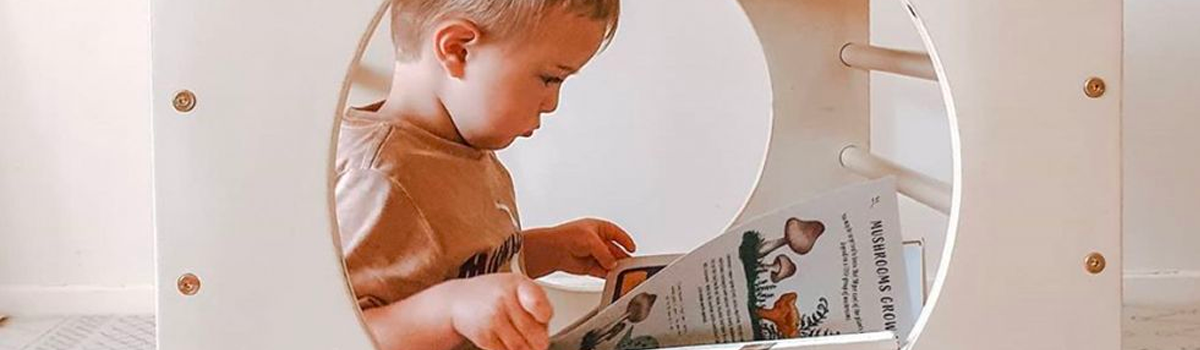
Some activities capture a child's attention for a few days before being forgotten. Play dough is different. Its appeal comes from its flexibility, allowing children to shape, create, imagine and explore in ways that change as they grow. From first sensory experiences through to detailed imaginative creations, play dough provides a hands-on activity that feels fresh every time it is used.

Whether you're introducing dough play for the first time or expanding an already well-loved collection, the right play dough can become one of the most frequently used creative activities in your home.

Frequently asked questions
Why do children often use play dough differently at age 2, age 3 and age 4?

Play dough evolves alongside the child. Two-year-olds are often focused on the sensory experience itself. They enjoy squeezing, poking, flattening and exploring how the dough responds to their movements.

By age three, many children begin using play dough as part of pretend play. Food, animals, roads and simple characters start appearing. The dough becomes a tool for imagination rather than purely sensory exploration.

By age four and beyond, children frequently create more detailed scenes, tell stories through their creations and combine dough with other toys. Understanding these natural shifts helps parents choose play dough products that remain engaging as interests and abilities develop.

Are play dough sets worth buying if we already have play dough at home?

Are play dough sets worth buying if we already have play dough at home?

What makes some children deeply focused during play dough activities?

Play dough sits in a unique space between creativity, sensory play and problem-solving. Children receive constant feedback through their hands, which helps maintain engagement without requiring high levels of concentration or instruction.

Many children find the repetitive actions of rolling, pressing, cutting and shaping naturally satisfying. Unlike activities that demand a finished result, play dough allows children to focus on the process itself. This combination of freedom and sensory feedback often explains why children who struggle to sit still during other activities can remain surprisingly engaged when using play dough.

What is the best play dough for toddlers who still mouth toys and sensory materials?

This is one of the most common concerns for parents introducing dough play to younger children. Toddlers often explore through taste long before they fully understand that not everything belongs in their mouth. When choosing play dough for toddlers, focus on products designed specifically for young children and always follow the recommended age guidance. Adult supervision remains important, particularly during the early stages of dough play. Parents should also consider the softness of the dough, the size of any included accessories and whether the child is developmentally ready to engage safely with sensory materials. For many families, introducing simple dough play with minimal distractions creates the safest and most successful first experience. As confidence grows, additional dough colours, sets and accessories can be introduced gradually.

Is play dough a good screen-free activity for children who struggle with independent play?

Many screen-free activities still require regular adult involvement. Play dough is different because the material itself creates opportunities for exploration without needing constant instructions. Children can roll, squash, stretch, press and shape it in ways that naturally generate ideas and keep their hands occupied.

For children who struggle with independent play, the biggest advantage is often flexibility. There is no right answer and no fixed outcome. A child might begin by making simple shapes and gradually move into creating animals, roads, pretend food or entire imaginative worlds. This freedom allows children to take ownership of the activity rather than waiting for direction from an adult. Many parents find play dough becomes one of the easiest activities to introduce when encouraging longer periods of independent play at home.

Why does play dough remain popular across so many age groups?

Many toys become less relevant as children's skills improve. Play dough evolves alongside the child. A toddler may focus on squeezing and squashing. A preschooler may create animals and pretend food. An older child may design detailed scenes, characters and imaginative worlds.

The activity remains familiar, but the complexity grows naturally over time. This ability to adapt to changing interests and abilities is one reason play dough continues to appear in homes, early learning environments and playrooms year after year. Few creative activities offer the same combination of accessibility, flexibility and long-term replay value.

Why is play dough often recommended for rainy days and quiet afternoons?

Play dough creates a rare combination of flexibility and focus. Children can be highly active with their hands while remaining relatively calm and settled. This makes it particularly valuable during times when outdoor play isn't possible or when families need an activity that feels engaging without creating excessive noise or chaos.

Because there is no fixed objective, children can continue playing for as long as their interest lasts. Some may spend ten minutes creating shapes, while others become deeply absorbed for much longer periods. This adaptability makes play dough one of the most reliable screen-free activities for home use.

Are play dough sets better than individual tubs of dough?

Neither is inherently better. They simply suit different stages and play styles.

Individual tubs of dough work well for children who already know how they like to play and are comfortable creating their own activities. Sets can be helpful for children who enjoy additional inspiration, themed play experiences or a more guided starting point. Many families eventually use both, keeping individual dough for everyday play while introducing sets when children are looking for something new or more immersive.

What should parents look for in a high-quality play dough set?

The best play dough sets do more than provide dough. They create opportunities for longer engagement and richer play experiences. Consider how the set encourages creativity, whether it supports independent use and whether it matches the child's current interests.

Children are more likely to revisit play dough when it feels easy to access and enjoyable to use. Quality dough should be pleasant to manipulate, hold up well during repeated play and encourage exploration without becoming frustrating. The most successful sets are often those that inspire ideas while still leaving plenty of room for the child's imagination.

Why do imaginative children often return to play dough again and again?

Unlike many toys that perform a specific function, play dough becomes whatever the child imagines. Today it might be a bakery. Tomorrow it might be a dinosaur world. Next week it could become a construction site, zoo or pretend restaurant.

This flexibility allows imaginative children to revisit the same material while creating completely different experiences each time. The dough itself remains unchanged, but the stories, characters and worlds built around it continue evolving. This is one reason play dough often remains relevant long after many novelty toys have been forgotten.

Can play dough help children who constantly need to keep their hands busy?

Some children naturally seek movement, touch and hands-on experiences throughout the day. These children often gravitate towards activities that involve squeezing, pulling, rolling, pressing and manipulating materials. Play dough provides all of these experiences in a safe, contained and creative way.

Rather than trying to stop children from touching everything, play dough channels that need into purposeful play. Many parents find it particularly useful for children who struggle to sit through passive activities but are happy to spend long periods engaged in sensory exploration and hands-on creativity.

What makes play dough one of the most popular independent play activities for toddlers?

Independent play works best when children feel capable of directing the activity themselves. Play dough naturally encourages this because there are very few rules. Children can start immediately, change direction whenever they want and continue exploring without waiting for instructions.

Many parents notice that once children become familiar with dough play, they begin creating their own games, stories and challenges. This ability to generate play independently is one reason play dough remains a popular choice for quiet mornings, rainy afternoons and moments when parents need children to stay engaged without constant supervision.

Is there a difference between Play-Doh and modelling dough?

Both offer similar opportunities for creative play, but parents often notice differences in texture, firmness, colours and how the dough behaves during play. Some children prefer softer dough that is easy to squash and shape, while others enjoy firmer modelling dough that holds detailed creations more effectively.

The best option often depends on how the child likes to play. Children focused on sensory exploration may prefer softer dough, while children creating detailed figures, animals or scenes may enjoy dough that maintains its shape more easily. Many families eventually use both depending on the activity and the child's preferences.

Why do some children spend much longer with play dough than other creative activities?

Play dough provides something many creative activities don't: immediate interaction without pressure. There is no right answer, no finished example to copy and no expectation that the final result needs to look a certain way.

Children can begin playing instantly. One child may spend thirty minutes rolling pretend food. Another may create animals, roads or entire imaginary worlds. Because the material responds directly to every movement, children remain actively involved throughout the experience. This constant feedback loop helps explain why many children return to play dough repeatedly, even when other creative activities lose their appeal after a few uses.

How can parents tell if their child is ready for play dough?

Many parents assume play dough is primarily for preschoolers, but readiness often has more to do with curiosity than age. Children who enjoy squeezing food, exploring textures, stacking objects, filling containers or manipulating everyday items are often showing the same behaviours that make play dough appealing.

For younger toddlers, play dough is rarely about creating recognisable objects. Instead, it becomes an opportunity to press, poke, flatten and explore. As children grow, the same dough begins supporting imaginative play, storytelling and increasingly detailed creations. Rather than asking whether a child can "make something", a better question is whether they enjoy using their hands to explore and experiment. If the answer is yes, play dough often becomes a natural extension of that curiosity.