Click & Collect or 24hr Dispatch*

15% Off Sitewide & Clearance*

EOFY15
More Ways To Create With Play Dough

Play Dough Tools For Kids


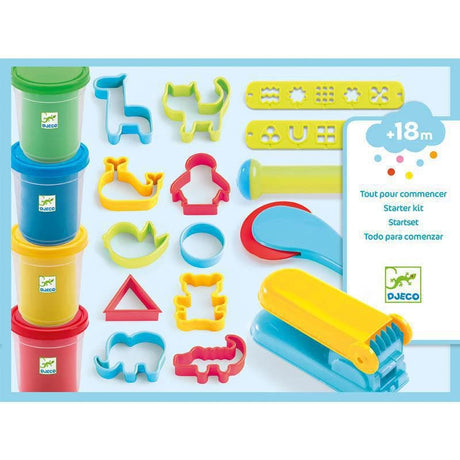
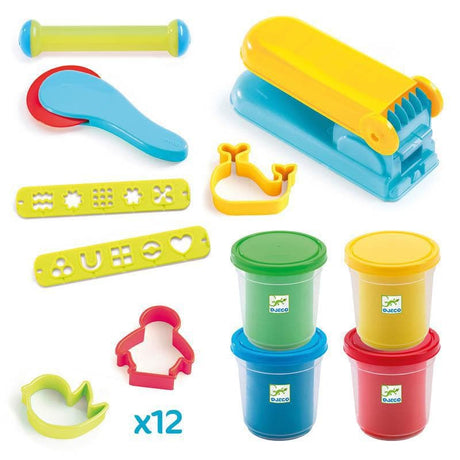
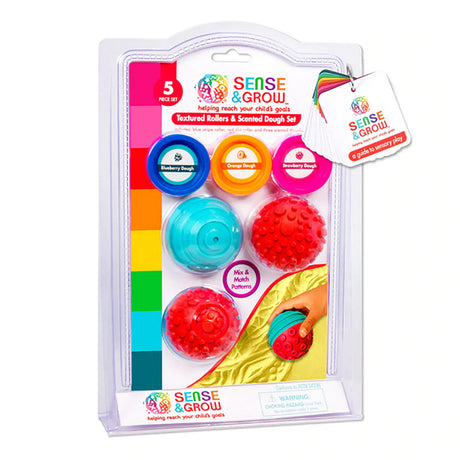
Play dough tools open up new possibilities for children who already enjoy dough play. From rolling and cutting to shaping, pressing and moulding, the right tools help children explore familiar materials in new ways while encouraging longer, more creative play sessions. Whether your child enjoys making pretend food, building imaginative worlds or experimenting with shapes and textures, play dough tools help transform simple dough play into something much more engaging.


Why Children Love Using Play Dough Tools

Many children start their dough play journey by squeezing, rolling and flattening dough with their hands. Over time, however, they naturally become curious about what else they can create. Play dough tools provide new ways to explore, helping children cut shapes, create patterns, press textures and build more detailed creations without changing an activity they already enjoy.

For parents, play dough tools often solve a common problem. Children love play dough but eventually begin repeating the same actions every time it comes out. Introducing rollers, cutters and shaping tools can completely change how children interact with dough, encouraging fresh ideas and helping familiar activities feel exciting again. The best play dough tools don't direct play. They simply provide more ways for children to experiment, create and imagine.

Play Dough Tools For Toddlers Dough Play Accessories Creative Play Ideas Reusable Play Activities

Turns Simple Dough Play Into Creative Exploration

Tools introduce new actions such as cutting, rolling, pressing and shaping. These simple additions often inspire entirely new ideas and creations while keeping the activity familiar and approachable.

Keeps Children Engaged For Longer

Many children naturally stay engaged longer when they have more ways to interact with materials. Play dough tools create variety, helping children experiment and discover new possibilities each time they play.

Grows With Different Play Styles

Some children enjoy creating pretend food, others build imaginative worlds and some simply love exploring textures and patterns. Play dough tools support a wide range of play styles without limiting creativity or imposing a single outcome.

Best Play Dough Accessories For Children Who Get Bored Easily


Children who enjoy novelty often lose interest when activities become predictable. Play dough accessories such as rollers, cutters and shaping tools introduce new actions and creative possibilities without requiring an entirely new activity. For families looking for ways to make play dough more engaging, the right tools can help transform familiar routines into fresh play experiences that children are excited to revisit.

How To Use Dough Play Accessories For More Independent Creative Play


Many parents search for ways to encourage independent play without relying on screens. Dough play accessories can help by giving children multiple ways to experiment, create and problem-solve on their own. As children learn to roll, cut, press and shape independently, they often become more confident directing their own play and generating ideas without needing constant guidance from an adult.

Choosing The Right Play Dough Tools

Which Play Dough Tools Are Right For Your Child?

Not all play dough tools create the same experience. Some encourage children to experiment with movement and texture, while others focus on creating shapes, scenes and detailed creations. Understanding how your child naturally plays can make choosing the right tools much easier.

Choose Rolling & Pressing Tools If...

  • Your child enjoys sensory play and repetition They love experimenting with texture and patterns They spend long periods rolling and flattening dough They enjoy open-ended exploration without a specific goal They prefer process-focused play over finished creations

Choose Cutting & Shaping Tools If...

  • Your child likes creating recognisable objects They enjoy pretend food, animals or imaginative scenes They prefer activities with visible outcomes They love creating collections of shapes and designs They enjoy building stories through their creations
Many families eventually use a combination of both. Rolling and pressing tools encourage exploration, while cutting and shaping tools often support more detailed imaginative play. The best choice depends on how your child naturally interacts with play dough today.

Why Families Choose Quality Play Dough Tools

Designed for repeated use across years of creative play

Easy for small hands to hold, manipulate and explore independently

Encourages fresh play experiences without replacing activities children already enjoy

Why Play Dough Tools Often Create Longer Play Sessions

Children are naturally curious about what materials can do. The more possibilities available, the more opportunities they have to experiment. Play dough tools expand the number of actions available during play, helping children move beyond squeezing and flattening into rolling, cutting, shaping, moulding and creating.

This variety often extends engagement because children continue discovering new outcomes. A roller creates texture. A cutter creates shapes. A mould creates objects. Each tool introduces a different creative pathway while still building on an activity children already know and enjoy. Rather than replacing play dough, tools help unlock more of its potential and encourage children to revisit the activity in different ways over time.

When Play Dough Tools May Not Be The Best Fit

Play dough tools work best for children who already enjoy dough play and are looking for more ways to interact with it. If your child rarely chooses play dough or prefers highly active physical play, construction toys or screen-based entertainment, introducing additional tools may not significantly increase engagement.

Families new to dough play may find that starting with play dough itself creates a stronger foundation before introducing accessories. Likewise, children who are specifically interested in creating patterns and impressions may benefit more from dedicated play dough stamps rather than broader tool sets. Choosing tools makes the most sense when a child already enjoys play dough and is ready for additional creative possibilities.

More Ways To Roll, Shape, Cut And Create
Play dough remains one of the most versatile creative activities available to young children. The right tools simply expand what is possible. By introducing new actions, techniques and creative opportunities, play dough tools help children stay engaged, experiment more confidently and continue finding new ways to enjoy an activity they already love.

Whether your child enjoys exploring textures, creating imaginative scenes or building detailed creations from dough, quality tools provide the freedom to play, experiment and create without limits. For many families, they become some of the most frequently used additions to their creative play collection.

Frequently asked questions
How do play dough tools encourage imaginative play rather than simply creating shapes?

While adults often focus on the finished result, children usually focus on the story behind what they are making. A cutter may become part of a bakery. A roller may create roads for toy vehicles. A moulding tool may help build an entire imaginary world.

The tools themselves rarely drive the play. Instead, they provide building blocks that help children bring their ideas to life. This is one reason play dough tools remain valuable long after children learn how they work. The actions stay the same, but the stories, scenarios and creations built around them continue changing. For imaginative children, tools often become part of a much larger play experience rather than simply a way to shape dough.

Are play dough tools worth buying if my child already enjoys play dough without them?

For many families, play dough tools are not about fixing something that isn't working. They are about expanding possibilities. Children who already love play dough often become even more engaged when new actions and creative opportunities are introduced.

Tools can transform familiar play into something that feels fresh again. A child who previously rolled simple balls of dough may begin creating pretend meals, animals, roads, gardens or imaginative worlds. Because the activity itself remains familiar, the transition feels natural rather than overwhelming. This is why many parents see tools as a way to extend the lifespan of a favourite activity rather than replace it.

What makes a high-quality play dough tool set different from cheaper alternatives?

The best play dough tool sets are designed for repeated use by small hands. They feel comfortable to hold, create consistent results and withstand the pressure that comes with enthusiastic play. Poorly designed tools often break easily, produce unclear results or become frustrating for children to use independently.

Quality tools also tend to be more versatile. Rather than encouraging a single activity, they can be used across a wide range of creative projects, imaginative play scenarios and dough play experiences. This flexibility often provides greater long-term value because children continue finding new ways to use the same tools as their interests evolve.

Can play dough tools help children who become frustrated when their creations don't look right?

Many young children have big ideas but limited ability to bring them to life. This gap between imagination and skill can sometimes lead to frustration. Play dough tools help bridge that gap by making it easier to create recognisable shapes, textures and objects.

A child who struggles to shape an animal by hand may feel more successful using cutters, rollers or moulding tools. These early successes often encourage children to keep experimenting rather than giving up. Over time, tools can build confidence because children experience the satisfaction of turning an idea into something tangible, even while their skills are still developing.

Why do some children prefer rolling and cutting play dough rather than simply using their hands?

As children become more familiar with play dough, they often begin looking for greater control over their creations. While hands are excellent for squeezing, flattening and shaping, tools introduce new possibilities that would otherwise be difficult to achieve.

Rolling tools create consistent textures and patterns. Cutters produce repeatable shapes. Moulding tools allow children to build more detailed objects and scenes. For many children, the appeal comes from being able to turn an idea into something visible more easily. The tools don't replace imagination. They simply give children more ways to express it through play.

Which play dough tools are best for toddlers who are new to creative play?

Children who are new to creative play often benefit from tools that produce clear results with minimal effort. Rollers, simple cutters and easy-to-grip shaping tools tend to be more successful than complex sets with many moving parts. The goal is not to create perfect shapes. It is to help children understand that their actions can change, transform and shape the dough in different ways.

Many toddlers enjoy repeating the same actions over and over again while they build confidence. A simple roller that creates patterns or a cutter that produces recognisable shapes can be enough to keep children engaged while encouraging experimentation. Starting with a few versatile tools often creates a better experience than overwhelming children with too many choices at once.

Are play dough tools a good screen-free activity for children who struggle with independent play?

Yes, particularly for children who enjoy hands-on activities but need ideas to keep play interesting. Tools create opportunities for experimentation without requiring constant adult direction. Children can test different techniques, create new objects and explore their own ideas at their own pace.

The combination of immediate feedback and creative freedom often encourages children to remain engaged independently. Because there is no single correct outcome, children can continue exploring for as long as their curiosity lasts, making play dough tools a valuable option for families looking to encourage more self-directed play.

What is the difference between play dough tools and play dough stamps?

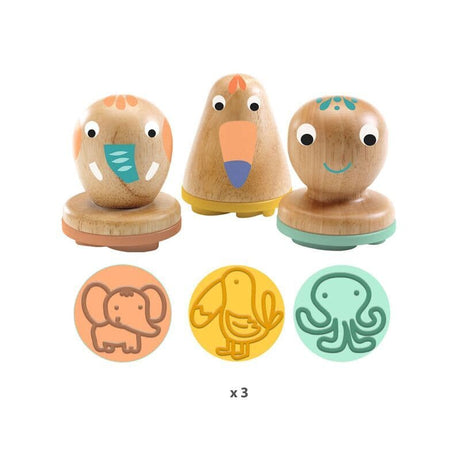
Although both are used with play dough, they encourage different types of play. Play dough stamps focus on creating impressions, patterns and images. The primary action is pressing.

Play dough tools are broader. They introduce actions such as rolling, cutting, shaping, moulding and creating structures. While stamps often appeal to children who enjoy repetition and patterns, tools tend to support a wider range of creative outcomes and imaginative play scenarios.

Many families eventually use both, but understanding the difference helps parents choose products that better match how their child prefers to play.

Why do some children spend much longer playing with play dough once tools are introduced?

The answer often comes down to variety. While dough alone offers many possibilities, tools dramatically increase the number of actions children can perform. Rolling, cutting, pressing, shaping and moulding all create different outcomes, encouraging children to experiment and stay engaged.

Many children enjoy the process of discovery. Each tool creates a new challenge and a new result. Instead of repeating the same actions, children begin testing ideas, solving small creative problems and exploring how different tools affect the dough. This ongoing experimentation helps explain why some children remain engaged for significantly longer once tools become part of the experience.

How can parents tell if their child is ready for play dough tools?

Many children begin enjoying play dough long before they are ready to use additional tools. A useful sign of readiness is when a child starts looking for new ways to interact with the dough rather than simply squeezing, rolling or flattening it. Children who attempt to cut dough with toy utensils, create shapes by hand or repeatedly ask for help making specific objects are often showing signs that they are ready for tools.

Play dough tools work best when children already understand the basic properties of dough and are curious about what else they can create. The transition often happens naturally. What starts as sensory exploration gradually becomes imaginative creation, and tools provide new ways to bring those ideas to life.