Click & Collect or 24hr Dispatch*

15% Off Sitewide & Clearance*

EOFY15
Colouring Markers & Creative Tools

Colouring Markers, Crayons & Pencils


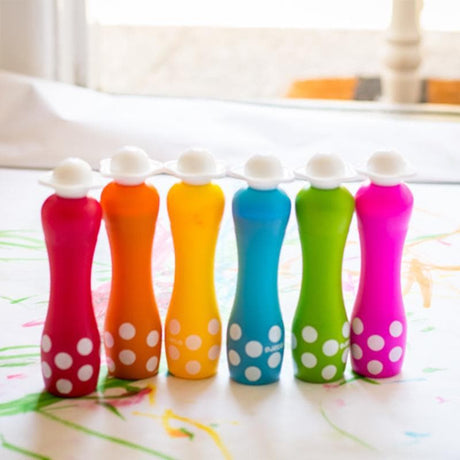
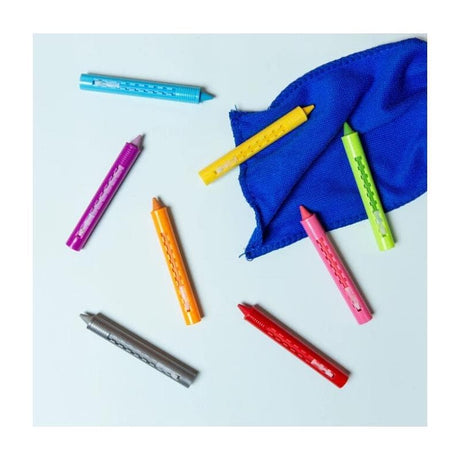
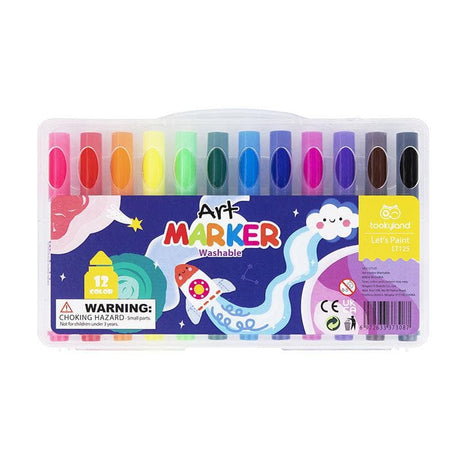
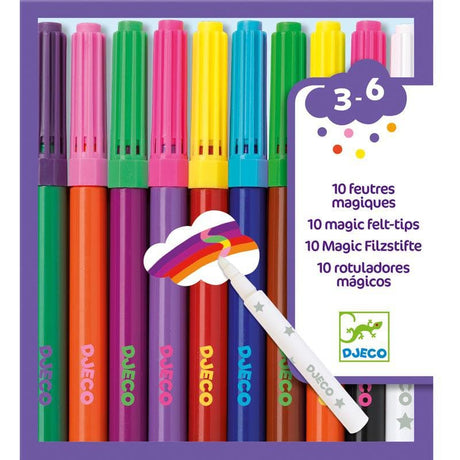
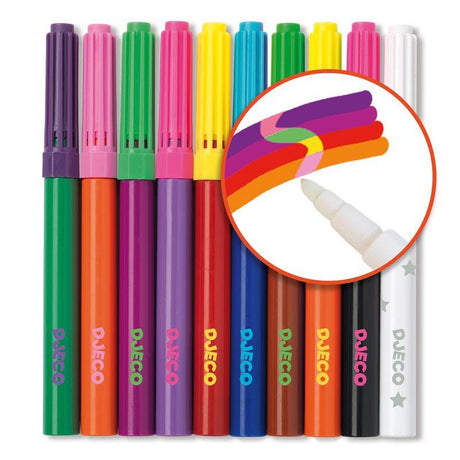
Discover colouring markers, crayons, textas and colouring pencils designed for creative little hands. Whether your child is making their first marks or filling pages with detailed artwork, the right drawing tools make creativity easier, more enjoyable and more rewarding.
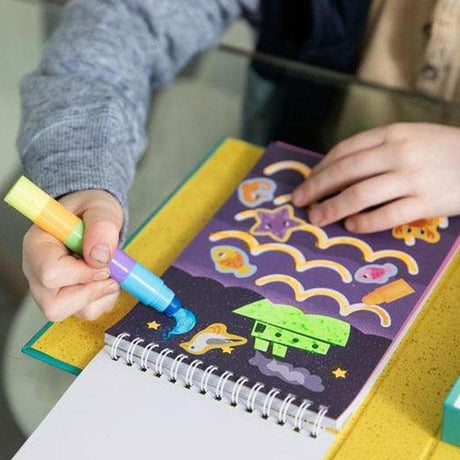

Best Colouring Markers For Younger Children

Choosing The Right Colouring Markers, Crayons And Pencils

Not all drawing tools suit every child. Some little ones prefer the bold colours and smooth flow of colouring markers, while others enjoy the control of colouring pencils or the simplicity of crayons. Choosing the right creative tools can make a significant difference to how often children engage with drawing, colouring and creative expression.

Many parents begin searching for colouring markers when they notice their child developing a stronger interest in drawing and creative activities. The challenge is often knowing where to start. Should you choose markers, crayons, pencils or a combination of all three? Which options are easiest for younger children? Which offer the best value as skills develop?

The best creative tools are the ones children reach for repeatedly. They encourage experimentation, support confidence and help transform blank pages into opportunities for imagination, storytelling and self-expression.

Easy For Small Hands Encourages Creativity Age-Appropriate Choices Used Again And Again

Supports Independent Creativity

When drawing tools are easy to use and accessible, children are more likely to create independently. Colouring markers, crayons and pencils provide immediate creative opportunities without complex setup or instructions

Grows With Your Child

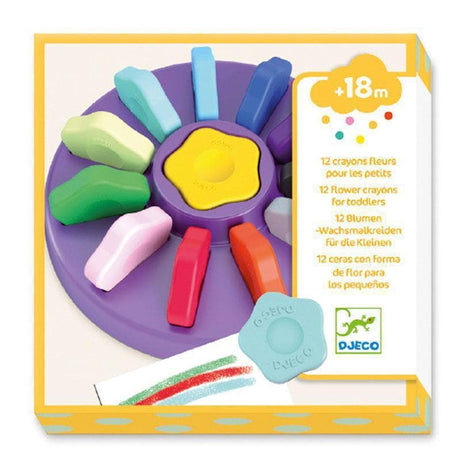
Creative tools evolve alongside children. A toddler may begin with chunky crayons, while older children often progress to colouring markers and pencils as their control, confidence and interests develop.

Encourages More Frequent Drawing


Children draw more often when the tools feel comfortable, enjoyable and rewarding to use. The right colouring tools reduce frustration and encourage longer periods of creative engagement.
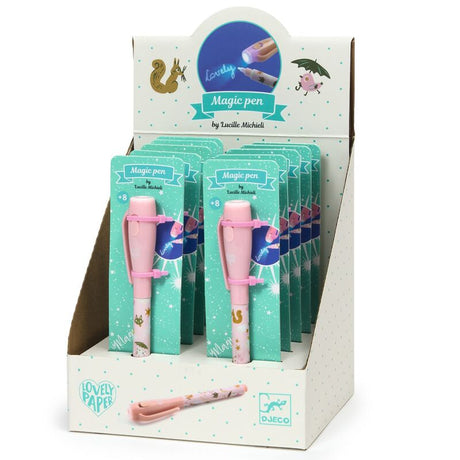
Find The Right Creative Tool

Markers, Crayons Or Colouring Pencils?

The best drawing tool depends on your child's age, confidence and preferred style of creativity. Some children enjoy bold colours and quick results, while others prefer greater control and detail.
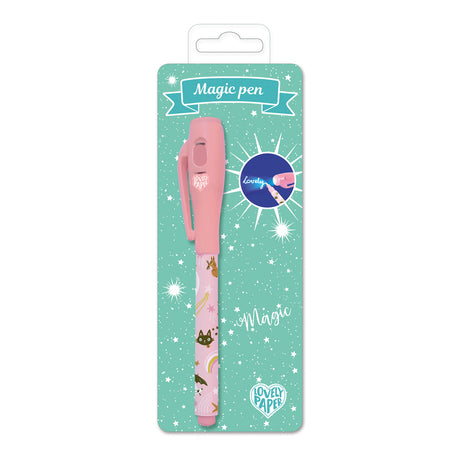
Choose Markers Or Textas If

  • Your child enjoys bright, vibrant colours They become frustrated when colours appear faint They like filling large spaces quickly They enjoy colouring books and creative drawing They want immediate visual results They regularly engage in art activities They prefer smooth colouring experiences

Choose Crayons Or Colouring Pencils If

  • Your child is developing pencil control They enjoy slower, more detailed colouring They are beginning to draw shapes and scenes You want options suited to younger children They enjoy experimenting with pressure and shading They prefer traditional drawing tools They spend long periods colouring
Many families discover that a combination of colouring markers, crayons and colouring pencils provides the greatest flexibility. Different creative tools support different stages, interests and artistic styles.

Why Parents Choose Quality Colouring Markers, Crayons & Pencils

Supports everyday artistic expression

Helps build confidence through creative exploration

Supports drawing, colouring and imaginative storytelling

Why Children Return To Colouring Activities Again And Again

Drawing and colouring are unique because they allow children to create something entirely their own. Unlike activities with fixed outcomes, colouring markers, crayons and pencils give children complete control over what they create. A blank page can become a story, a picture, a game or an imaginative world.

Many parents notice that children naturally return to drawing materials because every experience feels different. The same markers can be used to create hundreds of unique pictures, while colouring pencils and crayons encourage experimentation, storytelling and creative confidence. This open-ended nature is one reason drawing remains one of the most enduring creative activities throughout childhood.

Not Every Creative Tool Suits Every Child

Some children love colouring markers because they produce bold colours with minimal effort. Others prefer crayons because they feel easier to control. Older children may gravitate towards colouring pencils as their artwork becomes more detailed and intentional.

The goal is not to find the single best drawing tool. It is to find the tools your child genuinely enjoys using. When creative materials match a child's stage, interests and confidence level, drawing becomes more enjoyable and children are far more likely to engage independently and repeatedly.

Creative Tools That Grow With Your Child

From first scribbles to detailed artwork, colouring markers, crayons and colouring pencils remain some of the most valuable creative tools children can own. They encourage imagination, support self-expression and provide endless opportunities for drawing, colouring and creative exploration.

Whether your child loves bold colouring markers, easy-grip crayons or detailed colouring pencils, the right creative tools help transform simple drawing activities into meaningful creative experiences that children return to again and again.

Frequently asked questions
Should children use markers, crayons and colouring pencils together?

Absolutely. Many of the most enjoyable creative experiences come from using multiple drawing tools together. Each type of creative tool offers unique benefits, and combining them allows children to experiment with different styles, techniques and creative approaches. Rather than choosing a single option, many families find that variety encourages greater engagement and more imaginative play.

Colouring markers are often used for bold colours and large areas, crayons provide texture and easy colour application, while colouring pencils allow children to add detail and precision. Together, these tools create opportunities for children to explore a much wider range of creative possibilities than any one product can provide on its own.

Offering multiple creative tools also allows children to discover their preferences naturally. Some days they may reach for colouring markers, while on other occasions they may prefer crayons or pencils. This flexibility keeps creative activities fresh and engaging while supporting artistic confidence as children grow and develop their own unique style of expression.

Why do quality colouring markers and pencils make a difference?

Children are more likely to enjoy creative activities when the tools respond predictably and feel enjoyable to use. Quality colouring markers produce clear, vibrant colours, while good colouring pencils provide smooth colour application and reliable performance. These differences may seem small, but they can have a significant impact on a child's overall creative experience.

When drawing tools perform well, children spend less time feeling frustrated and more time focusing on their ideas. Colours appear as expected, lines feel easier to create and artwork becomes more rewarding. This positive experience encourages children to return to drawing and colouring activities more frequently.

Quality creative tools also tend to provide longer-term value. Children who enjoy using their markers, crayons and pencils are more likely to continue developing their interest in drawing, colouring and creative expression. Investing in enjoyable creative tools often leads to more engagement, greater confidence and a stronger connection to artistic exploration.

Are washable markers worth choosing for children?

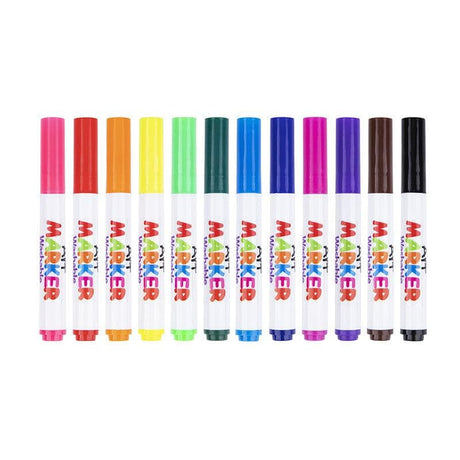
For many families, washable markers offer an excellent balance between creative freedom and practicality. Children often feel more confident exploring colours and experimenting with artwork when parents are less concerned about accidental marks during creative play. This can encourage more relaxed and enjoyable creative experiences for everyone involved.

Washable colouring markers are particularly popular with younger children who are still developing control and confidence. Parents often appreciate knowing that creative exploration can happen more freely without the same level of concern about everyday messes. When children feel comfortable experimenting, they are often more willing to try new ideas and engage in longer periods of drawing and colouring.

The most important consideration is how frequently the markers will be used. Families who enjoy regular colouring activities often find washable markers provide convenience while still delivering the bright colours and creative opportunities children love. They help remove barriers to creativity and encourage children to focus on making rather than worrying about mistakes.

How do drawing and colouring support creativity?

Drawing and colouring provide children with opportunities to express ideas, explore imagination and experiment with creative thinking. Unlike activities that have a fixed outcome, drawing allows children to decide what they create, how they create it and what story they want their artwork to tell. This freedom encourages independent thinking and helps children develop confidence in their own ideas.

Colouring markers, crayons and colouring pencils all support creativity in different ways. Some children enjoy filling pages with vibrant colours, while others prefer creating detailed scenes, characters or imaginative worlds. Every drawing becomes an opportunity to make choices, solve problems and communicate ideas visually.

Creative activities also encourage persistence. Children often return to artwork repeatedly, refining ideas and experimenting with different approaches. These experiences help develop confidence while reinforcing the idea that creativity is a process rather than a destination. Over time, drawing and colouring become valuable tools for self-expression, imagination and independent exploration.

What are the best drawing tools for preschoolers?

The best drawing tools for preschoolers are the ones that encourage creativity without creating frustration. At this age, children are still developing hand strength, pencil control and confidence, so tools that feel comfortable and easy to use often produce the most positive experiences. Colouring markers, crayons and beginner colouring pencils are all popular choices because they allow children to create successfully while exploring colours, shapes and early drawing skills.

Many preschoolers enjoy colouring markers because colours appear bright and vibrant with very little effort. Crayons remain a favourite because they are simple to use and encourage experimentation, while colouring pencils often become more appealing as control improves and children begin drawing more detailed pictures. Offering a variety of creative tools allows children to discover their own preferences while building confidence through creative exploration.

The most important factor is enjoyment. Children who enjoy drawing are more likely to practise regularly, experiment with new ideas and develop stronger creative confidence over time. The best drawing tools are the ones children genuinely want to use again and again.

Are colouring pencils better for older children?

Many older children naturally gravitate towards colouring pencils because they provide greater control and precision. As drawing skills develop, children often become interested in finer details, more complex artwork and experimenting with different techniques. Colouring pencils support these interests by allowing children to work with greater accuracy than broader colouring tools.

That does not mean older children stop enjoying markers or crayons. In fact, many creative projects benefit from using multiple tools together. Markers may be used for bold colours and backgrounds, while colouring pencils add detail and texture. The best creative experiences often involve a combination of materials rather than relying on a single option.

The most important factor is personal preference. Some children continue to love colouring markers because of their bold colours and ease of use, while others enjoy the precision that colouring pencils provide. Offering a variety of creative tools allows children to discover what works best for their individual style.

Why do children love colouring activities?

Colouring activities combine creativity, freedom and achievement in a way that naturally appeals to children. Whether they are filling in pictures, creating original artwork or experimenting with colours, children enjoy seeing ideas come to life on the page. The process is rewarding because every finished picture reflects their own choices and imagination.

Colouring also provides a balance between structure and freedom. Some children enjoy staying within lines and completing colouring pages, while others prefer using colouring markers, crayons and pencils to create entirely new drawings. Both approaches allow children to explore creativity while developing confidence in their abilities.

Another reason colouring remains popular is accessibility. Unlike some creative activities that require extensive setup, colouring can begin almost immediately. Children can sit down with a few simple tools and start creating. This simplicity makes colouring one of the most enduring and frequently repeated creative activities throughout childhood.

What age can children start using colouring markers?

Many children begin showing interest in colouring markers during the toddler and preschool years, particularly once they have developed enough hand control to hold and manipulate drawing tools comfortably. At this stage, children are often focused on exploration rather than producing recognisable artwork, making markers an exciting way to experiment with colour and movement.

The appeal of colouring markers for younger children comes from the immediate feedback they provide. Marks appear clearly, colours are vibrant and children can easily see the results of their actions. This can help build confidence and encourage longer periods of creative engagement compared to tools that require greater pressure or precision.

Readiness is often more important than age. Children who enjoy drawing, colouring and creative exploration are usually ready to begin using markers when they can comfortably hold and control them. The goal is not creating perfect artwork but providing opportunities for experimentation, self-expression and independent creativity.

Are colouring markers better than crayons?

Neither colouring markers nor crayons are universally better. They simply offer different creative experiences. Colouring markers provide strong, vibrant colours with minimal effort, making them popular with children who enjoy bold artwork and quick results. Crayons often provide greater resistance and control, which some younger children find easier to manage as they develop confidence with drawing and colouring.

Markers can be particularly appealing because they create immediate visual impact. Children can see colours clearly and fill spaces quickly, which often helps maintain engagement. Crayons, on the other hand, encourage experimentation with pressure, movement and different colouring techniques while remaining a familiar favourite for many families.

Many parents find that offering both crayons and colouring markers gives children the freedom to choose the tool that best matches their activity. Some days children prefer the bold colours of markers, while other days they enjoy the texture and feel of crayons. Providing variety often encourages more frequent creative play and greater artistic exploration.

What are the best colouring markers for kids?

The best colouring markers for kids are the ones that match a child's age, confidence and preferred style of creativity. Some children enjoy bold colours that appear instantly on the page, while others prefer drawing tools that allow for more control and precision. The ideal markers encourage creativity without creating frustration.

Many parents choose colouring markers because they make drawing and colouring feel rewarding. Colours appear clearly, children can fill large spaces quickly and artwork often looks vibrant even when fine motor skills are still developing. This immediate visual feedback can help children feel successful and encourage them to spend more time creating.

When choosing colouring markers for kids, it is helpful to consider how the child likes to engage with art activities. Children who enjoy colouring books, drawing pictures and creating imaginative scenes often respond particularly well to markers because they make creative expression feel easy and accessible. The right markers help children focus on their ideas rather than struggling with the tools themselves.