
Click & Collect or 24hr Dispatch*

Learning What Belongs Together

Matching Games For Curious Young Learners

Matching games help children recognise relationships, identify similarities and compare differences through playful hands-on activities. Whether matching animals, colours, shapes, numbers or everyday objects, children learn how things connect while building observation skills and early mathematical understanding. Explore matching games designed to encourage confidence, independent thinking and joyful learning through play.


Matching Games For Toddlers Learning To Recognise Relationships

Matching Games For Toddlers Learning To Recognise Relationships

Many parents begin looking for matching games for toddlers when they notice their child starting to recognise familiar objects, colours and pictures. Matching activities help children take the next step by encouraging them to compare information and identify what belongs together. Rather than focusing on right or wrong answers, matching games encourage observation and discovery through repeated exploration.

Children often begin with simple picture matching games featuring animals, everyday objects or colours before progressing to more complex matching activities involving shapes, numbers or categories. This gradual progression helps children develop confidence while strengthening visual discrimination skills that support future learning. For many young children, matching games provide one of the first opportunities to experience independent success through reasoning and observation rather than trial and error.

Independent Learning Early Mathematical Thinking Relationship Recognition Visual Discrimination

Helps Children Recognise Relationships

Matching games encourage children to identify similarities, differences and connections between objects, images and concepts. This ability to recognise relationships forms an important foundation for later learning.

Builds Observation Skills Through Play

Children learn to look carefully, compare details and notice subtle differences. These observation skills support many future learning experiences both at home and in educational settings.

Creates Confidence Through Achievable Success

Matching activities provide clear, rewarding challenges that help children experience success independently. Each successful match reinforces confidence and encourages children to continue exploring new concepts.

Finding The Right Matching Game

Choose A Matching Game That Matches Your Child's Current Stage

The best matching games create opportunities for children to experience success while gently extending their thinking. Some children are just beginning to recognise similarities between pictures, while others are ready to compare categories, shapes, numbers and more complex relationships. Choosing the right level of challenge helps maintain engagement while encouraging confidence.

Start With Simpler Matching Games If

  • Your child is new to matching activities They are still learning colours, objects or animals They enjoy picture recognition They become frustrated by complex rules Independent success is your priority They prefer hands-on exploration

Choose More Advanced Matching Games If

  • Your child confidently identifies relationships They enjoy comparing multiple concepts They recognise numbers, shapes or categories They enjoy more structured challenges They seek new learning opportunities They stay engaged with longer activities
Matching games should feel achievable, rewarding and engaging. Children who experience regular success are more likely to stay curious, explore new concepts and continue building confidence through play.

Building Early Mathematical Thinking Through Play

Encourages observation and visual discrimination skills

Durable materials built for repeated exploration and play

Introduces early mathematical concepts in a playful way

What Should Parents Look For In A High Quality Matching Game?

The best matching games encourage children to think without overwhelming them. Clear illustrations, age-appropriate challenges and opportunities for independent success often create the most rewarding experiences. Younger children typically benefit from simple picture matching activities, while older children may enjoy matching games that introduce categories, numbers, shapes or more abstract concepts.

It's also worth considering how the game will be used. Some matching activities are designed for independent play, while others encourage collaboration between parents, siblings and friends. Understanding your child's preferred play style can help you choose a matching game they are more likely to revisit regularly.

Quality matching games also grow with children. As observation skills improve, many children begin creating their own rules, identifying new relationships and finding more sophisticated ways to engage with familiar activities.

When A Matching Game May Not Be The Right Choice

Matching games are ideal for children learning to recognise relationships and compare information, but they are not always the best fit for every stage of learning. Children who are ready for recall-based challenges may benefit more from memory games, while those who enjoy categorising objects may respond more strongly to sorting toys.

Likewise, children who are focused on assembling images and solving visual challenges may prefer wooden puzzles or floor puzzles. Understanding the type of thinking your child currently enjoys can help ensure the activity feels engaging rather than frustrating.

The goal is not simply to keep children busy. It is to provide meaningful opportunities for observation, comparison and independent discovery through play.

The First Step Towards Understanding Relationships
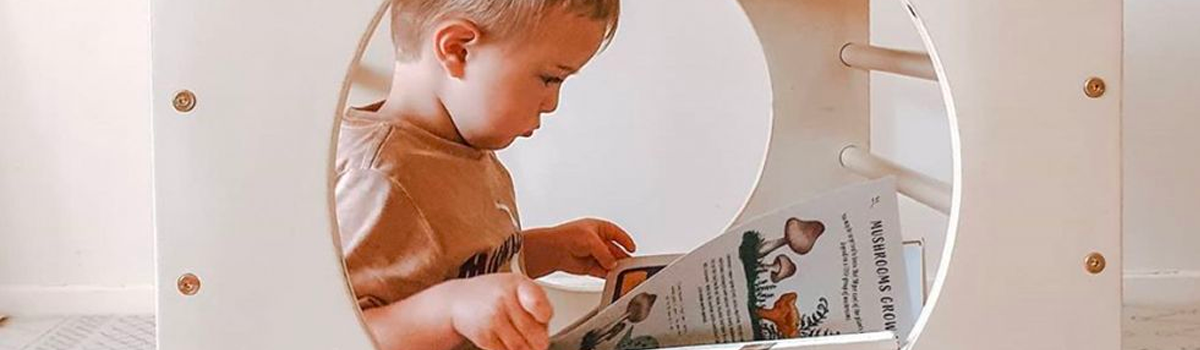
Long before children learn formal mathematics, they begin exploring relationships. They notice that two animals are the same, that colours can be grouped together and that certain objects naturally belong together. Matching games build on this natural curiosity by encouraging children to compare, observe and identify connections through play.

These simple experiences often create powerful learning opportunities. Every successful match helps children strengthen visual discrimination, develop observation skills and build confidence in their ability to understand the world around them. Rather than relying on memorisation or instruction, matching games allow children to discover relationships independently through hands-on exploration.

Whether you're introducing a first matching game for a toddler or choosing more advanced matching activities for a preschooler, the right matching game can help transform curiosity into confidence while creating strong foundations for future learning.

Frequently asked questions
How do matching games support visual discrimination skills?

Visual discrimination refers to the ability to notice similarities, differences and distinguishing features between objects, images and symbols. It is one of the most important early learning skills because it helps children make sense of information they encounter every day.

Matching games encourage children to compare details carefully. They learn to identify differences in colour, shape, size, pattern and other visual characteristics while deciding what belongs together. These repeated opportunities for comparison help strengthen observation skills and increase awareness of subtle distinctions.

As visual discrimination improves, children often become more confident recognising letters, identifying numbers, noticing patterns and understanding relationships between concepts. Matching games provide an enjoyable and accessible way to practise these skills through repeated exploration and discovery.

Are matching games suitable for children who dislike puzzles?

Many children who become frustrated with puzzles enjoy matching games because the challenge feels different. Puzzles often require children to assemble pieces into a larger picture, while matching games focus on identifying relationships between individual items. This can feel more accessible and less overwhelming for some learners.

Matching activities also provide more immediate feedback. Children can often identify a successful match quickly, creating opportunities for frequent achievement. This can be particularly helpful for children who lose confidence when activities feel too difficult or require long periods of persistence before experiencing success.

For children who enjoy observation but are not yet interested in assembling puzzles, matching games often provide a valuable alternative that still encourages thinking, concentration and independent exploration.

Do matching games help prepare children for school?

Matching games support many foundational skills that children use throughout their educational journey. Observation, visual discrimination, comparison and classification all play important roles in reading, mathematics and problem solving. Matching activities provide opportunities to practise these skills in a way that feels natural and enjoyable.

As children identify similarities and differences, they become more aware of details, patterns and relationships. These abilities help support future learning tasks such as recognising letters, distinguishing between numbers, identifying shapes and understanding categories.

While matching games are not designed as formal educational instruction, they help create strong foundations that support confidence and readiness for future learning experiences. Many parents appreciate that children can build important skills while remaining engaged in meaningful play.

Why do children often enjoy matching games more than parents expect?

Adults sometimes underestimate how naturally appealing matching activities are for young children. Children are constantly trying to understand the world around them by identifying patterns, recognising similarities and comparing objects. Matching games align perfectly with these natural interests.

The challenge feels manageable because children can see the information in front of them and work through it at their own pace. Each successful match creates a small sense of achievement that encourages them to continue exploring. This combination of challenge and success often makes matching games highly engaging, even for children who show little interest in more structured learning activities.

Because matching activities feel like play rather than work, children often remain motivated without external encouragement. They enjoy the process of discovery and the satisfaction that comes from identifying connections independently.

Can matching games be played independently?

One of the reasons matching games remain so popular with parents and educators is that many can be enjoyed independently. Unlike activities that require complicated rules or constant adult involvement, matching games often allow children to explore concepts at their own pace while experiencing success through observation and comparison.

Independent matching activities encourage children to make decisions for themselves, test ideas and develop confidence in their thinking. As children compare images, identify similarities and recognise relationships, they begin trusting their own observations and reasoning. This sense of ownership often increases engagement and encourages repeated play.

Many children enjoy revisiting matching activities because they feel achievable while still offering opportunities for discovery. As their skills develop, they often begin creating new challenges, identifying more complex relationships and finding additional ways to interact with familiar materials.

What makes a high-quality matching game worth buying?

A high-quality matching game should do more than simply provide pairs to match. The best matching activities encourage observation, curiosity and independent thinking while remaining accessible and enjoyable for young children. Clear illustrations, durable materials and age-appropriate challenges all contribute to a more rewarding experience.

Good matching games also provide opportunities for progression. Children may begin by matching identical pictures before moving on to more complex concepts involving categories, relationships, shapes, numbers or real-world connections. This flexibility helps extend the lifespan of the activity while continuing to support learning.

Most importantly, quality matching games encourage repeated engagement. Children return because they enjoy the challenge, not because they are being instructed to practise a skill. That balance between learning and enjoyment is what creates lasting value for both children and parents.

Why are matching games considered part of early mathematical learning?

Before children learn numbers and calculations, they first learn relationships. They begin recognising similarities, comparing differences, identifying patterns and understanding how objects can be grouped together. These concepts form some of the earliest foundations of mathematical thinking.

Matching games encourage children to explore these ideas through play. By identifying which objects belong together, children learn to compare information, recognise attributes and understand relationships between concepts. These skills later support sorting, classification, sequencing and many other mathematical processes.

For this reason, matching activities are often considered one of the earliest and most accessible ways to introduce mathematical thinking. They allow children to develop important cognitive skills naturally through observation and exploration rather than formal instruction.

Are matching games good for toddlers with short attention spans?

Matching games can be an excellent choice for toddlers with shorter attention spans because they provide quick opportunities for success. Unlike more complex activities that require sustained concentration over long periods, matching games often allow children to complete small challenges independently and receive immediate feedback.

Children can engage with matching activities for just a few minutes at a time while still experiencing achievement and progress. This flexibility makes matching games particularly useful for younger children who are still developing their ability to focus for extended periods.

The key is choosing an age-appropriate activity. Simple matching games with clear illustrations and familiar concepts often create more engagement than games that introduce too much information at once. As confidence grows, children naturally become willing to spend longer periods exploring more complex matching challenges.

What's the difference between matching games and memory games?

Although the two activities may appear similar at first glance, matching games and memory games challenge children in very different ways. Matching games focus on identifying relationships between visible objects, images or concepts. Children compare information and decide what belongs together based on observation and recognition.

Memory games introduce an additional challenge by requiring children to remember information after it is no longer visible. Success depends on recall, concentration and remembering previous information rather than simply recognising relationships.

A simple way to think about the difference is this: matching games ask, "What belongs together?" while memory games ask, "Can you remember where you saw it?" Both activities support learning, but they develop different thinking skills and often appeal to children at different stages of development.

What skills do matching games help children practise?

Matching games support a wide range of early learning skills while remaining playful and engaging. One of the most important is visual discrimination, which refers to a child's ability to notice similarities, differences and relationships between objects. This skill plays an important role in many future learning experiences.

Matching activities also encourage observation, concentration and attention to detail. Children learn to compare information carefully, identify relevant features and make decisions based on what they see. These experiences help strengthen thinking skills while encouraging children to become more deliberate and thoughtful in their approach.

Many matching games also introduce concepts such as colours, shapes, animals, letters, numbers and categories. As children become more confident, they often begin recognising broader relationships between ideas, creating strong foundations for early mathematical thinking and classification skills.

How can parents tell if their child is ready for matching games?

Many children are ready for matching games between the ages of 2 and 4, but readiness is often determined by interest rather than age alone. Children who enjoy recognising familiar animals, identifying colours, pointing out similarities between objects or sorting everyday items frequently show strong readiness for matching activities.

Matching games encourage children to compare information and identify relationships between objects, pictures and concepts. Unlike puzzles, which focus on assembly, or memory games, which focus on recall, matching activities challenge children to recognise what belongs together. This makes them an excellent introduction to observation, comparison and early mathematical thinking.

Many parents notice that children naturally begin matching long before they play formal matching games. They pair socks, group toys, identify similar animals and recognise repeating patterns. Matching games simply provide a structured and enjoyable way to extend these natural interests while helping children build confidence through independent success.