Click & Collect or 24hr Dispatch*

Supporting Movement, Confidence And Physical Exploration In The Early Years

Movement & FIrst Climbing

Movement is one of the most important ways babies and toddlers learn about the world around them. From tummy time and crawling through to climbing, balancing and navigating new environments, every stage builds confidence, coordination and body awareness. This guide helps parents understand the different movement pathways available during the early years and identify which experiences best align with their child's current stage of development.

Start here

Children move through physical milestones at different rates. The right movement experiences depend on what your child is currently working towards rather than their age alone.

Some children are just beginning to lift, reach and roll, while others are climbing furniture and seeking bigger physical challenges. Understanding these stages can help you choose the most appropriate next step.

View as

From Tummy Time To Confident Climbing

Physical development during the early years rarely happens in a straight line. Some children spend weeks mastering a single skill before suddenly moving onto the next challenge, while others seem determined to climb before they have fully mastered crawling. Movement and climbing experiences help children build confidence in their bodies while encouraging exploration, coordination and independence. Understanding the different stages of physical development can make it easier to choose activities that feel achievable, engaging and appropriate for your child's current abilities.

Movement Confidence Gross Motor Skills Physical Exploration Growing Independence
Movement And Sensory Development

Physical Exploration Often Starts With Sensory Exploration

Many babies first learn about movement through sensory experiences. Touching, reaching, tracking objects and exploring different textures all help children build the confidence needed for future movement milestones.

Every Child Moves Through Milestones Differently

It can be tempting to compare developmental milestones, particularly during the first years of childhood. In reality, children develop movement skills at different rates and often focus intensely on one stage before progressing to the next. Some become confident climbers early, while others spend more time building coordination, balance or confidence before seeking bigger physical challenges.

The goal is not to rush development or constantly introduce harder activities. Instead, it is about creating opportunities that match your child's current abilities while encouraging exploration and confidence. Whether your child is just beginning tummy time, learning to crawl, pulling themselves upright or looking for safe climbing opportunities, the right experiences can help them develop confidence in their body while making movement a natural and enjoyable part of everyday life.

Frequently asked questions

Questions parents often ask

How Can I Create More Opportunities For Active Play At Home?

Many families worry that they do not have enough space, equipment or outdoor access to support active play. Fortunately, children do not need large play areas to develop movement skills. What they need most are regular opportunities to move, explore and interact with their environment.

Active play can occur in living rooms, bedrooms, hallways and outdoor spaces. Children benefit from opportunities to crawl, balance, climb, reach and navigate different environments. Simple adjustments to the home can often create valuable movement experiences without requiring extensive equipment.

Movement opportunities are particularly important during the early years because children learn through physical exploration. Active play helps them develop coordination, confidence and body awareness while encouraging independence and problem-solving.

Rather than focusing on structured activities, it can be helpful to think about how the environment supports movement. Creating spaces that invite exploration often encourages children to engage in active play naturally. Over time, these everyday opportunities contribute to growing confidence and physical capability throughout early childhood.

Why Do Some Toddlers Love Climbing Everything?

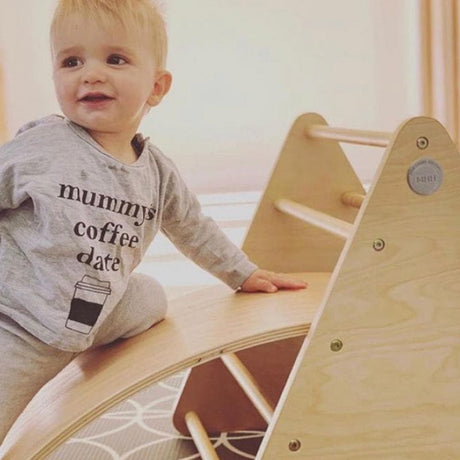
Many parents reach a stage where it feels like their toddler is determined to climb every piece of furniture in the house. While this behaviour can be challenging, it is often a natural reflection of growing physical confidence and curiosity rather than simple mischief.

Climbing allows children to practise balance, coordination, strength and body awareness. It also provides opportunities to solve physical problems, judge distances and understand how their bodies interact with the environment. For many toddlers, climbing is less about reaching a destination and more about experiencing movement itself.

As children become more mobile, they often seek opportunities that challenge their developing abilities. What may look like risk-taking is often exploration. Children are learning what they can do, how their bodies move and how to respond to different situations.

Providing appropriate opportunities for climbing can help support this developmental need while reducing the likelihood of children seeking challenges in less suitable places. Understanding the motivation behind climbing behaviour often helps parents see it as an important part of physical development rather than a behaviour that needs to be completely prevented.

What Types Of Play Help Build Movement Confidence?

Movement confidence develops when children have opportunities to explore what their bodies can do in a safe and supportive environment. It is not simply about strength or coordination. It is about helping children trust their abilities while gradually taking on new physical challenges.

Play experiences that encourage reaching, crawling, balancing, climbing, rocking and navigating different surfaces all contribute to movement confidence. These activities help children learn how to control their bodies, respond to challenges and adapt to changing environments. Over time, repeated success builds confidence and encourages children to attempt increasingly complex movements.

Importantly, confidence often grows through manageable challenges rather than constant success. Children learn by experimenting, making adjustments and trying again. This process helps them develop resilience alongside physical skills.

Parents sometimes focus on specific milestones, but confidence is often a stronger predictor of future movement than any individual skill. Children who feel comfortable exploring movement are more likely to continue practising, experimenting and building physical capability throughout early childhood.

Why Do Some Children Reach Movement Milestones Earlier Than Others?

It is completely normal for children to reach movement milestones at different times. While developmental charts can provide general guidance, they are not predictions of exactly when a child should roll, crawl, climb or walk. Physical development is influenced by many factors including temperament, confidence, opportunities for movement and individual developmental patterns.

Some children are naturally cautious and prefer observing before attempting new physical challenges. Others are highly motivated by movement and actively seek opportunities to test their abilities. Neither approach is inherently better. Children often focus intensely on one area of development before moving on to the next.

Parents frequently compare milestones with friends, siblings or online discussions, but these comparisons can create unnecessary anxiety. What matters most is that children continue making progress over time and have opportunities to explore movement in ways that feel appropriate for their stage of development.

Supporting movement development is less about achieving milestones quickly and more about helping children build confidence, body awareness and physical capability. Consistent opportunities for exploration often matter far more than exactly when a milestone is reached.

How Can I Support My Child's Physical Development Through Play?

One of the most effective ways to support physical development during the early years is through play. Young children learn best when they are actively exploring their environment rather than being directed through structured exercises or activities. Movement-based play encourages children to practise skills naturally while developing confidence in their physical abilities.

Opportunities for climbing, balancing, reaching, crawling and exploring different environments all contribute to physical development. These experiences help children learn how their bodies move while strengthening coordination, balance and body awareness. Importantly, play also allows children to progress at their own pace. Some children enjoy repeating familiar movements until they feel confident, while others constantly seek new physical challenges.

Parents often worry about whether they are doing enough to support development, but simple opportunities for movement can be incredibly valuable. Open floor space, age-appropriate movement equipment and regular opportunities for active exploration often provide everything children need to build confidence over time. The focus should be on creating opportunities rather than rushing milestones, allowing children to develop skills through repeated experiences and self-directed exploration.

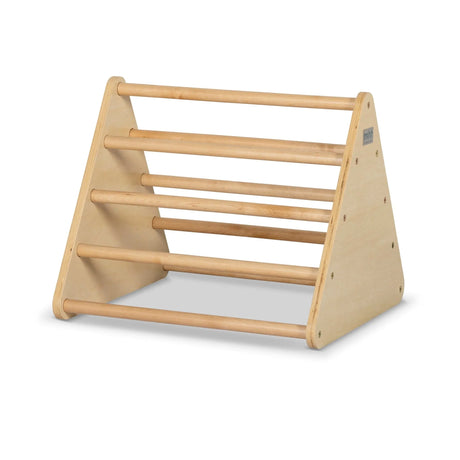
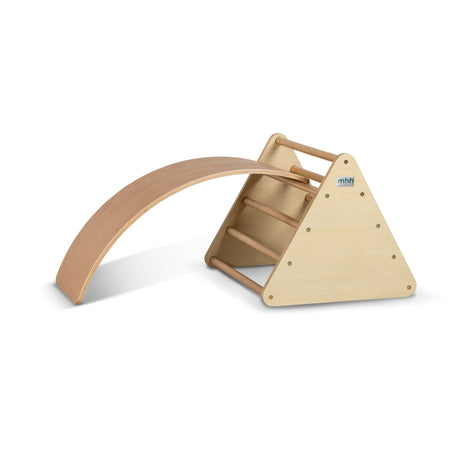
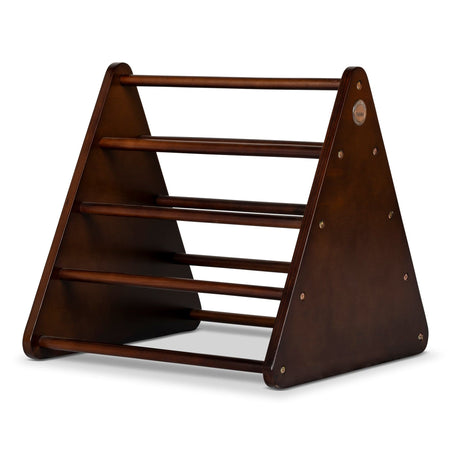
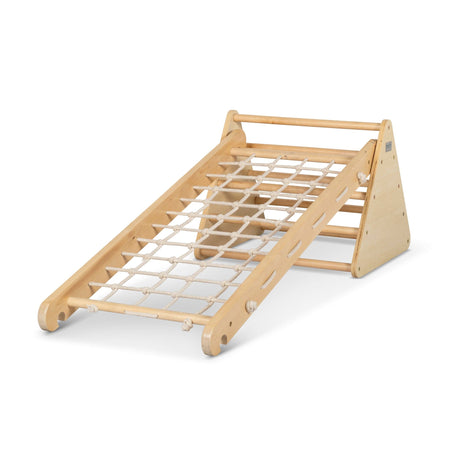
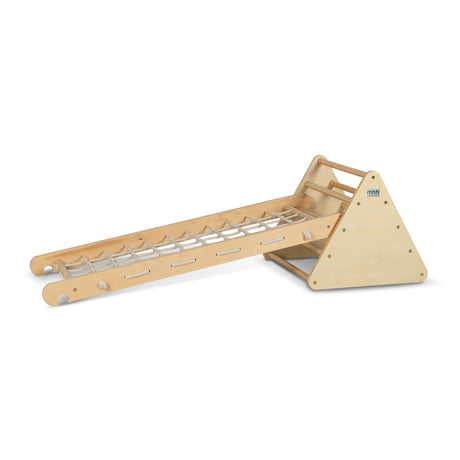
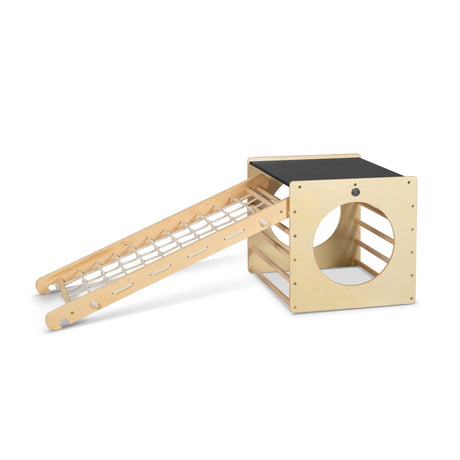
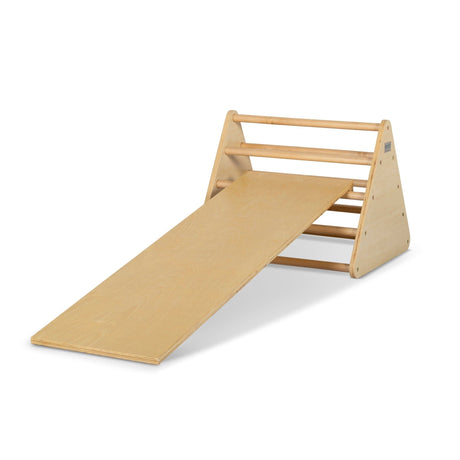
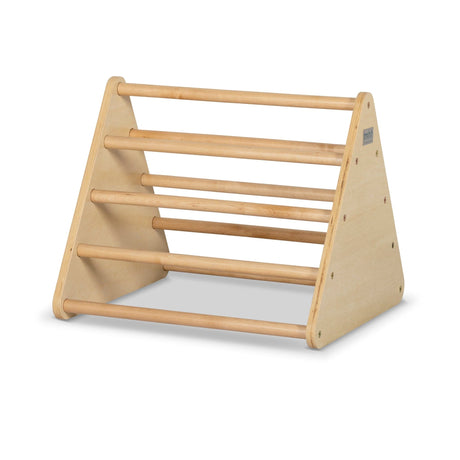
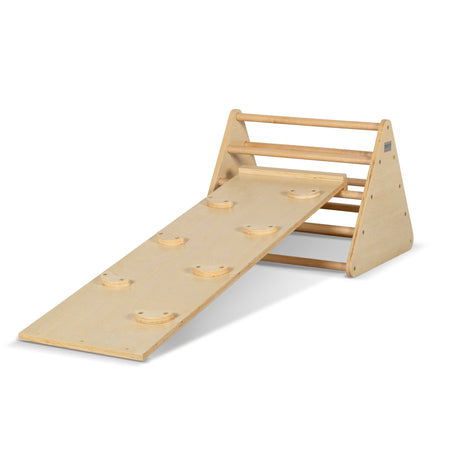
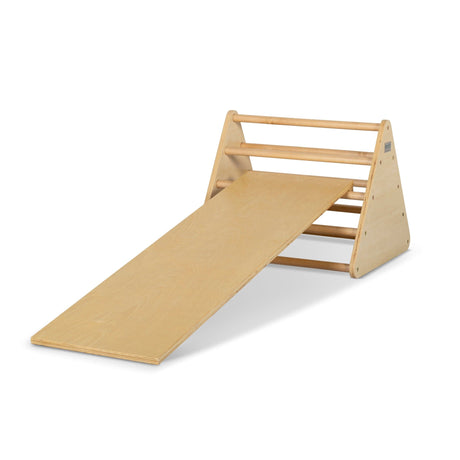
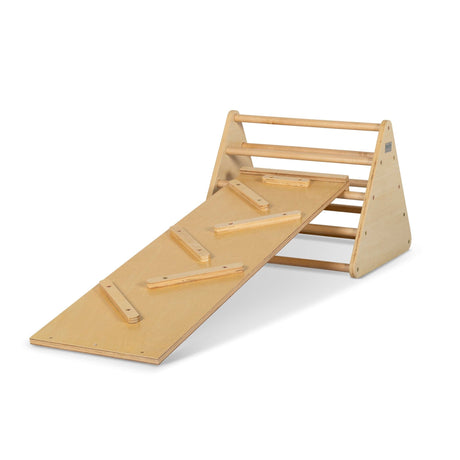
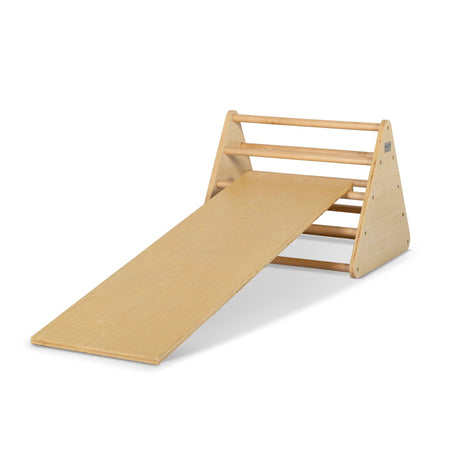
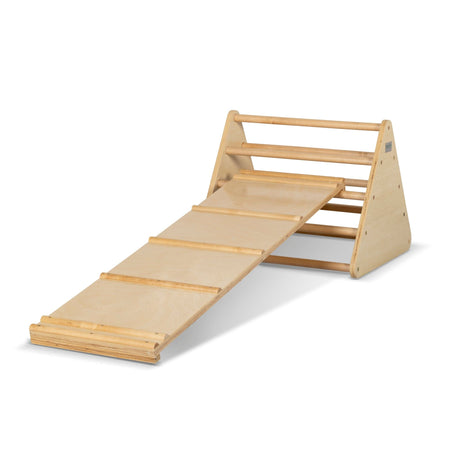
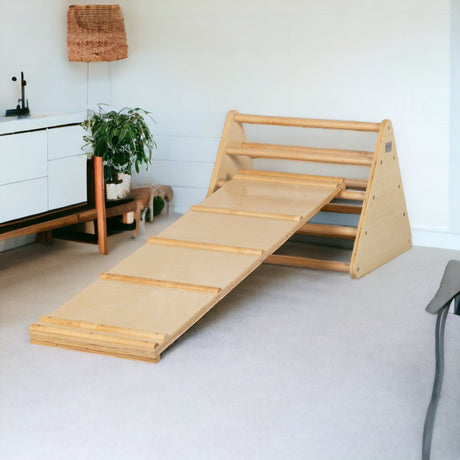
Support your child's physical development through movement, climbing and active exploration. Browse tummy time toys, baby climbing frames, walkers, rocking toys and slides designed for the early years.

Gross motor skills are the larger physical movements children use to explore, navigate and interact with their environment. These skills involve the major muscle groups throughout the body and form the foundation for many everyday activities including rolling, crawling, climbing, balancing, walking and running. During the first years of life, children are constantly developing and refining these abilities as they learn how their bodies move and respond to different challenges.

Parents often hear the term "gross motor development" but are not always sure what it means in practical terms. In reality, gross motor skills influence much more than physical activity alone. They help children build confidence, independence and body awareness while creating opportunities to explore their surroundings. As children become more capable movers, they are often able to participate more fully in everyday experiences, from navigating playgrounds to climbing onto furniture and joining active family activities.

Every child develops these skills at their own pace. Some focus heavily on movement from an early age, while others take a more cautious approach. The goal is not to accelerate development but to provide opportunities for children to practise movement, build confidence and develop the physical skills needed for future milestones.