Click & Collect or 24hr Dispatch*

15% Off Sitewide & Clearance*

EOFY15
Helping Children Bring Stories To Life Through Characters, Animals And Imaginative Play

Characters & Creatures


Every great story begins with characters. Some children create entire worlds around families and people. Others invent adventures for farm animals, dinosaurs or wild creatures. Characters and creatures often become the foundation of small world play, helping children create relationships, adventures and stories that grow over time.

Start here

Children are often drawn to different types of characters. Some focus on people, while others build stories around animals, prehistoric creatures or imaginative worlds filled with wildlife.

Understanding which characters your child naturally includes in their stories can help you identify the type of small world play they are most likely to revisit again and again.

View as

Characters Often Shape The Stories Children Tell

Some children begin with a setting and then add characters. Others start with a favourite animal, creature or figure and build an entire story around them. Characters provide the relationships, personalities and interactions that help small world play come alive. Whether children are creating family stories, farm adventures, wildlife encounters or prehistoric worlds, the characters often become the driving force behind the narrative.

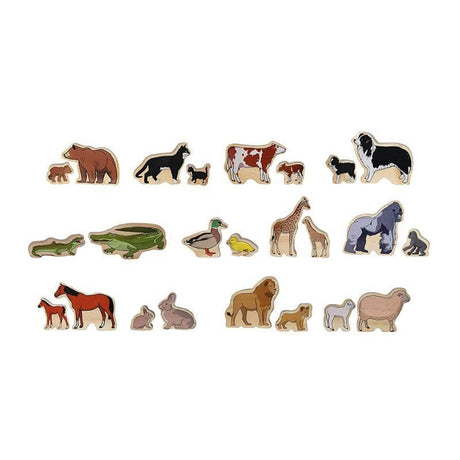
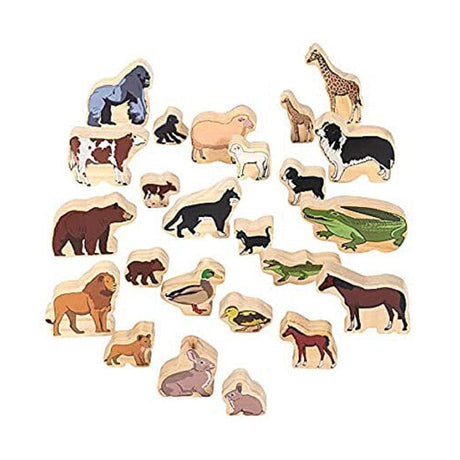
Animal figurines, wooden animals and ocean creatures frequently become part of larger storytelling worlds, allowing children to expand existing stories and introduce new adventures over time.

Story Characters Animal Adventures Relationship Play Small World Stories
Every Character Needs Somewhere To Live

Many Stories Begin To Grow Into Entire Worlds


Once children become invested in characters, they often begin creating homes, habitats and environments where those stories can continue to develop.

Characters Help Children Turn Ideas Into Stories

Not every child tells stories in the same way. Some create family relationships and everyday adventures. Others build worlds around animals, wildlife or prehistoric creatures. What matters most is not the character itself, but the story that grows around it.

Small world play allows children to revisit favourite characters, create new relationships and expand stories over time. Whether those stories involve people, animals, dinosaurs or creatures from faraway places, characters often become the bridge between imagination and storytelling.

The best storytelling experiences are often the ones that give children the freedom to decide who their characters are and what happens next.

Frequently asked questions

Questions parents often ask

How Do Characters Help Children Build Stories?

Characters provide the structure around which stories develop. They create opportunities for friendships, challenges, adventures and problem-solving. Without characters, it can be difficult for a story to move forward or maintain interest.

When children introduce characters into play, they begin making decisions about motivations, relationships and events. They decide who the characters are, what they want and what happens next. These choices help stories become more detailed and engaging over time.

As children gain confidence in storytelling, they often expand their cast of characters and create increasingly complex interactions between them. This process encourages imagination while allowing children to build worlds that feel entirely their own.

Characters are often the bridge between a child's ideas and the stories they want to tell.

Why Do Some Children Prefer Animal Characters To People?

Animals often provide greater freedom within storytelling because they are not limited by real-world expectations. A dinosaur can live with a farm animal. A lion can become friends with a whale. Children can create relationships and adventures that would not normally occur in everyday life.

Animal characters also allow children to focus on the story rather than social rules or realistic behaviour. This flexibility can make storytelling feel more open-ended and creative.

Many children are naturally fascinated by animals and enjoy imagining what they might think, feel or experience. These interests often become the foundation for larger storytelling worlds filled with adventure and exploration.

Whether children choose animals, people or fantasy creatures, the underlying goal remains the same: creating characters that help bring stories to life.

Why Do Children Return To The Same Characters Again And Again?

Children often revisit favourite characters because familiarity makes storytelling easier and more meaningful. Once a child has developed a personality, family or backstory for a character, they already have a foundation on which to build new adventures.

Returning to the same characters allows children to create continuity across multiple play sessions. Stories can continue, relationships can deepen and new events can be introduced without needing to start from the beginning every time.

This repetition is not a sign of limited imagination. In many cases, it reflects a child's growing ability to create more detailed and complex narratives. Familiar characters provide a stable framework that supports richer storytelling over time.

For many children, favourite characters become trusted companions within their imaginative world.

What Is The Difference Between Character Play And Role Play?

Although they are closely related, character play and role play involve different forms of imagination. In role play, children become the character themselves. They might pretend to be a firefighter, doctor, parent or animal while acting out the story directly.

In character play, children remain the storyteller. They control the characters, decide what happens and guide the story from outside the action. The characters carry out the events while the child directs the narrative.

Many children move naturally between these two styles of play. They may create stories using characters one day and act out similar stories themselves the next. Both approaches encourage imagination, but they provide different ways for children to engage with storytelling.

Understanding this distinction can help parents recognise why some children prefer miniature worlds while others prefer stepping directly into a role.

Why Do Children Give Personalities To Animals And Figures?

Children are naturally drawn to storytelling and often use personalities to make stories more interesting and easier to understand. By assigning emotions, preferences and relationships to animals or figures, children create characters that feel alive within their imaginary world.

This process allows children to build stories that reflect experiences they understand. An animal might become caring, adventurous, shy or brave depending on the role it plays within the narrative. These qualities help children create relationships between characters and develop more detailed storylines.

Many children also enjoy revisiting the same characters repeatedly. Over time, those characters become familiar and predictable, making it easier to continue and expand existing stories.

Giving personalities to characters is one of the ways children transform simple objects into meaningful storytelling tools.

What Is Character Play?

Character play occurs when children create stories around people, animals, creatures or figures that take on roles within an imaginary world. Rather than focusing on the object itself, children begin treating the character as someone with their own personality, relationships and experiences.

A character may become part of a family, a friendship group, a community or an adventure. Children decide how the character behaves, what challenges they face and how they interact with others. This process allows children to create stories that feel meaningful and personal.

Character play often develops naturally during small world play because children need individuals to drive the story forward. The character becomes the lens through which events unfold and decisions are made.

As stories become more complex, children often expand the personalities and relationships of their characters, creating worlds that feel increasingly detailed and connected.

Why Are Characters So Important In Small World Play?

Characters are often the starting point for imaginative storytelling. Whether a child chooses a doll, an animal, a dinosaur or another creature, that character becomes someone with thoughts, relationships and experiences within the story. Children use characters to create adventures, solve problems and explore different ideas through play.

Many children naturally assign personalities to the figures they play with. A dinosaur might become a parent, a farm animal might become a friend and a doll might take on a leadership role within the story. These relationships help children build narratives that can continue and evolve over time.

Without characters, stories can feel empty. Characters give children a way to create emotional connections, introduce conflict, solve challenges and build ongoing adventures. They are often the element that transforms simple play into rich storytelling.

For many children, the character becomes far more important than the toy itself because it provides the foundation for the story they are creating.