Click & Collect or 24hr Dispatch*

15% Off Sitewide & Clearance*

EOFY15
Mess-Free Creative Activities

Scratch Art & Foil Art For Kids


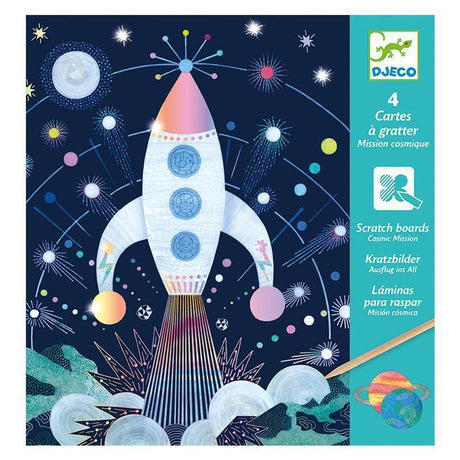
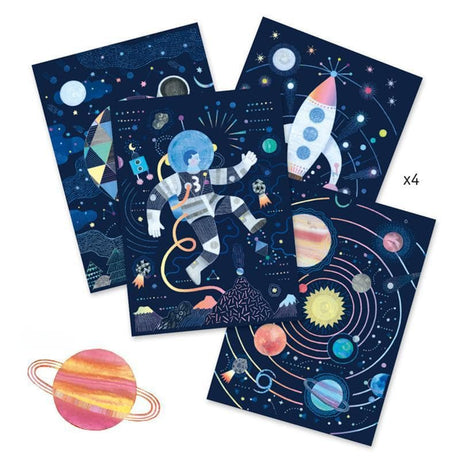
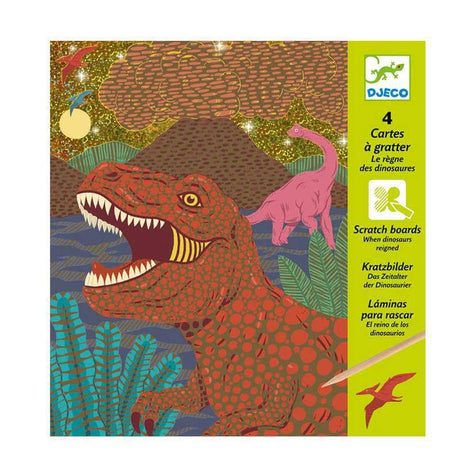
Not every child loves drawing from a blank page. Scratch art and foil art activities offer a different creative experience, allowing children to reveal colours, patterns and artwork through simple actions that feel rewarding from the very beginning. These low-mess creative projects help children build confidence, stay engaged and experience the satisfaction of completing artwork they feel proud to display.


Why Scratch Art Remains One Of The Most Successful Creative Activities For Kids

Many children enjoy creative activities but become discouraged when the results don't match the ideas in their imagination. Scratch art removes much of that frustration by replacing the pressure of drawing with the excitement of discovery. As children scratch away the surface, vibrant colours, patterns and hidden artwork gradually appear beneath.

Foil art creates a similar experience. Instead of painting, colouring or drawing, children reveal designs by applying colourful foil to adhesive artwork. The process feels satisfying, achievable and visually impressive, even for children who don't naturally see themselves as artistic.

For parents, scratch art and foil art offer something equally valuable. They provide a creative outlet without the setup, cleanup and unpredictability often associated with traditional art activities. The result is a calm, engaging project children can complete independently while still feeling proud of the finished outcome.

Scratch Art Kits Foil Art Activities Mess-Free Creative Play Travel-Friendly Art Projects

Creative Success Without The Pressure


Many children love creating but feel frustrated when drawing, colouring or painting doesn't produce the result they imagined. Scratch art and foil art remove that pressure by providing a clear pathway to success. Children can focus on the enjoyment of creating rather than worrying about whether their artwork looks "good enough".

Keeps Children Engaged Through Discovery


One of the reasons scratch art remains so popular is the element of surprise. Every scratch reveals something new beneath the surface, encouraging children to continue exploring. This sense of discovery often helps children remain engaged for longer than more predictable creative activities

Low Mess, High Satisfaction


Parents often love scratch art and foil art because they deliver the benefits of creative play without the mess of paint, glue or markers. Children still experience the satisfaction of creating something beautiful while parents enjoy a simpler, cleaner activity that can be used almost anywhere.

Scratch Art Activities For Children Who Don't Enjoy Drawing


Not every child feels confident sitting in front of a blank page. Scratch art offers an alternative creative experience where children reveal colour and artwork through exploration rather than drawing from scratch. This makes scratch art particularly appealing for children who enjoy creative activities but become frustrated when traditional drawing feels difficult or intimidating.

Travel-Friendly Art Activities For Quiet Time And School Holidays


Parents often search for travel activities that keep children occupied without requiring constant supervision or extensive cleanup. Scratch art books and foil art kits are compact, easy to transport and simple to use in restaurants, waiting rooms, aeroplanes or during school holidays. Their self-contained nature makes them a popular choice for families looking for calm, portable creative activities.

Choosing The Right Activity

Should You Choose Scratch Art Or Foil Art?

Both activities deliver creative satisfaction with minimal mess, but they appeal to slightly different types of creators.

Choose Scratch Art If Your Child...

  • Loves discovering hidden colours and patterns Enjoys detailed creative activities Likes working independently Becomes frustrated with drawing Enjoys slow, focused projects

Choose Foil Art If Your Child...

  • Enjoys bright colours and bold designs Likes seeing results quickly Prefers simple step-by-step activities Enjoys decorative projects Wants artwork that feels vibrant and eye-catching
Both options provide creative confidence through achievable success, making them ideal for children who enjoy making things but don't always enjoy traditional art activities.

Low-mess creative activities that are easy to introduce and easy to pack away

Encourages independent creativity without requiring artistic confidence

Portable projects ideal for school holidays, travel and quiet afternoons

What Should Parents Look For In A Scratch Art Or Foil Art Activity?

The best scratch art and foil art activities match a child's confidence level rather than simply their age. Some children enjoy highly detailed projects that require patience and concentration, while others prefer quicker activities that provide immediate visual rewards.

It can also be helpful to consider how your child approaches creativity. Children who become frustrated by drawing often enjoy scratch art because the process feels less intimidating. Children who love colour, sparkle and decorative designs may naturally gravitate towards foil art. The goal isn't to choose the most complex activity. It's to choose one that allows your child to feel successful while still being challenged enough to remain engaged.

Look for projects that feel achievable, visually rewarding and suited to your child's attention span. Activities that create early success often become the activities children return to most frequently.

When Scratch Art And Foil Art May Not Be The Best Fit

Scratch art and foil art are ideal for children who enjoy creating, revealing and decorating, but they may not appeal equally to every child. Children who prefer open-ended drawing, painting or large-scale craft projects may enjoy activities that offer greater creative freedom from a blank starting point.

Likewise, children who seek movement, construction challenges or highly sensory experiences may engage more deeply with STEM projects, building activities or active play. Understanding how your child naturally chooses to spend their free time can help ensure you select an activity that genuinely captures their interest rather than one that simply looks appealing.

Creative Confidence Starts With Success
Not every child wants to draw, paint or create from a blank page. For many children, confidence grows when creativity feels approachable and rewarding from the very beginning. Scratch art and foil art provide that opportunity by transforming simple actions into colourful, impressive results.

Whether revealing hidden rainbow designs through scratch art or creating vibrant foil masterpieces, children experience the satisfaction of making something beautiful without the pressure often associated with traditional art activities. The result is a calm, engaging and genuinely rewarding creative experience that children are often excited to revisit again and again.

Frequently asked questions
Why do children often return to scratch art activities again and again?

Scratch art combines several things children naturally enjoy: discovery, creativity and achievement. Every project feels slightly different, and the process itself remains satisfying even when the child understands how the activity works.

Many children enjoy the sense of control that scratch art provides. They can experiment with patterns, reveal colours at their own pace and watch the artwork gradually emerge beneath their hands. Because the activity consistently produces attractive results, children often develop confidence in their creative abilities and become eager to start another project. This combination of predictability and discovery is one reason scratch art remains a favourite creative activity long after many novelty craft trends have faded.

What makes a premium scratch art kit different from cheaper alternatives?

The difference is often found in the overall experience rather than the finished picture alone. High-quality scratch art kits typically provide smoother scratching surfaces, more vibrant colours beneath the coating and artwork that remains visually appealing throughout the project.

Premium kits also tend to offer more thoughtful designs that balance challenge and success. Children are more likely to remain engaged when the activity feels rewarding from beginning to end. Better quality materials can improve control, reduce frustration and create finished artwork that children feel genuinely proud to display, gift or keep.

Can scratch art help children develop patience and concentration?

Many parents notice that scratch art naturally encourages focused attention because children become absorbed in revealing colours and patterns hidden beneath the surface. Unlike fast-paced digital entertainment, the artwork gradually unfolds over time, rewarding patience and careful observation.

Children often slow down without being asked to. They become curious about what lies underneath each section and begin working methodically to reveal more of the design. This process can help create extended periods of calm concentration while still feeling enjoyable and intrinsically motivating. The focus comes from curiosity rather than instruction, which is often why children remain engaged for surprisingly long periods.

Why do foil art activities appeal to children who lose interest in traditional craft projects?

Foil art provides immediate visual feedback. As each section of foil is applied, bright colours and reflective surfaces appear almost instantly. This creates a rewarding experience that helps maintain momentum and interest throughout the activity.

Some craft projects require long periods of work before children can see the finished result. Foil art offers small moments of success throughout the process, helping children stay engaged and motivated. The colourful, decorative nature of the finished artwork also appeals to children who enjoy creating something visually striking without needing advanced artistic skills.

What age is best for scratch art activities?

Scratch art appeals to a wide age range because the activity can be adapted to different levels of confidence and skill. Younger children often enjoy simple designs that focus on colour discovery and basic mark making, while older children frequently become interested in more detailed artwork, patterns and intricate scratch techniques.

Rather than focusing exclusively on age, it can be helpful to consider readiness. Children who can comfortably hold a pencil, stylus or drawing tool are often ready to enjoy scratch art. The activity is particularly appealing for children who enjoy colouring, doodling, creating patterns or exploring visual details but may not yet have the confidence to draw complex pictures independently.

Are scratch art kits a good travel activity for children?

Scratch art kits are often one of the easiest creative activities to take on holidays, road trips, flights and family outings because they require very little setup and create virtually no mess. Unlike painting, markers or glue-based craft projects, scratch art typically contains everything needed within a single book or activity pack.

Many parents find scratch art particularly useful during periods when children need to remain seated for longer periods. Restaurants, waiting rooms, aeroplanes and school holiday travel can all present challenges for active children. Scratch art provides a calm, focused activity that feels engaging without relying on screens. The combination of portability, simplicity and visual reward makes it one of the most practical creative travel activities for families.

Why do scratch art activities keep children engaged for longer than many craft projects?

The answer often lies in anticipation. Every scratch reveals something new, creating a continuous cycle of curiosity and reward. Children naturally want to see what appears next, encouraging them to continue working through the project.

Unlike activities where the outcome is immediately obvious, scratch art creates a sense of mystery that keeps children invested. This combination of discovery, progress and visual reward can help maintain attention far longer than activities that rely solely on repetition or instruction-following.

What is the difference between scratch art and foil art?

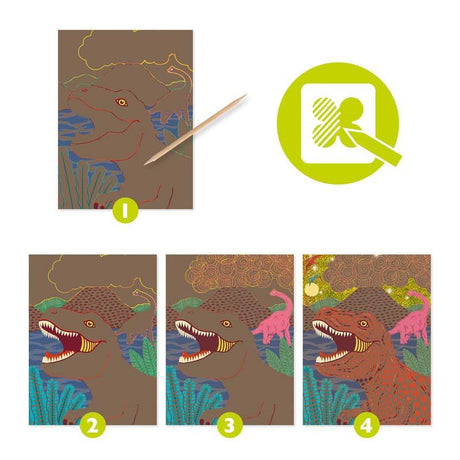
Scratch art reveals colours hidden beneath a coated surface using a stylus or scratching tool. The activity focuses on discovery, patterns and uncovering artwork that emerges as children work.

Foil art uses colourful metallic sheets that transfer onto adhesive sections of a design. Children peel away sections of the artwork and apply foil to reveal bright, decorative images. While both activities are low-mess and visually rewarding, scratch art tends to appeal to children who enjoy exploration and detail, while foil art often attracts children who love vibrant colours, sparkle and quick visual results.

Are scratch art kits good for children who don't think they are artistic?

Yes. Scratch art is often one of the most successful creative activities for children who lack confidence in their artistic ability. The activity removes many of the barriers that can make traditional art feel intimidating. Children don't need to draw perfectly, choose the right colours or worry about mistakes.

Instead, they can focus on revealing colours, creating patterns and exploring designs through a process that naturally produces visually appealing results. This allows children to experience the satisfaction of creativity without feeling judged by the outcome. For many children, scratch art becomes a stepping stone towards greater confidence in other creative activities.

Why do some children prefer scratch art to drawing and colouring?

Many children enjoy being creative but feel overwhelmed when faced with a blank sheet of paper. Drawing requires children to generate ideas, plan an image and execute it successfully, which can feel intimidating for those who lack confidence in their artistic abilities.

Scratch art changes the experience completely. Instead of worrying about what to create, children focus on discovery. Every mark reveals hidden colours, patterns or artwork beneath the surface, creating an immediate sense of success. This is often why children who claim they "don't like drawing" become deeply engaged with scratch art activities. The process feels rewarding from the very first scratch and removes much of the pressure associated with traditional art projects.