
Click & Collect or 24hr Dispatch*

$114.95 MHH Learning Tower & Step Stool + 10% Off Sitewide*

Problem Solving Play

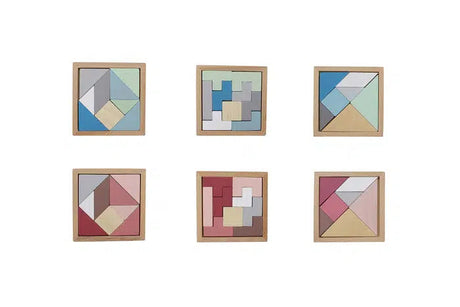
Wooden Puzzles For Toddlers & Preschoolers

Discover wooden puzzles for toddlers and preschoolers designed to build problem solving, visual reasoning and confidence. From chunky first tray puzzles to wooden jigsaw puzzles with more pieces, this collection helps you match the challenge to how your child likes to play.

Browse the puzzles
Child working through wooden puzzles at a table

Shop this collection

126 products · filters and sorting below

Buying guide & FAQs ↓

Buying guide

Finding a puzzle that fits today

Wooden puzzles in this collection are not one difficulty. Some ask a child to place a few large pieces into a clear board. Others ask them to read a picture, test edges and stay with a longer build. Start with the job your child can nearly finish — then look for the next step up.

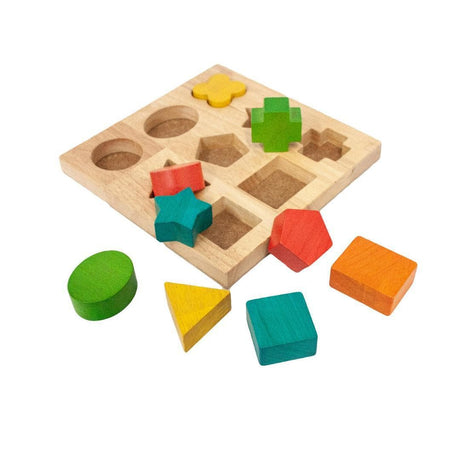
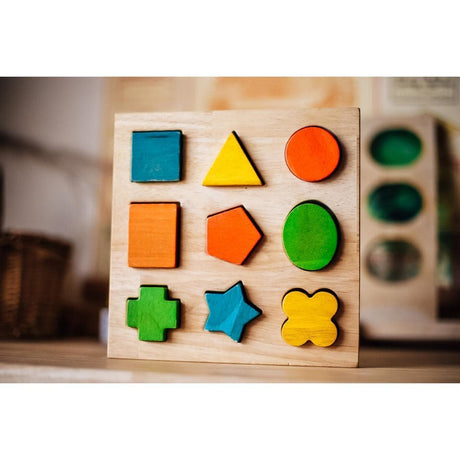
  • Chunky, knob and first boards

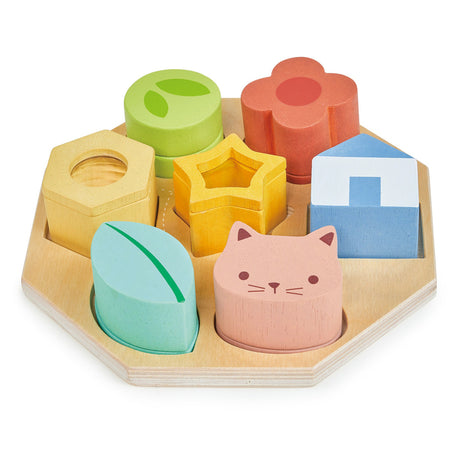
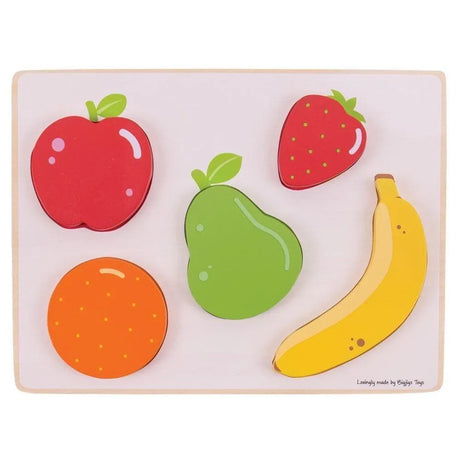
    Larger pieces, familiar shapes or pictures, and an obvious place for each piece. Best when they are new to puzzles or need quick success. Look for titles such as chunky, knob, peg or “my first” puzzles.

  • Picture jigsaws with more pieces

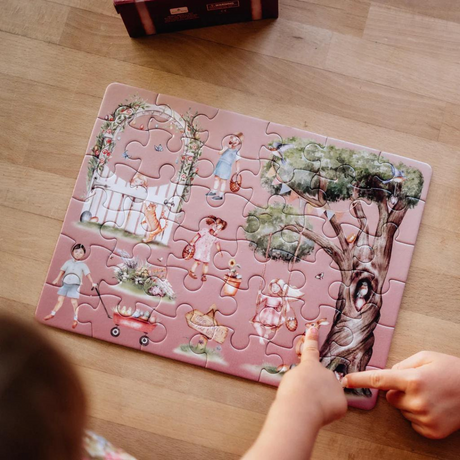
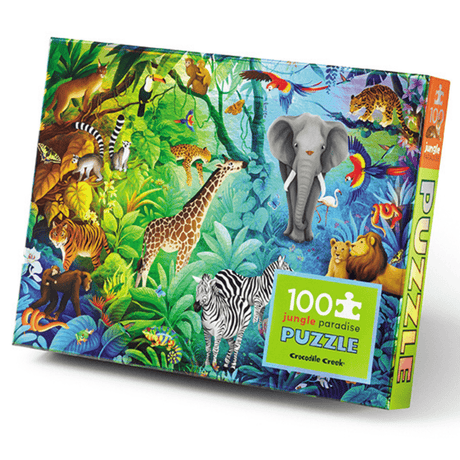
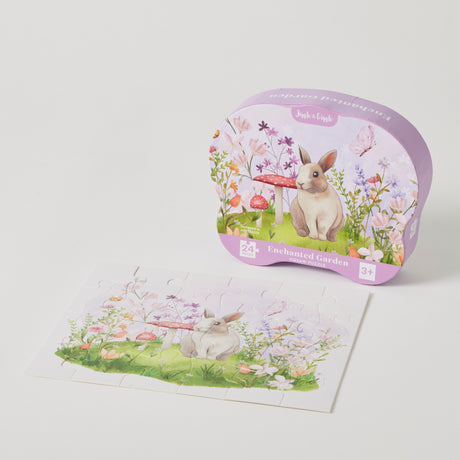
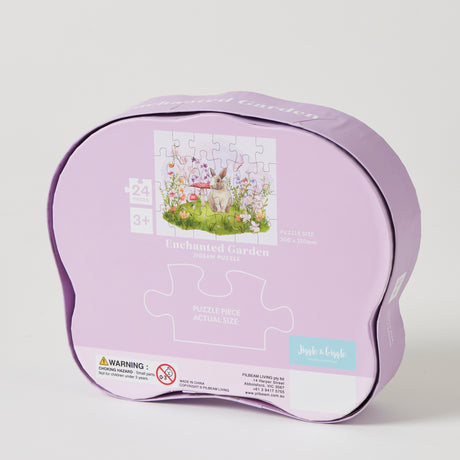
    Once tray boards feel easy, move to interlocking picture puzzles. This range includes examples with piece counts printed on the product — around 24, 48, 72 and 100 pieces. Match the theme (animals, ocean, transport) as carefully as the count.

  • Layered and learning boards

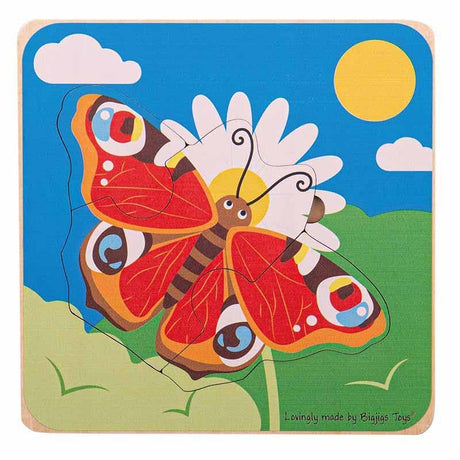
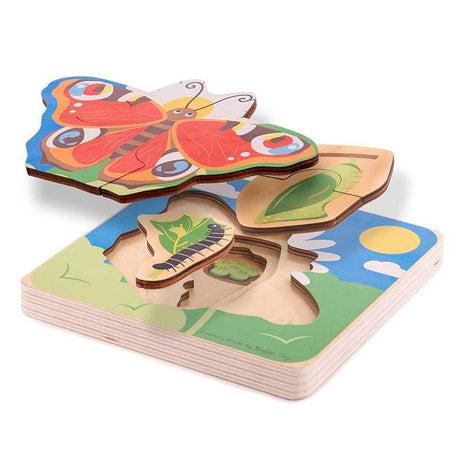
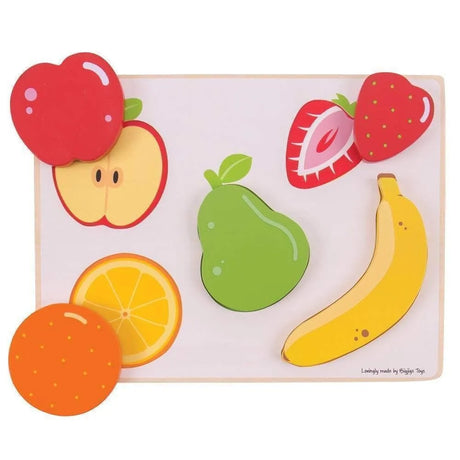
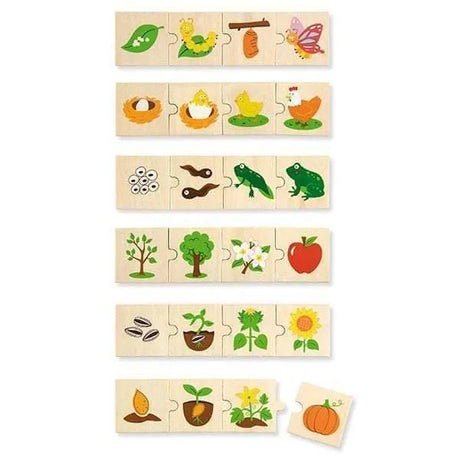
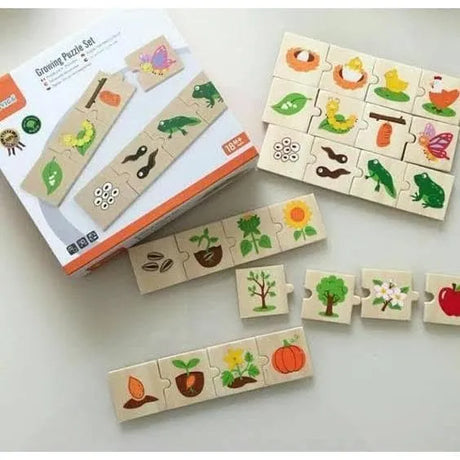
    Some puzzles add a second layer of interest — lifecycle boards, number or letter insets — still puzzle play, with a clear picture or sequence to complete. Check the product page for what is included.

  • Larger scenes & floor formats

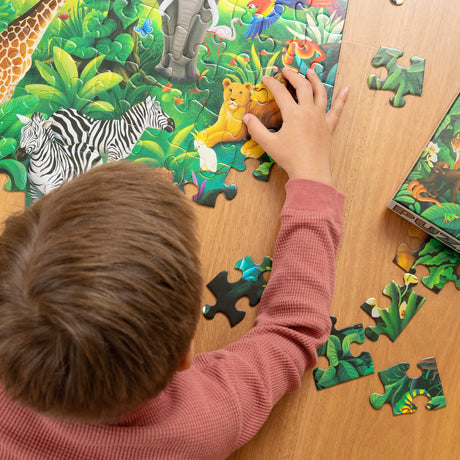
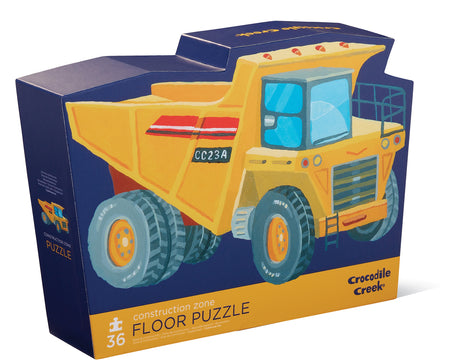
    A few bigger scene puzzles sit here. When they want more space and a large picture to build on the floor, continue to Floor Puzzles — the dedicated destination for that format.

Practical check while you browse: can they finish a simpler board with only a little help? If yes, try more pieces or a busier picture. If they tip pieces aside in frustration, step back to chunkier pieces or a clearer image. Always read the age guidance on the product you choose.
Play inspiration

Build the frame together — leave the middle for them

Sit beside them and help sort edge pieces first. Once the outer frame is in place, slide the box a little closer to them and let them hunt for the next piece. Stay nearby, but try not to point to every gap.

If they stall, turn one piece the right way up and hand it over — then pause again. The win is finishing the picture, not racing through it.

  • Same puzzle, next day

    Leaving a favourite board out invites them to repeat it. Repetition is often how confidence sticks.

  • Theme first

    A dinosaur or ocean picture they already love can matter more than jumping up in piece count.

  • When to step sideways

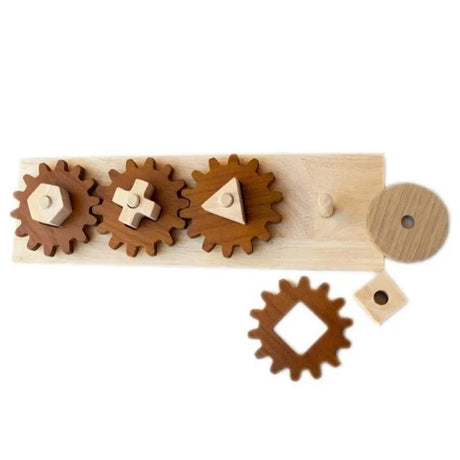
    If fitting shapes feels more fun than completing a picture, Shape Sorters may suit better today.

Questions

Questions parents ask

How many puzzle pieces should we start with?

Start with experience, not a fixed number. Children new to puzzles often do best with a few large pieces on a clear tray or knob board. When those feel easy, move toward picture jigsaws with higher piece counts — this assortment includes examples from about 24 pieces up to around 100. Check the product page for the exact count and recommended age.

What's the difference between these wooden puzzles and floor puzzles?

Most puzzles here are table or tray boards — fitting pieces and reading a contained picture. Floor puzzles emphasise a larger scene and more physical space. Some larger scene puzzles appear in this collection; for a dedicated floor-puzzle browse, continue to Floor Puzzles.

How can I tell if a puzzle is too hard?

Watch the play, not only the age label. If pieces are pushed aside quickly, or they need you to place almost every piece, the board is probably ahead of them. Step back to chunkier pieces or a simpler picture, then try again another day. Recommended ages on products vary across toddler and preschool — follow the label on the puzzle you are considering.

Are wooden puzzles good for independent play?

Often yes — especially once a child has completed a puzzle once or twice. They can experiment and try again without needing another player. Stay close the first few times; independence usually grows after a successful finish, not before.